
The Step-by-Step Guide to Virtual Staging for Senior Move Management Companies
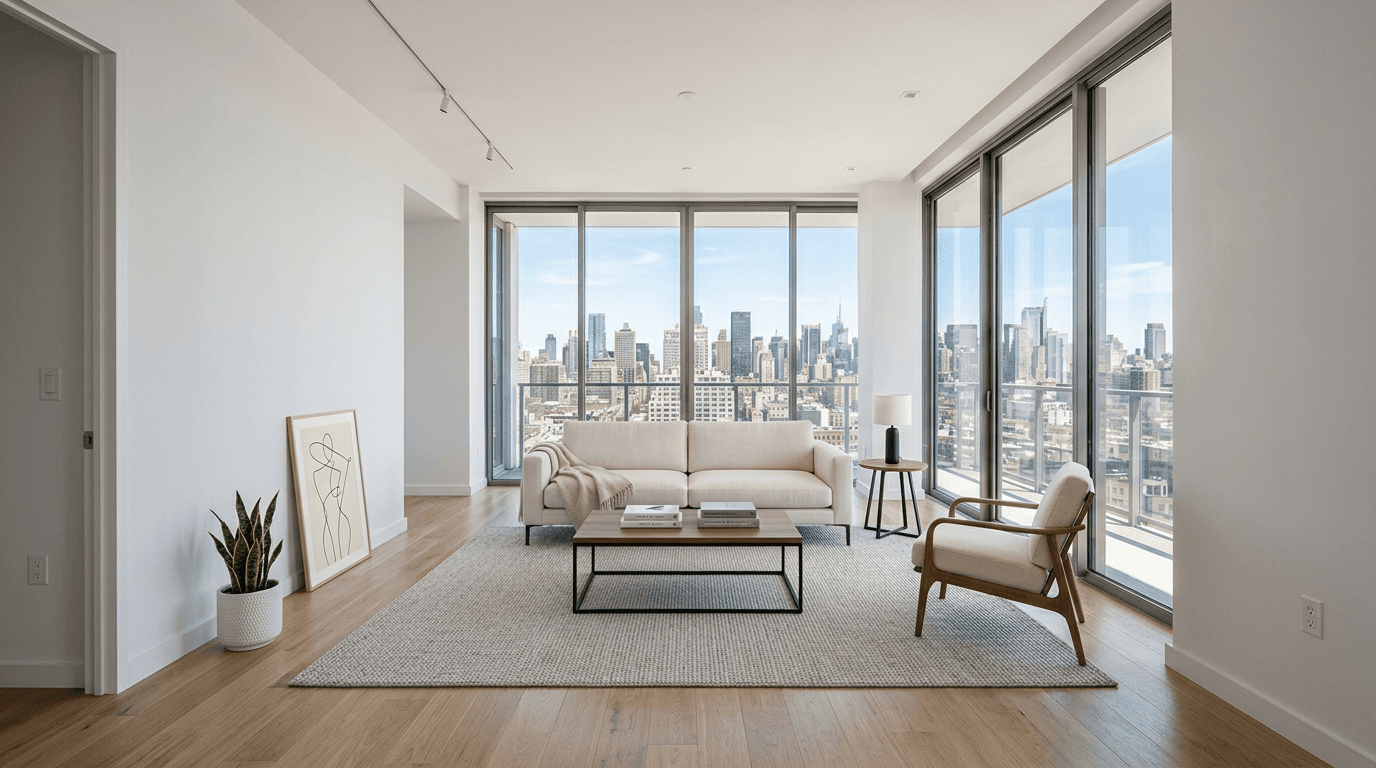
Virtual staging is one of the fastest, most cost-effective ways senior move management companies can make long-held, overfurnished, or inherited homes feel market-ready without the disruption of full physical staging. When families are overwhelmed by decades of belongings, outdated interiors, and emotional decision-making, AI-powered staging helps them see a clean, safe, dignified next version of the home. Used correctly, it supports downsizing conversations, reduces preparation delays, and gives agents and families a clearer path to listing with confidence.
According to recent staging metrics by the National Association of Realtors (NAR), professionally staged properties can significantly increase sales speed and perceived value, accelerating the impact for your specific niche.
Key Takeaways
- Virtual staging helps senior move management companies present dated or crowded homes as clean, livable, and buyer-friendly without moving in rental furniture.
- AI-generated room transformations can accelerate listing readiness when families are emotionally stuck on decluttering, repairs, or design decisions.
- The best results come from pairing accurate photography, realistic design choices, and clear disclosure practices that preserve trust.
- Virtual staging is especially valuable for inherited properties, vacant homes, and partially cleared residences where buyers struggle to visualize potential.
- Senior move managers can use staged visuals not only for marketing but also as a communication tool to align older adults, adult children, and real estate partners.
| Metric | Traditional Staging | AI Virtual Staging |
|---|---|---|
| Cost for Occupied or Long-Held Homes | Often requires furniture rental, movers, installers, storage coordination, and multiple vendor touchpoints, which can be expensive for families already paying for cleanout, repairs, and transition services. | Typically requires only high-quality listing photos and digital edits, making it far more affordable for senior move management clients balancing downsizing, estate, and relocation costs. |
| Speed to Market | Can take days or weeks to schedule after decluttering, furniture removal, and room preparation are complete. | Can often be completed within 24 to 48 hours once photos are ready, helping reduce delays when a family needs to sell quickly after a move or loss. |
| Flexibility for Sensitive Family Decisions | Changing styles, layouts, or room purposes usually means additional labor, rescheduling, and added expense. | Design styles, furniture density, and room use can be revised digitally, which is ideal when multiple family members need to review options before listing. |
| Usefulness in Dated, Overfurnished Spaces | Physical staging may still require extensive clearing and may not be practical if the home is crowded, worn, or only partially emptied. | Can visually simplify rooms, modernize decor, and help buyers imagine safer, more open spaces even when the property has a dated layout or legacy furnishings. |
Step 1: Identify Which Senior Transition Listings Are Best Suited for Virtual Staging
The first step is to determine where virtual staging will deliver the greatest strategic value within your senior move management pipeline. Not every property needs the same visual treatment, and the most successful companies use virtual staging selectively rather than automatically. Start by evaluating homes that are visually burdened by decades of ownership: rooms packed with oversized furniture, inherited properties with mismatched decor, homes that feel dark or dated, and partially emptied spaces that now look awkward or neglected. These are exactly the situations where buyers struggle to see possibility, and where families often feel emotionally paralyzed because the house reflects a lifetime of memories rather than a clean marketable product. Virtual staging works especially well when physical staging would be too expensive, too disruptive, or too slow relative to the family’s timeline. It is also highly effective when the home is safe and structurally ready to photograph, but not yet ideal from a design or merchandising standpoint. For senior move managers, this assessment should include more than appearance alone. Consider the emotional dynamics, the budget available after move-related costs, the urgency of the sale, and the level of alignment between siblings, adult children, and referral partners. If the family needs help imagining a respectful transition from “mom’s home” to “a buyer-ready property,” virtual staging becomes more than marketing; it becomes a decision-making tool. By choosing the right listings early, you avoid wasted effort and position your company as a practical, compassionate expert in both transition management and home sale preparation.
Action Step
Review your current listings and flag homes that are dated, overfurnished, vacant, inherited, or emotionally difficult to prepare for sale as top candidates for virtual staging.
Step 2: Prepare the Home and Photography to Support Credible, High-Impact Results
Virtual staging is only as effective as the underlying photography and room preparation, so your next priority is creating a clean visual foundation. Even though AI can transform a space digitally, it cannot fully compensate for poor lighting, extreme clutter, distorted angles, or rooms that were photographed carelessly. For senior move management companies, this means coordinating a practical pre-photo plan that respects the family’s emotional bandwidth while still producing marketable images. Begin by removing obvious distractions such as medical supplies, personal paperwork, excessive collections, loose cords, pet items, and safety hazards. You do not need to make the home look empty or sterile, but you do need to create enough visual clarity for the architecture, floor plan, and natural light to read well in photos. Open blinds, replace burned-out bulbs, and photograph each room from angles that show depth and flow rather than isolated corners. In homes with partial cleanout completed, focus on the rooms that matter most to buyers: living room, kitchen, primary bedroom, dining area, and any flexible bonus space that could become an office or guest room. It is also important to think strategically about what should remain unstaged. If a room is heavily damaged or requires obvious repairs, do not use virtual staging to conceal defects; instead, present the property honestly and use staging to demonstrate potential in spaces that are fundamentally sellable. The goal is believable enhancement, not deception. When your photography process is disciplined, the final staged images look polished, trustworthy, and aligned with the actual property. This credibility is especially important in senior transition sales, where families, agents, and buyers all need confidence that the visuals are helping them understand the home rather than misrepresent it.
Action Step
Create a pre-photo checklist that clears distractions, improves lighting, and prioritizes the most buyer-influential rooms before ordering virtual staging.
Step 3: Choose Design Directions That Modernize the Home Without Erasing Its Character
Once the photos are ready, the most important creative decision is selecting a design approach that makes the home feel current, open, and broadly appealing while still remaining believable for the architecture, price point, and neighborhood. Senior move management companies should avoid the common mistake of treating virtual staging like generic decoration. In this niche, the home often carries emotional significance for the seller or family, and the objective is not to erase that history but to interpret the space in a way that helps the next buyer imagine living there. Start by identifying the likely buyer profile: first-time buyers, move-up families, local downsizers, investors, or adult children purchasing for a parent. Then choose a staging style that supports that market reality. For many older homes, the strongest option is a light, transitional aesthetic with simple furnishings, neutral palettes, modest accessories, and layouts that emphasize safety, openness, and function. Avoid ultra-luxury styling in a modest ranch, and avoid trendy designs that make the room feel digitally manufactured. In senior-related listings, it is often especially effective to reduce furniture density so rooms appear easier to navigate and more spacious, while still showing warmth and livability. You can also use virtual staging to redefine ambiguous spaces, such as turning a crowded den into a bright sitting room or a former craft room into a guest bedroom or home office. This helps buyers understand utility without requiring the family to physically repurpose the room. Throughout the process, collaborate with the listing agent and, where appropriate, the family, so the finished images support both market strategy and emotional acceptance. When the design direction is realistic and intentional, virtual staging becomes a bridge between the home’s past and its next chapter, which is exactly the perspective your clients need during a major life transition.
Action Step
Select a realistic, buyer-appropriate staging style for each key room that emphasizes openness, simplicity, and market fit rather than dramatic makeover effects.
Step 4: Use Virtual Staging as a Family Communication and Decision-Alignment Tool
One of the most overlooked advantages of virtual staging for senior move management companies is its power to reduce friction among stakeholders. In many transitions, the challenge is not just preparing the property; it is helping multiple people agree on what the property should become before it goes to market. Older adults may feel grief or resistance, adult children may disagree about how much work to do, and real estate professionals may be pushing for speed. Virtual staging gives everyone a shared visual reference point, which can dramatically improve communication. Instead of abstract conversations about decluttering, repainting, or removing furniture, you can show families how the home will feel once it is simplified and positioned for buyers. This often lowers anxiety because the family sees that the house can still look dignified and welcoming without preserving every legacy furnishing. It can also help older sellers feel respected; rather than implying that the home is a problem, the staged image reframes it as a space with continued value and potential. Use side-by-side before-and-after visuals in consultations, listing prep meetings, and agent discussions to explain why certain rooms need additional clearing or why a lighter design direction may improve buyer response. These images are also useful when families live out of town and cannot easily visit the property. By circulating a clear visual plan, you reduce misunderstandings and create momentum. Importantly, this communication should be anchored in transparency. Explain that the staged images are conceptual marketing tools, not promises of physical furniture or hidden renovations. When used this way, virtual staging strengthens your role as a trusted transition advisor, not just a service coordinator. It helps families move from emotional debate to practical action, which is often the breakthrough needed to get a senior property listed efficiently and respectfully.
Action Step
Present before-and-after virtual staging concepts to families and referral partners to build agreement on decluttering, room use, and listing strategy.
Step 5: Publish, Disclose, and Optimize the Staged Images for Faster Buyer Engagement
The final step is to deploy virtual staging in a way that maximizes marketing performance while preserving trust, compliance, and professional credibility. Once the images are complete, work with the listing agent to decide where staged visuals should appear and how they should be labeled. In 2026, buyers are increasingly familiar with AI-enhanced real estate imagery, but they are also more sensitive to manipulation, so proper disclosure is essential. Clearly identify virtually staged images in the MLS where required, on listing websites, in brochures, and across social media campaigns. The purpose of disclosure is not to weaken the marketing; it is to strengthen confidence by showing that the home is being represented responsibly. From a performance standpoint, staged images should lead with the rooms that most influence buyer perception, especially the living room, primary bedroom, and any awkward vacant space that now reads with clarity and purpose. Pair these visuals with concise copy that reinforces the benefits buyers care about: spacious layout, bright entertaining area, flexible bonus room, or clean transitional style. Senior move management companies can also use staged imagery in their own referral marketing to demonstrate how they help transform difficult homes into listing-ready assets. Measure outcomes where possible, including days to list, showing activity, online engagement, and family satisfaction. Over time, this data helps you refine which property types, room categories, and design styles produce the best return. Most importantly, remember that virtual staging is not a substitute for honesty or property preparation; it is a multiplier for a well-managed transition plan. When published strategically and disclosed clearly, it helps buyers connect faster, helps agents market more effectively, and helps your company stand out as a modern, solutions-oriented partner in senior transitions.
Action Step
Launch virtually staged images with clear disclosure, prioritize the most influential rooms in marketing, and track engagement to improve future projects.
Explore More Resources
Conclusion
For senior move management companies, virtual staging is more than a visual upgrade; it is a practical sales-enablement tool that supports families through one of life’s most complex transitions. When used strategically, it helps transform dated, crowded, or emotionally loaded homes into clear, buyer-friendly listings without the cost and disruption of full physical staging. By identifying the right properties, preparing strong photography, choosing realistic designs, using images to align families, and marketing them transparently, your company can shorten decision cycles, improve listing presentation, and deliver a more confident path from longtime home to next chapter.
Ready to Stage Your First Room?
Join thousands of top real estate professionals who use AI Virtual Staging to instantly transform vacant photos into fully-furnished masterpieces in under 20 seconds.
Start Staging For FreeFrequently Asked Questions
Is virtual staging appropriate for occupied homes that still contain many personal belongings?
Yes, as long as the rooms can be photographed clearly enough to show layout, light, and architectural features. For senior move management companies, virtual staging is especially useful in occupied or partially cleared homes because it helps families imagine the result of decluttering before every item has been removed. However, the underlying photos should still be reasonably clean and should not hide major defects or unsafe conditions.
How does virtual staging help with inherited or estate properties?
Inherited homes often contain dated furniture, deferred cosmetic updates, or empty rooms that feel cold and uninviting. Virtual staging helps heirs and buyers visualize the home as livable and marketable without requiring immediate physical staging investments. It can also reduce disagreements among family members by providing a shared picture of the property’s potential before listing.
Will buyers feel misled by AI virtual staging?
Not if it is done realistically and disclosed properly. Buyers generally respond well to virtual staging when it helps them understand scale, layout, and use of space. Problems arise only when images are overly dramatic, conceal defects, or are not labeled appropriately. Clear disclosure and accurate representation are essential for maintaining trust.
What rooms should senior move management companies prioritize first?
Start with the rooms that most influence buyer interest and online engagement: the living room, kitchen, primary bedroom, dining area, and any vacant or confusing flex space. These rooms shape first impressions and often benefit the most from visual simplification and modernization. If budget is limited, focus on the spaces where buyers most need help imagining function and flow.
Can virtual staging replace physical staging entirely?
In some cases yes, especially for vacant, partially cleared, inherited, or budget-sensitive properties where speed matters. In other cases, it works best as a complement to light physical preparation such as decluttering, cleaning, and minor repairs. For senior move management companies, the decision should depend on the property condition, family goals, timeline, and expected return on investment.
Explore More Guides
Continue building your real estate expertise.
The Step-by-Step Guide to Virtual Staging for 55+ Active Adult Resale Specialists
Learn how 55+ active adult resale specialists can use virtual staging to transform personalized or outdated listings into move-in-ready, buyer-friendly marketing that attracts downsizers and drives stronger engagement in 2026.
The Step-by-Step Guide to Virtual Staging for Tiny Home Village Developers
An authoritative 2026 step-by-step guide for tiny home village developers on using virtual staging to market small-footprint homes, prove livability, showcase community lifestyle, and improve sales, leasing, and mixed-use resort-residential conversions.
The Step-by-Step Guide to Virtual Staging for Agrihood Homebuilder Marketing Teams
An authoritative step-by-step guide for agrihood homebuilder marketing teams on using virtual staging to communicate farm-centered lifestyle value, warm up vacant homes, and differentiate residential communities with agricultural amenities in 2026.
The Step-by-Step Guide to Virtual Staging for Private Island Lodge and Estate Brokers
An authoritative 2026 step-by-step guide for private island lodge and estate brokers on using virtual staging to market remote luxury properties, contextualize interiors, and help buyers visualize hospitality, family, and retreat lifestyles.
The Step-by-Step Guide to Virtual Staging for Luxury Amenitized Rent-by-Bedroom Operators
An authoritative 2026 step-by-step guide to using virtual staging for luxury amenitized rent-by-bedroom operators, covering portfolio strategy, room-by-room positioning, amenity storytelling, quality control, and conversion optimization for upscale shared homes.
The Step-by-Step Guide to Virtual Staging for Furnished Executive Rental Operators
An authoritative 2026 step-by-step guide for furnished executive rental operators on using virtual staging to create consistent premium listings, justify higher rates, reduce vacancy friction, and improve image quality across fast-turn inventory.