
The Step-by-Step Guide to Virtual Staging for Accessory Dwelling Unit (ADU) Builders
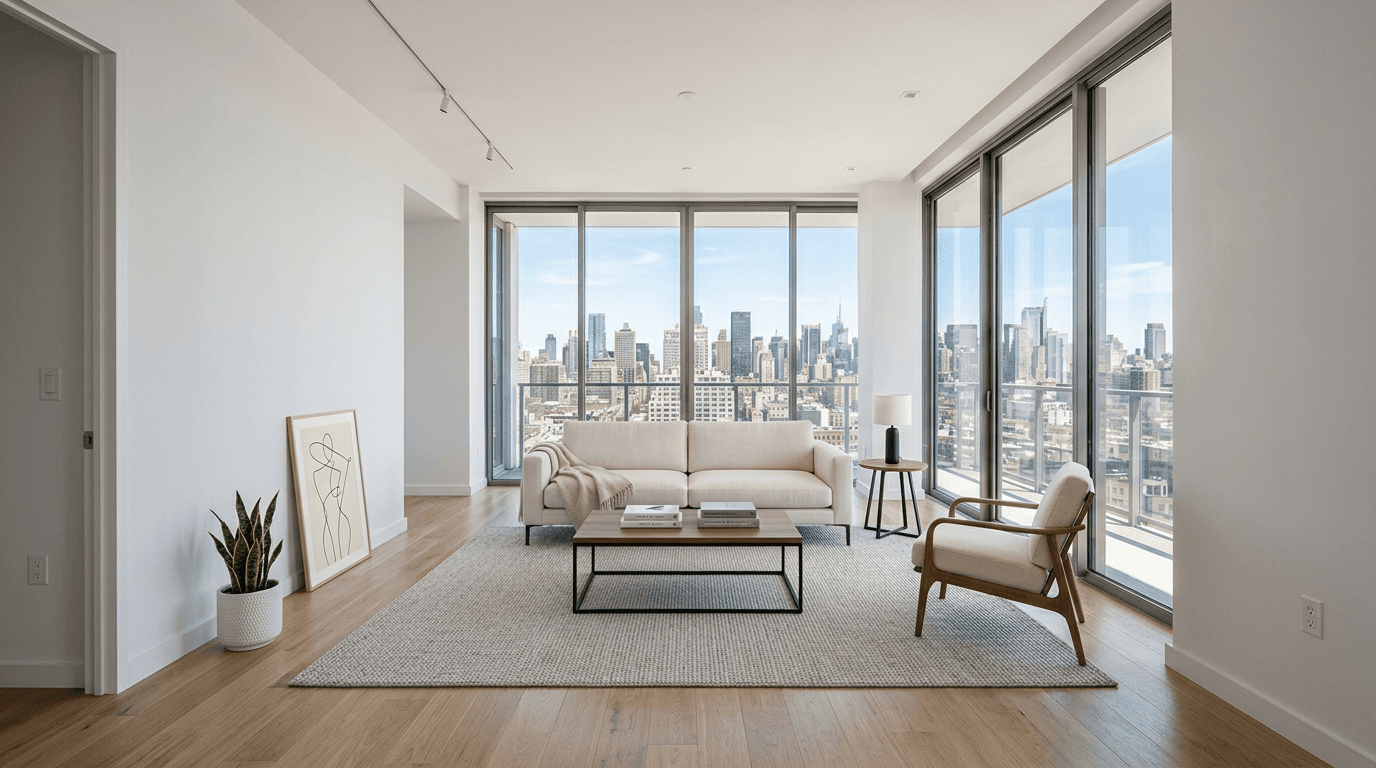
Virtual staging has become one of the most effective marketing tools available to Accessory Dwelling Unit builders because it solves the exact problem that slows homeowner decisions: most prospects cannot accurately visualize how a compact detached unit, garage conversion, or backyard home will actually live once it is furnished, organized, and styled for real life. In 2026, that visualization gap is no longer a minor inconvenience; it is a direct barrier to conversions, especially for builders competing in markets where homeowners are evaluating ADUs for multigenerational living, rental income, guest housing, aging-in-place, or flexible work-from-home use. Empty rooms in small-footprint homes often look smaller, colder, and more awkward than they truly are, while unfinished units leave too much to the imagination for busy prospects who need immediate clarity. For ADU builders and design-build firms, virtual staging provides a scalable way to turn shell spaces, plan sets, progress photos, and finished-but-empty interiors into persuasive, lifestyle-driven visuals that communicate comfort, function, and value. When done strategically, it does more than make a space look attractive; it demonstrates layout intelligence, validates the practicality of the floor plan, and helps homeowners understand exactly how an ADU can support the life they want to create on their property.
According to recent staging metrics by the National Association of Realtors (NAR), professionally staged properties can significantly increase sales speed and perceived value, accelerating the impact for your specific niche.
Step 1: Define the ADU buyer scenario before you stage a single image
The most successful virtual staging campaigns for ADU builders do not begin with furniture selection or color palettes; they begin with a precise understanding of who the unit is meant to serve and what story the builder needs the space to tell. Because ADUs are rarely one-size-fits-all products, builders must identify the dominant buyer scenario for each model, floor plan, or active project before requesting staged visuals. A detached backyard cottage intended for aging parents should not be staged like a short-term rental, and a garage conversion marketed to investors should not present the same emotional cues as a home office retreat for a suburban homeowner. In practical terms, this means clarifying the primary use case, the likely decision-maker, the emotional motivation behind the purchase, and the key objections that keep prospects from moving forward. Some homeowners worry that an ADU will feel cramped, dark, or overly utilitarian, while investors may be more concerned with sleeping capacity, storage logic, and broad tenant appeal. Virtual staging becomes far more persuasive when every room answers those objections visually. A compact studio can be staged to show how a sleeping area, dining nook, and workstation can coexist without crowding the footprint, while a one-bedroom ADU can emphasize privacy, circulation, and daily livability for long-term occupants. This strategic foundation also improves consistency across your website, social media, listing platforms, proposal decks, and sales consultations because every image reinforces the same positioning. Rather than treating staging as decoration, ADU builders should treat it as visual sales strategy tied to a specific audience outcome. Once you know the exact life your buyer wants the ADU to enable, the staging decisions become clearer, more credible, and much more effective at turning abstract floor plans into concrete desire.
Action Step
Choose the primary use case for each ADU model and write a one-paragraph buyer profile before commissioning any virtual staging.
Step 2: Start with high-quality base visuals that make small spaces look honest and usable
Virtual staging can only perform as well as the underlying images, renderings, or plan-based visuals you provide, which is especially important in the ADU category where every square foot matters and buyers are highly sensitive to layout efficiency. Many builders undermine strong staging by supplying dark photography, distorted wide-angle images, incomplete construction views, or renderings that fail to communicate realistic scale. In small homes, visual credibility is everything, because prospects are already trying to determine whether a kitchenette will feel functional, whether a bed can fit comfortably, whether there is enough circulation around furniture, and whether the living space can support more than one activity without becoming chaotic. To support those decisions, your base visuals should accurately depict room dimensions, door swings, natural light sources, window placements, ceiling heights, and built-in features that affect furniture planning. If the unit is not yet completed, use clean architectural renderings or high-quality CGI views that are proportionally correct and aligned with the actual construction intent. If the space is built but empty, photograph each area from angles that preserve realism rather than exaggerate size, and ensure surfaces, trim, and fixtures are finished enough that staging will appear integrated instead of obviously pasted in. For garage conversions and compact detached units, it is also wise to include transitional views showing how kitchen, dining, living, and sleeping zones relate to one another, since buyers often evaluate ADUs based on flow rather than on room count alone. Strong source imagery allows virtual staging to highlight practical livability, whereas poor source imagery invites skepticism, distracts from craftsmanship, and creates doubt about what the builder is trying to hide. In an industry where trust heavily influences contract value, polished and accurate base visuals are not optional marketing assets; they are the foundation for every credible staged presentation you publish.
Action Step
Audit your current ADU photos and renderings, then replace any images that distort scale, lack light, or fail to show functional room relationships.
Step 3: Stage for multifunctionality so the ADU feels bigger, smarter, and more valuable
One of the biggest advantages virtual staging offers ADU builders is the ability to demonstrate multifunctionality without physically furnishing multiple model units, and this is exactly where small-space marketing can gain a decisive edge. Buyers do not just want to know what fits inside an ADU; they want to know whether the home will support the way people actually live across changing needs and limited square footage. That means your staged visuals should show more than aesthetic appeal. They should illustrate how the same compact environment can feel comfortable, organized, and adaptable. In a studio ADU, for example, staging can define separate zones through furniture scale, rugs, lighting, and placement so that the room reads as a complete living environment rather than a single undifferentiated box. A murphy bed, sleeper sofa, drop-leaf dining table, slim desk, storage bench, or wall-mounted shelving can visually communicate flexibility without making the design feel gimmicky. In a one-bedroom ADU or garage conversion, staging can clarify how circulation works around the kitchen, how a dining area can remain usable, how a secondary work zone might fit, and how small outdoor connections enhance perceived spaciousness. The key is to make every furnishing choice intentional and believable for the target audience you defined earlier. Overcrowding a compact home with oversized sofas, too many accent pieces, or luxury styling that ignores real-world living patterns can weaken trust and make a builder appear out of touch with how small homes function. By contrast, thoughtful staging that balances openness, comfort, and utility helps homeowners understand that an ADU is not a compromise but a highly efficient, well-designed extension of the property. This shift is powerful in sales conversations because it reframes the unit from a small structure into a complete living solution. When virtual staging proves flexibility visually, it elevates both the design and the perceived return on investment.
Action Step
Create staged scenes that show each ADU’s primary room serving at least two realistic functions without making the space appear crowded.
Step 4: Match the staging style to your brand, local market, and buyer expectations
Virtual staging should never feel generic, because ADU buyers are not only evaluating the space itself; they are also evaluating the builder behind it, the neighborhood context, and the lifestyle signal the finished home sends. For this reason, style direction matters far more than many builders assume. An ADU builder specializing in modern backyard cottages in coastal California should not default to the same visual language as a firm focused on practical garage conversions in urban infill neighborhoods or farmhouse-inspired detached units in suburban markets. The staging style needs to align with your architectural vocabulary, finish selections, brand positioning, and the expectations of your local clientele. This includes choosing furniture forms that reflect the actual proportions of the space, selecting materials and decor that complement cabinetry and flooring, and using a color palette that enhances natural light rather than competing with it. It also means thinking carefully about how aspirational the imagery should be. Staging should elevate the presentation, but it should still feel attainable and consistent with what the finished ADU offers in real life. If your website and portfolio communicate clean, efficient, design-forward homes for homeowners seeking long-term usability, your staged images should reinforce that promise through edited, functional, sophisticated interiors. If you are targeting investors, the styling may need to feel durable, universally appealing, and occupancy-ready rather than highly personalized. Builders should also account for regional habits and household patterns, such as whether buyers expect a dedicated workspace, flexible guest accommodations, accessible furniture layouts, or stronger indoor-outdoor integration. When staging reflects both your brand and the intended market, it creates visual coherence across your sales funnel and helps prospects feel that the builder truly understands their goals. That coherence can significantly improve lead quality because the people attracted to your imagery are more likely to be the people your firm is best equipped to serve.
Action Step
Develop a simple staging style guide that defines your preferred furniture look, color direction, target buyer cues, and market-specific lifestyle details.
Step 5: Deploy virtual staging strategically across the entire ADU sales funnel
Even exceptional virtual staging will underperform if it is treated as a one-time visual upgrade instead of an integrated marketing and sales asset, so the final step is to distribute and use those images in ways that actively move prospects toward consultation, design engagement, and contract commitment. For ADU builders, the value of staged imagery extends far beyond a project gallery page. On your website, staged images should appear alongside floor plans, exterior views, process explanations, and use-case messaging so visitors can quickly connect layout, appearance, and lifestyle outcome. In paid advertising, the most effective visuals are often the ones that immediately answer a question homeowners are already asking themselves, such as whether a backyard cottage can feel spacious, whether a garage conversion can look high-end, or whether a compact unit can support multigenerational living with dignity and comfort. In email follow-up, staged images can reinforce the specific use case a lead mentioned during their inquiry, making your communication feel more consultative and personalized. During sales calls and in-person design meetings, builders can use alternate staged versions of the same ADU to demonstrate different occupancy scenarios, such as family housing, guest accommodations, rental positioning, or remote work functionality. This not only makes the conversation more concrete, but also helps uncover what the prospect values most. Virtual staging is also valuable for pre-construction selling, where there may be no completed model to tour; in these cases, staged renderings can reduce hesitation by giving buyers a more immediate sense of the finished experience. The most advanced builders in 2026 measure the impact of staged imagery by tracking engagement on project pages, ad click-through rates, consultation conversions, and close rates for projects with enhanced visuals. In other words, they do not just publish beautiful images; they operationalize them. When virtual staging is embedded throughout the ADU sales funnel, it becomes a revenue tool rather than a decorative afterthought.
Action Step
Place your staged ADU images into every key conversion point, including project pages, ads, email sequences, proposal decks, and sales presentations.
Explore More Resources
Conclusion
For ADU builders, virtual staging is no longer a cosmetic enhancement reserved for finished listings; it is a practical, high-impact strategy for making compact homes easier to understand, easier to trust, and easier to buy. When you begin with a clearly defined buyer scenario, use accurate base visuals, stage for multifunctional living, align style with your brand and market, and deploy staged imagery across the full sales funnel, you create far more than attractive marketing materials. You create visual proof that your ADUs are thoughtfully designed, genuinely livable, and capable of solving real homeowner and investor needs. In a category where prospects often hesitate because they cannot picture how a small space will work, that clarity can become your strongest competitive advantage.
Ready to Stage Your First Room?
Join thousands of top real estate professionals who use AI Virtual Staging to instantly transform vacant photos into fully-furnished masterpieces in under 20 seconds.
Start Staging For FreeFrequently Asked Questions
Why is virtual staging especially effective for ADU builders compared to traditional home builders?
Virtual staging is particularly effective for ADU builders because compact spaces require more visual explanation than larger primary homes. Buyers often struggle to understand how sleeping, dining, working, and relaxing can fit comfortably within a small footprint, and empty ADUs can look tighter and less inviting than they really are. Virtual staging helps builders demonstrate realistic furniture layouts, show functional zoning, and communicate specific use cases such as rental housing, guest space, multigenerational living, or home office flexibility.
Can virtual staging be used before an ADU is completed?
Yes. In fact, one of the biggest advantages for builders is using virtual staging during pre-construction or while a project is still underway. Builders can stage architectural renderings, CGI visuals, or progress images to help homeowners understand the finished outcome before the unit is physically ready. This is highly valuable for design-build firms that need compelling marketing assets early in the sales cycle.
What rooms should ADU builders prioritize for virtual staging?
Builders should prioritize the spaces that most directly influence buyer confidence, typically the main living area, sleeping zone, kitchen, and any flexible nook that could function as a workspace or dining area. In one-bedroom ADUs, the bedroom should also be staged to reinforce comfort and scale. Because square footage is limited, each staged image should clarify how the layout supports daily use rather than simply making the unit look stylish.
How realistic should ADU virtual staging look?
It should look highly realistic but still honest to the actual dimensions, finishes, and functional constraints of the home. Overly aspirational or inaccurate staging can damage trust if homeowners later realize the furniture scale was misleading or the room cannot function as shown. The best virtual staging for ADUs balances aspiration with authenticity, helping buyers imagine a better lifestyle without misrepresenting the property.
How can ADU builders measure whether virtual staging is working?
ADU builders can measure effectiveness by comparing engagement and conversion metrics before and after implementing staged visuals. Useful indicators include website time on page, project gallery engagement, ad click-through rate, consultation requests, lead quality, proposal acceptance, and close rates on projects marketed with staged imagery. Builders should also listen to sales calls and intake conversations for signs that prospects better understand the floor plan, feel more confident in the design, or reference staged images when discussing their goals.
Explore More Guides
Continue building your real estate expertise.
The Step-by-Step Guide to Virtual Staging for Suburban Medical Condo Investment Brokers
An authoritative 2026 step-by-step guide for suburban medical condo investment brokers on using virtual staging to market medical office condos to owner-users and investors, demonstrate healthcare readiness, reduce buyer uncertainty, and improve listing performance.
The Step-by-Step Guide to Virtual Staging for Condo-Hotel Unit Resale Brokerages
An authoritative step-by-step guide for condo-hotel unit resale brokerages on using virtual staging to modernize dated inventory, balance personal-use and rental appeal, differentiate from generic furniture packages, and improve marketing performance in 2026.
The Step-by-Step Guide to Virtual Staging for Resort Residence Branded Condo Developers
An authoritative 2026 step-by-step guide for resort residence branded condo developers on using virtual staging to accelerate pre-sales, protect brand standards, and sell an aspirational hospitality lifestyle before completion.
The Step-by-Step Guide to Virtual Staging for Student Apartment Pre-Leasing Marketing Teams
An authoritative step-by-step guide for student apartment pre-leasing marketing teams on using virtual staging to lease beds faster before construction completion or turnover, reduce vacancy risk, reassure parents, and standardize unit presentation across floor plans in 2026.
The Step-by-Step Guide to Virtual Staging for Luxury Lakehouse Portfolio Brokerages
An authoritative 2026 step-by-step guide for luxury lakehouse portfolio brokerages on using virtual staging to overcome seasonality, elevate vacant listings, and help buyers visualize entertaining, remote work, and multigenerational living across upscale lakefront homes.
The Step-by-Step Guide to Virtual Staging for 55+ Active Adult Resale Specialists
Learn how 55+ active adult resale specialists can use virtual staging to transform personalized or outdated listings into move-in-ready, buyer-friendly marketing that attracts downsizers and drives stronger engagement in 2026.