
The Step-by-Step Guide to Virtual Staging for Urban Brownstone Restoration Brokerages
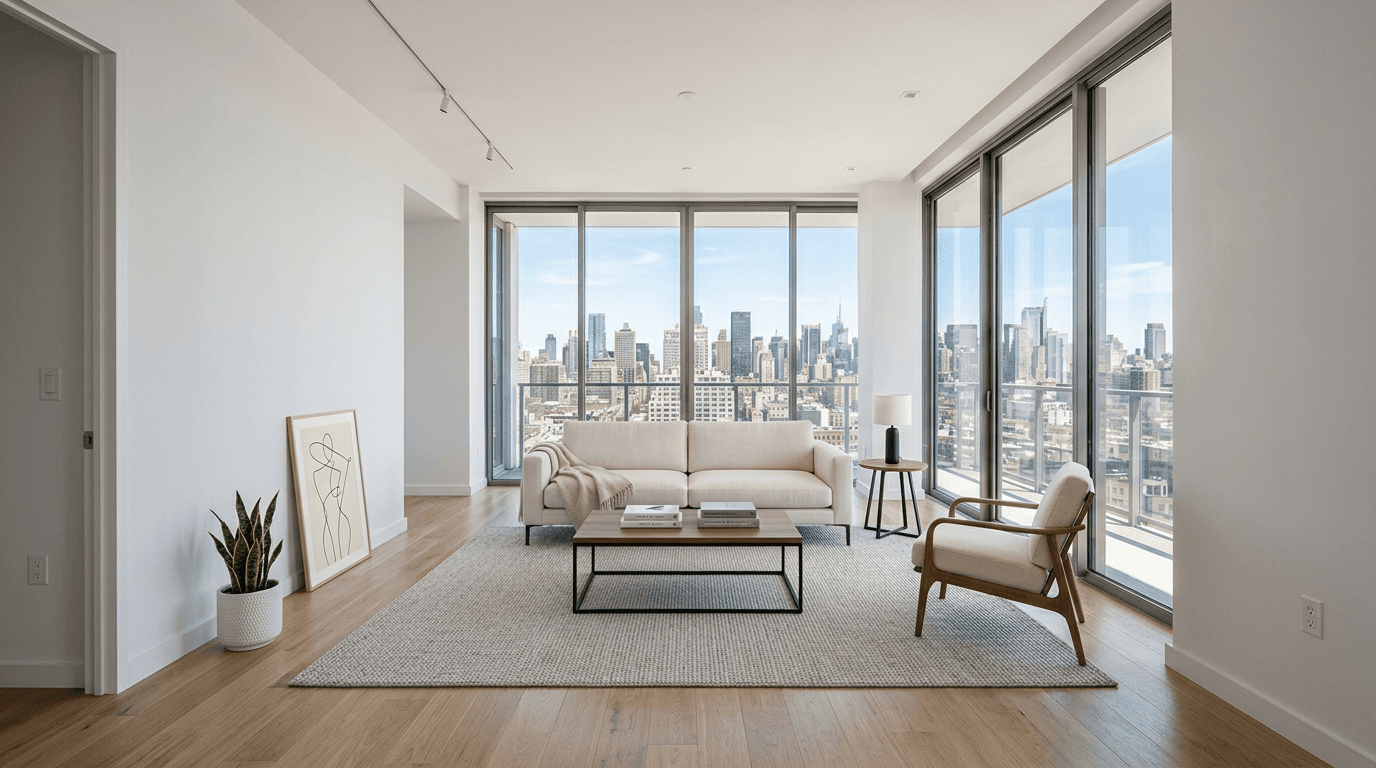
For urban brownstone restoration brokerages, virtual staging is no longer a cosmetic marketing extra; in 2026, it is a strategic sales tool for translating architectural value into buyer desire without compromising historical credibility. Brownstones, rowhouses, and historic townhomes often present a unique marketing challenge: exquisite original millwork, stoops, plaster medallions, pocket doors, marble mantels, and soaring proportions may coexist with dated kitchens, worn finishes, vacant rooms, or incomplete restoration work that obscures the home’s true potential. Buyers frequently struggle to visualize how a parlor floor should live, how a garden level can function elegantly, or how contemporary comfort can be layered into a period envelope without erasing character. That gap between architectural merit and lifestyle imagination is where many listings underperform. The most effective brokerages understand that virtual staging, when executed with preservation intelligence and design discipline, helps prospects see not just furniture in a room, but a historically respectful future for the property. This guide explains exactly how brokerages focused on restored urban brownstones can use virtual staging step by step to elevate listing quality, communicate renovation vision, attract better-qualified buyers, and protect brand authority in a market where authenticity matters as much as aspiration.
According to recent staging metrics by the National Association of Realtors (NAR), professionally staged properties can significantly increase sales speed and perceived value, accelerating the impact for your specific niche.
Step 1: Begin with an architectural and preservation-first assessment before any virtual staging decisions are made
The most successful virtual staging campaigns for restored brownstones begin long before any designer places a digital sofa in a parlor or artwork above a mantel. Brokerages that specialize in historic urban housing must first conduct a rigorous architectural and preservation-oriented assessment of the property so the final visual story reflects what makes the home valuable in the first place. In practice, this means identifying which features are historically significant, which rooms carry the strongest emotional and architectural impact, and which design tensions need to be resolved for buyers. A brownstone may have original staircase balustrades, elaborate crown moldings, encaustic tile vestibules, walnut pocket doors, and restored fireplace surrounds, yet appear visually confused because of empty rooms, outdated lighting, mismatched finishes, or temporary renovation conditions. If the brokerage stages without first documenting these realities, the imagery may flatten the home into generic luxury rather than distinct historic luxury. A disciplined pre-staging review should evaluate natural light patterns, ceiling heights, circulation between parlor and dining spaces, sightlines from the entry hall, condition of floors and walls, and the intended role of each level, including duplex owner’s units, income-producing garden apartments, or top-floor bedroom suites. This process should also account for neighborhood buyer expectations, because a Cobble Hill brownstone buyer may respond differently than a Harlem or South End townhome buyer in terms of color palette, furnishing style, and acceptable modernization. The goal is to define a visual strategy that honors period authenticity while clarifying modern livability. When brokerages treat virtual staging as a continuation of preservation storytelling rather than a decorative afterthought, the resulting imagery becomes more persuasive, more accurate, and far more capable of attracting serious buyers who value both heritage and lifestyle.
Action Step
Audit the property room by room and create a preservation-first staging brief that identifies key period details, buyer objections, target lifestyle, and the best rooms to stage virtually.
Step 2: Capture photography and source materials that make historically credible virtual staging possible
Virtual staging quality is only as strong as the visual inputs behind it, and this is especially true for historic brownstones where texture, proportion, craftsmanship, and spatial nuance carry much of the property’s value. Brokerages should resist the temptation to treat photography as a routine listing task and instead approach image capture as the technical foundation of the entire staging strategy. Brownstones often contain narrow rooms, dramatic verticality, layered thresholds, and fluctuating natural light from front-to-back exposures, so photographs must be composed to preserve depth, scale, and architectural rhythm. Wide-angle distortion that bends moldings, compresses fireplaces, or makes a parlor floor seem artificially large will undermine trust immediately, particularly among sophisticated urban buyers who know these homes well. The best approach is to photograph each principal room with consistent perspective, clean sightlines, and enough contextual detail for staging artists to integrate furnishings realistically around original trim, built-ins, radiators, mantelpieces, and door swings. Brokerages should also gather supplemental reference materials such as renovation plans, finish schedules, archival inspiration, or previous restoration details from comparable homes, especially when portions of the property are unfinished or in transition. These materials help virtual stagers understand what should remain visually dominant and what should recede. If a kitchen is outdated but structurally elegant, the staging plan may emphasize dining flow, pendant lighting direction, and seating arrangement rather than attempting to distract from every dated element. Likewise, if a garden-level family room lacks identity, source imagery can help define whether it should be presented as a media lounge, guest suite extension, or indoor-outdoor entertaining zone. By creating a robust package of high-quality photographs and contextual materials, brokerages dramatically improve the realism, restraint, and market relevance of the final staged images. In the historic segment, this preparation is what separates elevated marketing from digital guesswork.
Action Step
Schedule a professional shoot focused on accurate angles, natural architectural depth, and detailed reference collection for every major room you plan to stage.
Step 3: Design staged rooms that balance period integrity with contemporary urban lifestyle appeal
Once the brokerage has a clear property brief and strong visual source material, the next step is to develop a staging concept that communicates modern desirability without violating the architectural language of the home. This is where many virtual staging efforts fail, because they default either to overly ornate traditional décor that makes the home feel museum-like or to generic contemporary minimalism that strips away the emotional value of historic space. Brownstone buyers are often searching for a very specific balance: they want the romance of original details and the practicality of current urban living. Effective virtual staging should therefore present interiors that feel curated, livable, and era-aware rather than theme-driven. In a parlor-level living room, for example, furniture should reinforce the room’s proportions and focal points, allowing the mantel, ceiling medallion, and tall windows to remain central rather than visually crowded. In dining rooms, the staging should illustrate how entertaining can happen formally yet comfortably, especially in homes where restored millwork and historic proportions can otherwise intimidate younger buyers. Bedrooms should feel serene and scaled correctly to the architecture, while home offices, reading nooks, and flexible sitting areas can help interpret secondary rooms that buyers may not immediately understand. Materiality and palette matter enormously. Warm neutrals, restrained jewel tones, classic textures, and quality furnishings often perform better than trend-heavy choices because they bridge history and current taste. It is also wise to tailor the visual narrative to the listing’s likely buyer profile, whether that means family-oriented functionality, pied-à-terre elegance, or design-forward urban luxury. Every staged room should answer a buyer question: How would I live here? How would I entertain? How would I preserve what is special without feeling trapped by the past? When the staging resolves those questions clearly, the brokerage is no longer just showing square footage; it is selling a coherent and aspirational way of inhabiting historic architecture.
Action Step
Create a room-by-room staging concept that uses historically respectful furnishings, buyer-appropriate lifestyle cues, and palettes that amplify original brownstone character.
Step 4: Use virtual staging to illustrate renovation potential honestly, strategically, and with brand-safe transparency
For brownstone restoration brokerages, one of virtual staging’s greatest advantages is its ability to reveal possibility in spaces that are partially updated, cosmetically tired, vacant, or awaiting a buyer’s finishing vision. However, this power must be handled with exceptional discipline. In the historic home category, credibility is part of the product, and buyers can quickly lose confidence if imagery appears deceptive, overly aspirational, or disconnected from what the property can realistically become. The brokerage should therefore use virtual staging not to conceal structural reality, but to interpret it responsibly. If a room has strong bones but dated furnishings, staging can modernize the atmosphere while leaving fixed conditions visible enough to preserve trust. If a kitchen or bath is not renovated, the visuals and listing copy should work together so prospects understand whether they are seeing a conceptual lifestyle overlay, a near-term cosmetic possibility, or a broader design direction. This is especially important when marketing homes with landmark constraints, preservation-sensitive alterations, or incomplete restorations where buyers need both inspiration and clarity. Smart brokerages align staging choices with feasible renovation pathways, often informed by contractor insight, design partners, or prior townhouse projects in the same market. They may show how a garden level could function as a family lounge opening to the rear yard, how a top floor could become a serene primary suite, or how a narrow front room could work beautifully as a library or office instead of an awkward spare bedroom. The key is to stage for probable use, not fantasy use. Transparency should also be embedded into branding and agent communication so every digital rendering supports, rather than jeopardizes, the firm’s reputation for expertise in restored housing. When buyers feel that the brokerage understands both historic integrity and design evolution, virtual staging becomes more than visual merchandising; it becomes proof that the firm can guide clients through the imaginative and practical realities of brownstone ownership.
Action Step
Review each staged image for realism and disclosure, ensuring the design shown is achievable, historically appropriate, and clearly aligned with the property’s actual condition.
Step 5: Deploy staged visuals across listing, branding, and buyer-conversion channels with a historic-home sales strategy
The final step is to distribute virtual staging assets in a way that maximizes inquiry quality, supports agent conversations, and reinforces the brokerage’s authority in the brownstone restoration niche. Too many firms invest in strong staging only to use it narrowly inside the listing gallery, missing the broader strategic value of the imagery. In 2026, buyers encounter historic urban properties across a multi-touch journey that includes brokerage websites, luxury portals, email campaigns, social media reels, neighborhood market reports, agent follow-up decks, and private showing presentations. Each channel should use the staged imagery intentionally. On the listing itself, the images should clarify room purpose and establish emotional momentum, especially early in the gallery where buyers decide whether to keep engaging. In brochures or digital lookbooks, pair staged views with descriptive copy that explains architectural significance, restoration scope, and lifestyle flexibility. In social media, staged-before-and-after sequences can perform exceptionally well because they dramatize potential while signaling specialist expertise. During buyer and seller consultations, these assets also become persuasive business-development tools: they demonstrate how the brokerage markets difficult or transitional historic inventory better than generalist competitors. Internal team alignment matters here as well. Agents should know exactly how to talk about the staging, what assumptions it illustrates, and how to connect each visual choice back to the home’s floor plan, restoration opportunities, and target buyer profile. Tracking performance is equally important. Brokerages should monitor click-through behavior, time on page, showing requests, and qualitative buyer feedback to determine which staged rooms most effectively overcome hesitation. Over time, these insights allow the firm to refine a repeatable virtual staging framework specific to restored brownstones and urban townhomes. When distribution is strategic and data-informed, virtual staging stops being a single listing enhancement and becomes an institutional advantage that strengthens both current transactions and long-term brand position.
Action Step
Publish staged images across listings, social, presentations, and follow-up materials, then track engagement and buyer feedback to refine your brownstone marketing playbook.
Explore More Resources
Conclusion
Virtual staging is most powerful for urban brownstone restoration brokerages when it is treated as a preservation-aware sales strategy rather than a decorative shortcut. By starting with a deep assessment of architectural character, capturing the right visual materials, designing rooms that balance historic integrity with modern living, presenting renovation potential honestly, and distributing the final imagery across every buyer touchpoint, brokerages can transform how restored and partially restored townhomes are understood in the market. The result is stronger storytelling, better-qualified interest, and a brand reputation built on both taste and trust. In a category where original detail, design imagination, and buyer confidence all influence value, a disciplined virtual staging process helps brokerages show not just what a brownstone is, but what it can become without losing what makes it extraordinary.
Ready to Stage Your First Room?
Join thousands of top real estate professionals who use AI Virtual Staging to instantly transform vacant photos into fully-furnished masterpieces in under 20 seconds.
Start Staging For FreeFrequently Asked Questions
Is virtual staging appropriate for historic brownstones with landmarked or preservation-sensitive features?
Yes, as long as it is used responsibly. For landmarked or preservation-sensitive homes, virtual staging should emphasize historically compatible furnishing, realistic room use, and achievable design direction rather than speculative alterations that may not be approved. The purpose is to help buyers understand how to live beautifully within the home’s architectural framework, not to misrepresent what can legally or practically be changed.
Should brokerages virtually stage vacant rooms only, or also stage dated but occupied interiors?
Both can benefit, but the strategy differs. Vacant rooms usually need staging to establish scale, purpose, and emotional warmth, while dated occupied interiors may need staging to reinterpret the room without the distraction of mismatched furniture or clutter. In either case, the brokerage should preserve the credibility of the space and avoid making fixed conditions appear fully renovated if they are not.
How many rooms in a brownstone should typically be virtually staged?
Most brokerages see the greatest return by staging the highest-impact spaces rather than every room. For brownstones, that often includes the parlor living room, dining area, kitchen-adjacent entertaining zone, primary bedroom, and one flexible-use room such as a study, garden-level lounge, or family room. The exact number should depend on where buyers most need help visualizing function and lifestyle.
Can virtual staging help market brownstones that need restoration work?
Absolutely. In fact, properties with strong architectural bones but unfinished or outdated interiors are often among the best candidates for virtual staging. The key is to use it to illustrate credible future use and aesthetic potential while remaining transparent about the current condition. This helps buyers emotionally engage with the property without feeling misled.
What makes virtual staging for brownstones different from virtual staging for standard urban condos?
Brownstones require a far more nuanced approach because their value is tied not only to location and finish level, but also to period details, room hierarchy, vertical circulation, and historical identity. Standard condo staging often prioritizes sleek neutrality and broad appeal, while brownstone staging must interpret craftsmanship, scale, and preservation-minded lifestyle design. That added complexity is why specialist brokerages can gain a significant advantage by developing a brownstone-specific staging methodology.
Explore More Guides
Continue building your real estate expertise.
The Step-by-Step Guide to Virtual Staging for Historic Home Preservation Realtors
An authoritative 2026 step-by-step guide for historic home preservation realtors on using virtual staging to market landmarked, heritage, and architecturally significant properties while honoring preservation standards and attracting modern buyers.
The Step-by-Step Guide to Virtual Staging for Master-Planned Community Homebuilder Marketing Teams
An authoritative 2026 step-by-step guide for master-planned community homebuilder marketing teams using virtual staging to scale listings, model promotions, and quick move-in home marketing across multiple floorplans, elevations, and phases.
The Step-by-Step Guide to Virtual Staging for Equine Property Brokers
An authoritative 2026 step-by-step guide for equine property brokers on using virtual staging to market horse farms, equestrian estates, training facilities, and ranch properties with interiors that support premium rural lifestyle positioning and equestrian identity.
The Step-by-Step Guide to Virtual Staging for Student Housing Property Managers
An authoritative step-by-step guide for student housing property managers on using virtual staging to lease faster, refresh repetitive floor plans, and market effectively to both students and parents in 2026.
The Step-by-Step Guide to Virtual Staging for Self-Storage Facility Conversion Developers
An authoritative 2026 step-by-step guide for self-storage facility conversion developers on using virtual staging to visualize adaptive reuse projects, win approvals, secure investors and lenders, and lease ancillary office or retail frontage.
The Step-by-Step Guide to Virtual Staging for Mid-Century Modern E-Designers
An authoritative 2026 step-by-step guide for mid-century modern e-designers on using virtual staging to create visually precise client presentations, communicate design intent remotely, and win more residential projects with compelling imagery.