
The Step-by-Step Guide to Virtual Staging for For-Sale-By-Owner Luxury Waterfront Sellers
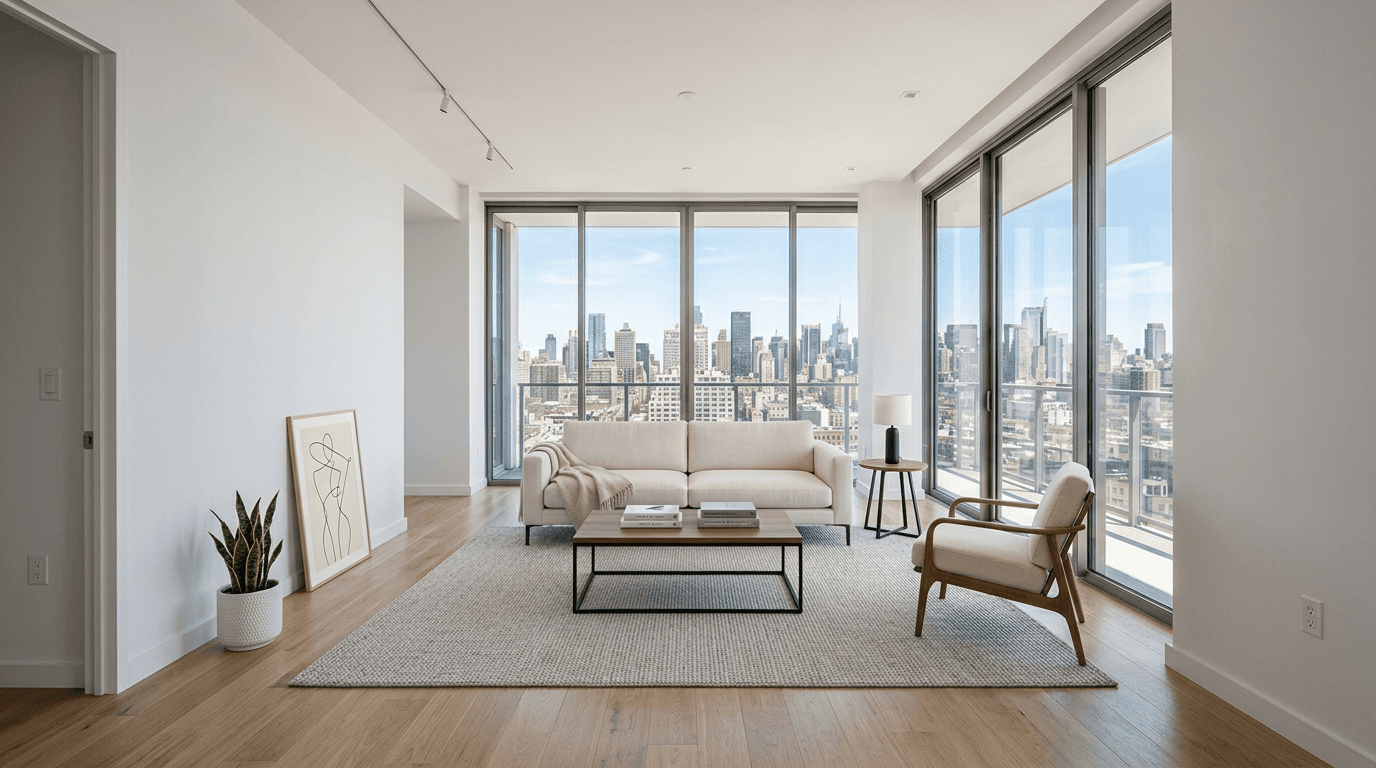
Selling a luxury waterfront property without a traditional listing agent requires a level of marketing precision that goes far beyond uploading a few photos and hoping affluent buyers will imagine the lifestyle for themselves. In 2026, premium buyers expect polished visual storytelling from the first click, and vacant or minimally furnished high-end homes often underperform online because they read as cold, oversized, and emotionally disconnected in photography. That problem becomes even more pronounced on the water, where the true value of the home is not just square footage, but the seamless relationship between architecture, views, light, entertaining spaces, and the aspirational lifestyle tied to the shoreline. Virtual staging, when executed strategically, gives For-Sale-By-Owner luxury waterfront sellers a sophisticated way to present scale, purpose, warmth, and prestige without the cost and logistics of fully furnishing a multimillion-dollar property. This guide explains exactly how to use virtual staging as a serious sales tool, not a gimmick, so you can position your home competitively, elevate buyer perception, and create a premium listing presentation that rivals agent-represented inventory.
According to recent staging metrics by the National Association of Realtors (NAR), professionally staged properties can significantly increase sales speed and perceived value, accelerating the impact for your specific niche.
Step 1: Start with a luxury waterfront marketing strategy before any virtual staging begins
The most successful virtual staging projects do not begin with furniture selections; they begin with positioning. As a For-Sale-By-Owner luxury waterfront seller, your first job is to identify exactly how your property should be perceived by the buyer segment most likely to purchase it. A waterfront residence is rarely bought on utility alone. Buyers are evaluating identity, leisure, privacy, prestige, boating access, sunset orientation, entertaining potential, wellness, and the emotional rhythm of living near the water. If you stage rooms without first defining the narrative of the property, you risk creating generic imagery that could belong to any upscale home rather than a distinct waterfront estate. Start by clarifying the core story: is your property a modern coastal retreat, a legacy family compound, a yachting-focused residence, a sleek contemporary entertainer’s home, or a serene luxury escape for seasonal living? That positioning should guide every visual choice, from the scale of furnishings to the palette, textures, styling accents, and the way indoor-outdoor transitions are emphasized. Review your floor plan and identify the rooms that most directly influence high-net-worth buyer psychology online, such as the great room with water views, the primary suite, the kitchen, the terrace, the dining area, and any lounge, office, dockside, or wellness-oriented spaces. Then consider how each room should answer a silent buyer question: What does this space feel like when I live here? In luxury waterfront marketing, virtual staging must communicate function and aspiration simultaneously. It should show where morning coffee happens, how sunset entertaining flows, how a sitting area frames the horizon, and how architectural volume becomes livable rather than vacant. This strategic foundation prevents mismatched design choices and ensures your staging supports pricing power rather than simply filling empty rooms.
Action Step
Define your property’s luxury waterfront buyer profile and write a one-paragraph lifestyle positioning statement before choosing any virtual staging style.
Step 2: Capture photography that makes virtual staging look credible, elegant, and high-end
Virtual staging is only as convincing as the original photography it is built upon, which is why image capture is one of the most financially important decisions in your FSBO marketing process. Luxury buyers can immediately detect low-grade visuals, distorted rooms, inconsistent lighting, and staging that appears digitally pasted into a weak photo. To avoid that outcome, your goal is to produce clean, professionally composed base images that preserve architectural integrity and showcase the unique assets of the waterfront setting. Begin by scheduling a professional real estate photographer who has experience with luxury homes, large-format interiors, and properties with significant natural light variation. Waterfront homes are especially challenging because windows can easily blow out in photos, causing views to disappear into white glare, while darker interiors lose the warmth and detail needed to make virtual furnishings feel grounded. You want balanced exposures that protect the scenery outside while preserving interior finishes such as flooring, millwork, stone, ceiling treatments, and custom built-ins. Rooms should be fully cleaned, depersonalized, and stripped of visual distractions before photography, even if they are vacant, because digital staging works best on uncluttered, well-prepared spaces. Ask for angles that show room scale honestly rather than relying on extreme wide-angle distortion that makes furniture placement look unnatural. Prioritize the spaces buyers linger on in luxury listings: the main living area, kitchen, primary bedroom, formal and informal dining areas, office, outdoor entertaining zones, and any direct view corridors to the water. In higher-end waterfront homes, twilight imagery can also be highly effective for exterior marketing because it conveys ambiance and resort-like exclusivity, though interiors intended for virtual staging usually perform best when shot in bright natural conditions. If possible, create a shot list specifically for staging, ensuring each room has at least one hero angle and one supporting angle. This level of preparation allows the virtual staging provider to integrate furnishings with proper scale, perspective, shadow, and visual realism, resulting in images that look editorial rather than artificial.
Action Step
Hire a luxury real estate photographer and create a staging-specific shot list focused on view-driven rooms and balanced interior-exterior exposures.
Step 3: Choose a virtual staging style that enhances the waterfront lifestyle instead of overpowering it
Once you have strong photography and a clear marketing narrative, the next step is selecting a virtual staging aesthetic that elevates the property without competing with it. This is particularly critical in luxury waterfront real estate because the true hero of the listing is rarely the furniture alone; it is the interplay between the interiors and the water, light, architecture, and sense of retreat. One of the most common FSBO mistakes is choosing staging that looks expensive in isolation but does not match the home’s design language or buyer expectations. An ornate traditional furniture package inside a minimalist glass-front residence can make the home feel confused, while an overly trendy or heavily themed coastal design can cheapen an otherwise sophisticated property. Instead, aim for restrained, high-end styling that reinforces the architecture and invites the buyer’s eye toward the views. In practical terms, this means selecting furnishings with appropriate scale for large rooms, using layered but not crowded layouts, and incorporating textures associated with waterfront luxury such as linen, boucle, matte wood, soft stone tones, brushed metals, and subtle organic elements. Color should support serenity and refinement, often through neutrals, sea-glass inspired accents, warm whites, driftwood-inspired tones, charcoal contrast, or muted blue-greens, depending on the property’s style. Every staged room should have a clear use case. A vast empty great room should become an elegant conversation space oriented toward the water. A bare flex room may be staged as a refined home office or media lounge if that supports your buyer demographic. Outdoor spaces deserve equal attention, especially if local platforms and your vendor allow exterior virtual staging, because affluent waterfront buyers are often making decisions based on how terraces, pool decks, docks, and covered lanais support entertaining and relaxation. Throughout the process, avoid overcrowding, excessive decorative clutter, or bargain-looking accessories. In luxury sales, sophistication comes from confidence, proportion, and intentional restraint. The buyer should feel the home is aspirational yet believable, polished yet livable, and exclusive without trying too hard.
Action Step
Select a virtual staging design direction that matches your home’s architecture, highlights the views, and uses refined, restrained luxury styling.
Step 4: Use virtual staging to answer buyer objections and showcase livability across the entire property
A sophisticated virtual staging plan does more than beautify rooms; it strategically removes uncertainty from the buyer’s mind. High-end buyers reviewing a FSBO luxury waterfront listing are often asking whether the home will live as well as it photographs, whether large spaces will feel intimate enough for daily life, whether unusual layouts are functional, and whether the property justifies its asking price compared with professionally marketed competing inventory. Virtual staging can address these concerns directly by clarifying scale, purpose, and flow. For example, if a large open-concept room feels cavernous when empty, staging can define distinct zones for conversation, dining, and view appreciation, making the architecture feel intentional rather than awkward. If a secondary waterfront room could be interpreted as wasted square footage, staging can establish it as a sophisticated reading lounge, executive office, wellness area, or guest retreat, depending on what your likely buyer values most. In premium homes, even transitional areas matter. A sitting nook off the primary suite, a covered balcony, or a room adjacent to the dock can become powerful selling visuals when staged to suggest quiet luxury and experiential living. Just as important, your staging should support the written listing description and pricing strategy. If you are positioning the home as ideal for entertaining, multigenerational stays, executive remote work, or boating-centered leisure, the staged imagery should visually prove those claims. However, credibility is essential. Never use staging to imply features the property does not support, and always disclose clearly that the images are virtually staged where required by platform rules or local regulations. Transparency protects trust while still allowing you to present the home at its full potential. When done properly, virtual staging reduces the mental effort buyers must expend to imagine themselves in the space, and that reduction in friction often translates into more inquiries, more qualified showings, and stronger perceived value.
Action Step
Review each major room and identify the buyer objection it should solve, then stage that space to demonstrate a clear, desirable lifestyle function.
Step 5: Deploy the staged images across your full FSBO marketing system to compete with agent-listed luxury homes
Even outstanding virtual staging will underperform if you treat it as a one-time photo enhancement rather than the visual foundation of your entire marketing system. As a luxury waterfront FSBO seller, you are effectively replacing the listing presentation, branding, and media coordination a strong agent team would normally provide, so your staged images need to be distributed with discipline and consistency across every buyer touchpoint. Begin with your primary listing portal images, ensuring the opening photo sequence immediately communicates water, architecture, and luxury livability. The first five to eight images are especially important because they determine whether a buyer clicks deeper or moves on to the next property. Use your strongest virtually staged interiors to help buyers understand the home’s most valuable spaces, but balance them with unstaged or exterior images where appropriate so the presentation feels transparent and grounded. Next, integrate those same staged visuals into your property website or landing page, digital brochure, email outreach, and social media campaigns. High-end buyers often revisit listings multiple times across devices, and consistency builds professionalism and trust. Pair the imagery with copy that interprets the lifestyle being shown, such as sunrise breakfasts overlooking the bay, seamless indoor-outdoor entertaining, private dockside arrivals, or serene primary-suite evenings framed by water views. If you are fielding your own inquiries, use staged images in your pre-showing communication so prospects arrive already understanding room purpose and flow. During showings, consider displaying before-and-after staging examples in a tasteful printed or digital format to help buyers reconcile the vacant reality with the marketed vision. In 2026, buyers expect multimedia coherence, and FSBO sellers who present their homes like premium brands gain a measurable advantage. The objective is not merely to make the property look attractive online, but to create a polished, persuasive visual ecosystem that supports stronger engagement, better showings, and a more competitive final sale outcome.
Action Step
Build a consistent marketing package using your virtual staging images across listing portals, a property page, brochures, email follow-up, and social media.
Explore More Resources
Conclusion
For-Sale-By-Owner luxury waterfront sellers can use virtual staging as a serious competitive advantage when it is approached strategically rather than cosmetically. The process begins with defining the property’s lifestyle narrative, continues through professional photography and design-aligned staging choices, and becomes truly effective when each image is used to resolve buyer uncertainty and support a premium marketing presentation. In a segment where emotional connection, visual quality, and perceived exclusivity strongly influence buyer behavior, empty rooms rarely do justice to the value of a waterfront home. Thoughtful virtual staging helps you communicate warmth, scale, elegance, and the unique experience of waterfront living while maintaining the flexibility and cost efficiency FSBO sellers need. When executed with realism, restraint, and consistency, it can elevate your listing, attract more qualified attention, and help your property compete credibly with agent-represented luxury inventory.
Ready to Stage Your First Room?
Join thousands of top real estate professionals who use AI Virtual Staging to instantly transform vacant photos into fully-furnished masterpieces in under 20 seconds.
Start Staging For FreeFrequently Asked Questions
Is virtual staging acceptable for luxury waterfront FSBO listings in 2026?
Yes, virtual staging is widely accepted in 2026 as long as it is used ethically and disclosed properly where platform rules, MLS policies, or local advertising standards require it. For luxury waterfront FSBO sellers, it is an effective way to help buyers understand scale, room function, and lifestyle potential without the cost of physically furnishing a large property.
How many rooms should I virtually stage in a luxury waterfront home?
Focus on the rooms that most influence buyer perception and online engagement, typically the main living room, kitchen-adjacent gathering areas, primary bedroom, dining space, office or flex room, and sometimes outdoor entertaining areas if supported by your vendor. Staging every room is not always necessary; strategic staging of the highest-impact spaces usually produces the strongest return.
Will buyers feel misled if the home is vacant in person?
Not if the staging is realistic, tasteful, and clearly presented as virtual staging where required. In fact, many buyers appreciate seeing how large or unusual rooms can function. The key is to avoid exaggeration, incorrect scale, or design concepts that imply features the property does not actually have.
What design style works best for luxury waterfront virtual staging?
The best style is one that aligns with the architecture and target buyer, not a one-size-fits-all coastal theme. Most luxury waterfront properties benefit from refined, restrained interiors that feel elegant, airy, and view-oriented, using upscale textures, balanced proportions, and a palette that supports the natural setting rather than competing with it.
Is virtual staging more cost-effective than traditional staging for a high-end FSBO sale?
In many cases, yes. Traditional staging for a luxury waterfront property can be expensive due to the scale of the home, premium furniture requirements, logistics, and installation time. Virtual staging is usually far more affordable and faster, making it especially useful for FSBO sellers who need premium visuals while managing marketing costs carefully.
Explore More Guides
Continue building your real estate expertise.
The Step-by-Step Guide to Virtual Staging for Luxury Barndominium Builders and Brokers
An authoritative 2026 step-by-step guide for luxury barndominium builders and brokers on using virtual staging to market high-end rural residences, clarify unconventional layouts, and elevate perceived value.
The Step-by-Step Guide to Virtual Staging for Mansion Tax Exodus Seller Brokerages
An authoritative 2026 step-by-step guide for brokerages serving high-end sellers exiting mansion-tax and high-tax markets, showing how to use virtual staging to refresh vacant luxury listings, attract out-of-market buyers, and accelerate premium home sales.
The Step-by-Step Guide to Virtual Staging for Distressed Condo Association Receivership Specialists
An authoritative 2026 step-by-step guide for distressed condo association receivership specialists on using virtual staging to market neglected condominium assets, demonstrate recovery potential, support lender communication, and accelerate sales or lease-up outcomes.
The Step-by-Step Guide to Virtual Staging for Modular Home Manufacturers Sales Teams
An authoritative step-by-step guide for modular home manufacturers sales teams on using virtual staging to showcase model variations faster, support dealer networks, reduce photography lag, and help buyers compare finishes and furniture styles in 2026.
The Step-by-Step Guide to Virtual Staging for Tenant-Occupied Duplex and Triplex Listing Specialists
An authoritative 2026 step-by-step guide for agents marketing tenant-occupied duplexes and triplexes using virtual staging to overcome privacy limits, inconsistent showings, and buyer uncertainty around layout and rent-growth potential.
The Step-by-Step Guide to Virtual Staging for Attorney-Owned Office Condo Landlords
An authoritative 2026 step-by-step guide for attorney-owned office condo landlords on using virtual staging to lease or sell office suites faster, elevate perceived value, modernize outdated interiors, and market professional spaces without a full commercial real estate team.