
The Step-by-Step Guide to Virtual Staging for Sober Living Home Operators
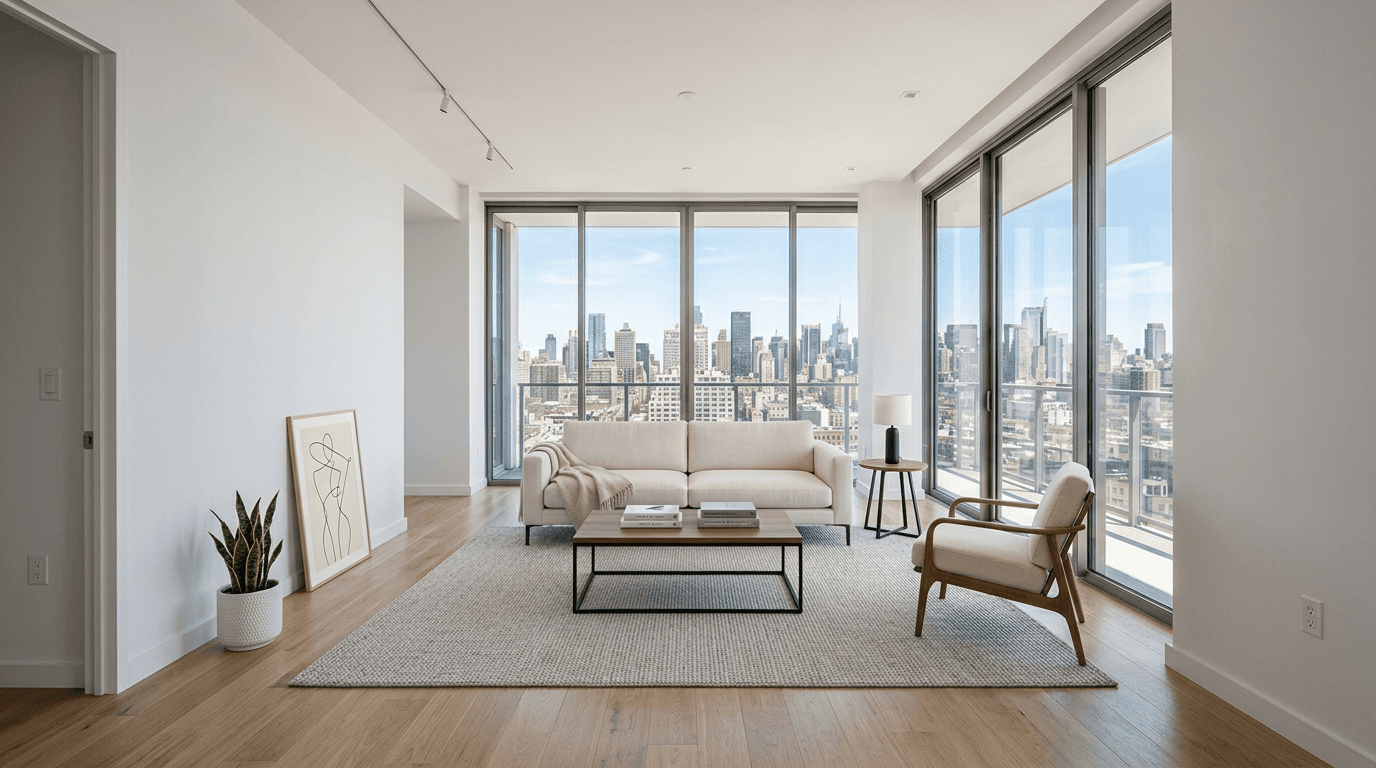
Virtual staging has become one of the most practical and cost-effective marketing tools available to sober living home operators in 2026, especially for residences that are clean, compliant, and well-managed but still struggle to look inviting in photos. Empty bedrooms, plain common areas, and functional safety features often read as cold or institutional online, even when the lived experience is supportive, structured, and deeply restorative. That disconnect creates a serious occupancy problem: prospective residents, families, case managers, and referral partners may overlook a high-quality home simply because the listing images fail to communicate dignity, warmth, order, and emotional safety. For sober living operators, this is not just a design issue; it is a trust issue. Virtual staging, when used ethically and accurately, helps bridge the gap between what a property looks like vacant and how it can feel when thoughtfully furnished for recovery-oriented living. The key is to use it strategically, transparently, and in a way that reinforces your standards rather than exaggerates them. This guide walks sober living home operators through a clear five-step framework to stage photos that reduce stigma, highlight livability, and support stronger occupancy outcomes without compromising credibility.
According to recent staging metrics by the National Association of Realtors (NAR), professionally staged properties can significantly increase sales speed and perceived value, accelerating the impact for your specific niche.
Step 1: Define the message your photos must communicate before you stage anything
Before you choose furniture styles, request image edits, or upload a single listing photo, you need absolute clarity on what your sober living residence is trying to communicate to the people making housing decisions. Many operators make the mistake of treating photography as a cosmetic afterthought, when in reality it functions as a visual positioning strategy. In the sober living space, your photos must work harder than standard rental images because they are often battling multiple assumptions at once: that shared housing is chaotic, that bedrooms are cramped and impersonal, that common areas lack comfort, or that “safe and structured” means sterile and joyless. Virtual staging only performs well when it answers these concerns intentionally. That means identifying the emotional and practical signals each image should send, such as cleanliness, stability, privacy within shared living, order, comfort, natural light, and a sense of respect for residents. You should also think about the decision-makers viewing your images, because a prospective resident may be looking for calm and dignity, while a family member may be scanning for safety and professionalism, and a referral partner may be evaluating whether your home appears well-run and appropriate for placement. Defining this messaging in advance prevents random design choices that undermine trust. A sober living property should not be staged like a luxury short-term rental, an ultra-minimal investor flip, or a trendy social media set. Instead, the visual language should support your operational promise: recovery-focused housing that feels stable, livable, welcoming, and responsibly managed. When your message is clear, every virtual staging decision becomes easier, from room layout and furniture scale to color palette and accessory restraint, and your final presentation becomes much more persuasive because it reflects the actual identity of your program rather than an invented aesthetic.
Action Step
Write a one-page photo messaging brief listing the top five qualities your residence must visually communicate, such as safety, dignity, cleanliness, comfort, and structure.
Step 2: Capture high-quality base photos that show the real layout, light, and condition of the property
Virtual staging can enhance a room, but it cannot rescue poor photography without introducing doubt, distortion, or disappointment. For sober living operators, the foundation of trustworthy presentation is a set of clean, bright, accurate base images that document the real space as it exists. This is especially important because your audience is evaluating not only beauty, but functionality and integrity. If bedroom dimensions appear misleading, if angles hide storage limitations, or if editing obscures the actual condition of walls, flooring, windows, or safety features, you risk damaging confidence at exactly the moment you need to build it. Start by preparing the residence thoroughly before photography. Remove clutter, complete repairs, clean every visible surface, replace burned-out bulbs, open blinds to maximize natural light, and make sure smoke detectors, handrails, locks, and common-area features are visibly present where relevant. Then photograph each important room from angles that make circulation and shared use easy to understand. In sober living marketing, this often includes bedrooms, kitchen, dining area, living room, laundry, exterior, and any designated wellness or meeting-friendly space. The goal is not to create cinematic drama, but to produce honest visual clarity. Wide-angle photography can help, but excessive lens distortion should be avoided because it creates unrealistic expectations and may make already modest rooms seem deceptively large. Consistency also matters; similar exposure, color balance, and framing across the photo set make the residence appear organized and professionally managed. If you can, hire a real estate photographer who understands documentation-quality imaging rather than heavily stylized editorial work. Virtual staging works best when layered onto images that already communicate care and competence. In short, the more accurate and polished your base photos are, the more believable and effective your staged results will be, and the less likely prospective residents or referral sources will feel misled when they walk through the front door.
Action Step
Schedule a professional photo session after a full cleaning and repair check, and create a must-photograph list covering all key shared and private spaces.
Step 3: Choose virtual staging designs that reflect recovery-oriented living instead of generic real estate trends
Once you have strong base images, the next step is selecting a virtual staging style that aligns with the realities and values of sober living, rather than copying whatever is popular in mainstream residential marketing. This is where many operators either over-stage or under-think the process. A room filled with flashy luxury furniture, overly dramatic decor, or highly personalized design elements may attract attention, but it can also create a disconnect between the image and the lived experience of a transitional residence. On the other hand, spaces staged too sparsely may still feel institutional and fail to solve the core problem. The most effective virtual staging for sober living homes is warm, neutral, practical, and believable. Bedrooms should suggest rest, order, and personal dignity without implying amenities or private square footage that do not exist. Common areas should feel calm and socially functional, showing how residents can gather, relax, and share space respectfully. Kitchens and dining areas should suggest routine, nourishment, and cleanliness, all of which are powerful signals in a recovery environment. Color choices matter more than many operators realize; soft neutrals, natural wood tones, muted blues, greens, and textured fabrics often communicate steadiness and comfort better than stark whites or hyper-trendy contrasts. Accessories should be restrained and intentional. A few books, simple wall art, lamps, plants, and neatly arranged dining settings can humanize a room, but cluttered decor can feel artificial and busy. It is also wise to avoid staging that introduces items that could confuse or concern your audience, such as alcohol-adjacent imagery, nightlife aesthetics, excessive luxury cues, or anything that implies an unsupervised party-house environment. Your objective is to present the home as emotionally safe, organized, and livable, while respecting the seriousness of recovery. Good staging does not pretend the property is something it is not; it helps viewers understand how the real space can support healing, routine, and community.
Action Step
Create a staging style guide with approved colors, furniture types, and decor examples that reflect calm, practical, recovery-friendly living.
Step 4: Use virtual staging ethically and transparently so your marketing builds trust instead of skepticism
In sober living marketing, ethics are not a secondary consideration; they are central to occupancy, reputation, and referral durability. Because prospective residents and their families are often making decisions during a vulnerable and emotionally charged period, your images must support informed trust rather than polished ambiguity. This is why virtual staging should always be used as an interpretive presentation tool, not as a means of concealing defects, altering room dimensions, removing permanent limitations, or suggesting amenities that the residence does not actually provide. Ethical virtual staging means the architecture, window placement, room size, flooring, cabinetry, and fixed features remain faithful to reality. If a room fits one bed comfortably, do not stage it in a way that implies spacious luxury. If the property has shared bedrooms, your imagery should communicate shared living gracefully and respectfully, not disguise occupancy arrangements until a later conversation. Transparency also matters from a compliance and brand standpoint. It is smart practice to note in your listing or photo captions that selected images have been virtually staged to illustrate furnishing potential. Far from weakening your marketing, this usually strengthens credibility because it signals confidence and professionalism. Ethical staging also requires alignment with your actual operations. If your home emphasizes structure, accountability, and community support, the visual tone of your images should reinforce those values rather than imply a boutique hospitality model that residents will never encounter. This consistency reduces friction during tours, improves conversion quality, and supports longer-term reputation with case managers, treatment partners, and families who may refer repeatedly. In an environment where trust is often fragile and skepticism can be high, operators who present spaces honestly but thoughtfully stand out. Virtual staging becomes most powerful when it helps people see possibility without ever asking them to ignore reality. That balance is what turns visual marketing into a genuine business asset rather than a short-term attention tactic.
Action Step
Add a clear disclosure to your marketing materials stating that some photos are virtually staged and review every image for accuracy before publishing.
Step 5: Publish, test, and optimize your staged photos across listings, referrals, and direct marketing channels
The final step is where strategy turns into measurable occupancy impact. Even excellent virtual staging will underperform if it is uploaded casually, paired with weak copy, or used inconsistently across the channels that influence placement decisions. Sober living operators should think of staged imagery as a core asset that supports multiple audiences simultaneously: direct inquiries from prospective residents, searches by family members, placement reviews by case managers, and evaluations by treatment centers or community partners. Start by integrating your strongest staged images into every major touchpoint, including your website homepage, property pages, Google Business Profile where appropriate, listing portals, referral packets, email follow-ups, and social media profiles used for professional outreach. Sequence matters: your lead image should immediately communicate warmth and order, while the remaining image set should tell a coherent story about daily living, shared spaces, sleeping arrangements, and overall property condition. Pair these visuals with copy that explains what makes the residence supportive, structured, and professionally operated. Then monitor performance. Track which image sets generate more inquiries, better tour-to-application conversion, or stronger engagement from referral partners. You may find that a staged common room performs better as a lead image than an exterior shot, or that a well-staged shared bedroom reduces objections because it demonstrates dignity and organization more clearly than empty-room photography ever could. Optimization should also include seasonal updates and portfolio consistency if you operate multiple homes. Over time, staged imagery can become part of a recognizable brand system that signals reliability before a prospect even speaks to your staff. The operators who get the most from virtual staging do not treat it as a one-time edit; they treat it as part of a disciplined marketing process that is reviewed, refined, and aligned with actual resident experience. When that happens, virtual staging stops being decoration and starts functioning as occupancy infrastructure.
Action Step
Replace outdated empty-room photos across all channels, then track inquiries, tours, and referral responses to identify which staged images perform best.
Explore More Resources
Conclusion
For sober living home operators, virtual staging is far more than a visual upgrade; it is a practical way to close the gap between the quality of your program and the first impression your property makes online. When used with clear messaging, accurate photography, recovery-appropriate design, ethical transparency, and ongoing performance tracking, it helps reduce stigma and present shared housing with the dignity, comfort, and professionalism that residents and referral sources need to see. In 2026, operators who communicate safety and livability effectively will have a meaningful advantage in occupancy and trust. The goal is not to make a sober living residence look luxurious or unrealistic, but to help the right people immediately recognize that your home is clean, stable, supportive, and ready to serve them well.
Ready to Stage Your First Room?
Join thousands of top real estate professionals who use AI Virtual Staging to instantly transform vacant photos into fully-furnished masterpieces in under 20 seconds.
Start Staging For FreeFrequently Asked Questions
Is virtual staging appropriate for sober living homes, or does it feel misleading?
Yes, virtual staging is appropriate when it is used ethically. For sober living homes, the purpose is to help viewers understand how clean, empty, and often plain rooms can feel when thoughtfully furnished for daily living. It becomes misleading only if the images alter room size, hide defects, remove permanent features, or imply amenities and layouts that do not exist. Clear disclosure and accurate representation make virtual staging a professional and trustworthy marketing tool.
What rooms should sober living operators prioritize for virtual staging?
Most operators should prioritize the living room, shared bedrooms, kitchen, dining area, and exterior entry. These spaces shape the strongest first impression and answer the biggest questions prospective residents and families have about comfort, order, cleanliness, and shared living arrangements. If budget is limited, start with the spaces that most directly communicate community, rest, and daily routine.
How should shared bedrooms be virtually staged without creating discomfort?
Shared bedrooms should be staged to emphasize dignity, symmetry, order, and realistic livability. Use appropriately scaled beds, simple nightstands when feasible, coordinated bedding, soft lighting, and uncluttered arrangements that show circulation and storage clearly. Avoid overdecorating or making the room appear larger than it is. The goal is to communicate that shared occupancy can still feel respectful, clean, calm, and well-managed.
Can virtual staging help reduce stigma around transitional housing?
Yes, because stigma is often reinforced by poor presentation. Empty rooms can look cold, cramped, or institutional even when the home itself is supportive and safe. Virtual staging helps reframe the visual narrative by showing that a sober living residence can be welcoming, organized, and dignified. While staging alone cannot replace strong operations, it can significantly improve how your property is perceived by residents, families, and referral sources.
How much should operators disclose when using virtually staged photos?
Operators should clearly disclose that selected images are virtually staged to illustrate furnishing potential or room use. This can be done in captions, listing notes, or property descriptions. The disclosure does not need to be dramatic, but it should be easy to understand. Transparency protects trust, reduces the risk of disappointment during tours, and positions your organization as professional and honest.
Explore More Guides
Continue building your real estate expertise.
The Step-by-Step Guide to Virtual Staging for Farm and Ranch Auction Marketing Firms
Learn how farm and ranch auction marketing firms can use virtual staging to elevate rural property presentation, accelerate pre-auction marketing, and inspire higher bidder confidence for agricultural estates, ranch houses, hunting lodges, and rural residential compounds in 2026.
The Step-by-Step Guide to Virtual Staging for Mixed-Use Retail Residential Lease-Up Teams
An authoritative 2026 step-by-step guide for mixed-use retail residential lease-up teams on using virtual staging to lease apartments, condos, and street-level commercial space faster by selling lifestyle, placemaking, and neighborhood vibrancy before full tenancy is in place.
The Step-by-Step Guide to Virtual Staging for Build-to-Rent Community Developers
An authoritative step-by-step guide for build-to-rent community developers on using virtual staging to market single-family rental neighborhoods before completion, differentiate home plans, accelerate lease-up, and showcase a lifestyle-driven resident experience in 2026.
The Step-by-Step Guide to Virtual Staging for Church Property Redevelopment Consultants
An authoritative 2026 step-by-step guide for church property redevelopment consultants on using virtual staging to visualize adaptive reuse, build stakeholder support, attract investors, and strengthen approvals for housing, school, office, and mixed-use conversions.
The Step-by-Step Guide to Virtual Staging for Senior Move Management Companies
Learn how senior move management companies can use virtual staging to transform dated, overfurnished homes into safer, cleaner, more marketable listings in 2026. This guide covers planning, photography, compliance, family communication, and listing optimization.
The Step-by-Step Guide to Virtual Staging for Luxury High-Rise Condo Listing Agents
An authoritative 2026 step-by-step guide for luxury high-rise condo listing agents on using virtual staging to elevate vacant units, attract premium buyers, justify higher commissions, and market urban high-rise listings with polished, conversion-focused visuals.