
The Step-by-Step Guide to Virtual Staging for Luxury Urban Penthouse Rental Operators
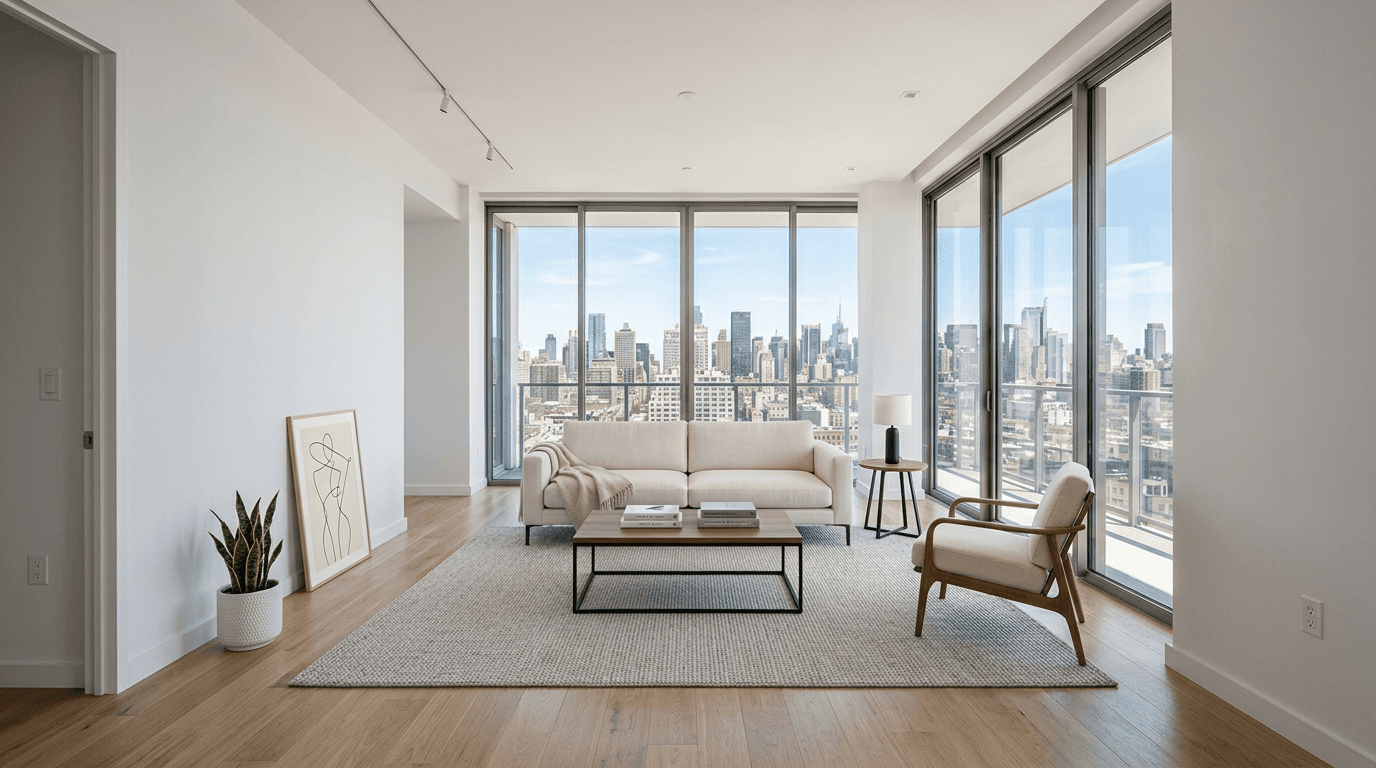
In the ultra-competitive world of luxury urban penthouse rentals, visual presentation is no longer a cosmetic marketing choice; it is a pricing strategy, a brand signal, and often the deciding factor between a listing that commands top-of-market rent and one that lingers despite exceptional fundamentals. Operators and brokers leasing trophy residences in major cities face a uniquely difficult challenge: expansive penthouse interiors can feel cold, disproportionate, or generically luxurious when photographed empty, yet affluent renters expect an environment that feels intentional, rare, and aligned with their lifestyle identity before they ever schedule a private tour. Virtual staging, when executed at a luxury standard, solves this gap by transforming raw square footage into a compelling narrative about how the residence lives, entertains, works, and frames the city beyond its glass. The key is not simply adding expensive-looking furniture to photographs; it is using bespoke visual storytelling to support rent justification, differentiate the asset from formulaic luxury inventory, and help sophisticated prospects emotionally pre-occupy the space. This guide lays out a precise, step-by-step framework for luxury urban penthouse rental operators who want virtual staging to elevate perceived value, sharpen positioning, and convert discerning renters without compromising credibility.
According to recent staging metrics by the National Association of Realtors (NAR), professionally staged properties can significantly increase sales speed and perceived value, accelerating the impact for your specific niche.
Step 1: Define the penthouse’s rent-justifying lifestyle narrative before any image is staged
The most common mistake in luxury virtual staging is treating the process as a design overlay rather than a leasing strategy. For penthouse rentals, especially in gateway and globally competitive urban markets, the images must do more than make the residence look attractive; they must explain why this specific home earns a premium over every other high-floor luxury unit competing for the same renter profile. That requires a narrative framework before a single rendering is commissioned. Start by identifying the exact resident archetype the unit is most likely to attract at its target rent: a global executive needing a turnkey city base, a founder seeking a statement residence for private entertaining, an athlete or entertainer prioritizing privacy and scale, or a design-literate international tenant comparing inventory across cities. Once the likely renter persona is established, map the penthouse’s strongest value drivers to visible moments within the home: sunrise exposure over a signature skyline, a double-height great room suited for art and entertaining, a terrace that functions as an outdoor salon, or a secondary room that can become a refined work suite. This is where operators justify rent visually. Instead of generic “luxury” furniture sets, the staging direction should communicate how the residence solves a high-net-worth renter’s emotional and practical priorities. If the penthouse competes on privacy, the imagery should suggest serene retreat and layered comfort. If it competes on social capital, the rooms should read as gracious hosting environments with deliberate circulation, scale, and atmosphere. Every staged frame should support the rental thesis: this is not merely an expensive apartment, but a scarce lifestyle product. Without this narrative discipline, virtual staging risks flattening a remarkable asset into interchangeable luxury content that fails to support premium pricing.
Action Step
Write a one-page creative brief that defines your target renter, top rent drivers, and the exact lifestyle story each major room should communicate.
Step 2: Select photography and viewpoints that showcase scale, light, skyline, and architectural distinction
Virtual staging can only be as persuasive as the underlying photography, and this is especially true in the penthouse category where the architecture itself is part of the value proposition. Operators often undermine premium positioning by staging mediocre source images that neither respect the proportions of the residence nor capture the spatial drama that justifies elite rents. Before commissioning any virtual staging, audit your photography through the lens of leasing performance rather than simple visual cleanliness. Ask whether each image proves something valuable: the width of the living room, the continuity between interior and terrace, the stature of ceiling heights, the drama of corner exposures, the privacy of primary suites, or the sophistication of material transitions. In luxury rentals, buyers of the experience are extraordinarily sensitive to authenticity. Distorted lenses, dim photography, overexposed windows, or angles that make monumental rooms feel ordinary will erode trust and compress perceived value. The correct approach is to photograph the penthouse in a way that preserves architectural honesty while maximizing emotional impact. Schedule shoots for the time of day that best complements the residence’s light profile and skyline relationship, whether that is crisp morning luminosity, warm late-afternoon glow, or twilight ambiance where city lights reinforce prestige. Include wide establishing views, but also intentional medium-composition shots that show how someone would inhabit the room. Importantly, choose angles that allow virtual furnishings to anchor scale rather than obscure it. The goal is not to fill every inch of emptiness, but to reveal proportion, use, and atmosphere. Exceptional staging begins with exceptional visual raw material, because affluent renters instinctively read image quality as a proxy for operator quality and property caliber.
Action Step
Review your existing photo set and identify 8 to 12 core angles that best prove scale, views, light, and architectural uniqueness before sending anything for staging.
Step 3: Commission bespoke virtual staging that reflects true luxury rather than generic aspirational decor
At the top end of the rental market, generic virtual staging is worse than no staging at all because it signals mass-market marketing in a category where renters are paying for rarity, curation, and confidence. Luxury urban penthouses require bespoke staging direction that feels editorial, architecturally literate, and tailored to the home’s proportions, finishes, and market positioning. This means the design language should emerge from the residence itself rather than from a staging vendor’s default catalog. A sleek glass penthouse overlooking a financial district may call for restrained contemporary furnishings, sculptural lighting, museum-like spacing, and subtle references to collector taste. A warmer residence with limestone, walnut, and expansive terraces may benefit from a softer international luxury look that blends hospitality influence with residential intimacy. The important point is that every furniture selection, rug texture, accessory, artwork reference, and lighting mood must be coherent with the rent level and likely renter identity. Scale discipline matters immensely in large, open penthouse interiors. Undersized furnishings make the home feel cavernous and unresolved, while oversized compositions can diminish elegance and obstruct sightlines to key value features like skyline views or terrace access. Operators should also stage selectively rather than excessively. Not every room needs maximal furnishing; some spaces should retain breathing room so prospects can appreciate volume and imagine customization. Avoid cliched luxury signifiers such as indiscriminate marble, shiny metallic accents, or stock-like decor arrangements that appear copied from dozens of other listings. Instead, prioritize refined layouts that communicate function and prestige: a conversation area oriented toward the skyline, a dining setting scaled for private entertaining, a den that reads as a polished executive retreat, or a primary suite that feels like a five-star residential sanctuary. The right virtual staging does not scream luxury; it demonstrates confidence, restraint, and fit.
Action Step
Provide your staging partner with a detailed luxury style brief covering design direction, renter persona, room function, prohibited generic elements, and required view-preserving layouts.
Step 4: Use staged imagery to build a room-by-room leasing story across every marketing channel
Once the virtual staging is complete, its value is realized not merely in the listing gallery but in how systematically it is deployed to shape perception across the entire leasing journey. Luxury penthouse renters rarely convert from a single image set alone; they move through a sequence of touchpoints that either deepen intrigue or dilute it. Your staged visuals should therefore be organized into a deliberate narrative arc. The opening image should establish the residence’s emotional promise immediately, typically through the principal living space with the strongest combination of scale, skyline, and design coherence. Subsequent images should answer the unspoken questions an affluent renter asks while evaluating whether the rent is justified: Can I entertain here without compromise? Does the space feel private and elevated rather than simply expensive? Is there enough warmth and definition within the scale? Can I envision both day-to-day living and exceptional moments in this home? Use staged images to assign identity to ambiguous rooms, particularly in large floor plans where empty secondary spaces can confuse prospects. A well-staged flex room can become a library, executive office, wellness lounge, or media salon, helping renters understand value they might otherwise overlook. Across listing portals, digital brochures, broker outreach decks, email campaigns, social placements, and private client presentations, maintain consistency in captions and sequencing so the same premium story is reinforced repeatedly. Just as importantly, pair staged images with transparent labeling where appropriate to preserve trust while emphasizing that the visuals are intended to illustrate scale, furnishing potential, and lifestyle use. In the luxury category, credibility enhances desire. The strongest operators use virtual staging not as decoration but as a leasing communication system that eliminates ambiguity, strengthens emotional attachment, and creates a memorable identity for the asset in a crowded high-end market.
Action Step
Create a cross-channel visual sequence that uses your staged images in a consistent order, from hero shot to supporting rooms, with captions that reinforce the penthouse’s premium lifestyle story.
Step 5: Measure performance, refine visual strategy, and align staging outcomes with rent and leasing velocity
Luxury marketing becomes truly effective when it is treated as an iterative performance engine rather than a one-time creative exercise, and virtual staging should be measured with the same rigor operators apply to pricing strategy, broker engagement, and inventory management. After launching staged imagery, monitor how it affects the metrics that matter most for penthouse leasing: click-through rate from listing platforms, inquiry quality, private showing requests, time to first qualified tour, broker response, prospect dwell time on digital assets, and ultimately achieved rent relative to underwriting expectations. In many cases, the right staging improves not only lead volume but lead caliber, attracting prospects who already understand the property’s intended positioning and are less likely to anchor mentally to lower comparables. This has a direct effect on negotiation posture. If prospects arrive with a clearer sense of the residence’s scale, use cases, and emotional appeal, leasing conversations can center on scarcity and suitability rather than explaining empty rooms or defending abstract price points. Operators should also compare room-level performance. If the terrace images drive the most engagement, consider whether additional staged outdoor visuals could strengthen the campaign. If a secondary bedroom or den receives little attention, the room may need a more legible identity in revised staging. Solicit feedback from brokers conducting tours as well; they often hear precisely where prospects felt the digital story aligned with reality or where expectations were underdeveloped. Over time, these insights become an internal playbook for future listings, enabling more accurate visual briefs, stronger channel prioritization, and faster lease-up at premium rates. In 2026, the operators who outperform are not simply the ones with better images; they are the ones who connect image strategy to measurable leasing outcomes and continuously refine their visual narrative to protect revenue.
Action Step
Track listing and leasing metrics after launch, gather broker feedback, and revise underperforming staged scenes to improve inquiry quality, tour conversion, and achieved rent.
Explore More Resources
Conclusion
For luxury urban penthouse rental operators, virtual staging is most powerful when it is approached as a disciplined revenue tool rather than a cosmetic enhancement. In a market where affluent renters compare exceptional properties quickly and judge quality instantly, the ability to transform empty volume into a credible, bespoke, and emotionally resonant lifestyle narrative can materially influence both perceived value and leasing velocity. By defining a rent-supporting story, capturing architecture with precision, commissioning truly tailored staging, deploying the imagery consistently across channels, and measuring results against leasing outcomes, operators can move beyond generic luxury marketing and create a more persuasive case for premium rents. The penthouses that lease best are not always the ones with the most square footage; they are the ones whose presentation makes their value feel unmistakable before the first private showing.
Ready to Stage Your First Room?
Join thousands of top real estate professionals who use AI Virtual Staging to instantly transform vacant photos into fully-furnished masterpieces in under 20 seconds.
Start Staging For FreeFrequently Asked Questions
Is virtual staging credible enough for ultra-luxury penthouse rentals, or will sophisticated renters reject it?
Yes, provided it is executed with restraint, transparency, and architectural accuracy. High-net-worth renters are not inherently opposed to virtual staging; they reject staging that feels generic, misleading, or disconnected from the actual residence. When the imagery respects the unit’s true proportions, preserves views, and illustrates realistic furnishing possibilities, it helps prospects understand scale and lifestyle potential in a way empty rooms cannot. Clear disclosure where appropriate reinforces trust rather than weakening interest.
How is virtual staging for a penthouse different from staging a standard luxury apartment?
A penthouse typically competes on factors that require more strategic visual interpretation, including dramatic scale, private outdoor space, panoramic views, unusual layouts, and a stronger expectation of exclusivity. Standard luxury apartment staging may focus on making rooms feel warm and functional, but penthouse staging must also frame the home as a rare urban asset with a distinctive lifestyle proposition. The design language, camera angles, room definitions, and narrative sequencing all need to be more bespoke and more closely tied to rent justification.
Can virtual staging actually help justify top-of-market rent?
Yes, because premium rent is supported not only by objective features but by how clearly those features are communicated to the market. Empty photos often fail to explain how vast rooms function, how entertaining spaces flow, or how secondary areas add utility and prestige. Thoughtful virtual staging makes those advantages legible, helping prospects emotionally and practically understand why the residence deserves a premium. It does not replace pricing fundamentals, but it can significantly strengthen perceived value and reduce resistance during the leasing process.
Which rooms in a luxury penthouse should be prioritized for virtual staging first?
Begin with the principal living area, primary suite, dining or entertaining space, terrace if applicable, and any flexible room whose purpose may be unclear when vacant. These are the spaces most likely to influence perceived value and to answer the questions premium renters ask before booking a showing. Prioritization should always follow the residence’s strongest rent drivers, so if the home competes heavily on work-from-home functionality, a study or executive office may deserve earlier emphasis than a secondary bedroom.
What should operators avoid when using virtual staging for high-end rental marketing?
Avoid default furniture packages, unrealistic scale, overfurnished rooms, trend-chasing decor, and imagery that obscures the penthouse’s architecture or views. Also avoid using staging to imply features the property cannot actually support, as this will damage trust during in-person tours. The biggest strategic error is generic luxury presentation that could belong to any listing in any city. In the penthouse category, success depends on creating visuals that are specific to the residence, the renter profile, and the pricing ambition.
Explore More Guides
Continue building your real estate expertise.
The Step-by-Step Guide to Virtual Staging for Suburban Medical Condo Investment Brokers
An authoritative 2026 step-by-step guide for suburban medical condo investment brokers on using virtual staging to market medical office condos to owner-users and investors, demonstrate healthcare readiness, reduce buyer uncertainty, and improve listing performance.
The Step-by-Step Guide to Virtual Staging for Condo-Hotel Unit Resale Brokerages
An authoritative step-by-step guide for condo-hotel unit resale brokerages on using virtual staging to modernize dated inventory, balance personal-use and rental appeal, differentiate from generic furniture packages, and improve marketing performance in 2026.
The Step-by-Step Guide to Virtual Staging for Resort Residence Branded Condo Developers
An authoritative 2026 step-by-step guide for resort residence branded condo developers on using virtual staging to accelerate pre-sales, protect brand standards, and sell an aspirational hospitality lifestyle before completion.
The Step-by-Step Guide to Virtual Staging for Student Apartment Pre-Leasing Marketing Teams
An authoritative step-by-step guide for student apartment pre-leasing marketing teams on using virtual staging to lease beds faster before construction completion or turnover, reduce vacancy risk, reassure parents, and standardize unit presentation across floor plans in 2026.
The Step-by-Step Guide to Virtual Staging for Luxury Lakehouse Portfolio Brokerages
An authoritative 2026 step-by-step guide for luxury lakehouse portfolio brokerages on using virtual staging to overcome seasonality, elevate vacant listings, and help buyers visualize entertaining, remote work, and multigenerational living across upscale lakefront homes.
The Step-by-Step Guide to Virtual Staging for 55+ Active Adult Resale Specialists
Learn how 55+ active adult resale specialists can use virtual staging to transform personalized or outdated listings into move-in-ready, buyer-friendly marketing that attracts downsizers and drives stronger engagement in 2026.