
The Step-by-Step Guide to Virtual Staging for Multifamily Value-Add Renovation Lease-Up Teams
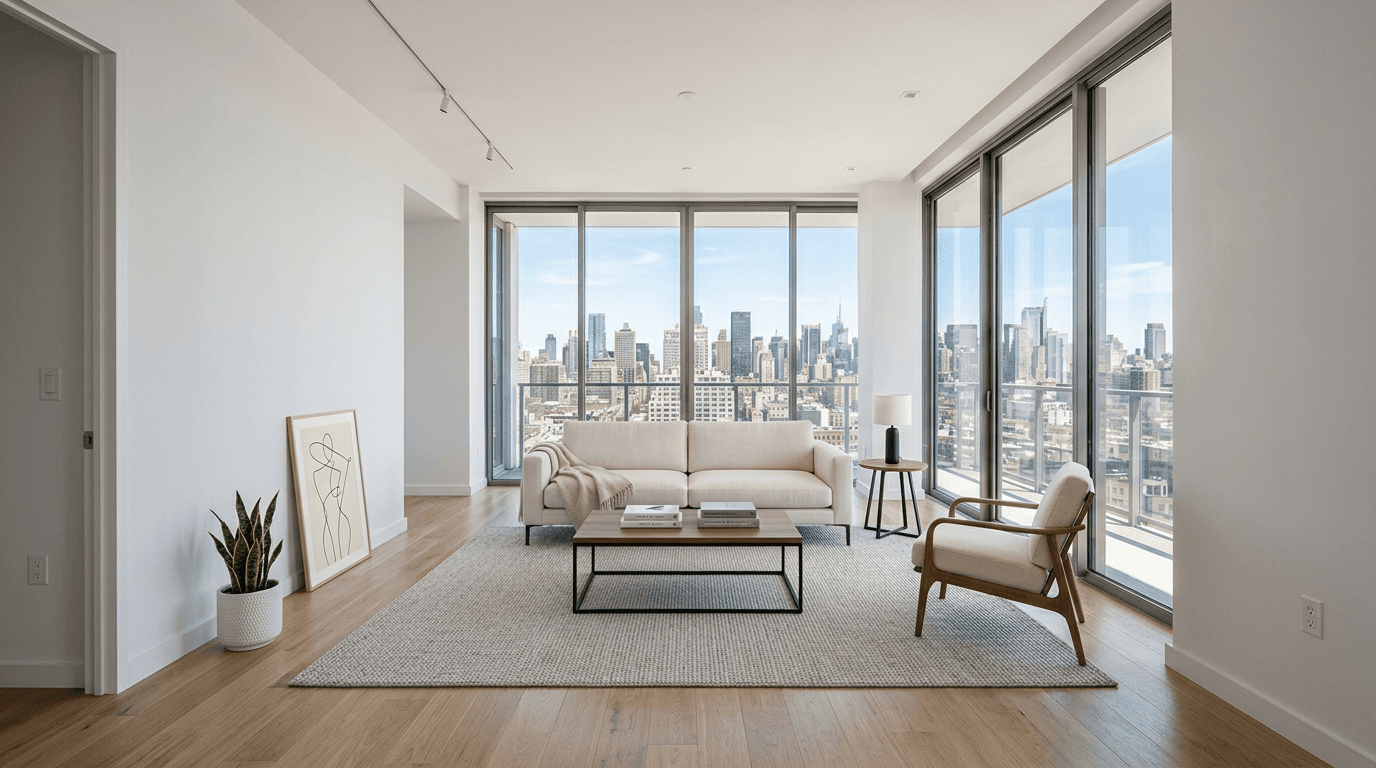
Virtual staging has become one of the most practical and highest-leverage marketing tools available to multifamily value-add renovation lease-up teams in 2026 because it solves the exact operational and revenue problems that slow repositioning campaigns: renovated units are rarely delivered all at once, model units are not always available when demand surges, classic inventory and upgraded inventory require different narratives, and every extra day of vacancy erodes the return on renovation spend. For apartment owners, asset managers, regional operators, and on-site leasing teams, the challenge is not merely taking attractive photos; it is creating a believable leasing story that bridges the gap between construction progress and prospect imagination. When a property is turning units in phases, teams need a system that markets what exists today, what will be available next, and what the community is becoming overall. Virtual staging, when executed strategically rather than cosmetically, lets teams present renovated floor plans with consistency, position premiums more convincingly, reduce confusion between classic and upgraded homes, and support faster absorption without misrepresenting the asset. The most effective operators use virtual staging as part of a disciplined lease-up framework tied to inventory segmentation, photo standards, renter psychology, compliance, and leasing execution. This guide explains exactly how to do that step by step so your team can market through renovation, lease more upgraded units with confidence, and protect revenue during every phase of the value-add cycle.
According to recent staging metrics by the National Association of Realtors (NAR), professionally staged properties can significantly increase sales speed and perceived value, accelerating the impact for your specific niche.
Step 1: Build a unit-positioning strategy before you order a single virtually staged image
The most common mistake multifamily teams make with virtual staging is treating it as a design add-on instead of a revenue strategy. Before any images are produced, your lease-up team needs to define exactly which inventory types require visual storytelling, how those unit types relate to your renovation schedule, and what leasing objective each image is meant to support. In a value-add repositioning campaign, not every home should be marketed the same way because classic units, partially renovated units, and fully upgraded units perform different roles in the absorption plan. Some units are designed to preserve occupancy while renovations continue, some are transitional options for price-sensitive renters, and some are premium products intended to reset market perception and justify rent lifts. Your virtual staging approach should mirror that structure. Start by mapping floor plans, finish packages, view premiums, vacancy status, and expected delivery dates, then identify which combinations are most difficult for prospects to understand from empty photography alone. A one-bedroom with new flooring and lighting but no furniture may look interchangeable with a classic home online unless your imagery makes the upgrade narrative obvious. Likewise, a larger renovated floor plan may deserve a more aspirational staging style because it functions as the flagship product for your repositioning story. This strategic planning phase should also define approved language for listings so that every image is paired with accurate descriptors such as renovated, classic, planned finish package, or representative upgraded layout. By doing this work upfront, you prevent mismatched expectations, eliminate inconsistent leasing messages across ILS sites and your property website, and ensure your virtual staging budget is spent on the images most likely to reduce friction in the prospect journey and accelerate decision-making.
Action Step
Audit all current and upcoming inventory by floor plan, renovation status, finish package, and pricing tier, then assign a specific virtual staging purpose to each priority unit type.
Step 2: Capture the right base photography and source visuals that support trust, not just aesthetics
Virtual staging is only as effective as the raw material beneath it, which is why high-quality base photography is non-negotiable for multifamily teams marketing through renovation. In lease-up environments, there is often pressure to move fast and publish something—anything—that helps fill units, but rushed photography creates expensive downstream problems. Poor lighting, distorted angles, inconsistent camera heights, unfinished punch-list items, and visible construction debris all reduce credibility and make virtually staged rooms feel artificial. Prospects may not consciously identify why an image feels off, but they will sense uncertainty, and uncertainty suppresses conversion. To avoid this, create a photography protocol tailored to phased renovations. Photograph only after the unit is broom clean, all permanent fixtures are installed, touch-up paint is complete, and temporary construction materials are removed. Use consistent wide-angle compositions that accurately show room scale without exaggeration, and document the same vantage points for comparable floor plans so prospects can evaluate classic versus upgraded homes fairly. In addition, collect source visuals that strengthen the story around the unit beyond the staged interiors themselves, including close-up shots of renovated kitchens, bathroom finishes, flooring transitions, lighting packages, smart-home features, and amenity upgrades connected to the repositioning campaign. These supporting images matter because virtual staging should not carry the full burden of proof; it should work alongside authentic finish photography that demonstrates the renovation is real. The strongest leasing presentations combine aspirational room scenes with unmistakable evidence of the actual materials, craftsmanship, and layout a renter will receive. This balanced approach protects trust, improves listing performance, and gives leasing agents more confidence when discussing premiums, availability timing, and the difference between representative imagery and exact unit condition.
Action Step
Create and enforce a renovation-ready photo checklist so every unit is photographed only after finishes are complete, spaces are clean, and key detail shots are captured alongside wide room images.
Step 3: Design distinct virtual staging concepts for classic and upgraded inventory so prospects immediately understand the difference
One of the highest-value uses of virtual staging in multifamily repositioning is clarifying the product ladder between classic and upgraded units without creating confusion or accidental misrepresentation. Too many properties use one generic staging aesthetic across all inventory types, which weakens pricing logic and blurs the perceived value of renovation premiums. Instead, your team should intentionally develop separate visual identities for each inventory class. Classic units should be presented as clean, livable, and appealing without trying to disguise their existing finish level, while upgraded units should reflect a more contemporary, elevated, and lifestyle-oriented presentation that reinforces the rationale for higher rents. The goal is not to make one unit type look undesirable; it is to help renters self-select efficiently based on budget, expectations, and desired living experience. For example, a classic unit may benefit from lighter, practical furniture arrangements that emphasize space, flexibility, and affordability, whereas a renovated unit may feature richer textures, modern silhouettes, work-from-home moments, and styling cues that align with the upgraded finish package. This distinction becomes especially important during phased lease-up when both unit types are available simultaneously and the leasing team must avoid internal cannibalization. A prospect who cannot see why an upgraded unit commands a premium may default to the cheapest option or leave the funnel altogether. Conversely, a prospect seeking a move-up experience may never realize the property now offers a materially different product if the imagery looks uniform. The most effective staging concepts are therefore anchored in your renter personas, submarket competition, and brand positioning, while remaining realistic to the actual room dimensions and finish materials. When these visual systems are consistent across websites, ILS listings, brochures, email follow-up, and social campaigns, they create an intuitive leasing journey where prospects understand what has changed at the property and why the renovated homes deserve attention now.
Action Step
Develop two approved virtual staging style guides—one for classic units and one for upgraded units—with clear rules for furniture style, color palette, room usage, and listing language.
Step 4: Deploy virtually staged assets across every leasing touchpoint with compliance, clarity, and speed in mind
Once your images are ready, the next challenge is distribution, and this is where many lease-up teams leave performance on the table. Virtual staging should not live only on one property webpage or appear inconsistently across a few listings; it should be integrated into the full leasing workflow so the same strategic story reaches prospects wherever they first encounter the asset. That means updating ILS ads, property websites, floor plan pages, paid social campaigns, email nurture sequences, text-message follow-up, digital brochures, and presentation materials used by on-site agents. However, broad deployment must be paired with disciplined disclosure and consistency. Every team member should know which images represent a specific available unit, which are representative of a renovated floor plan, and which depict a planned finish outcome for units delivering soon. This distinction is critical in value-add leasing because prospects are often choosing between immediate move-ins and upcoming renovated availability. If your imagery outruns your actual inventory communication, trust declines quickly and tours become less productive. A high-performing leasing operation therefore uses labeling conventions, image naming standards, and CRM notes so no one improvises the explanation. Speed also matters: when a renovated unit type comes online, virtually staged assets should already be approved and ready for launch so marketing does not lag behind availability. In practical terms, this requires close coordination between construction, operations, and leasing so expected turn dates, punch completion, photography scheduling, and listing updates function as one pipeline. Properties that execute this well create a smoother path from online discovery to tour to application because prospects arrive with a more accurate mental picture of the home, the upgrade package, and the value proposition. In an environment where vacancy loss compounds quickly, the operational discipline behind image deployment is just as important as the images themselves.
Action Step
Standardize how virtually staged images are labeled, disclosed, uploaded, and explained across your website, ILS listings, CRM templates, and leasing scripts before the next renovated units are released.
Step 5: Measure leasing impact, refine the creative, and turn virtual staging into an ongoing absorption tool
Virtual staging delivers the greatest return when it is treated as a measurable leasing lever rather than a one-time marketing task. Multifamily value-add teams should evaluate performance at the floor-plan and inventory-class level to determine whether the images are improving lead quality, tour conversion, days to leased status, and achieved rents relative to unstaged or poorly merchandised units. Start by establishing a baseline using pre-staging performance data for inquiry volume, click-through rates from ILS listings, time on market, lead-to-tour conversion, tour-to-application conversion, and final lease trade-out by unit type. Then compare results after staged assets are introduced, paying close attention to whether renovated floor plans are attracting more qualified prospects and whether classic units are still maintaining occupancy without undermining the premium product. This analysis often reveals opportunities to improve the creative itself. If prospects love the renovated kitchens but still hesitate on bedroom scale, your staging may need better furniture proportioning. If tours are increasing but applications are not, your images may be setting expectations too far above the in-person reality, indicating a mismatch between visual style and actual finish execution. If classic units suddenly lose traction, your comparative storytelling may need adjustment so affordability remains an intentional selling point rather than an afterthought. In 2026, the most sophisticated operators fold these insights into recurring marketing reviews and make virtual staging part of a repeatable playbook for future phases, sister properties, and refinance-ready repositioning narratives. By continuously refining based on leasing data, your team transforms virtual staging from a cosmetic enhancement into a durable asset-management tool that supports faster absorption, stronger pricing confidence, and more predictable performance during renovation-driven lease-ups.
Action Step
Track pre- and post-staging metrics by floor plan and renovation class for 60 to 90 days, then revise your staging concepts and distribution strategy based on conversion data.
Explore More Resources
Conclusion
For multifamily value-add renovation lease-up teams, virtual staging works best when it is planned as a strategic leasing system rather than an isolated creative service. The winning approach begins with inventory segmentation and positioning, continues through disciplined photography and truthful visual storytelling, differentiates classic and upgraded product clearly, and extends into every leasing channel with consistent disclosure and operational alignment. When those elements are in place, virtual staging helps prospects understand renovated outcomes sooner, supports stronger premium justification, reduces friction during phased turns, and limits the revenue drag associated with slower absorption. In a market where apartment owners and leasing teams must market through construction, protect occupancy, and reposition perception at the same time, virtual staging is not simply about making rooms look furnished—it is about helping renters see the future of the asset with enough confidence to act.
Ready to Stage Your First Room?
Join thousands of top real estate professionals who use AI Virtual Staging to instantly transform vacant photos into fully-furnished masterpieces in under 20 seconds.
Start Staging For FreeFrequently Asked Questions
Is virtual staging appropriate for units that are still in the renovation pipeline?
Yes, but only when it is presented carefully and transparently. For units that are not yet delivered, virtual staging should be clearly labeled as representative of the planned finished layout or finish package rather than the exact current condition. This is especially useful during phased lease-ups because it helps prospects visualize what will be available soon, but the leasing team must align the imagery with actual renovation scopes, materials, and expected delivery timelines to avoid overpromising.
How should leasing teams market classic units and upgraded units at the same time without confusing prospects?
The best practice is to create separate listing language, photography sets, and staging concepts for each inventory class. Classic units should be marketed honestly around value, functionality, and affordability, while upgraded units should emphasize design improvements, lifestyle benefits, and premium finishes. Clear labeling on websites and ILS listings helps renters self-select faster and reduces wasted tours caused by mismatched expectations.
Can virtual staging really help reduce vacancy loss in a value-add lease-up?
It can, particularly when vacant renovated units are not yet model-ready or when only some floor plans have been completed. Strong virtual staging helps prospects visualize scale, furniture placement, and lifestyle use cases faster than empty room photos alone, which can improve click-through rates, lead quality, and conversion speed. Its impact is greatest when paired with accurate finish photography, responsive follow-up, and a well-organized leasing process.
What kinds of rooms should multifamily teams prioritize for virtual staging first?
Teams should usually prioritize the spaces that most influence the rental decision and are hardest to interpret when empty, such as living rooms, primary bedrooms, and open-concept kitchen-living areas. For larger or more premium floor plans, dining areas or flex spaces can also be valuable because they help renters understand usability. The right order depends on which room types are causing the most friction in your current online marketing performance.
How often should a property update its virtual staging strategy during a renovation campaign?
Review it whenever inventory mix, finish packages, pricing strategy, or renter demand shifts materially. In many phased repositioning campaigns, that means evaluating performance monthly and conducting a deeper review every 60 to 90 days. As renovated units become more prevalent, your staging may need to evolve from awareness-focused storytelling toward premium differentiation and competitive positioning.
Explore More Guides
Continue building your real estate expertise.
The Step-by-Step Guide to Virtual Staging for Downtown Office-to-Residential Conversion Developers
An authoritative 2026 step-by-step guide for downtown office-to-residential conversion developers on using virtual staging to overcome buyer skepticism, visualize residential layouts, accelerate pre-sales, and market adaptive reuse projects effectively.
The Step-by-Step Guide to Virtual Staging for Surplus Religious Housing Conversion Developers
An authoritative 2026 step-by-step guide for developers using virtual staging to market converted convents, rectories, monasteries, and church-owned housing, helping buyers visualize modern livability while preserving historic character.
The Step-by-Step Guide to Virtual Staging for Lease-to-Own Home Program Operators
An authoritative 2026 step-by-step guide for lease-to-own and rent-to-own home program operators on using virtual staging to market vacant inventory, increase engagement, and help aspiring buyers envision long-term ownership from day one.
The Step-by-Step Guide to Virtual Staging for Military Housing Privatization Marketing Teams
An authoritative 2026 step-by-step guide for military housing privatization marketing teams on using virtual staging to reduce vacancy, build trust with military families, differentiate standardized units, and improve leasing performance for on-base and near-base housing.
The Step-by-Step Guide to Virtual Staging for Group Home Real Estate Acquisition Firms
An authoritative 2026 step-by-step guide for group home real estate acquisition firms on using virtual staging to present specialized residential properties, win stakeholder confidence, and accelerate leasing and acquisition decisions.
The Step-by-Step Guide to Virtual Staging for Urban Brownstone Restoration Brokerages
An authoritative 2026 step-by-step guide for urban brownstone restoration brokerages on using virtual staging to market restored brownstones, rowhouses, and historic townhomes while honoring period details, renovation potential, and buyer expectations.