
The Step-by-Step Guide to Virtual Staging for Subdivision Model Home Alternative Marketing Teams
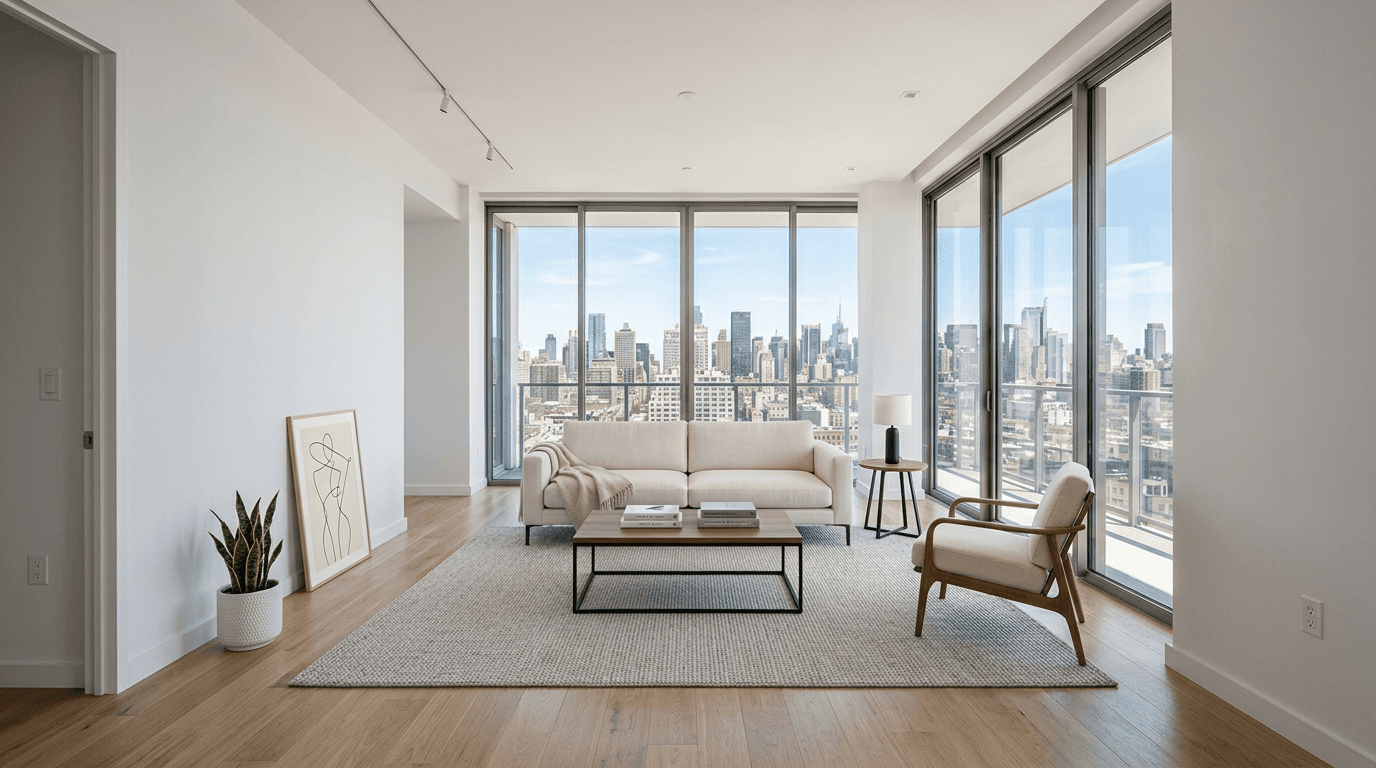
For production builders trying to market multiple floor plans across expanding subdivisions, the traditional model-home playbook is becoming harder to justify. Furnishing and maintaining several physical model homes ties up capital, delays go-to-market timelines, and limits how quickly marketing teams can adapt interiors to different buyer segments, price points, and neighborhood identities. At the same time, vacant spec and inventory homes often underperform because buyers struggle to emotionally connect with empty rooms, scale, and layout possibilities. Virtual staging offers a more flexible, lower-cost, and faster-to-deploy alternative that allows builder marketing teams to merchandise homes visually without repeating the expense of fully furnishing every plan in every community. When implemented strategically, it can function as a scalable digital model-home system that supports online listings, sales center displays, paid advertising, email campaigns, and community websites while preserving brand consistency across the subdivision. This guide explains exactly how subdivision marketing teams can use virtual staging in 2026 to replace or reduce dependence on physical model homes, segment by buyer persona, and turn vacant new construction into persuasive lifestyle-driven marketing assets.
According to recent staging metrics by the National Association of Realtors (NAR), professionally staged properties can significantly increase sales speed and perceived value, accelerating the impact for your specific niche.
Step 1: Build a virtual staging strategy around floor-plan coverage, buyer segments, and community merchandising goals
The most effective virtual staging programs begin long before a designer places a digital sofa in a great room. For subdivision marketing teams, the real objective is not simply to make empty rooms look attractive, but to create a repeatable merchandising system that maps floor plans to buyer demand, community positioning, and sales velocity goals. Start by auditing every active and upcoming plan in the subdivision and categorizing which homes truly need lifestyle visualization to support absorption. Some plans may need broad appeal imagery for first impressions on the website, while others require more targeted staging concepts to help buyers understand flex rooms, lofts, secondary bedrooms, home offices, multigenerational suites, or awkward open-concept layouts. From there, define the primary buyer profiles you are selling to in each community, such as young families, move-down buyers, active adults, investors, or remote-working professionals. This matters because one physical model can only tell one design story at a time, but virtual staging allows the same plan to be presented in several relevant ways without refurnishing anything. A production builder can market a single floor plan as family-friendly in one campaign, executive and contemporary in another, and simplified low-maintenance in a third, all while using the same underlying architecture. Align those use cases with measurable marketing goals, including increased engagement on listings, higher appointment requests, stronger buyer confidence in inventory homes, and reduced dependence on expensive fully furnished models. Once the strategy is documented, marketing, sales, construction, and outside creative vendors can work from a shared framework rather than creating staging assets ad hoc. That strategic alignment is what turns virtual staging from a decorative tactic into a practical subdivision-wide model home alternative.
Action Step
Audit every floor plan and inventory home, identify top buyer segments by community, and create a staging matrix showing which plans need which lifestyle styles and marketing outcomes.
Step 2: Capture the right visual assets so virtual staging looks credible, architectural, and conversion-focused
Virtual staging only works as a model home alternative when the source imagery is strong enough to preserve trust. Builder marketing teams should approach image capture with the same rigor they would apply to professional model-home photography, because poor angles, inconsistent lighting, or incomplete room coverage will weaken the realism and reduce buyer confidence. Begin by prioritizing professionally photographed vacant rooms in completed or near-complete inventory homes, designating a shot list that reflects how buyers actually evaluate new construction online. This should include primary living areas, kitchens, dining spaces, owner’s suites, secondary bedrooms, flex spaces, lofts, covered patios, and any room whose function may be unclear when empty. It is especially important to photograph from angles that communicate circulation, furniture scale, and sightlines to key architectural features such as islands, fireplaces, windows, ceiling treatments, and transitions between open-concept zones. In many cases, marketing teams should also capture short-form video, 3D tours, and clean unstaged stills so they can build layered campaigns that show both the authenticity of the home and the inspiration of the staged version. Accuracy is essential in 2026, because today’s buyers are highly visual and increasingly skeptical of overproduced listing media. Rooms should be complete, clean, and construction-ready before photography begins, with final finishes, lighting, hardware, paint touch-ups, and flooring all installed to avoid digital staging being applied to a home that still appears unfinished. Establish brand-level standards for image dimensions, lens style, color correction, and file naming so assets can be reused across websites, MLS listings, CRM campaigns, paid social ads, and sales-center displays. The better the photography foundation, the more convincing and scalable the virtual staging output will be.
Action Step
Create a standardized photo and media capture checklist for every completed inventory home and floor plan, then schedule professional vacant photography before launch marketing begins.
Step 3: Design staged interiors that reflect real buyer psychology, local demand, and builder brand standards
Once strong source imagery is in place, the next step is to ensure the staged interiors do more than decorate empty rooms—they must actively support buyer imagination and reinforce the builder’s market position. For production builders, this means treating virtual staging as a merchandising discipline, not an aesthetic afterthought. Every staged room should answer a strategic question: who is this home for, how should this space live, and what emotional outcome do we want the buyer to feel? A family-oriented subdivision may benefit from warm, approachable interiors that highlight casual dining, homework-friendly islands, organized entry zones, and flexible secondary bedrooms. A higher-end move-up community may need cleaner lines, more elevated furnishings, restrained luxury cues, and office or wellness-oriented flex spaces that signal aspiration without overwhelming the architecture. In age-targeted or downsizer communities, staging may need to emphasize comfort, simplicity, ease of movement, and entertaining spaces that feel polished but not crowded. The key is consistency with the builder’s brand palette, price point, and finish package so the imagery feels believable rather than generic. Marketing teams should also be intentional about room functionality. Empty bonus rooms and flex spaces often create confusion; thoughtfully staged versions can demonstrate home office use, media lounge use, guest suite use, or hobby use depending on the target audience. Likewise, oversized or narrow rooms become easier to understand when furniture placement clarifies scale and circulation. Avoid the temptation to overfill spaces or use ultra-trendy designs that will date quickly or attract the wrong audience. The strongest virtual staging feels aspirational yet attainable, localized yet brand-consistent, and emotionally compelling without misrepresenting the home. When staged interiors reflect how buyers truly want to live, virtual staging begins to perform the same persuasive role that a physical model home traditionally served.
Action Step
Develop 2 to 3 approved staging style directions tied to your buyer personas, community positioning, and brand standards, then apply them consistently across priority floor plans.
Step 4: Deploy virtual staging across every buyer touchpoint so one digital asset replaces multiple physical model functions
The full value of virtual staging is realized when builder marketing teams stop treating it as a single listing enhancement and instead use it as a cross-channel sales asset that performs many of the same jobs as a furnished model home. In practice, this means integrating staged imagery into the complete buyer journey, from first digital impression to in-person sales conversation. On community websites and floor-plan pages, staged images help prospects understand how layouts live, especially when they are comparing multiple plans or deciding whether a quick move-in home could meet their needs. On MLS listings, third-party portals, and builder inventory pages, staged visuals can dramatically improve click-through behavior and time-on-page because they help vacant homes compete with resale listings that already show furnished living environments. In paid social and display advertising, virtual staging gives marketers the ability to tailor creative by demographic segment, promoting the same floor plan with different interior moods depending on audience targeting. Inside the sales center, staged renderings can be displayed on digital screens, interactive kiosks, and printed leave-behinds so that even communities with no furnished model can still present a rich, lifestyle-oriented story. Sales counselors can use side-by-side vacant and staged visuals to build trust while helping buyers understand scale, furniture placement, and alternative room uses. Email drips, CRM automation, and retargeting campaigns can also feature staged assets tied to homes a lead previously viewed, making follow-up more personalized and persuasive. When virtual staging is systematically distributed across web, advertising, sales, and nurture channels, it functions as a scalable digital model platform that reduces the need to duplicate expensive physical staging across every subdivision and plan type.
Action Step
Map your staged images to every major marketing and sales channel—website, listings, paid ads, CRM, and sales-center presentations—so each asset works far beyond a single property page.
Step 5: Measure performance, refine creative by community, and build a repeatable 2026 operating system
For virtual staging to become a durable alternative to multiple physical model homes, marketing teams need a formal optimization process that ties creative decisions to measurable business outcomes. Start by establishing benchmarks before broad rollout, including listing engagement, website conversion rates, appointment requests, open-house traffic, inventory home days on market, and the rate at which buyers select certain plans after viewing digital merchandising. Once staged assets are deployed, compare performance between unstaged and staged versions where possible, and segment results by floor plan, community, buyer type, and media channel. You may find that family-oriented staging increases engagement in suburban communities while more contemporary styling performs better in infill or higher-price divisions. You may also discover that certain rooms matter more than others; for example, staged great rooms and owner’s suites may influence click behavior more than secondary bedrooms, while flex-room staging may disproportionately increase tour requests because it reduces uncertainty about functionality. Gather feedback not only from analytics platforms but also from online sales consultants, on-site agents, and prospects themselves, since frontline teams often hear objections that digital metrics alone cannot reveal. Use these insights to refine style packages, update underperforming imagery, and prioritize future homes for staging. Over time, document vendor standards, approval workflows, photography protocols, design templates, legal disclosure language, and distribution practices so the process becomes operational rather than experimental. In 2026, the builders who benefit most from virtual staging will be the ones who institutionalize it as part of their go-to-market system, allowing them to launch communities faster, merchandise more plans economically, and adapt visual storytelling to changing buyer demand without the carrying cost of repeated physical model investments.
Action Step
Set up a reporting dashboard that tracks staged-asset performance by plan, community, and channel, then use the results to standardize a repeatable virtual staging workflow across divisions.
Explore More Resources
Conclusion
Virtual staging gives subdivision marketing teams a practical way to reduce dependence on multiple furnished model homes while still delivering the emotional context buyers need to understand and desire a new home. For production builders, its real advantage is scale: one floor plan can be merchandised for different buyer segments, one vacant inventory home can become a compelling lifestyle asset, and one coordinated process can support websites, listings, paid campaigns, sales presentations, and CRM follow-up at a fraction of the cost of repeated physical staging. When supported by a clear strategy, professional photography, buyer-aligned design, cross-channel deployment, and disciplined performance measurement, virtual staging stops being a cosmetic add-on and becomes a true model-home alternative for 2026 and beyond.
Ready to Stage Your First Room?
Join thousands of top real estate professionals who use AI Virtual Staging to instantly transform vacant photos into fully-furnished masterpieces in under 20 seconds.
Start Staging For FreeFrequently Asked Questions
Is virtual staging a realistic replacement for all physical model homes in a subdivision?
For many production builders, virtual staging can replace a significant portion of the merchandising function traditionally handled by physical model homes, especially across secondary plans, quick move-in inventory, and communities where building multiple furnished models is cost-prohibitive. However, whether it replaces all models depends on sales volume, price point, buyer expectations, and the role of the sales center experience. In many cases, the most effective strategy is a hybrid approach: maintain one flagship physical model where needed, and use virtual staging to merchandise the remaining plans and inventory homes at scale.
Will buyers feel misled if they visit a vacant home after seeing virtually staged photos online?
Not if the builder uses virtual staging transparently and responsibly. Best practice is to include both vacant and virtually staged imagery where appropriate and clearly indicate that furnishings are digitally added for visualization purposes. When staging is architecturally accurate and proportionally realistic, it helps buyers understand the home rather than deceiving them. In fact, many buyers appreciate seeing both versions because it allows them to evaluate the actual finishes while also imagining how the space can function.
Which rooms should builder marketing teams prioritize for virtual staging first?
Start with the spaces that most strongly influence buyer understanding and emotional response: great rooms, kitchens, dining areas, owner’s suites, and any flex spaces that may be ambiguous when empty. In production housing, lofts, bonus rooms, home offices, and secondary bedrooms can also be high-value candidates because they help specific buyer types see how the home fits their lifestyle. Prioritization should be based on where staging will reduce confusion, improve perceived livability, and support conversions for the floor plans you most need to sell.
How can virtual staging help market the same floor plan to different buyer demographics?
Virtual staging allows the same architectural shell to be presented with different design narratives tailored to distinct audiences. A plan can be staged as family-centered with kid-friendly bedroom uses and casual gathering spaces, then reimagined for a move-down buyer with a sophisticated office, guest room, and uncluttered entertaining layout. This flexibility helps production builders merchandise one plan in multiple ways without changing construction, refurnishing a model, or maintaining separate physical presentations in every community.
What should production builders measure to know whether virtual staging is working?
Builder marketing teams should track both marketing engagement and downstream sales indicators. Useful metrics include click-through rates on listings and ads, time on page for floor-plan and inventory-home pages, appointment requests, self-guided or in-person tour bookings, lead-to-visit conversion, inventory home absorption, and qualitative feedback from sales teams about buyer reactions. Over time, comparing these results by community, plan, staging style, and channel will reveal which visual strategies are contributing most to stronger performance and lower merchandising costs.
Explore More Guides
Continue building your real estate expertise.
The Step-by-Step Guide to Virtual Staging for Luxury Home Downsizing Consultants
An authoritative 2026 step-by-step guide for luxury home downsizing consultants on using virtual staging to present decluttered outcomes, preserve emotional trust, and market affluent sellers’ large homes with premium visual impact.
The Step-by-Step Guide to Virtual Staging for Boutique Hotel Owners and Operators
An authoritative 2026 step-by-step guide for boutique hotel owners and operators on using virtual staging to market atmosphere, improve listing photography, showcase renovation concepts before completion, and increase direct bookings and investor confidence.
The Step-by-Step Guide to Virtual Staging for Marriage and Family Office Suite Landlords
An authoritative 2026 step-by-step guide for landlords marketing marriage and family office suites with virtual staging, showing how to transform empty medical-adjacent spaces into warm, premium, lease-ready listings for therapists, counselors, and wellness practitioners.
The Step-by-Step Guide to Virtual Staging for Historic Home Preservation Realtors
An authoritative 2026 step-by-step guide for historic home preservation realtors on using virtual staging to market landmarked, heritage, and architecturally significant properties while honoring preservation standards and attracting modern buyers.
The Step-by-Step Guide to Virtual Staging for Master-Planned Community Homebuilder Marketing Teams
An authoritative 2026 step-by-step guide for master-planned community homebuilder marketing teams using virtual staging to scale listings, model promotions, and quick move-in home marketing across multiple floorplans, elevations, and phases.
The Step-by-Step Guide to Virtual Staging for Equine Property Brokers
An authoritative 2026 step-by-step guide for equine property brokers on using virtual staging to market horse farms, equestrian estates, training facilities, and ranch properties with interiors that support premium rural lifestyle positioning and equestrian identity.