
The Step-by-Step Guide to Virtual Staging for Suburban Amenity Campus Apartment Developers
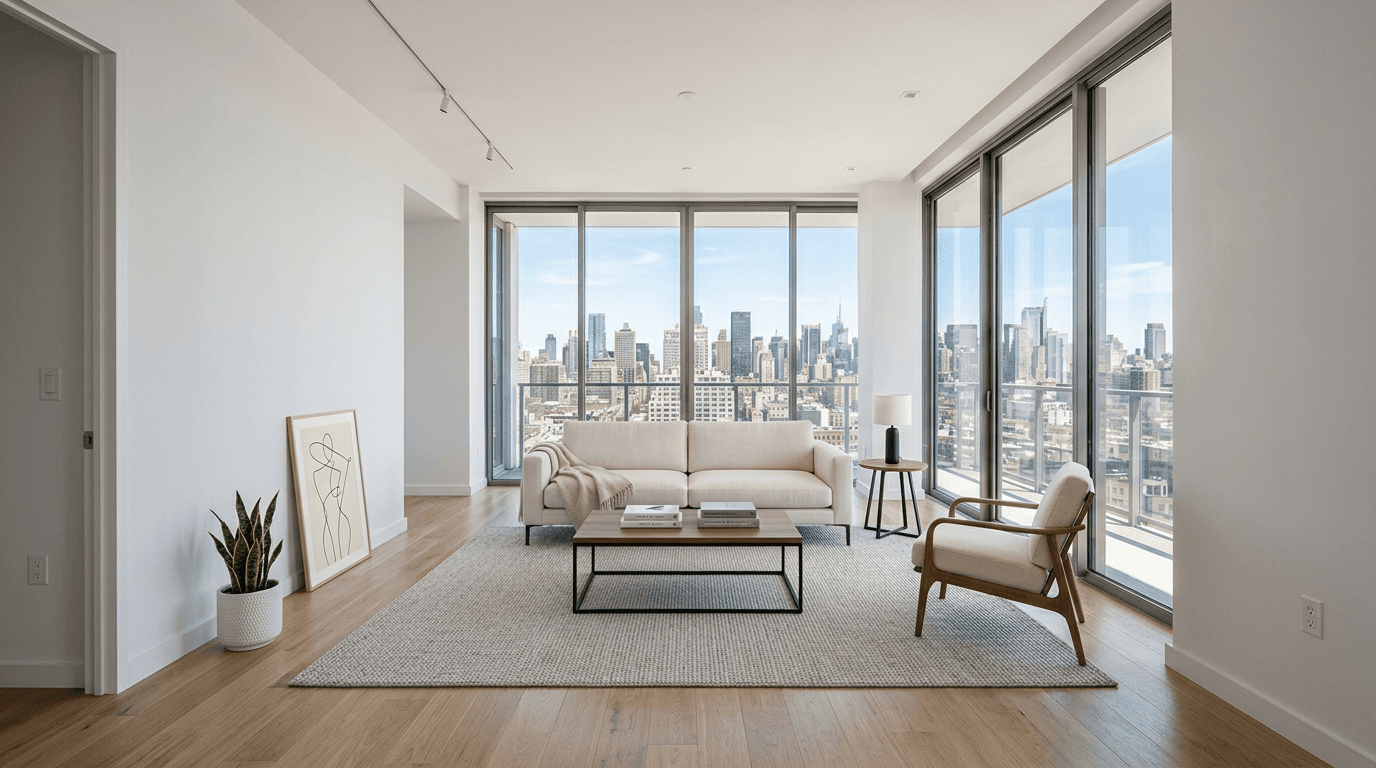
For suburban amenity campus apartment developers, virtual staging is no longer a cosmetic marketing add-on; in 2026, it is a core revenue acceleration tool that helps transform an unfinished site plan into a believable, desirable, and emotionally resonant lifestyle ecosystem. When your project includes coworking lounges, fitness and recovery spaces, family-centric play areas, pet amenities, outdoor gathering zones, and flexible unit mixes, the challenge is not simply showing apartments, but proving how all of those elements work together as a daily living experience before the campus is fully delivered. That is where a disciplined virtual staging strategy creates an advantage. It allows developers to position a community against nearby Class A competition, communicate a differentiated suburban value proposition, and market multiple resident personas at once without building and furnishing every model or amenity area physically. The most successful developers use virtual staging to tell a unified story across units, amenity spaces, lease-up campaigns, investor materials, and digital advertising, ensuring every image supports occupancy goals, pricing power, and brand clarity. This guide outlines exactly how to do that in a structured, strategic way so your visual marketing drives stronger pre-leasing outcomes and sharper market distinction.
According to recent staging metrics by the National Association of Realtors (NAR), professionally staged properties can significantly increase sales speed and perceived value, accelerating the impact for your specific niche.
Step 1: Build a resident-persona and lifestyle-story framework before staging a single image
The most common mistake apartment developers make with virtual staging is treating it as a finishing touch applied after design decisions and renderings are already complete. For suburban amenity campus projects, that approach usually produces attractive but generic visuals that fail to connect the dots between the built environment and the life prospects your future residents are actually buying. Before commissioning any staging work, developers need a clear persona architecture and a corresponding lifestyle narrative for the campus. In practice, that means identifying the primary resident groups most likely to convert in your submarket, such as hybrid professionals seeking productive work-from-home flexibility, young families prioritizing safety and routine convenience, downsizing empty nesters wanting maintenance-free luxury, or dual-income households attracted to wellness and social amenities without urban density. Each persona should have a distinct set of emotional drivers, daily habits, space needs, and amenity priorities. Once defined, these personas should be mapped directly to the physical environments they are most likely to value, including unit types, coworking rooms, fitness studios, children’s spaces, greenways, clubhouses, package areas, pet facilities, and outdoor social zones. This step matters because virtual staging is not just about furniture placement; it is about visual proof of use case. If your team understands that a two-bedroom unit may need to appeal simultaneously to a remote-working parent, a couple planning for a first child, and a relocator comparing your property with another Class A campus nearby, then the staging can be tailored to demonstrate flexibility instead of merely decoration. The result is a more strategic image library where every staged scene reinforces leasing psychology, differentiates the project, and helps prospects imagine themselves in a specific life chapter rather than in an abstract luxury apartment.
Action Step
Define 3 to 5 priority resident personas and map each one to the specific unit types and amenity spaces that should be virtually staged for them.
Step 2: Select the highest-impact spaces to stage and align them to lease-up goals
Once your persona framework is established, the next step is deciding exactly which spaces deserve virtual staging investment and in what order. For suburban amenity campus developers, the answer should never be limited to the obvious hero shots of kitchens and living rooms. Your project’s true market advantage often lies in the breadth and orchestration of amenities, so the staging strategy should prioritize spaces that communicate ecosystem value, not just interior finish quality. Start with the visuals that most directly influence pre-leasing velocity: key unit types, the main clubhouse or social hub, coworking and conference-ready work lounges, wellness areas such as fitness studios or recovery rooms, and family-oriented assets like playrooms, splash pads, lawn spaces, or community event areas. Then consider the connective tissue that makes the campus feel intuitive and complete, including courtyards, pool decks, grilling areas, walking paths, parcel rooms, pet stations, and flexible indoor-outdoor gathering zones. The critical question is not simply whether a space looks good, but whether staging that space reduces uncertainty for a prospect. In a suburban market where nearby Class A competitors may also offer polished finishes, your edge comes from showing how residents move through an entire day on the property: morning coffee before a remote meeting, stroller-friendly pathways in the afternoon, a family dinner by the grills, and evening wellness or social engagement without needing to drive elsewhere. A disciplined staging hierarchy also prevents waste. Rather than producing dozens of disconnected images, developers should identify which scenes support website conversion, paid ad campaigns, broker outreach, investor presentations, signage, and leasing-center displays. This ensures every staged image has a defined job in the sales funnel. By aligning staged spaces to conversion goals instead of aesthetics alone, you create a visual asset portfolio that supports pricing, absorption, and brand positioning with far greater precision.
Action Step
Create a ranked staging list of units and amenities based on which spaces most reduce prospect uncertainty and most directly support pre-leasing and differentiation.
Step 3: Direct the virtual staging to show lived-in function, flexibility, and suburban lifestyle value
After identifying the right spaces, developers must ensure the actual staging direction goes beyond stylish interiors and begins to communicate behavioral realism. In 2026, renters are highly visually literate and increasingly skeptical of overdesigned marketing imagery that looks aspirational but unusable. For suburban amenity campuses in particular, the strongest virtual staging demonstrates not just what a room is, but what that room enables in real life. A coworking lounge should not merely contain desks and pendant lights; it should read as acoustically calm, technologically capable, and varied enough to support private focus, casual laptop work, and quick team collaboration. A two-bedroom apartment should visually signal whether the second room can function as a nursery, home office, guest room, or hybrid flex space. A clubhouse should suggest actual social energy without appearing chaotic, while family amenities should feel safe, practical, and integrated with the overall community aesthetic rather than visually segregated as an afterthought. This is where developers must provide staging teams with explicit guidance around scale, furniture mix, resident cues, lighting mood, and functional intent. Every image should answer a prospect’s silent questions: Can I work here comfortably? Can my children thrive here? Does this feel elevated but still livable? Is there enough flexibility for my household to evolve over the next few years? Importantly, suburban developments should stage around convenience and spaciousness as competitive advantages. Compared with urban properties, your campus often wins by offering room to breathe, easier routines, stronger indoor-outdoor connections, and a fuller daily ecosystem. Those strengths should be visible through thoughtful scene composition, not generic luxury tropes. When virtual staging communicates adaptability, comfort, and realistic use, prospects are far more likely to perceive your development as a place built for their actual lives rather than a temporary showroom fantasy.
Action Step
Issue a detailed creative brief for each image that specifies the intended resident persona, functional use case, emotional tone, and suburban lifestyle advantage to be visualized.
Step 4: Use virtual staging as a multi-channel campaign system, not a one-time rendering exercise
A sophisticated virtual staging program becomes significantly more valuable when it is planned as a reusable campaign system across all marketing and leasing touchpoints. Too often, developers commission a handful of staged images for a website gallery and miss the broader opportunity to build an integrated visual language that supports awareness, consideration, and conversion from groundbreaking through stabilization. For suburban amenity campus projects, this matters because your audience is typically comparing multiple variables at once: rent, commute patterns, school access, amenity quality, household practicality, and long-term lifestyle fit. That means the same underlying staged assets should be adapted strategically across channels based on how prospects encounter the project. Website visitors may need campus-overview scenes and highly informative amenity visuals. Social media audiences may respond better to persona-specific moments that dramatize remote work convenience, family time, or wellness routines. Paid advertising may require cropped variations focused on a single promise, such as a dedicated work lounge or resort-style outdoor space. Leasing presentations and broker packets may benefit from more explanatory staging that highlights adjacency between amenities and unit offerings. Construction fencing, on-site signage, email nurture campaigns, and investor decks can all use staged visuals differently while maintaining a consistent narrative. The objective is to make your future community feel coherent and inevitable long before full completion. Consistency is especially important when you are trying to differentiate from nearby Class A competitors, because fragmentation weakens trust. If one image library suggests sophisticated remote-work living while another emphasizes generic luxury, the market receives a muddled message. By contrast, when virtual staging is managed as a coordinated system with repeated visual themes, persona cues, and lifestyle proof points, your development builds stronger memory, clearer positioning, and more efficient content production. In practical terms, staged assets should be versioned, tagged, and distributed with channel-specific intent so that marketing teams, leasing agents, and external partners all reinforce the same brand story.
Action Step
Turn your staged imagery into a channel-by-channel asset system with tailored versions for web, ads, leasing, signage, email, and investor communications.
Step 5: Measure performance, refine imagery, and evolve the staging strategy through lease-up
The final step, and one that separates high-performing developers from visually impressive but commercially inefficient ones, is to treat virtual staging as an iterative performance tool. Once staged assets are in market, developers should not assume the job is finished. Instead, they should analyze how different visuals affect lead quality, engagement, tour conversion, unit-type demand, and objection patterns during lease-up. For example, if coworking-focused imagery drives unusually strong click-through rates among remote-working households, that may justify expanding staged content around work-life convenience. If family-oriented visuals generate interest but tours reveal confusion about proximity between play areas and residential buildings, then the next image set should clarify that relationship. If one-bedroom units underperform while two-bedroom flex layouts overperform, your staging strategy may need to emphasize adaptability, storage, and secondary room use more aggressively. Leasing teams are a critical source of intelligence here, because they hear the real reasons prospects hesitate or convert. Their feedback should be looped directly into the staging refresh process. Developers should also compare performance by channel, persona, and geography to identify where the imagery is most persuasive. In 2026, this level of optimization is not optional in competitive suburban multifamily markets where visual sameness can erode pricing power. The goal is to let market response sharpen your visual storytelling over time so that your staged assets stay aligned with what prospects actually value. This may include seasonal swaps, updated amenity emphasis, alternate persona versions, or revised messaging around convenience, wellness, or family functionality. When virtual staging is measured and refined throughout lease-up, it becomes a dynamic commercial lever that strengthens absorption and helps the project maintain relevance as market conditions, competition, and renter expectations evolve.
Action Step
Set up a monthly review process that compares staged-image performance with lead, tour, and leasing data, then refresh underperforming visuals based on real prospect feedback.
Explore More Resources
Conclusion
For suburban amenity campus apartment developers, virtual staging works best when it is treated as a strategic leasing and positioning discipline rather than a decorative marketing task. The strongest results come from grounding every image in resident personas, prioritizing the spaces that sell the full lifestyle ecosystem, directing scenes around real function and flexibility, deploying assets consistently across every channel, and refining the visual story based on actual lease-up performance. In a market where prospects must evaluate not only an apartment but an entire way of living before completion, virtual staging gives developers the power to make that future feel tangible, differentiated, and worth choosing over nearby Class A alternatives. When executed with this level of rigor, it does more than fill empty rooms with furniture; it turns your suburban campus into a credible, compelling, and conversion-ready vision of everyday life.
Ready to Stage Your First Room?
Join thousands of top real estate professionals who use AI Virtual Staging to instantly transform vacant photos into fully-furnished masterpieces in under 20 seconds.
Start Staging For FreeFrequently Asked Questions
Why is virtual staging especially important for suburban amenity campus apartment developments?
Because these projects sell more than individual units. They sell a complete lifestyle ecosystem that often includes coworking, wellness, family amenities, outdoor recreation, and social spaces. Virtual staging helps prospects understand how those pieces work together before construction is finished, reducing uncertainty and making the development feel more livable and complete.
How is virtual staging different from architectural rendering for multifamily marketing?
Architectural rendering usually focuses on the design and form of a space, while virtual staging adds believable furnishings, layout logic, and lifestyle cues that help prospects imagine daily use. For developers, renderings show what is being built, but virtual staging helps communicate why that environment will improve a resident’s life.
Which spaces should developers prioritize first for virtual staging?
Developers should start with the spaces that most influence pre-leasing decisions and most clearly differentiate the property, including top-performing unit types, the main social hub, coworking areas, wellness amenities, and family-focused spaces. Priority should be based on conversion impact, not just visual attractiveness.
Can virtual staging help market to multiple resident personas at the same time?
Yes. One of its biggest advantages is the ability to tailor imagery for different households without physically building multiple models. A developer can stage the same floor plan or amenity area in different ways to appeal to hybrid professionals, families, downsizers, or other target groups while maintaining a cohesive brand identity.
How should developers measure whether virtual staging is actually working?
They should track performance metrics such as click-through rates, time on page, inquiry volume, tour bookings, lead-to-lease conversion, and feedback from leasing teams. Comparing which staged images perform best by channel, unit type, and persona gives developers practical insight into what visuals are driving real leasing outcomes.
Explore More Guides
Continue building your real estate expertise.
The Step-by-Step Guide to Virtual Staging for Institutional Single-Family Rental Leasing Teams
An authoritative 2026 step-by-step guide for institutional single-family rental leasing teams on using virtual staging to standardize listing presentation, speed vacancy turnaround, improve portfolio-wide visual quality, and support faster leasing across scattered-site homes.
The Step-by-Step Guide to Virtual Staging for Medical Office Building Leasing Teams
An authoritative 2026 step-by-step guide for medical office building leasing teams on using virtual staging to market vacant suites, clarify layout potential, and help healthcare tenants envision exam rooms, reception areas, and administrative zones.
The Step-by-Step Guide to Virtual Staging for Corporate Housing Relocation Firms
An authoritative 2026 step-by-step guide for corporate housing relocation firms on using virtual staging to standardize listings, accelerate approvals, and present furnished temporary housing for executives, families, consultants, and healthcare travelers across changing markets.
The Step-by-Step Guide to Virtual Staging for Resident Retention Marketing for Multifamily Operators
An authoritative step-by-step guide for multifamily operators on using virtual staging to improve resident retention, support renewal campaigns, drive internal transfers, and justify upgraded unit rent premiums in 2026.
The Step-by-Step Guide to Virtual Staging for Farm and Ranch Auction Marketing Firms
Learn how farm and ranch auction marketing firms can use virtual staging to elevate rural property presentation, accelerate pre-auction marketing, and inspire higher bidder confidence for agricultural estates, ranch houses, hunting lodges, and rural residential compounds in 2026.
The Step-by-Step Guide to Virtual Staging for Mixed-Use Retail Residential Lease-Up Teams
An authoritative 2026 step-by-step guide for mixed-use retail residential lease-up teams on using virtual staging to lease apartments, condos, and street-level commercial space faster by selling lifestyle, placemaking, and neighborhood vibrancy before full tenancy is in place.