
The Step-by-Step Guide to Virtual Staging for Waterfront Dock-Access Home Listing Specialists
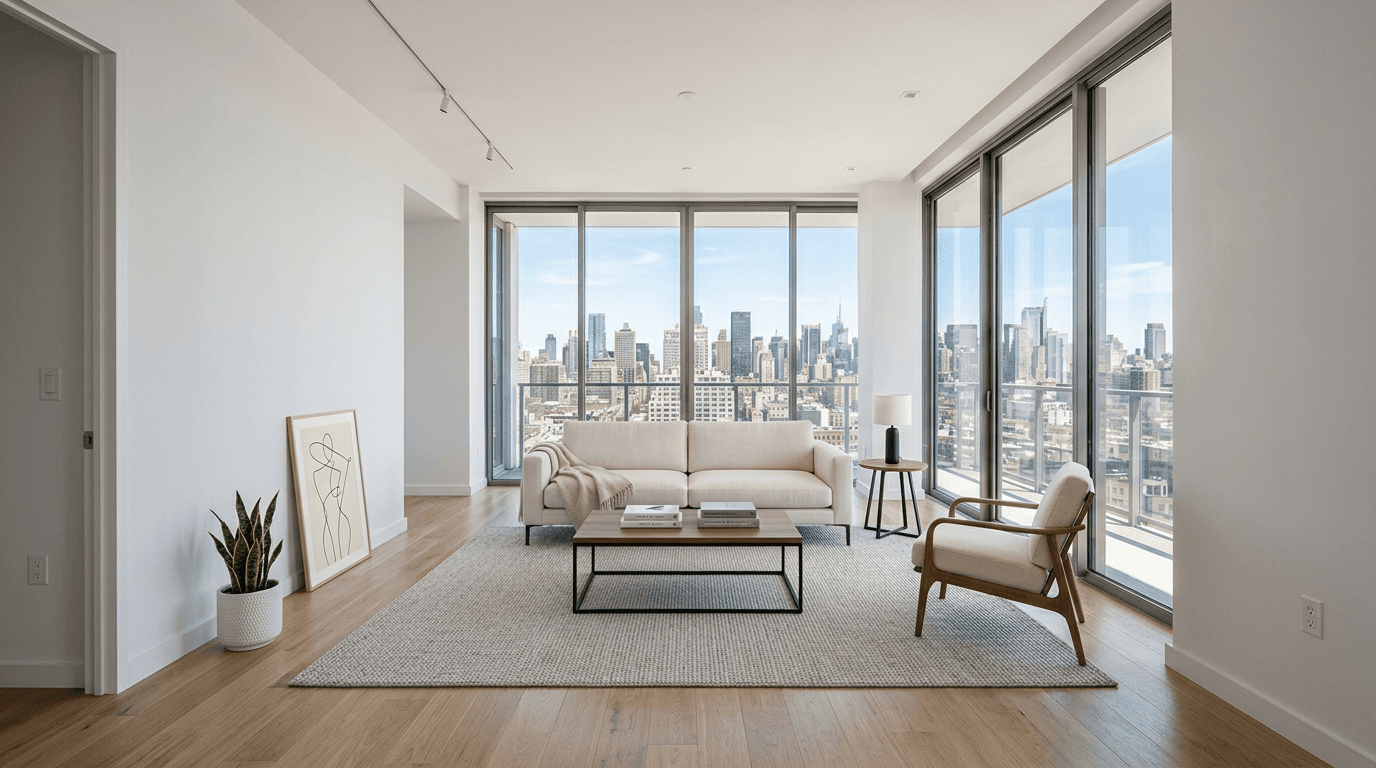
Virtual staging is no longer a generic visual upgrade for waterfront listings; in 2026, it is a strategic positioning tool that helps dock-access home specialists translate outdoor value into interior desirability. Agents marketing canal homes, boating-oriented single-family residences, and practical waterfront properties know the recurring problem: the dock, seawall, boat lift, and navigable water sell the dream instantly, but once buyers move inside, the story often weakens. Empty rooms near the rear elevation can look oddly shaped, overexposed, or disconnected from the water, and transitional spaces that should reinforce a boating lifestyle often read as wasted square footage in listing photos. That disconnect suppresses emotional engagement, lowers perceived utility, and can make a well-located home feel less compelling than it actually is. The most effective virtual staging strategy solves that gap by showing buyers how interiors support real waterfront living, from gear drop zones and entertaining areas to flexible rooms that complement dock access and weekend boating routines. This guide is built specifically for listing specialists and marketing teams working outside the ultra-luxury tier, where every image must justify value, broaden appeal, and help buyers instantly understand how the house lives in relation to the water.
According to recent staging metrics by the National Association of Realtors (NAR), professionally staged properties can significantly increase sales speed and perceived value, accelerating the impact for your specific niche.
Step 1: Start with the waterfront lifestyle narrative before you stage a single room
The biggest mistake waterfront listing specialists make with virtual staging is treating it like a cosmetic afterthought instead of a narrative decision. For dock-access homes, the interior must explain the lifestyle value created by the exterior assets, because buyers are not simply evaluating bedrooms and square footage; they are evaluating whether the house supports the routines, convenience, and emotional payoff of owning on the water. Before selecting furniture, colors, or room functions, define the specific lifestyle story the property should communicate. Is this home best positioned as a practical boater’s primary residence with efficient indoor-outdoor flow, a weekend retreat designed around entertaining after time on the water, or a family-friendly canal-front property where storage, flexibility, and easy cleanup matter as much as scenic views? That positioning determines what each key room should visually say. A rear family room may need to read as an airy gathering space oriented toward sunset canal views, while a side room near the dock entry may be better staged as a polished multipurpose zone that implies tackle storage, beverage service, or post-boating transition space without becoming overly niche. The goal is not to decorate for decoration’s sake, but to remove ambiguity from the buyer’s interpretation of the floor plan. In practical terms, this means reviewing the home’s photos and layout to identify where buyer confusion is likely to occur, especially in long narrow rooms, empty corners by sliding glass doors, and spaces with strong outdoor views but weak interior identity. Virtual staging should assign purpose to those rooms in a way that feels natural to broad-market waterfront buyers while still reflecting the boating-oriented advantages that make dock-access property special. When the narrative is established first, the staged imagery becomes more persuasive because it is not merely attractive; it is strategically aligned with how buyers imagine themselves living there.
Action Step
Define the property’s core waterfront lifestyle angle and assign a clear use-case to every major interior photo before ordering any virtual staging.
Step 2: Choose rooms and camera angles that connect the dock, water, and interior flow
Successful virtual staging for canal homes depends just as much on photo selection as on the design itself, because the best results come from images that visually connect the home’s interior to its boating access and outdoor advantages. Many waterfront listings underperform because agents upload a standard set of empty room photos without considering whether those angles actually help buyers understand how the property works. In dock-access residences, that oversight is costly. Rooms facing the canal, spaces adjacent to lanai doors, breakfast areas overlooking the seawall, and transitional zones between the back entry and living area often carry more marketing weight than a technically larger but less relevant room shown from a poor angle. When planning virtual staging, prioritize photographs that preserve sightlines to the water, dock, boat lift, pool, patio, or other exterior features that reinforce the home’s value proposition. A staged image should never bury the reason the buyer clicked on the listing in the first place. Instead, it should organize the interior around that premium asset so that buyers perceive the room and the water view as part of one cohesive living experience. This requires attention to composition: furniture scale should support openness, focal points should not compete with glass doors or view corridors, and camera angles should make circulation patterns feel intuitive rather than cramped. For awkward layouts, the answer is not to force overly ambitious staging into every frame, but to select the view that best clarifies function and flow. A modest dining area with a clear line to the dock may be more valuable than a wider shot that introduces visual confusion. Especially in non-ultra-luxury segments, buyers want to understand livability, maintenance practicality, and everyday enjoyment. The strongest staged photos show how someone comes in from the boat, hosts friends, relaxes with a water view, or uses adjacent rooms in a way that feels easy and believable. When angle selection and virtual staging work together, the listing stops feeling like a collection of separate images and starts reading like a coherent waterfront home experience.
Action Step
Audit your current photo set and identify the interior images that best preserve water-facing sightlines, dock adjacency, and natural indoor-outdoor flow.
Step 3: Stage for broad-market waterfront buyers, not an overly stylized fantasy
One of the most important disciplines in waterfront virtual staging is resisting the temptation to over-theme the home around boating or coastal decor. Listing specialists often know the lifestyle so well that they unintentionally narrow the appeal by leaning too heavily into nautical clichés, oversized statement pieces, or luxury cues that exceed the property’s actual price bracket. For canal homes and dock-access single-family listings outside ultra-luxury segments, the best-performing virtual staging is aspirational but grounded. Buyers should feel the boating lifestyle, but they should also see a home that appears attainable, functional, and proportionate to the neighborhood. This means selecting furnishings that suggest durability, comfort, and everyday waterfront use rather than creating a resort set that feels disconnected from reality. A clean-lined sectional oriented toward water views, a dining setup that implies casual entertaining after a day on the boat, or a flexible secondary room staged as an office-guest hybrid can all reinforce the listing’s strengths more effectively than decorative anchors, ship wheels, or overtly themed accessories. The same principle applies to color palette and material tone. Light, warm neutrals with restrained blues, sea-glass accents, natural woods, and textured textiles can echo the waterfront setting without overpowering it, while also helping bright Florida-style or coastal light read cleanly in photos. Good virtual staging should also account for how waterfront homes are actually used. Rooms near exterior entries may benefit from layouts that imply drop space and movement, while open-concept areas should be staged to show conversation zones and practical traffic paths. The strongest images communicate that the home can support spontaneous dockside living, family routines, and relaxed entertaining without requiring a major imagination leap from the buyer. In 2026, credibility is a ranking factor in buyer response just as much as beauty, because consumers have become more visually sophisticated and quicker to distrust staged images that feel excessive or artificial. The job is not to impress with extravagance; it is to make the property’s real-world waterfront appeal impossible to miss.
Action Step
Approve a staging direction that feels coastal and boating-aware but remains realistic, proportionate, and aligned with the home’s true buyer profile and price point.
Step 4: Use virtual staging to solve awkward waterfront layouts and clarify room purpose
Waterfront homes frequently present layout challenges that standard suburban staging logic does not solve well, which is exactly why virtual staging can be so powerful when used strategically. Rear-facing rooms may have unusual dimensions because of view-oriented architecture, narrow lots, patio expansions, or door placements designed to prioritize dock access over textbook furniture arrangement. Empty, these spaces often photograph as confusing or undersized even when they are perfectly useful in real life. Buyers scrolling quickly through listing photos do not spend time generously interpreting awkward geometry; they make immediate assumptions about function, scale, and livability. Your role as a listing specialist is to use virtual staging to answer those concerns before they become objections. That begins with identifying the spaces most likely to underperform visually: long living rooms with multiple sliders, breakfast nooks squeezed near outdoor circulation paths, bonus rooms by the back entry, and primary bedrooms where view orientation disrupts obvious bed placement. Rather than forcing traditional room setups, use staging to demonstrate the smartest possible use of space based on the home’s actual architecture and waterfront rhythm. A narrow rear room might perform better as a conversational seating area with swivel chairs aimed toward both the water and the interior, while a transitional area near the lanai may be better staged as a compact dining zone or refined flex space that suggests beverage service, reading, or work-from-home versatility. This is also the step where scale discipline matters immensely. Oversized furnishings can make waterfront rooms feel blocked and impractical, especially when access to doors and views is central to the home’s appeal. Conversely, furniture that is too sparse can fail to solve the buyer’s uncertainty about room purpose. The best virtual staging strikes a middle ground: enough substance to define use, enough breathing room to preserve openness and movement. When done well, awkward waterfront interiors stop looking like liabilities and start appearing intentional, efficient, and tailored to how buyers actually want to live near the water.
Action Step
Identify the 2 to 4 interior spaces that feel awkward when empty and use virtual staging specifically to define their function, scale, and circulation.
Step 5: Integrate staged images into a full listing marketing system that converts attention into showings
Virtual staging creates the most value when it is treated as one component of an integrated waterfront marketing system rather than a standalone visual enhancement. Once your staged images are complete, the next step is to deploy them in a way that reinforces the same lifestyle message across the MLS, listing descriptions, property websites, social campaigns, email promotion, and showing preparation. Too many listings lose momentum because the photos suggest one story while the written copy and agent remarks default to generic real estate language. For dock-access homes, every marketing touchpoint should support the same conclusion: this property does not merely have water behind it; it offers a functional, enjoyable boating-centered way of living, and the interior spaces are designed to support that experience. That means pairing staged photos with copy that explains how rooms relate to dock use, entertaining, storage flexibility, water views, and daily movement through the home. It also means being transparent and professional about the use of virtual staging, especially in 2026, when buyers and platforms expect clear disclosure. Proper disclosure protects credibility while still allowing the staged images to do their persuasive work. Beyond the listing itself, think about sequencing. Lead social and email promotion with the image that best fuses interior livability and waterfront value, not simply the most generic pretty room. Use carousel posts or short-form listing videos to show how the home transitions from canal-facing exterior to staged interior gathering spaces. During showings, make sure the physical home reflects the promise of the staged images as closely as possible through cleanliness, lighting, and room access. The conversion advantage comes from consistency: when buyers see a believable visual story online and then experience a home that confirms that story in person, confidence rises and friction drops. In competitive waterfront markets outside the ultra-luxury tier, that alignment can be the difference between passive interest and a serious showing request.
Action Step
Publish staged images with matching waterfront-focused copy, proper disclosure, and cross-channel promotion that tells one consistent story from MLS to showing.
Explore More Resources
Conclusion
Virtual staging works best for waterfront dock-access listings when it is used to translate exterior desirability into interior clarity. For canal homes and boating-centric residences, buyers already understand the appeal of navigable water, a seawall, or a private dock; the challenge is proving that the inside of the home supports that lifestyle in a practical, attractive, and emotionally convincing way. By defining a clear lifestyle narrative, selecting the right angles, staging for realistic buyer expectations, solving awkward layouts, and integrating the visuals into a broader marketing system, listing specialists can turn underwhelming interior photos into persuasive selling assets. In 2026, the winning approach is not excessive styling but strategic visual communication that helps buyers instantly understand how the home lives. When done well, virtual staging increases perceived usability, strengthens value presentation, and helps waterfront listings generate more engagement, better showings, and faster buyer connection.
Ready to Stage Your First Room?
Join thousands of top real estate professionals who use AI Virtual Staging to instantly transform vacant photos into fully-furnished masterpieces in under 20 seconds.
Start Staging For FreeFrequently Asked Questions
Why is virtual staging especially valuable for dock-access and canal-front homes?
Because the outdoor appeal of these properties is usually immediate, while the interiors often require more interpretation. Virtual staging helps connect the boating lifestyle to the indoor spaces, showing buyers how living rooms, dining areas, flex rooms, and rear-facing spaces support entertaining, water views, and day-to-day dock use.
Which rooms should waterfront listing specialists prioritize for virtual staging?
Start with the rooms that are most visible in the buyer journey and most connected to the water-facing side of the home, such as the main living area, dining space, primary bedroom, and any awkward room near the lanai, patio, or dock-side entry. Prioritize spaces that feel confusing or empty in photos but have strong potential when visually defined.
Should virtual staging for boating-oriented homes use heavy nautical decor?
Usually no. Broad-market buyers respond better to subtle coastal cues and realistic furniture plans than to overt themed decor. The goal is to suggest a refined waterfront lifestyle without making the home feel gimmicky, overly stylized, or narrower in appeal than it should be.
How should agents disclose virtual staging in 2026?
Agents should clearly note when photos have been virtually staged in accordance with MLS rules, brokerage policy, and advertising standards in their market. Disclosure supports credibility and reduces confusion while still allowing the images to communicate layout, scale, and lifestyle potential effectively.
Can virtual staging help if the waterfront home has an awkward layout or small interior rooms?
Yes. In fact, that is one of its strongest uses. Well-planned virtual staging can demonstrate furniture scale, traffic flow, and room purpose in a way that helps buyers understand how an unusual or compact waterfront floor plan can function comfortably in real life.
Explore More Guides
Continue building your real estate expertise.
The Step-by-Step Guide to Virtual Staging for Multifamily Value-Add Renovation Lease-Up Teams
An authoritative 2026 step-by-step guide for multifamily value-add renovation lease-up teams on using virtual staging to accelerate absorption, market renovated units effectively during phased turns, differentiate classic versus upgraded inventory, and help renters visualize finished outcomes.
The Step-by-Step Guide to Virtual Staging for Special Needs Housing Development Teams
An authoritative 2026 step-by-step guide for special needs housing development teams on using virtual staging to present accessible, dignified, warm, and trust-building supportive housing to families, funders, and community stakeholders.
The Step-by-Step Guide to Virtual Staging for Brownfield Townhome Redevelopment Marketers
An authoritative 2026 step-by-step guide for brownfield townhome redevelopment marketers on using virtual staging to overcome site stigma, help pre-construction buyers visualize finished interiors, standardize repetitive unit plans, and improve conversion from land story to lifestyle sale.
The Step-by-Step Guide to Virtual Staging for Luxury Urban Penthouse Rental Operators
An authoritative 2026 step-by-step guide for luxury urban penthouse rental operators using virtual staging to justify premium rents, craft bespoke visual narratives, and market expansive empty spaces with precision.
The Step-by-Step Guide to Virtual Staging for Retirement Destination Second-Home Brokerages
An authoritative 2026 step-by-step guide for retirement destination second-home brokerages on using virtual staging to market lock-and-leave condos, villas, and low-maintenance homes to remote, retirement-age buyers with aspirational, comfort-driven visuals.
The Step-by-Step Guide to Virtual Staging for Luxury Retreat Center Real Estate Owners
An authoritative 2026 step-by-step guide to using virtual staging for luxury retreat center real estate, helping owners market serenity, exclusivity, multi-use spaces, event potential, and premium estate value through strategic visual storytelling.