
The Step-by-Step Guide to Virtual Staging for Luxury Lakehouse Portfolio Brokerages
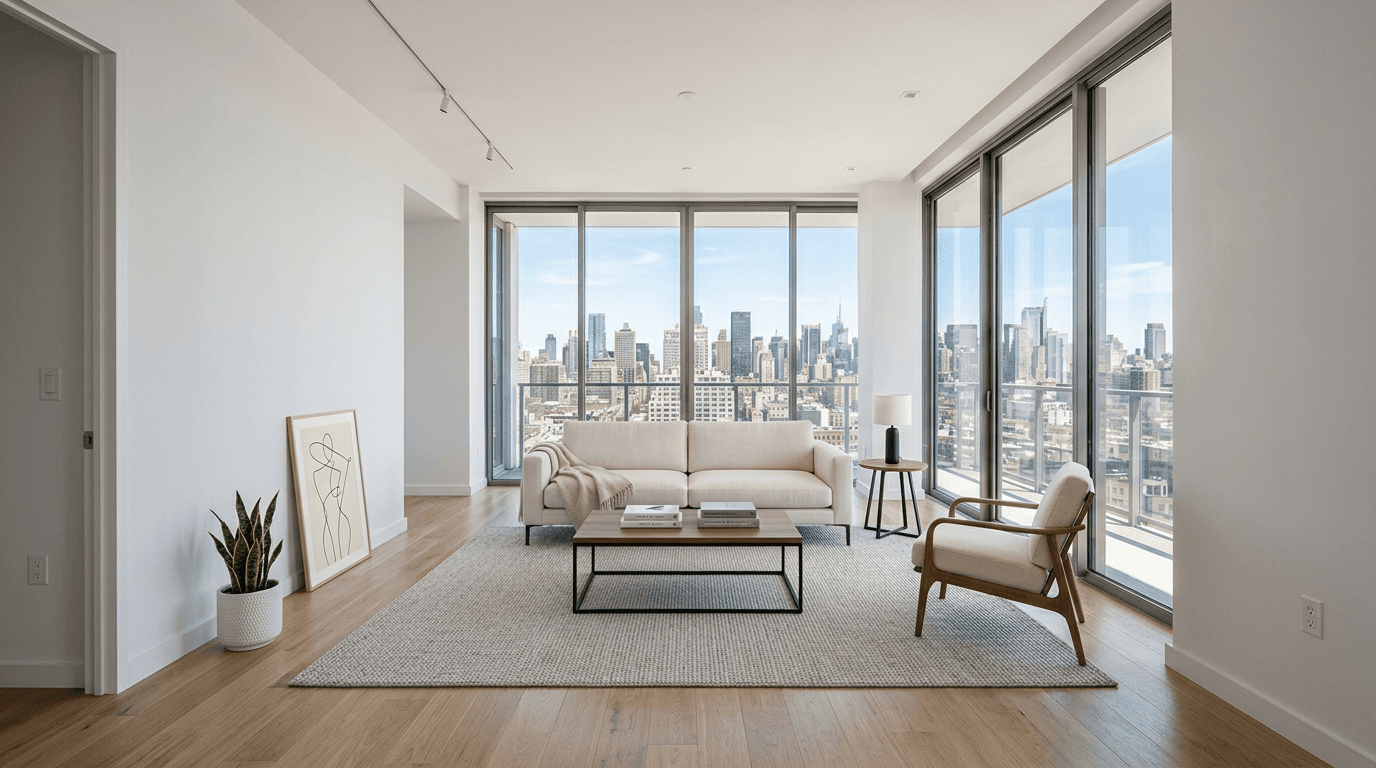
For luxury lakehouse portfolio brokerages, virtual staging is no longer a cosmetic add-on; it is a strategic merchandising system that directly influences how affluent buyers interpret lifestyle, value, and readiness across an entire collection of high-end waterfront homes. In this niche, the usual listing challenges are amplified: seasonal weather can make even extraordinary properties appear gray, dormant, or inaccessible; vacant interiors often photograph as cold and disproportionately large rather than elegant; and second-home buyers rarely purchase square footage alone, because they are actually buying a narrative about entertaining, family legacy, wellness, flexibility, and remote work by the water. That means your brokerage must do more than make rooms look furnished. It must translate each property into an aspirational yet credible lakefront life story while preserving architectural truth, local character, and portfolio-level brand consistency. The brokerages that do this best in 2026 use virtual staging to reduce visual friction, clarify room purpose, and position each listing for the exact buyer segment most likely to act. When applied with discipline, virtual staging helps your team overcome off-season imagery, increase engagement on vacant listings, and showcase how a lakehouse serves everyone from weekend hosts to multigenerational owners seeking a refined retreat with year-round functionality.
According to recent staging metrics by the National Association of Realtors (NAR), professionally staged properties can significantly increase sales speed and perceived value, accelerating the impact for your specific niche.
Step 1: Start with a portfolio-wide virtual staging strategy instead of treating each lakehouse as a standalone listing
The most effective luxury lakehouse portfolio brokerages begin by recognizing that virtual staging should serve a portfolio strategy before it serves an individual property. If every listing is staged in isolation, the result is often inconsistent quality, mixed aesthetic cues, and a fragmented buyer experience that weakens brokerage authority. Upscale lakefront buyers do not simply browse one home at a time; they compare multiple properties across shoreline type, dock access, architectural style, guest capacity, privacy, and four-season usability. Your virtual staging approach therefore needs a standardized framework that clarifies how each listing will communicate lifestyle, room function, and buyer fit while still respecting the uniqueness of the home. In practice, that means defining staging categories across the portfolio, such as legacy family compounds, sleek modern retreats, entertainer-focused properties, and refined work-from-lake residences. Once those categories exist, your brokerage can establish visual rules for furnishings, color palettes, lighting mood, and styling intensity so that every image feels elevated and market-aware without appearing artificial or generic. This matters even more in seasonal markets, where exteriors may fluctuate dramatically depending on whether the listing was photographed in summer sunlight, autumn foliage, or late-winter stillness. A portfolio-wide strategy lets you compensate for those differences by ensuring the interiors consistently project warmth, purpose, and luxury. It also gives agents and marketing teams a repeatable decision-making process for determining which rooms should be staged, what story each room should tell, and how the final imagery should support pricing, positioning, and lead generation. When buyers perceive that your brokerage presents lakefront living with precision rather than improvisation, the entire portfolio gains credibility and competitive distinction.
Action Step
Create a brokerage-wide virtual staging playbook that defines buyer personas, lifestyle themes, room priorities, and visual standards for every category of luxury lakehouse listing in your portfolio.
Step 2: Select rooms and lifestyle narratives that solve buyer imagination gaps unique to second-home lakefront properties
In luxury lakehouse marketing, the central job of virtual staging is not merely to decorate space but to eliminate ambiguity for buyers who are trying to understand how a second home will actually function in real life. That is especially important in vacant listings, where impressive architecture can still feel emotionally flat online if the rooms lack context. Your brokerage should therefore identify the spaces where affluent buyers most often hesitate and use virtual staging to answer those questions with visual clarity. Great rooms need to read as gathering spaces capable of hosting elegant but comfortable entertaining after a day on the water. Dining areas should suggest memorable holiday meals, milestone celebrations, and casual summer evenings with extended family. Nooks, lofts, or bonus rooms should often be staged to show either a sophisticated remote work setup or a flexible lounge that supports quiet retreat, because today’s second-home buyers routinely evaluate whether the property can support longer stays and hybrid living. Bunk rooms, guest suites, and lower-level recreation areas should help buyers picture multigenerational use without making the home feel crowded or overly themed. The key is to stage for probable use, not decorative fantasy. Every furniture placement, material choice, and accessory should reinforce the architecture, view corridors, and likely buyer motivation. For example, a wall of windows facing the lake should remain visually dominant, with furnishings arranged to celebrate the view rather than compete with it. Similarly, a stone fireplace or vaulted timber ceiling should anchor the room’s identity, while staging elements simply translate that character into a believable lifestyle. By choosing rooms based on buyer psychology rather than square footage alone, your brokerage turns virtual staging into a decision-support tool that helps prospects understand not just what the home is, but why it fits their future patterns of relaxation, hosting, work, and family use.
Action Step
Audit each listing and identify the top three rooms where buyers most need help visualizing entertaining, remote work, or multigenerational living, then stage those spaces first.
Step 3: Use design direction that matches luxury lakefront architecture, local market expectations, and the season shown in the original photography
One of the fastest ways to undermine trust in luxury virtual staging is to apply a design style that ignores the home’s architecture, the regional lakefront market, or the season visible through the windows. Sophisticated buyers notice these inconsistencies immediately, even if they cannot articulate them in technical terms. A contemporary glass-and-steel waterfront residence should not be staged like a rustic lodge, and a shingle-style legacy lakehouse should not be filled with furniture that feels urban and detached from the setting. Your brokerage needs a disciplined design direction process that starts with the home’s bones: ceiling height, millwork profile, flooring tone, natural light, view orientation, fireplace materials, and the relationship between interior spaces and outdoor entertaining areas. From there, staging should reflect the expectations of your specific luxury lake market, whether that means understated organic modernism, polished coastal-lake transitional design, or a more classic clubby aesthetic suited to established second-home communities. Just as important is seasonal coherence. If the photography was captured in late fall, your staging should not imply midsummer through inappropriate color temperatures, styling cues, or exterior-adjacent visual contradictions. Instead, use layered textiles, warm neutrals, and subtle seasonal realism to create invitation and comfort without falsifying the property. In 2026, buyers are highly image-literate and increasingly skeptical of visual manipulation, so credibility is a ranking factor in both marketing performance and conversion quality. The staging should elevate the rooms while preserving architectural truth, scale, and proportion. Luxury is best communicated through restraint, intentionality, and editorial polish rather than excess decor. When your brokerage aligns style, market taste, and seasonal reality, virtual staging becomes a sophisticated extension of property branding rather than a distracting overlay that raises doubts.
Action Step
Develop a design brief for every staged listing that documents architectural style, local luxury buyer expectations, and seasonal cues so the final imagery feels cohesive and credible.
Step 4: Integrate virtual staging into listing media, brokerage branding, and digital conversion strategy to maximize lead quality
Virtual staging delivers its highest return when it is not confined to the MLS photo gallery but integrated across the full marketing ecosystem that shapes buyer perception and inquiry behavior. For luxury lakehouse portfolio brokerages, this means the staged imagery must work as part of a larger brand and conversion system rather than acting as isolated visual enhancement. Begin with the listing page itself, where staged hero images should immediately communicate the property’s strongest lifestyle promise, whether that is lakeview entertaining, serene work-from-retreat living, or effortless hosting for extended family. From there, use staged and unstaged image sequencing thoughtfully so buyers understand both the potential and the underlying architecture. On brokerage websites, portfolio pages should group visually similar properties in a way that reinforces your firm’s curatorial expertise, while property descriptions should echo the exact use cases shown in the staging. Social media campaigns can then extract those narratives into highly targeted creative themes, such as “summer entertaining by the water,” “executive lake escape,” or “grandparent-friendly gathering spaces,” allowing your team to speak more directly to segmented buyer intent. Email campaigns, digital brochures, and retargeting ads should all feature the same staged visual language so the listing remains memorable across channels. Just as importantly, your agents need talking points that align with the staged scenes, because a buyer inquiry generated by imagery must be met with a consistent verbal story about layout, lifestyle, and value. When staging is connected to brand positioning, ad creative, listing copy, and follow-up conversations, it improves not only click-through performance but also lead quality, because prospects arrive with a clearer understanding of how the home fits their needs. In a competitive second-home market, that clarity shortens the gap between browsing and serious engagement.
Action Step
Map each staged image to its use across MLS, website, social, email, brochures, and agent follow-up so your brokerage presents one consistent, conversion-focused story.
Step 5: Measure performance, refine standards, and build a repeatable 2026 operating system for luxury virtual staging at scale
The brokerages that gain a lasting advantage from virtual staging are not the ones that use it occasionally; they are the ones that operationalize it, measure it, and improve it over time. Because you represent a portfolio of upscale lakefront homes rather than a single listing type, your team should treat virtual staging as a measurable merchandising discipline with clear inputs, outputs, and benchmarks. Start by tracking listing engagement metrics before and after staging, including time on page, save rates, showing requests, email click behavior, and inquiry quality. For high-value properties, it is particularly useful to assess whether staging changes the nature of buyer questions, because stronger imagery often shifts conversations away from basic room confusion and toward meaningful topics such as dock usability, guest accommodations, renovation scope, and seasonal lifestyle fit. You should also review performance by room type and narrative, asking whether staged home offices attract more engagement in certain feeder markets, or whether multigenerational visual concepts resonate more strongly for larger compounds. At the operational level, document preferred vendors, image turnaround expectations, disclosure standards, revision protocols, and approval workflows so your agents are not reinventing the process for every listing. In 2026, efficiency matters because the speed of digital merchandising often influences how quickly a property gains traction, especially when a listing goes live during a suboptimal season. Over time, your brokerage can build a proprietary knowledge base around what styles, room stories, and seasonal treatments perform best across your lake markets. That creates compounding value: better visuals, faster launches, stronger brand consistency, and more informed listing consultations with sellers. Ultimately, measurement transforms virtual staging from a marketing expense into a repeatable system for improving presentation quality and buyer readiness across the entire portfolio.
Action Step
Implement a brokerage dashboard that tracks staged listing performance, room-level engagement, vendor consistency, and lead quality so you can refine your virtual staging system continuously.
Explore More Resources
Conclusion
For luxury lakehouse portfolio brokerages, virtual staging works best when it is treated as a strategic merchandising framework rather than a simple visual upgrade. By standardizing your approach across the portfolio, prioritizing the rooms where buyers need imagination support, aligning design with architecture and season, integrating staged imagery into every marketing channel, and measuring results over time, your brokerage can present upscale lakefront homes with greater clarity, consistency, and persuasive power. In a market where buyers are evaluating not only beauty but also flexibility for entertaining, remote work, and multigenerational living, the right virtual staging strategy helps each listing communicate a complete and credible lifestyle. Done well, it elevates vacant spaces, offsets seasonal disadvantages, strengthens brokerage branding, and ultimately attracts more qualified buyers who can see themselves owning the experience your lakefront properties promise.
Ready to Stage Your First Room?
Join thousands of top real estate professionals who use AI Virtual Staging to instantly transform vacant photos into fully-furnished masterpieces in under 20 seconds.
Start Staging For FreeFrequently Asked Questions
Is virtual staging appropriate for ultra-luxury lakefront homes, or can it make them feel less authentic?
Virtual staging is highly appropriate for ultra-luxury lakefront homes when it is executed with architectural accuracy, restrained design judgment, and clear disclosure. The problem is not the tool itself but the quality of the application. In luxury markets, staging should clarify scale, function, and lifestyle without overpowering original features or misrepresenting the property. When furnishings match the home’s architecture and the imagery remains realistic, virtual staging can increase authenticity by helping buyers understand how extraordinary spaces are actually meant to be used.
Which rooms should a luxury lakehouse brokerage stage first?
The highest-priority rooms are typically the great room, primary living area, dining space, and any flexible room that can demonstrate either remote work or multigenerational use. These are the spaces where buyers most often need help understanding flow, view orientation, and day-to-day lifestyle. For larger properties, guest suites, bunk rooms, and lower-level entertainment areas can also be valuable because they show how the home supports hosting and family gatherings, which are major purchase drivers in the second-home category.
How should brokerages handle seasonal photography when a lakehouse is listed in the off-season?
Brokerages should use virtual staging to warm and clarify interiors while keeping the seasonal context honest. If the home was photographed in winter or late fall, the staging should feel inviting and refined without pretending the exterior is in peak summer condition. Focus on interior cohesion, believable lighting, and lifestyle cues that reinforce year-round comfort. If needed, pair virtual staging with a plan to update exterior imagery later, but do not create misleading visual contradictions that could damage trust with serious buyers.
Do brokerages need to disclose that images are virtually staged?
Yes. Disclosure is the best practice and, in many markets and platforms, an essential compliance safeguard. Luxury buyers expect transparency, and clear disclosure protects both the brokerage and the seller from confusion about what is physically present in the home. The goal of virtual staging is to illustrate potential, not to deceive. When disclosed properly, it enhances understanding while preserving trust, which is especially important in high-value transactions.
How can a brokerage tell whether virtual staging is actually improving results?
The strongest indicators include increased listing engagement, longer time on page, higher save and share rates, more qualified showing requests, and more specific buyer inquiries about lifestyle use rather than basic room confusion. Brokerages should compare pre- and post-staging performance when possible and evaluate which room narratives produce the best response. Over time, a structured review of engagement metrics, lead quality, and agent feedback will reveal whether virtual staging is helping the portfolio attract stronger prospects and convert interest more efficiently.
Explore More Guides
Continue building your real estate expertise.
The Step-by-Step Guide to Virtual Staging for Vacation Rental Cabin Resort Operators
An authoritative 2026 step-by-step guide for vacation rental cabin resort operators on using virtual staging to improve listing photos, preserve rustic character, compete on OTAs, and increase bookings across seasonal inventory.
The Step-by-Step Guide to Virtual Staging for Institutional Single-Family Rental Leasing Teams
An authoritative 2026 step-by-step guide for institutional single-family rental leasing teams on using virtual staging to standardize listing presentation, speed vacancy turnaround, improve portfolio-wide visual quality, and support faster leasing across scattered-site homes.
The Step-by-Step Guide to Virtual Staging for Medical Office Building Leasing Teams
An authoritative 2026 step-by-step guide for medical office building leasing teams on using virtual staging to market vacant suites, clarify layout potential, and help healthcare tenants envision exam rooms, reception areas, and administrative zones.
The Step-by-Step Guide to Virtual Staging for Corporate Housing Relocation Firms
An authoritative 2026 step-by-step guide for corporate housing relocation firms on using virtual staging to standardize listings, accelerate approvals, and present furnished temporary housing for executives, families, consultants, and healthcare travelers across changing markets.
The Step-by-Step Guide to Virtual Staging for Resident Retention Marketing for Multifamily Operators
An authoritative step-by-step guide for multifamily operators on using virtual staging to improve resident retention, support renewal campaigns, drive internal transfers, and justify upgraded unit rent premiums in 2026.
The Step-by-Step Guide to Virtual Staging for Farm and Ranch Auction Marketing Firms
Learn how farm and ranch auction marketing firms can use virtual staging to elevate rural property presentation, accelerate pre-auction marketing, and inspire higher bidder confidence for agricultural estates, ranch houses, hunting lodges, and rural residential compounds in 2026.