
The Step-by-Step Guide to Virtual Staging for Luxury Home Auction Marketing Firms
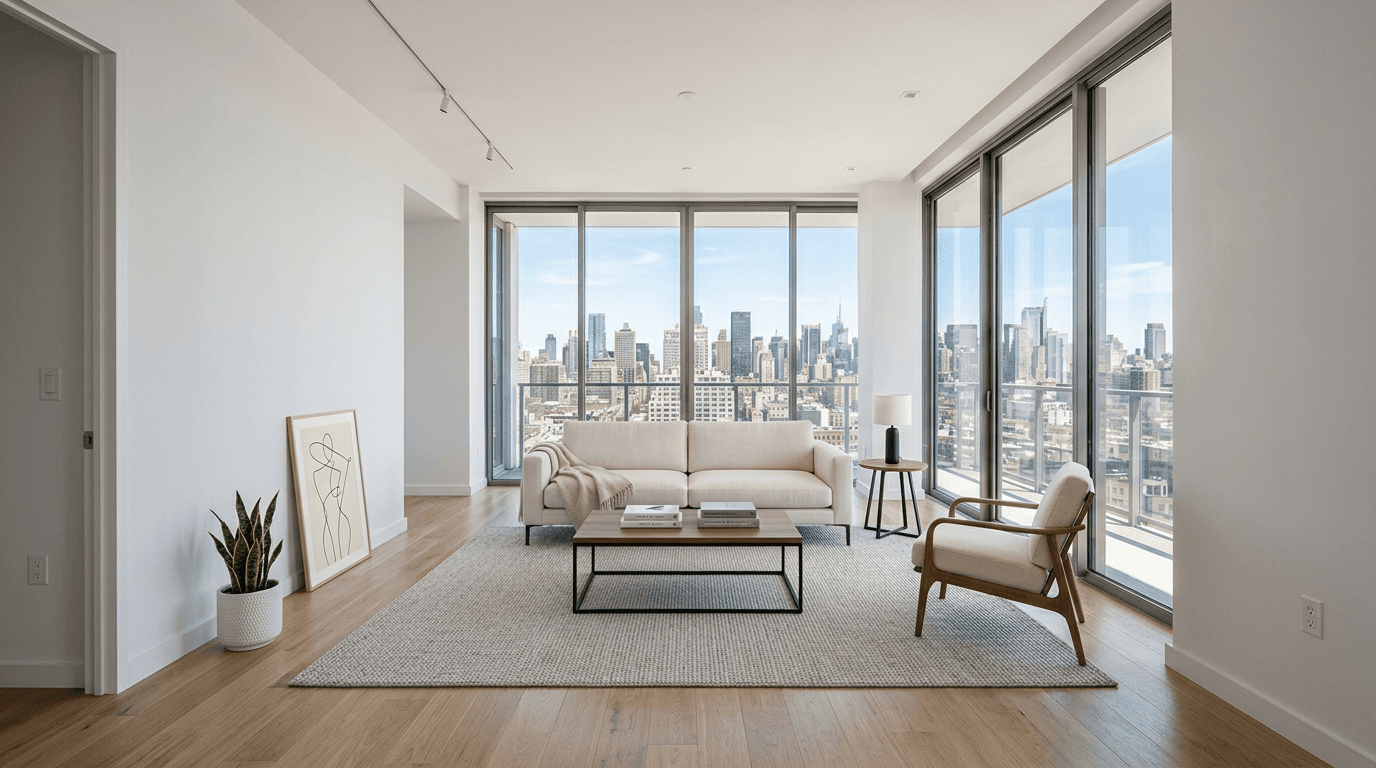
For luxury home auction marketing firms, virtual staging is no longer a creative extra; it is a speed-to-market advantage that directly affects bidder psychology, campaign quality, and perceived asset value. In premium auction environments, you are not simply listing a property—you are compressing an entire brand narrative, buyer aspiration, and urgency strategy into a narrow pre-auction window where every image must work harder than it would in a traditional sale cycle. The challenge is familiar: many high-end homes enter auction vacant, partially furnished, or stylistically inconsistent, while broker partners need immediate visual cohesion that justifies elite positioning and captures attention across landing pages, email drops, paid media, brochures, and bidder presentations. Physical staging can be too slow, too expensive, too logistically disruptive, or simply impossible within the campaign timetable. Virtual staging solves that problem when it is used strategically, not decoratively. The firms that win in 2026 are the ones that treat virtual staging as a structured marketing system: one that aligns room purpose, buyer profile, architecture, campaign channel mix, compliance, and turnaround speed. This guide explains exactly how to use virtual staging step by step so your auction campaigns project luxury instantly, reduce friction between photography and launch, and give every room a compelling role in the race to auction day.
According to recent staging metrics by the National Association of Realtors (NAR), professionally staged properties can significantly increase sales speed and perceived value, accelerating the impact for your specific niche.
Step 1: Start with the auction narrative, buyer profile, and property positioning before any image is staged
The biggest mistake luxury auction marketers make with virtual staging is treating it like an after-the-fact design enhancement rather than a strategic layer of campaign positioning. Before a single sofa, chandelier, or dining setting is digitally added, your team should define the story the property must tell in the compressed period between launch and bidding. In luxury auction marketing, rooms do not exist merely as spaces; they function as emotional proof points that support premium value and accelerate decision-making among affluent buyers who are comparing multiple opportunities quickly. That means virtual staging must begin with a narrative brief grounded in the property’s architecture, neighborhood context, target bidder profile, and intended buyer use case. A waterfront contemporary marketed to international second-home buyers requires a different visual language than a historic estate aimed at legacy-minded family purchasers or a newly built penthouse targeted toward design-conscious urban investors. Auction firms should align with broker partners on exactly which buyer personas are most likely to register, what lifestyle signals those buyers expect to see, and which rooms have the highest persuasive value in the campaign. A grand salon may need to communicate scale and hospitality, a primary suite may need to express retreat and privacy, and a study may need to reinforce executive sophistication or remote-work prestige. Once this narrative framework is established, virtual staging becomes a tool for clarifying value instead of decorating empty space. It also prevents the all-too-common problem of inconsistent room styling that confuses the market, weakens brand confidence, and makes the property feel visually fragmented. By defining the campaign story first, your staging choices become faster, more defensible, and more effective across every touchpoint where bidders encounter the property.
Action Step
Create a one-page auction staging brief defining target bidder personas, property positioning, and the emotional purpose of each key room before ordering any virtual staging.
Step 2: Capture photography and source files that are optimized for premium virtual staging under tight deadlines
Luxury virtual staging only performs as well as the source imagery behind it, which is why auction firms must build a capture process designed specifically for fast, high-end digital enhancement rather than generic listing photography. When timelines are compressed, teams often rush to shoot vacant rooms without considering how lighting, camera height, lens selection, composition, and file quality will affect the realism of staged outputs. In the luxury segment, that shortcut is costly because affluent buyers are exceptionally sensitive to visual cues that suggest artificiality, distortion, or marketing weakness. To produce staging that feels credible and premium, photographers should capture each primary room with balanced natural light, clean vertical lines, and enough visible floor area and wall context for designers to place furnishings proportionally. Multiple angles are essential because auction campaigns rarely rely on a single hero image per room; they require versatility across brochures, digital ads, registration pages, retargeting assets, and broker collateral. It is also important to remove distracting temporary items, cords, packing materials, builder leftovers, or partial furniture before the shoot so the staging team is not wasting time correcting avoidable clutter. Where possible, firms should secure high-resolution files and maintain consistent room sequencing so production vendors can move quickly without clarification cycles that eat into launch dates. For ultra-luxury properties, capturing detail shots of millwork, fireplaces, wine rooms, spa baths, terraces, and custom finishes can further support the staging strategy by helping designers match furnishings to the home’s true level of craftsmanship. This photography-first discipline transforms virtual staging from a rescue tactic into a polished production workflow. In practical terms, better source material reduces revisions, improves realism, protects the luxury perception of the asset, and allows auction marketers to publish faster with confidence that the property will look exceptional in every bidder-facing format.
Action Step
Implement a luxury auction photo checklist that requires high-resolution, well-lit, straight-lined, clutter-free images of every priority room and detail area before staging begins.
Step 3: Stage each room for strategic persuasion, not generic beauty, so every image advances bidder intent
In luxury home auction campaigns, the purpose of virtual staging is not simply to make a vacant property look attractive; it is to remove interpretation burden from buyers and show them exactly how the home supports an aspirational, high-value lifestyle. That distinction matters because generic staging often fills rooms with fashionable but interchangeable furniture, whereas strategic staging creates visual evidence for why the property deserves attention, urgency, and competitive bidding. Every room should be assigned a marketing role based on how buyers evaluate luxury residences under time pressure. A formal living room may need to telegraph entertaining scale and social prestige, while a breakfast area should convey warmth and daily livability that balances the grandeur elsewhere in the home. In larger estates, staging can help solve common auction problems such as awkward bonus spaces, oversized secondary rooms, or specialty areas that buyers might otherwise misunderstand. A vacant flex room becomes a refined media lounge, a detached casita becomes a guest retreat, and a wide landing becomes a reading gallery rather than dead square footage. For penthouses and modern builds, the visual emphasis may need to shift toward sculptural furniture, restrained palettes, and sightline preservation so architecture remains the hero. For classic estates, staging may require layered textures, symmetry, and heirloom-inspired pieces that reinforce permanence and pedigree. The key is discipline: furnishings should fit scale accurately, decor should feel editorial but believable, and styling should reflect how the likely bidder segment actually lives or wishes to live. This is particularly important in auction marketing because the campaign window is short and the images must do immediate interpretive work across channels. When rooms are staged with persuasion in mind, they answer silent bidder questions before those questions reduce interest. Buyers understand function faster, imagine ownership more easily, and engage with the property as a complete luxury offering rather than an empty shell that demands too much mental effort.
Action Step
Assign each featured room a specific persuasion goal and approve virtual furnishings only if they clarify function, support luxury positioning, and match the target bidder lifestyle.
Step 4: Build a fast, repeatable approval workflow that balances speed, realism, brand standards, and compliance
Because auction marketing operates on compressed timelines, the operational side of virtual staging is just as important as the creative side. Many firms lose valuable days not because vendors cannot render quickly, but because internal approvals are unstructured, broker feedback arrives late, design preferences are subjective, and legal or disclosure considerations are addressed too close to launch. The most effective luxury auction marketers in 2026 treat virtual staging as a defined production pipeline with clear checkpoints, responsible owners, and pre-approved standards that eliminate unnecessary back-and-forth. Start by establishing a style framework for each property that is signed off on early by the auction firm and broker partner, including tone, palette direction, room hierarchy, and any non-negotiable architectural elements that must remain visually dominant. Next, set revision rules before the first draft is delivered. Without limits and decision criteria, stakeholders tend to request changes based on personal taste rather than campaign goals, which can quickly erode both speed and visual consistency. It is also critical to verify realism standards, ensuring shadows, scale, sightlines, window light, and furniture placement feel natural enough for discerning luxury buyers. At the same time, auction marketers must maintain transparent disclosures wherever required so staged imagery enhances interpretation without misleading the market. This means coordinating image labeling, MLS-compliant usage where relevant, and consistency between staged visuals and actual property condition across brochures, websites, and bidder packets. Brand alignment matters as well: your virtual staging should look like it belongs to a premium auction campaign, not like outsourced filler art that conflicts with your firm’s positioning. When workflow discipline is in place, virtual staging becomes faster to approve, easier to scale across multiple listings, and more reliable under deadline pressure. The result is a cleaner launch process, fewer last-minute corrections, and stronger confidence from broker partners who need the campaign to move with precision.
Action Step
Set a standardized approval workflow with pre-approved style direction, two defined revision rounds, realism checks, and required disclosure language before creative production starts.
Step 5: Deploy staged images across the full auction funnel and measure performance to improve future campaigns
The final step is where many firms leave value on the table: they use virtual staging in the listing gallery but fail to activate those images strategically across the entire auction marketing funnel. In a luxury auction setting, staged imagery should not be treated as static decoration; it should function as a conversion asset that supports awareness, engagement, registration, and bidding confidence from the first impression to the final countdown. Start by identifying which staged images are best suited for each channel. Wide, emotionally resonant hero rooms often perform best on landing pages, email headers, social ads, and retargeting creative because they quickly establish the property’s caliber. More intimate staged spaces, such as the primary suite, library, dressing room, or outdoor lounge, can be used deeper in the funnel to sustain interest and broaden the buyer’s sense of lifestyle fit. Broker partners can also use these images in private outreach, digital brochures, investor presentations, and concierge-level buyer communications where narrative and polish influence trust. Importantly, your team should compare staged-image performance against unstaged alternatives where possible by reviewing click-through rates, registration conversions, time on page, inquiry quality, private showing requests, and bidder engagement patterns. Even directional insights are valuable. You may discover that lifestyle-forward staging increases ad engagement, while cleaner architectural staging works better for investor-oriented audiences or modern properties. Those learnings should be documented and fed back into future campaign briefs so each new auction becomes smarter and faster than the last. Virtual staging delivers its highest ROI when it is integrated into the full marketing system, measured like any other campaign asset, and refined continuously. For luxury auction firms, this creates a compounding advantage: stronger visuals, faster launches, better broker confidence, and a repeatable process that helps premium properties stand out immediately in a crowded and time-sensitive marketplace.
Action Step
Map each staged image to a funnel stage, track engagement and conversion performance by asset type, and document the results to refine future luxury auction campaigns.
Explore More Resources
Conclusion
Virtual staging gives luxury home auction marketing firms a decisive advantage when time is short and visual impact must be immediate. Used correctly, it is far more than digital decoration: it is a positioning tool that clarifies buyer lifestyle, elevates perceived value, accelerates production, and helps broker partners launch premium campaigns without the delays of traditional staging. The firms that get the best results begin with a clear auction narrative, capture photography that supports realistic high-end rendering, stage rooms for persuasion rather than trendiness, manage approvals with operational discipline, and deploy finished images throughout the entire bidder journey. In 2026, that combination of speed, strategy, and polish is what separates average auction marketing from truly elite execution. When each room tells the right story at the right moment, virtual staging becomes one of the most efficient ways to turn vacant luxury inventory into a compelling bidding opportunity.
Ready to Stage Your First Room?
Join thousands of top real estate professionals who use AI Virtual Staging to instantly transform vacant photos into fully-furnished masterpieces in under 20 seconds.
Start Staging For FreeFrequently Asked Questions
Is virtual staging credible enough for ultra-luxury home auctions where buyers are highly sophisticated?
Yes, provided it is executed from high-quality photography, aligned with the architecture, and used to clarify realistic room function rather than exaggerate the property. Sophisticated buyers are not opposed to virtual staging; they are opposed to staging that feels careless, misleading, or stylistically disconnected from the home. In luxury auctions, credible virtual staging helps buyers interpret scale, flow, and lifestyle quickly, which is especially valuable when campaign timelines are short.
How quickly can luxury auction firms usually complete virtual staging before launch?
Turnaround depends on room count, revision complexity, and vendor capacity, but many campaigns can stage priority rooms within 24 to 72 hours once final photography and direction are delivered. The fastest firms achieve this by using standardized briefs, pre-approved style parameters, and organized feedback workflows. Speed is less about rushing the render and more about removing confusion from the process.
Which rooms should be virtually staged first in a luxury residential auction campaign?
Start with the spaces that do the most emotional and financial persuasion: typically the main living area, kitchen, dining area, primary suite, and the most distinctive bonus space such as a study, terrace, media room, or wellness area. These rooms shape first impressions and help buyers understand how the property supports a premium lifestyle. Secondary rooms can be staged later if they add clarity or support campaign segmentation.
Should auction marketing firms disclose that images have been virtually staged?
In most cases, yes. Disclosure practices should follow local advertising rules, platform standards, MLS requirements where applicable, and your firm’s own transparency policies. Clear labeling protects credibility and reduces the risk of buyer frustration while still allowing staged imagery to perform its intended role of helping the market visualize the property’s potential.
How do broker partners benefit from virtual staging in an auction environment?
Broker partners benefit because virtual staging improves listing presentation, shortens time to market, reduces dependence on physical staging logistics, and gives them stronger visual tools for outreach to qualified buyers. It also helps them present vacant or transitional homes with confidence, making the property feel intentional and premium from the first touchpoint through the final bidding phase.
Explore More Guides
Continue building your real estate expertise.
The Step-by-Step Guide to Virtual Staging for Suburban Empty-Nester Townhome Brokerages
An authoritative 2026 step-by-step guide to using virtual staging for suburban empty-nester townhome brokerages, helping agents present comfort, practicality, lifestyle flexibility, and sophisticated low-maintenance living to move-down buyers.
The Step-by-Step Guide to Virtual Staging for Urban Rowhouse Infill Builders
An authoritative 2026 step-by-step guide for urban rowhouse infill builders on using virtual staging to make narrow vertical floorplans feel larger, differentiate repetitive streetscapes, and market rooftops and flex spaces more effectively.
The Step-by-Step Guide to Virtual Staging for Suburban Office Park to Residential Conversion Developers
An authoritative 2026 step-by-step guide for suburban office park to residential conversion developers on using virtual staging to market former corporate campuses as apartments, townhomes, and mixed residential communities, accelerate buyer and renter imagination, and build pre-leasing momentum.
The Step-by-Step Guide to Virtual Staging for Suburban Single-Story Cottage Cluster Developers
An authoritative 2026 step-by-step guide for suburban single-story cottage cluster developers on using virtual staging to market pocket neighborhoods, make compact homes feel spacious, and position low-maintenance living as premium rather than entry-level.
The Step-by-Step Guide to Virtual Staging for Attainable Luxury Townhome Lease-Up Teams
An authoritative 2026 step-by-step guide for attainable luxury townhome lease-up teams on using virtual staging to showcase premium finishes, family-friendly layouts, and differentiated rental positioning without physical model homes.