
The Step-by-Step Guide to Virtual Staging for Luxury High-Rise Condo Listing Agents
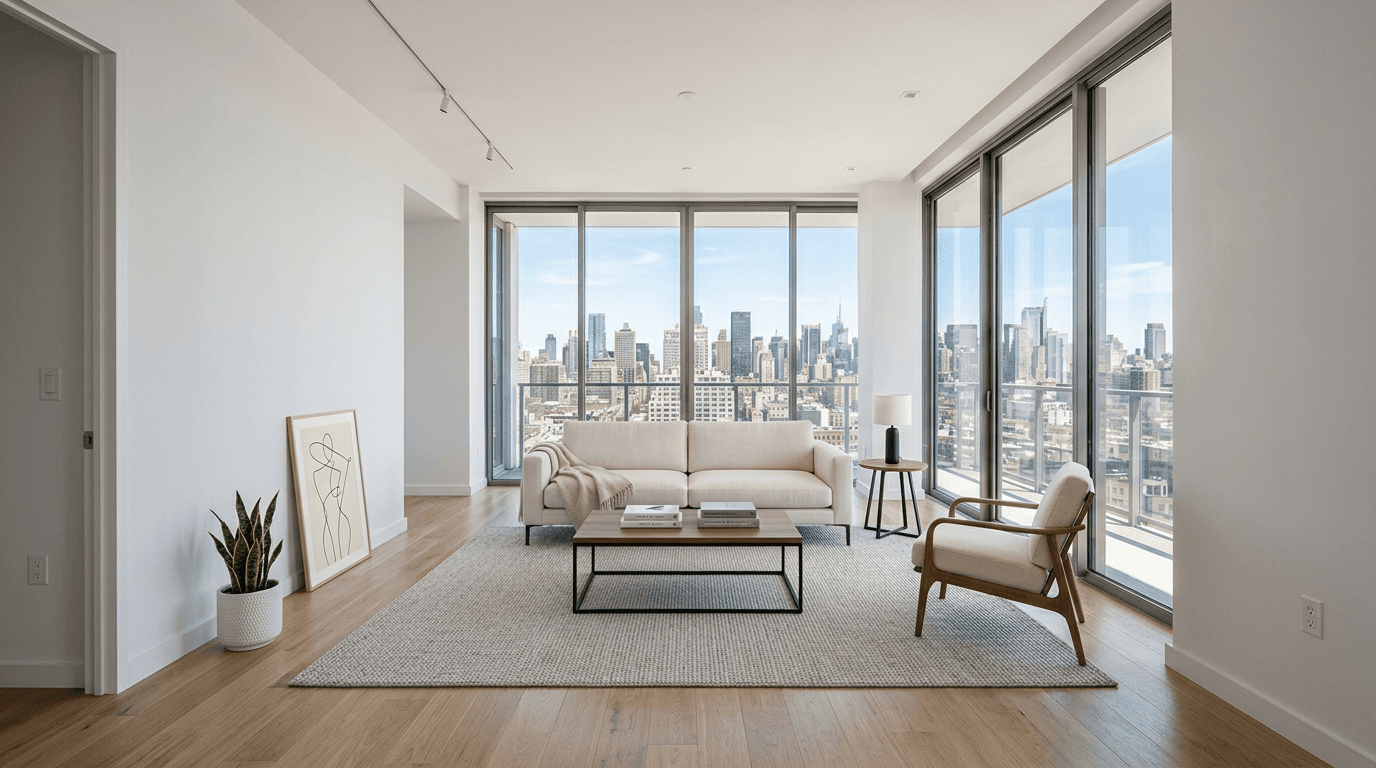
In the luxury high-rise condo market, presentation is not a cosmetic extra; it is a pricing, perception, and negotiation strategy. Listing agents who represent premium urban residences are no longer competing only on square footage, view corridors, or building amenities. They are competing on how convincingly they translate a vacant, often acoustically cold and visually repetitive unit into a lifestyle narrative that feels exclusive, aspirational, and move-in ready. In 2026, sophisticated buyers scrolling penthouse-level inventory expect editorial-quality visuals, and sellers expect their agent to deliver a marketing package that clearly earns a premium commission. That is why virtual staging has become one of the most powerful tools available to luxury condo listing agents. Done correctly, it helps differentiate nearly identical floor plans, soften sterile finishes, highlight scale without clutter, and communicate how a residence lives from sunrise skyline views to evening entertaining. This guide is designed specifically for luxury high-rise specialists and boutique broker teams who need a repeatable, strategic process for using virtual staging not as a gimmick, but as a high-conversion marketing asset that supports stronger branding, faster engagement, and more persuasive listing campaigns.
According to recent staging metrics by the National Association of Realtors (NAR), professionally staged properties can significantly increase sales speed and perceived value, accelerating the impact for your specific niche.
Step 1: Start with a luxury positioning strategy before you stage a single image
The biggest mistake luxury condo listing agents make with virtual staging is treating it as a simple design overlay rather than a positioning decision. Before a single room is digitally furnished, you need to define exactly who the most likely buyer is, what emotional response the unit should trigger, and how the visual story will distinguish the listing from competing inventory in the same building or neighborhood. In luxury high-rise environments, many units share similar layouts, similar appliance packages, and similar amenity decks, which means your marketing edge often comes down to curation and clarity. A one-bedroom in a prestigious tower may appeal to an international pied-à-terre buyer, a time-constrained executive, or a downsizing couple seeking lock-and-leave sophistication, and each audience responds to a different visual language. Virtual staging should therefore reflect not generic luxury, but targeted luxury. You need to assess the building’s brand identity, the architecture of the unit, the natural light profile, the finish palette, the floor height, and the type of lifestyle the listing naturally supports. A residence with dramatic floor-to-ceiling glass and city views may benefit from restrained, gallery-like interiors that let the skyline remain the focal point, while a larger corner unit may need staging that emphasizes entertaining zones, art placement, and conversational flow. When you establish this strategic foundation first, every later decision, from furniture scale to color temperature to room use, becomes more cohesive and persuasive. This is the step that transforms virtual staging from decoration into market positioning, and in the luxury category, that distinction directly affects buyer perception and seller confidence.
Action Step
Define the target buyer profile, lifestyle narrative, and visual positioning for the condo before requesting any virtual staging.
Step 2: Capture photography that supports premium virtual staging results
Exceptional virtual staging begins long before editing software is involved, because even the most talented staging provider cannot fully rescue weak source photography. Luxury listing agents must think like brand directors during the photo shoot, ensuring that every raw image preserves the architectural integrity, light quality, and spatial proportions of the condo. In high-rise properties, this is especially important because the value proposition often includes nuanced visual assets such as skyline views, wraparound glass, balcony access, reflections, ambient lighting, and the relationship between interior finishes and exterior scenery. If the photography is rushed, overexposed, distorted by a poor lens choice, or shot without careful composition, the final staged image will feel artificial and undermine trust. To produce believable, high-end staging, begin with a photographer who understands luxury interiors and vertical urban properties, not just general residential photography. Rooms should be shot clean, level, and wide enough to show function without introducing extreme perspective distortion that makes furniture placement look unrealistic. Pay attention to window exposures so the city view remains visible, because premium buyers often judge the residence partly by how interior living spaces frame the outdoors. Empty units must also be fully prepared before the shoot: lights balanced, blinds adjusted intentionally, surfaces spotless, and temporary construction residue removed. If the unit is newly delivered from a developer or recently vacated, inspect every angle for scuffs, outlet covers, cords, cleaning tools, or loose materials that can cheapen the visual baseline. The more refined the raw photography, the more natural and luxurious the virtual staging will appear, and the easier it becomes to create imagery that feels editorial rather than obviously manipulated.
Action Step
Book a luxury-focused real estate photographer and create a shot list that prioritizes clean angles, natural light, and visible views for every key room.
Step 3: Choose a virtual staging style that amplifies the condo’s architecture instead of overpowering it
Once you have strong photography and a clear buyer profile, the next step is selecting a staging style that enhances the unit’s architecture rather than competing with it. This is where many luxury listings lose credibility. Agents often assume that upscale marketing means adding dramatic furniture, heavy textures, oversized décor, or highly trend-driven interiors, but in a high-rise condo, especially one with premium finishes and panoramic views, excess styling can actually obscure the residence’s true value. The most effective virtual staging for luxury condos is intentional, proportionate, and architecturally sympathetic. You should evaluate ceiling height, room dimensions, finish tones, sight lines, and window placement before deciding on furnishings. In a sleek contemporary tower, staging should usually feature refined silhouettes, balanced negative space, and restrained material contrast that preserves the building’s design language. If the condo has warm wood flooring and softer finishes, the virtual design can introduce tailored softness without becoming visually busy. Scale is critical: furniture that is too large makes urban spaces feel tight, while furniture that is too small diminishes perceived luxury and can make rooms look temporary or underwhelming. Every staged room also needs a purpose. A den should be clearly presented as either a sophisticated office, reading lounge, or guest flex space, depending on what is most persuasive for the target buyer. Likewise, dining zones, bedroom layouts, and living room arrangements should demonstrate ease of movement and premium livability. The goal is not merely to make the condo look furnished; it is to make the condo feel singular, elevated, and emotionally legible. When style selection is aligned with architecture, buyers can imagine ownership more easily, and sellers see that your marketing choices are grounded in strategy rather than generic visual flair.
Action Step
Approve a staging direction that matches the condo’s architecture, buyer profile, and room proportions before any final renderings are produced.
Step 4: Use virtual staging across the full marketing funnel, not just the MLS gallery
For luxury high-rise condo listing agents, virtual staging delivers the strongest return when it is deployed as part of a complete marketing system rather than treated as a one-time image enhancement for listing syndication. Too many agents invest in staged photos, upload them to the MLS, and stop there, missing the broader opportunity to create a cohesive visual campaign that reinforces premium positioning at every buyer touchpoint. In 2026, affluent buyers often encounter a listing first through mobile social content, email marketing, private client outreach, retargeting ads, brokerage websites, and digital presentations before they ever book a showing. That means your staged imagery should be prepared and formatted to serve multiple functions. The primary living room image may anchor the MLS, but cropped vertical variations can support Instagram or luxury portal placements, while side-by-side empty versus staged comparisons can help sellers understand your value proposition during listing presentations. You can also use virtually staged imagery in branded property brochures, high-end email campaigns to feeder markets, and broker preview invitations that frame the residence as polished and ready for consideration. Importantly, the visual story should remain consistent across every channel. If the MLS presents a serene minimalist aesthetic but social media uses unrelated graphics or overly aggressive filters, the listing loses coherence. Virtual staging is most effective when it supports a broader narrative about lifestyle, view, design, and exclusivity. It should help premium buyers understand not only what the condo looks like, but how it lives. By extending staging across the full funnel, you increase recognition, elevate perceived professionalism, and create a more persuasive case that your marketing platform is worth the premium commission structure you are asking sellers to trust.
Action Step
Repurpose virtually staged images into a multi-channel campaign for the MLS, social media, email, brochures, and listing presentations.
Step 5: Protect trust with accurate disclosure, quality control, and performance review
In the luxury market, credibility is inseparable from conversion, which is why your final step must be rigorous quality control paired with transparent disclosure and post-launch analysis. Virtual staging can absolutely elevate a listing, but if it is misleading, poorly rendered, or disconnected from the in-person experience, it can damage buyer trust, disappoint showing traffic, and weaken your reputation with both clients and co-broking agents. Begin by reviewing every staged image with a critical eye for realism. Check that shadows, reflections, furniture scale, perspective, and sight lines all look plausible. Confirm that no permanent features have been altered in a way that misrepresents the property and that views, window lines, flooring, and built-ins remain truthful to the actual unit. Then ensure that all required disclosures are included wherever appropriate, making it clear that select images have been virtually staged. In luxury sales, transparency does not reduce impact; it increases confidence, because sophisticated buyers appreciate polished marketing as long as it is honest. After launch, track how the staged images perform. Compare engagement metrics such as click-through rates, saved listings, inquiry quality, showing requests, and time to first serious interest against your unstaged or historically marketed listings. Also gather seller feedback and observe whether buyers reference the imagery positively during tours. This analysis helps you refine future staging decisions by identifying which rooms, styles, and narratives actually influence response in your specific market segment. When you pair elevated visuals with impeccable standards and measurable review, virtual staging becomes more than a design tactic. It becomes a defensible, repeatable listing strategy that supports stronger branding, better client conversations, and more consistent luxury marketing results.
Action Step
Review every staged image for realism, disclose virtual staging clearly, and measure listing performance to improve future campaigns.
Explore More Resources
Conclusion
Virtual staging has evolved into an essential marketing discipline for luxury high-rise condo listing agents who need to turn vacant, impersonal units into compelling, high-value listing experiences. When approached strategically, it helps you define buyer appeal, elevate architecture, preserve the importance of views, and present a polished lifestyle narrative that supports both stronger seller confidence and better buyer engagement. The real advantage is not simply that staged images look better, but that they communicate thoughtfulness, professionalism, and market sophistication across every channel where premium buyers discover property. By building your process around positioning, photography, design alignment, campaign integration, and transparent quality control, you can use virtual staging to differentiate nearly identical inventory, justify premium representation, and market luxury condos with the precision the 2026 market demands.
Ready to Stage Your First Room?
Join thousands of top real estate professionals who use AI Virtual Staging to instantly transform vacant photos into fully-furnished masterpieces in under 20 seconds.
Start Staging For FreeFrequently Asked Questions
Is virtual staging acceptable for luxury condo listings, or do high-end buyers prefer only real photography?
Virtual staging is widely acceptable in luxury condo marketing when it is executed at a high level and disclosed properly. High-end buyers do expect authenticity, but they also expect polished presentation and strong visual storytelling. For vacant luxury units, virtual staging helps buyers understand scale, functionality, and lifestyle potential in a way empty photography often cannot. The key is realism, restraint, and transparency.
Which rooms should luxury high-rise listing agents prioritize for virtual staging?
The most important rooms to stage are typically the living room, primary bedroom, dining area, and any flex space that may otherwise feel ambiguous, such as a den or home office. In luxury condos, these are the spaces that help define lifestyle and justify value. Prioritize rooms that connect strongly to views, entertaining, or daily livability, because those are often the emotional decision points for premium buyers.
How do I make sure virtual staging does not make a smaller condo feel misleading?
Use correctly scaled furniture, avoid overcrowding, and choose layouts that reflect realistic movement through the space. The goal is to demonstrate livability, not exaggerate square footage. In smaller luxury condos, restrained design often performs better than overly decorative scenes because it preserves openness and allows buyers to focus on architecture, light, and views. Accurate photography and careful quality control are essential.
Can virtual staging help justify a higher listing commission to luxury condo sellers?
Yes, because it demonstrates a more sophisticated marketing approach than simply uploading standard vacant photos. Sellers want to know how you will differentiate their unit in a competitive building or neighborhood, and virtual staging gives you a tangible way to show strategy, polish, and value. When paired with professional photography, multi-channel distribution, and performance tracking, it becomes part of a premium service offering rather than a basic add-on.
Should I use the same virtual staging style for every luxury condo listing in my market?
No. Consistency in quality is important, but each listing should be styled according to its architecture, finish palette, buyer profile, and market position. A sleek glass tower residence, a branded luxury development, and a warmer boutique penthouse should not all be staged identically. Tailored staging creates stronger differentiation and helps each property feel more intentional, exclusive, and aligned with the buyer most likely to purchase it.
Explore More Guides
Continue building your real estate expertise.
The Step-by-Step Guide to Virtual Staging for Student Housing Property Managers
An authoritative step-by-step guide for student housing property managers on using virtual staging to lease faster, refresh repetitive floor plans, and market effectively to both students and parents in 2026.
The Step-by-Step Guide to Virtual Staging for Self-Storage Facility Conversion Developers
An authoritative 2026 step-by-step guide for self-storage facility conversion developers on using virtual staging to visualize adaptive reuse projects, win approvals, secure investors and lenders, and lease ancillary office or retail frontage.
The Step-by-Step Guide to Virtual Staging for Mid-Century Modern E-Designers
An authoritative 2026 step-by-step guide for mid-century modern e-designers on using virtual staging to create visually precise client presentations, communicate design intent remotely, and win more residential projects with compelling imagery.
The Step-by-Step Guide to Virtual Staging for Fraternity and Sorority House Property Owners
An authoritative 2026 step-by-step guide for fraternity and sorority house property owners on using virtual staging to improve recruitment, leasing, and marketing results with polished, realistic visuals.
The Step-by-Step Guide to Virtual Staging for Green Home Certification-Focused Realtors
An authoritative 2026 step-by-step guide for green home certification-focused realtors on using virtual staging to market LEED, Passive House, net-zero, and energy-efficient homes with visuals that make sustainability feel tangible, aspirational, and buyer-friendly.
The Step-by-Step Guide to Virtual Staging for Historic Bed and Breakfast Innkeepers
An authoritative 2026 step-by-step guide for historic bed and breakfast innkeepers on using virtual staging to modernize listing photos, preserve period charm, increase guest bookings, support event marketing, and strengthen sale valuations without costly physical redesigns.