
The Step-by-Step Guide to Virtual Staging for Senior Cohousing Community Developers
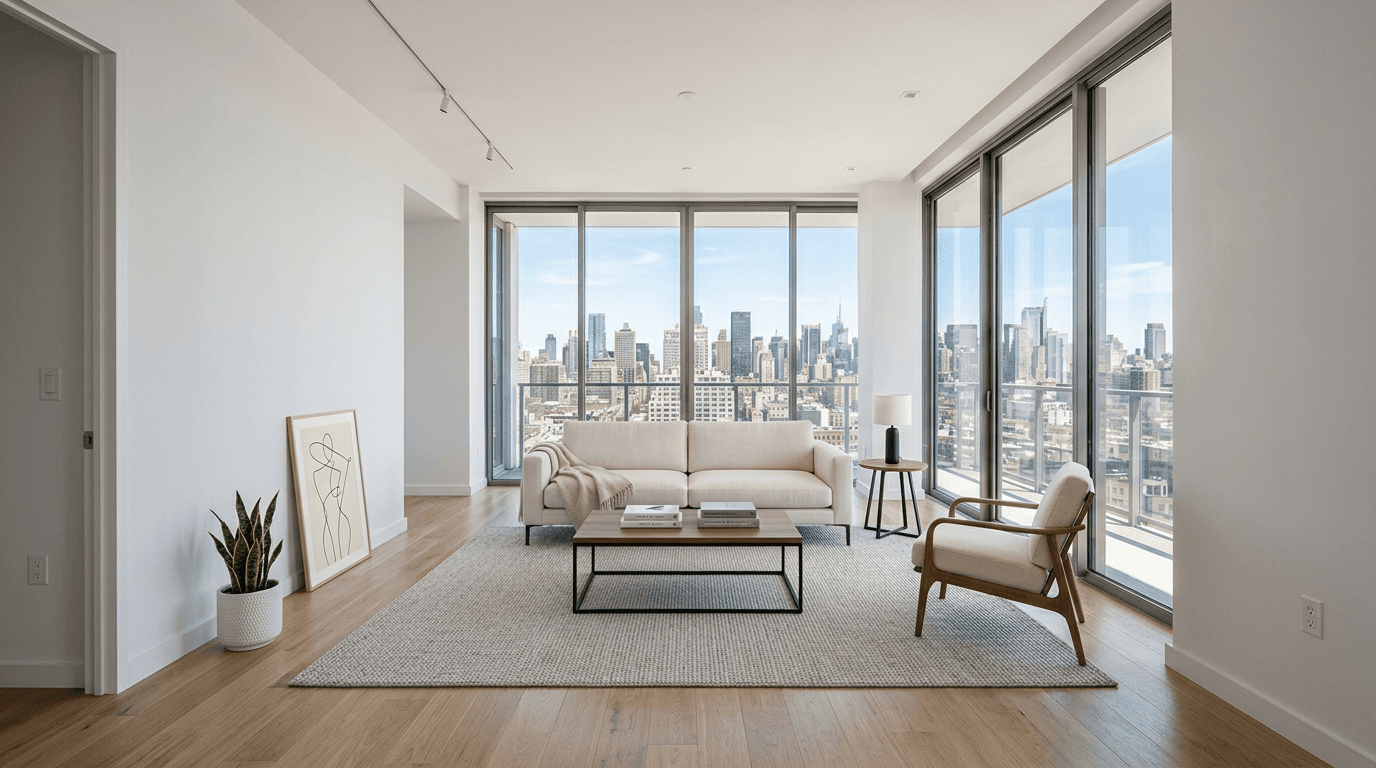
For senior cohousing community developers, virtual staging is no longer a cosmetic marketing add-on; in 2026, it is a strategic pre-sales and trust-building tool that helps translate an unfamiliar housing model into a future buyers can immediately understand, emotionally connect with, and confidently choose. Unlike conventional 55+ communities, senior cohousing requires prospects to grasp both private-unit livability and the social architecture of shared life: common houses, walking paths, gardens, dining areas, hobby rooms, wellness spaces, and the subtle design choices that support autonomy, mutual support, and aging in place. That creates a unique challenge. You are not simply selling square footage or finishes; you are introducing a way of living that many prospects find inspiring but difficult to visualize from plans, elevations, or raw construction imagery alone. Virtual staging closes that gap by showing how homes feel, how shared spaces function, how accessibility integrates with beauty, and how the overall development differs from generic age-restricted inventory. Done strategically, it can reduce skepticism, improve lead quality, support reservation campaigns, and help your team communicate the lifestyle promise of cohousing with far more clarity than static architectural documents ever could. This guide walks you through the exact process for using virtual staging to market senior cohousing communities with authority, accuracy, and persuasive depth.
According to recent staging metrics by the National Association of Realtors (NAR), professionally staged properties can significantly increase sales speed and perceived value, accelerating the impact for your specific niche.
Step 1: Define the precise lifestyle story your virtual staging must communicate
Before commissioning a single rendering, senior cohousing developers need to decide exactly what story the staged visuals are supposed to tell, because the success of virtual staging in this niche depends less on decoration and more on narrative clarity. Prospective buyers evaluating a senior cohousing community are often trying to answer complex emotional and practical questions at the same time: Will I still have privacy? Will I feel pressured into constant social interaction? Is this community truly designed for aging in place, or is it just another 55+ project with trendier branding? Will shared spaces actually be used in meaningful ways, or are they marketing abstractions? Your staging strategy should therefore begin with a structured positioning exercise that maps your community’s differentiators into visual priorities. If your development is centered on walkability, interdependence without loss of independence, universal design, low-maintenance ownership, and strong social infrastructure, every staged scene should reinforce those promises with intention. That means identifying the most important moments of lived experience to illustrate, such as a bright, accessible kitchen in a private home, a common dining room set for a resident meal, a flexible lounge that supports both quiet reading and group gatherings, or a garden path that suggests movement, ease, and belonging. The goal is not to create idealized fantasy imagery that overstates what the project can deliver, but to convert abstract concepts into specific, recognizable outcomes that feel credible to older buyers and their adult children. When you define this lifestyle story upfront, your staging becomes a strategic sales asset rather than a disconnected collection of pretty images, and your leasing or sales team gains a much stronger foundation for conversations, tours, digital campaigns, and reservation presentations.
Action Step
Create a visual messaging brief that lists your top 3 to 5 lifestyle differentiators and assigns each one to specific spaces you will stage.
Step 2: Select the right spaces to stage by prioritizing trust, comprehension, and conversion
One of the most common mistakes in marketing emerging senior cohousing communities is assuming that every room deserves equal visual treatment, when in reality some spaces do far more work than others in overcoming buyer hesitation and accelerating decisions. Because your prospects are evaluating a concept that is still unfamiliar to many of them, you should prioritize staging the spaces that answer the biggest objections first. Start with the private residence, because buyers need reassurance that cohousing does not mean compromising comfort, dignity, or personal retreat. A thoughtfully staged living room, kitchen, primary bedroom, and accessible bathroom can demonstrate that private homes remain warm, stylish, and practical, especially when visual choices subtly communicate aging-in-place features such as no-step entries, wider circulation paths, easy-to-navigate layouts, supportive lighting, and furniture arrangements that imply mobility and comfort without looking clinical. Next, focus on the common house and other shared amenities, because this is where your project most clearly differentiates from standard 55+ offerings. A staged community kitchen, dining area, craft room, library nook, wellness studio, or outdoor courtyard can make communal life tangible and desirable rather than theoretical. It is also wise to stage transitional areas such as porches, paths, and gathering edges, since these spaces often express the social design logic of cohousing more effectively than large feature rooms alone. In practical terms, choose spaces according to where prospects most often get confused, where they most need emotional reassurance, and where your development’s value proposition is strongest. By aligning staging priorities with trust and comprehension, you avoid overspending on low-impact visuals and instead create a persuasive sequence that guides prospects from curiosity to confidence.
Action Step
Rank your units and amenities by their ability to answer buyer objections, then stage the top spaces first instead of trying to visualize everything at once.
Step 3: Design staged visuals that reflect active senior living, accessibility, and authentic community life
The effectiveness of virtual staging for senior cohousing rises or falls on authenticity, because your audience is experienced enough to recognize when imagery feels generic, patronizing, or disconnected from the realities of later-life living. Developers should therefore approach design direction with unusual discipline, ensuring that every staged image communicates active senior living in a way that is aspirational yet believable. Start by rejecting stereotypes on both extremes: do not create scenes that imply frailty and institutional dependence, but also do not stage spaces so youthfully or minimally that they feel irrelevant to people evaluating how they will live over the next ten to twenty years. Instead, aim for a balanced visual language that blends elegance, warmth, functionality, and longevity. Furniture should suggest comfort, conversation, and usability. Layouts should feel open enough for maneuverability without appearing empty. Lighting should be bright, layered, and natural, supporting visibility and emotional well-being. Finishes should feel durable and refined, not trendy to the point of rapid obsolescence. Most importantly, your staged images should reveal accessibility through good design rather than relying on overt medical cues: lever handles, generous clearances, curbless showers, supportive seating, and intuitive circulation can all be shown as part of beautiful everyday living. When staging shared areas, subtly imply actual use patterns that matter in cohousing, such as communal meals, intergenerational visits, small-group hobbies, informal conversations, and restorative solitude. This helps buyers imagine themselves participating at their own comfort level rather than fearing a loss of independence. In 2026, audiences are increasingly alert to AI-generated visuals that feel emotionally hollow or physically improbable, so image realism, material consistency, and accurate scale are essential. Your staging should not merely decorate rooms; it should validate your development philosophy by making aging in place, mutual support, and independent living appear naturally integrated into the built environment.
Action Step
Approve a staging style guide that specifies furnishings, lighting, accessibility cues, and lifestyle scenarios before any renders are produced.
Step 4: Integrate virtual staging into your pre-sales funnel, not just your listing imagery
Virtual staging creates the greatest commercial value when it is treated as a core communication asset across the entire pre-sales funnel rather than as a handful of polished images reserved for a website gallery. Senior cohousing developers often face a layered sales process in which awareness, education, trust-building, and commitment happen over multiple touchpoints, sometimes involving not only prospects but also adult children, financial advisors, and referral partners. For that reason, each staged visual should be intentionally deployed where it can move the conversation forward. On your website, use staged imagery to clarify the difference between private ownership and communal infrastructure, pairing visuals with concise explanations of how the community supports autonomy and connection. In email nurture campaigns, sequence images to answer concerns progressively, beginning with private-unit comfort, then introducing shared amenities, and finally reinforcing the day-to-day benefits of cohousing life. In reservation events, investor decks, and discovery presentations, use side-by-side comparisons that show floor plans next to staged interiors so buyers can understand spatial logic more quickly. In digital advertising, select visuals that communicate a differentiated lifestyle rather than generic senior housing tropes, because your strongest competitive advantage lies in showing what traditional 55+ projects cannot. Sales counselors should also use staged visuals during consultations to walk prospects through likely routines, accessibility considerations, and common-space usage, making the experience less abstract and more conversational. Importantly, your staging must remain consistent with architectural plans, finish packages, and phasing realities so that trust is reinforced rather than undermined later. When integrated this way, virtual staging stops being visual garnish and becomes a conversion framework that shortens explanation time, improves lead qualification, and supports reservations before the community is fully built.
Action Step
Map each staged image to a specific funnel stage such as website education, email nurture, event presentation, paid ads, or one-to-one sales consultations.
Step 5: Measure performance, refine visuals, and maintain credibility from pre-launch through occupancy
The final step is to treat virtual staging as an iterative performance asset that should be measured, tested, and refined throughout the life cycle of the project, because the most successful senior cohousing developers use visualization not only to attract attention but to improve message-market fit over time. Once your staged assets are in circulation, gather both quantitative and qualitative feedback. Track which images generate stronger click-through rates, longer time on page, higher inquiry-to-tour conversions, and more reservation discussions. Listen carefully to what prospects say during presentations or calls: which visuals prompt immediate understanding, which spaces require repeated explanation, and where skepticism still lingers. You may discover, for example, that private-unit imagery drives initial confidence while common-house visuals become decisive later in the process, or that outdoor social spaces outperform interior lounge imagery because they better convey independence without isolation. This information should shape future rendering priorities, website sequencing, ad creative, and sales scripts. At the same time, credibility must remain your governing principle. As construction progresses, update staged assets to reflect confirmed finish selections, actual views, and final amenity programming so prospects do not feel baited by outdated imagery. If a common area evolves materially, replace or annotate visuals promptly. In 2026, transparency is a competitive advantage, especially for communities asking buyers to embrace a less familiar housing model. The developers who win are not the ones with the most glamorous images, but the ones whose visuals consistently align promise with reality. By monitoring performance and preserving honesty, you transform virtual staging from a launch tactic into a durable system for education, differentiation, and trust from first impression through move-in.
Action Step
Set up a monthly review process to compare staging-driven engagement metrics with buyer feedback and update visuals when plans or finishes change.
Explore More Resources
Conclusion
Virtual staging gives senior cohousing community developers a rare advantage: the ability to make an innovative, relationship-centered housing model feel concrete, desirable, and trustworthy long before every building is complete. When you define a clear lifestyle narrative, stage the most decision-shaping spaces, portray active aging and accessibility with authenticity, integrate visuals across the full pre-sales journey, and refine assets based on real-world buyer response, you do far more than make your marketing look better. You reduce confusion, answer objections earlier, elevate your project above conventional 55+ competition, and help prospects envision a future that balances independence, connection, and aging in place. In a category where buyers often need both emotional reassurance and practical clarity, virtual staging is one of the most powerful tools available to turn abstract plans into confident commitments.
Ready to Stage Your First Room?
Join thousands of top real estate professionals who use AI Virtual Staging to instantly transform vacant photos into fully-furnished masterpieces in under 20 seconds.
Start Staging For FreeFrequently Asked Questions
Why is virtual staging especially important for senior cohousing communities compared with traditional 55+ developments?
Senior cohousing is still a relatively unfamiliar concept for many buyers, so prospects often need more help understanding how private homes and shared amenities work together. Virtual staging makes the lifestyle visible, showing not just what a unit looks like, but how common spaces, accessibility features, and community design support independent living, social connection, and aging in place.
Which spaces should senior cohousing developers stage first?
Developers should usually stage the spaces that reduce the most buyer uncertainty: primary living areas in private units, accessible kitchens and bathrooms, and the shared spaces that define the cohousing model, such as common dining rooms, lounges, gardens, and multipurpose gathering areas. These visuals typically have the greatest impact on trust, comprehension, and pre-sales conversion.
How do we avoid making our virtual staging feel unrealistic or misleading?
Use staging that is consistent with approved plans, actual dimensions, confirmed finishes, and realistic furniture scale. Emphasize accessibility through thoughtful design details rather than exaggerated medical cues, and update visuals as the project evolves. The goal is to help buyers understand the future community clearly, not to create images that promise something the finished development will not deliver.
Can virtual staging help pre-sell units before construction is complete?
Yes. Virtual staging is especially effective during pre-sales because it helps prospects understand the value of the homes and the social design of the community before they can physically experience it. When used in websites, email campaigns, sales presentations, and reservation events, staged visuals can increase confidence and help buyers commit earlier.
What makes virtual staging different from standard architectural renderings?
Architectural renderings typically show the building accurately from a design and planning perspective, while virtual staging adds lived-in context that helps buyers imagine daily life. For senior cohousing, that distinction matters because prospects need to see how private comfort, shared amenities, accessibility, and community interaction will feel in practice, not just how the structures are arranged on paper.
Explore More Guides
Continue building your real estate expertise.
The Step-by-Step Guide to Virtual Staging for Manufactured Home Community Sales Teams
An authoritative 2026 step-by-step guide for manufactured home community sales teams using virtual staging to market homes and vacant pads at scale, improve listing quality, reduce buyer hesitation, and support faster community sales.
The Step-by-Step Guide to Virtual Staging for New Construction Infill Townhome Marketers
An authoritative 2026 step-by-step guide for developers, sales teams, and agencies using virtual staging to market new construction infill townhomes, helping buyers visualize layout, scale, and modern urban living before completion.
The Step-by-Step Guide to Virtual Staging for Short-Term Rehab Housing Providers
Learn how short-term rehab housing providers can use virtual staging in 2026 to present temporary recovery rentals as comfortable, accessible, clean, and referral-ready. This step-by-step guide covers room selection, recovery-focused design, compliance-minded visuals, photo preparation, and marketing deployment.
The Step-by-Step Guide to Virtual Staging for Luxury Desert Retreat Villa Marketing Teams
An authoritative 2026 step-by-step guide for luxury desert retreat villa marketing teams on using virtual staging to overcome harsh desert light, showcase indoor-outdoor living, and create premium visuals that support top-tier pricing.
The Step-by-Step Guide to Virtual Staging for Senior Apartment Lease-Up Marketing Teams
An authoritative step-by-step guide for senior apartment lease-up marketing teams on using virtual staging to accelerate pre-leasing, help 55+ prospects visualize downsized living, and differentiate online listings in 2026.
The Step-by-Step Guide to Virtual Staging for Yacht Club Residence Developers
An authoritative 2026 step-by-step guide for yacht club residence developers using virtual staging to market marina-adjacent homes, elevate waterfront branding, and convert affluent lifestyle buyers.