
The Step-by-Step Guide to Virtual Staging for Senior Apartment Lease-Up Marketing Teams
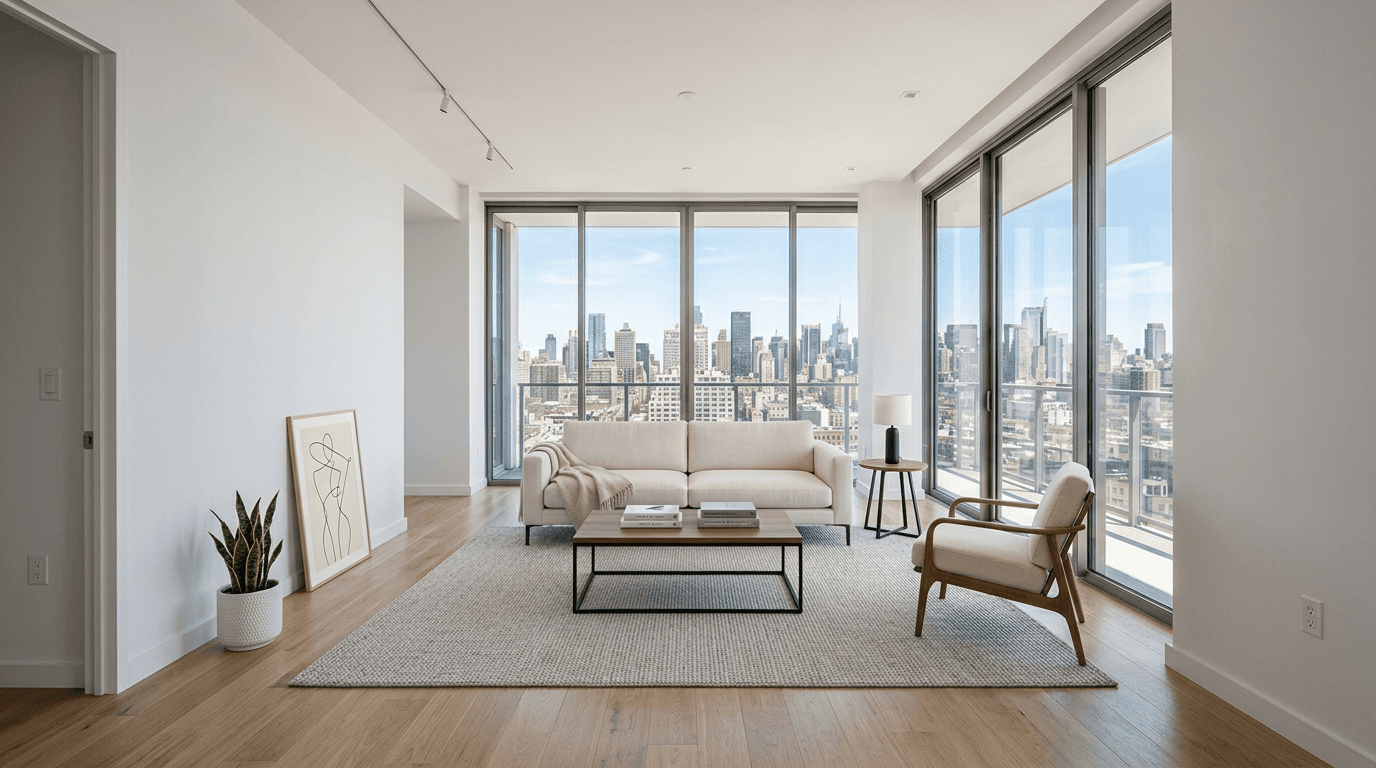
Virtual staging has become one of the most effective lease-up tools available to senior apartment marketing teams, especially for age-restricted 55+ communities trying to fill brand-new inventory before physical model units are fully ready. In 2026, prospects do not simply want floor plans, dimensions, and empty room photos; they want to understand how a future home will actually feel, function, and support their next chapter after downsizing. That challenge is particularly acute in senior apartment lease-ups, where empty units often look smaller than they are, fail to communicate comfort and accessibility, and do little to help prospects imagine bringing a lifetime of cherished possessions into a more curated lifestyle. For marketing and leasing teams under pressure to generate pre-leasing momentum, shorten decision cycles, and stand out on listing sites crowded with repetitive photography, virtual staging is no longer a cosmetic add-on. It is a strategic storytelling tool that can translate vacant inventory into emotionally resonant, practical, and highly marketable homes. The guide below explains exactly how senior apartment lease-up teams should use virtual staging step by step, so they can attract better-qualified leads, present downsized living with confidence, and convert online interest into signed leases faster.
According to recent staging metrics by the National Association of Realtors (NAR), professionally staged properties can significantly increase sales speed and perceived value, accelerating the impact for your specific niche.
Step 1: Build a virtual staging strategy around the real decision-making needs of 55+ renters
The most successful virtual staging campaigns for senior apartment lease-ups begin long before a designer adds furniture to an image. They start with a clear understanding of how 55+ renters evaluate a move, what hesitations slow their decision, and what visual cues help them believe a specific unit will support both comfort and independence. Unlike conventional multifamily audiences who may respond primarily to trend-forward aesthetics, senior apartment prospects often weigh a more layered set of priorities, including ease of movement, manageable room layouts, entertaining space for family visits, storage trade-offs, natural light, and whether the apartment feels like a dignified upgrade rather than a compromise after downsizing. That means your team must define the purpose of every virtually staged image with precision. Instead of asking for generic living room decor, determine whether the image should reassure a prospect that their favorite reading chair fits by the window, demonstrate that a second bedroom can function as a hobby room or office, or show how an open-concept kitchen and living area can still feel warm and organized with fewer belongings. Your lease-up strategy should also segment units by audience need, such as active independent retirees, local downsizers leaving larger homes, or adult children helping parents compare options. When virtual staging is anchored in these real-life decision dynamics, it becomes far more than visual enhancement. It becomes persuasive evidence that your community understands the emotional and practical realities of moving into a 55+ apartment. That strategic foundation is what allows every later marketing asset, from listing photography to sales follow-up, to work harder and convert more effectively.
Action Step
Define the top three prospect objections in your lease-up and assign a specific virtual staging goal to each featured floor plan before any images are created.
Step 2: Select the right units, room types, and design scenarios to showcase downsized living effectively
Once your strategy is clear, the next step is choosing exactly which units and spaces deserve virtual staging attention, because not every apartment or room contributes equally to lease-up velocity. Senior apartment marketing teams often make the mistake of staging whichever unit is easiest to photograph, rather than the inventory most likely to influence pre-leasing decisions. A more effective approach is to identify the floor plans that either represent the highest volume of available inventory, the strongest price-point opportunity, or the layouts prospects struggle most to understand when shown empty. In 55+ communities, virtually staged imagery is especially powerful in living rooms, primary bedrooms, dining areas, dens, and second bedrooms that need to communicate flexible use, such as guest space, a craft room, a library, or a grandchild-friendly overnight setup. The design scenarios should intentionally answer the question, “How would someone actually live here after downsizing?” That means proportion matters. Furniture should be scaled realistically, pathways should remain open, and decor should feel welcoming, polished, and age-appropriate without relying on outdated stereotypes. The best staging for senior apartments conveys comfort, ease, and lifestyle sophistication, not fragility or institutional design. It should subtly show room for daily routines, personal hobbies, and social connection while avoiding clutter that could make the apartment feel cramped. This is also the stage to align on consistency across unit types so your online presence feels cohesive across your website, ILS listings, social ads, and printed lease-up materials. By choosing the right units and scenarios, your team ensures virtual staging solves actual conversion problems instead of merely decorating photos for aesthetic appeal.
Action Step
Audit your current inventory and prioritize 3 to 5 floor plans and room types where empty photos create the most confusion or fail to communicate livability.
Step 3: Produce high-credibility virtual staging that balances inspiration, realism, and compliance
For virtual staging to work in senior apartment lease-up marketing, it must be believable enough to build trust while still being aspirational enough to generate emotional momentum. This balance is critical in the 55+ segment, where prospects and their families are often making careful, high-consideration decisions and may be especially sensitive to anything that feels misleading. Start with strong base photography: clean, bright, professionally captured images with correct angles, true-to-life color, and clear sightlines that show circulation through the apartment. From there, ensure your virtual staging partner understands the nuances of senior-oriented multifamily marketing, including realistic furniture dimensions, comfortable but not overcrowded layouts, and visual cues that support accessibility without making the apartment feel clinical. For example, a staged living area should feel elegant and inviting, yet still preserve visible walking space and practical furniture placement. A bedroom should suggest restful livability, not overfill the room with decorative extras that distort scale. Teams should also establish internal quality-control standards covering design consistency, shadow accuracy, window lighting, perspective alignment, and truthful representation of architectural features. Just as importantly, your marketing materials should clearly disclose when an image is virtually staged, especially in listings, brochures, and digital campaigns, so prospects understand the image is illustrative. In 2026, transparency is not optional; it protects credibility and prevents disappointment during tours. High-performing lease-up teams treat virtual staging as a brand asset governed by standards, approvals, and compliance checks, not a one-off creative experiment. The result is imagery that elevates online appeal, supports lead conversion, and preserves trust all the way from first click to signed lease.
Action Step
Create a virtual staging approval checklist covering realism, accessibility cues, brand fit, and disclosure language before publishing any staged image.
Step 4: Deploy virtual staging across every lease-up channel to improve discovery, engagement, and follow-up conversion
Even excellent virtual staging underperforms if it lives only in one corner of your marketing ecosystem. To maximize impact during a senior apartment lease-up, your team should deploy staged imagery systematically across every prospect touchpoint, using each channel to answer a different part of the decision journey. On your property website, virtually staged photos should appear prominently on floor plan pages, gallery sections, and unit availability pages, where they help visitors immediately interpret scale, furniture placement, and possible room uses. On internet listing services and third-party directories, staged images can become your strongest differentiator against competing communities that still rely on vacant photos or generic exteriors. In paid social campaigns, use them to tell a downsizing story visually, showing how a residence supports comfort, entertaining, hobbies, and maintenance-free living. In email nurturing, leasing teams can attach or embed the staged layout that best matches a lead’s stated needs, such as space for guests, a quiet reading nook, or a flexible second bedroom. During phone and in-person follow-up, these visuals can become consultative tools that help leasing agents guide prospects through how they might actually arrange their future home. This is especially valuable when a unit is under construction, occupied, or not physically staged yet. Your team should also integrate virtual staging into print collateral, sales center displays, and QR-enabled handouts so older prospects and family members receive the same compelling visual story online and offline. When used this way, virtual staging is not just creative content; it becomes a conversion framework that supports awareness, engagement, trust, and leasing momentum across the entire funnel.
Action Step
Map every place prospects encounter your units online and offline, then insert the most relevant virtually staged image into each high-impact touchpoint.
Step 5: Measure performance, refine creative, and turn virtual staging into an ongoing lease-up advantage
The final step is to treat virtual staging as a measurable growth lever rather than a one-time launch tactic. Senior apartment lease-up teams should establish clear performance benchmarks so they can evaluate whether staged imagery is improving not just aesthetics but actual business outcomes. Begin by comparing engagement metrics on listings and website pages that use empty photography versus those using virtual staging, paying close attention to click-through rates, time on floor plan pages, inquiry volume, tour requests, and lead-to-lease conversion trends. If your CRM and attribution systems allow it, track whether prospects who viewed staged assets moved through the funnel faster or arrived better educated about unit functionality. Leasing teams should also gather qualitative feedback during tours and follow-up conversations by asking what images helped prospects understand the space best, where confusion still existed, and which room setups felt most relevant to their lifestyle. This feedback is invaluable in the 55+ category because the emotional and practical dimensions of downsizing are highly specific, and small creative adjustments can meaningfully improve resonance. You may discover that a den staged as a hobby room performs better than a formal office, or that a simpler, lighter furniture palette helps rooms feel larger and less intimidating. Over time, the strongest operators build a repeatable virtual staging library organized by floor plan, prospect persona, and campaign objective, allowing faster deployment for new inventory and seasonal promotions. By reviewing results consistently and refining your approach, your team transforms virtual staging from an attractive marketing feature into a durable competitive advantage that accelerates absorption and strengthens your brand in the senior rental market.
Action Step
Set monthly reporting on staged-versus-unstaged asset performance and use leasing team feedback to update your virtual staging library continuously.
Explore More Resources
Conclusion
For senior apartment lease-up marketing teams, virtual staging is one of the clearest ways to bridge the gap between empty inventory and a prospect’s ability to picture a confident, comfortable move into a 55+ community. When used strategically, it does far more than beautify photos. It helps prospects understand room function, reduces the uncertainty of downsizing, strengthens online differentiation, supports leasing conversations, and creates a more persuasive path from first impression to signed lease. By building your strategy around real prospect concerns, selecting the right units and scenarios, maintaining realism and transparency, deploying staged imagery across the full marketing funnel, and measuring performance rigorously, your team can turn virtual staging into a scalable lease-up system. In a market where attention is fragmented and trust matters deeply, that system can be the difference between a slow launch and a high-confidence pre-leasing campaign that fills inventory faster.
Ready to Stage Your First Room?
Join thousands of top real estate professionals who use AI Virtual Staging to instantly transform vacant photos into fully-furnished masterpieces in under 20 seconds.
Start Staging For FreeFrequently Asked Questions
Why is virtual staging especially effective for 55+ apartment lease-ups?
Virtual staging is especially effective for 55+ apartment lease-ups because many prospects are evaluating a major lifestyle transition, not just a change of address. Empty units make it hard to judge how downsized living will feel, while thoughtfully staged images help them understand layout, comfort, functionality, and how daily life could work in the space.
Should senior apartment communities disclose that images are virtually staged?
Yes. Marketing teams should clearly disclose that images are virtually staged. Transparency protects trust, manages expectations for tours, and supports compliance best practices. In 2026, disclosure is an essential part of using virtual staging responsibly and credibly.
Which rooms should leasing teams prioritize for virtual staging first?
Start with the rooms that most influence leasing decisions or create the most confusion when empty, typically the living room, primary bedroom, dining area, and any flexible second bedroom or den. These spaces help prospects visualize entertaining, relaxation, hobbies, and guest use after downsizing.
Can virtual staging help with pre-leasing before model units are finished?
Absolutely. Virtual staging is particularly valuable during pre-leasing because it gives marketing and leasing teams a way to present unfinished or vacant inventory as livable, appealing homes. It allows prospects to connect emotionally with the space before physical models are available.
How do we know whether virtual staging is actually improving lease-up results?
Measure performance by comparing staged and unstaged assets across website engagement, listing clicks, lead volume, tour requests, and lease conversions. Also gather direct feedback from leasing staff and prospects to learn which room setups reduce confusion and increase confidence during the decision process.
Explore More Guides
Continue building your real estate expertise.
The Step-by-Step Guide to Virtual Staging for Church Property Redevelopment Consultants
An authoritative 2026 step-by-step guide for church property redevelopment consultants on using virtual staging to visualize adaptive reuse, build stakeholder support, attract investors, and strengthen approvals for housing, school, office, and mixed-use conversions.
The Step-by-Step Guide to Virtual Staging for Senior Move Management Companies
Learn how senior move management companies can use virtual staging to transform dated, overfurnished homes into safer, cleaner, more marketable listings in 2026. This guide covers planning, photography, compliance, family communication, and listing optimization.
The Step-by-Step Guide to Virtual Staging for Luxury High-Rise Condo Listing Agents
An authoritative 2026 step-by-step guide for luxury high-rise condo listing agents on using virtual staging to elevate vacant units, attract premium buyers, justify higher commissions, and market urban high-rise listings with polished, conversion-focused visuals.
The Step-by-Step Guide to Virtual Staging for Golf Course Community Home Builders
Learn how golf course community home builders can use virtual staging to market spec homes and inventory models more effectively, connect with retirees and affluent buyers, and increase conversions in 2026.
The Step-by-Step Guide to Virtual Staging for Urban Micro-Apartment Developers
An authoritative 2026 step-by-step guide for urban micro-apartment developers on using virtual staging to market compact rentals, prove livability, highlight storage, and increase leasing confidence without misleading prospects.
The Step-by-Step Guide to Virtual Staging for Dental Practice Brokers
An authoritative 2026 step-by-step guide for dental practice brokers on using virtual staging to modernize dated operator-owned offices, improve buyer perception, and market treatment rooms, reception areas, and leasehold opportunities ethically and effectively.