
The Step-by-Step Guide to Virtual Staging for Yacht Club Residence Developers
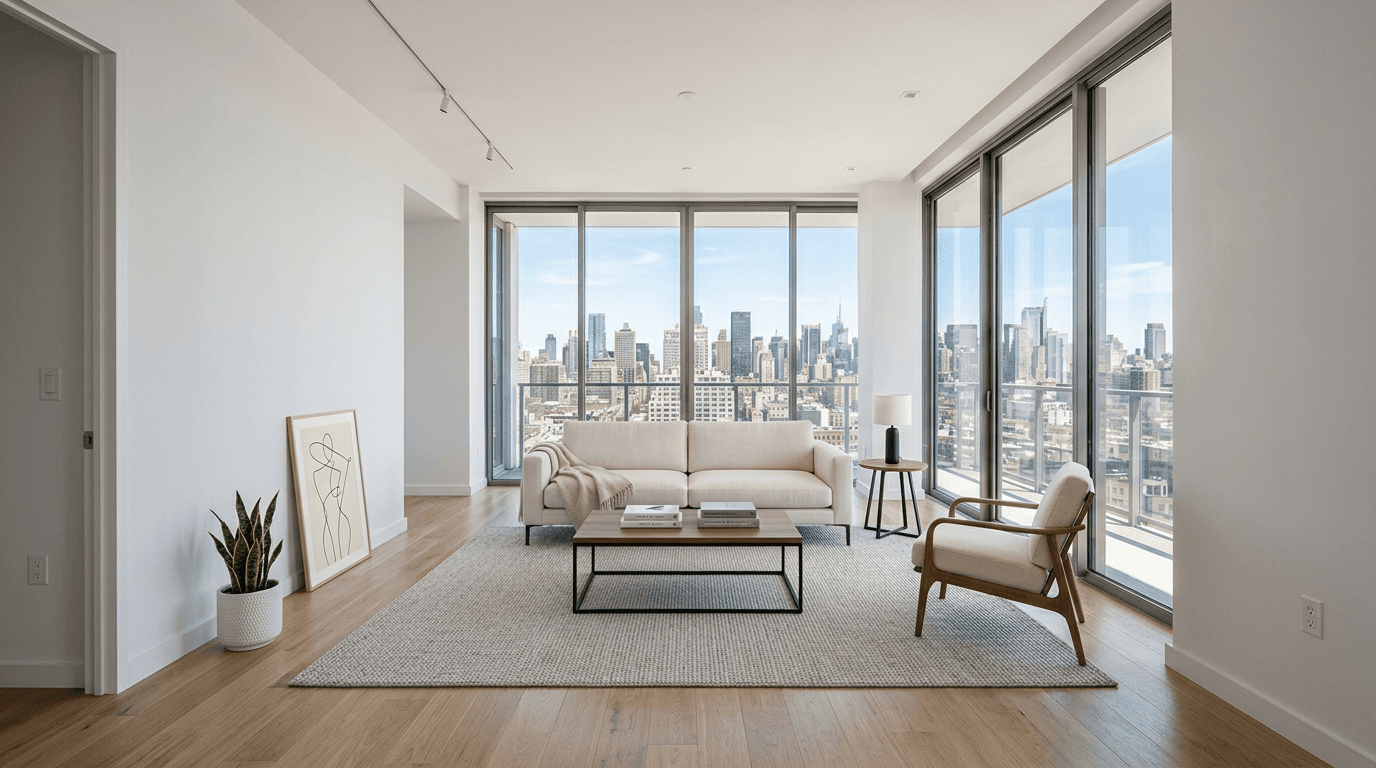
For yacht club residence developers, virtual staging is not a cosmetic add-on; it is a strategic branding tool that determines whether a prospect sees an empty unit or instantly understands the full value of a marina-connected lifestyle. In 2026, affluent waterfront buyers are not simply comparing square footage, finish packages, and views. They are evaluating identity, prestige, leisure access, hospitality standards, and the emotional promise of living within a club-driven ecosystem that may include slips, concierge boating services, sunset dining, wellness amenities, and private social programming. That is why unstaged residences underperform in this niche: blank interiors fail to communicate the exclusivity of the club, the sophistication of the resident profile, and the seamless relationship between architecture, water, and lifestyle. The most effective developers now use virtual staging to turn every listing, brochure, landing page, investor presentation, and sales gallery asset into a coherent luxury narrative. When done correctly, virtual staging helps buyers imagine mornings overlooking the marina, elegant entertaining after a day on the water, and a residence that feels as elevated as the membership itself. This guide explains exactly how yacht club residence developers should approach virtual staging step by step so the final marketing not only looks beautiful, but also sells the right story to the right buyer at the right price point.
According to recent staging metrics by the National Association of Realtors (NAR), professionally staged properties can significantly increase sales speed and perceived value, accelerating the impact for your specific niche.
Step 1: Define the yacht club lifestyle narrative before you stage a single room
The most common mistake developers make with virtual staging in yacht club communities is treating the residence as an isolated product rather than as the private extension of a larger club lifestyle. Before any furniture style, color palette, or artwork is selected, the development team must establish the exact narrative the property is supposed to communicate to the market. That means identifying who the ideal buyer truly is within this niche: a full-time waterfront resident, a seasonal boater, a multigenerational family seeking social prestige, a retired executive upgrading to a marina-centered life, or an investor purchasing within a branded luxury community. Each audience responds to different visual cues, and virtual staging must translate those cues into a lived experience. A residence tied to a high-service private marina should feel refined, tailored, and hospitality-inspired, while a family-oriented yacht club community may call for warmer gathering spaces and subtle indications of indoor-outdoor entertaining. Developers should also map the emotional selling points that matter most in this category, including exclusivity, privacy, proximity to slips, club dining, elevated design standards, effortless entertaining, and the status of belonging to a waterfront social circle. Once this positioning is clear, staging becomes intentional rather than decorative. Every room should answer a strategic question: how does this space support the boating lifestyle, reinforce the club’s prestige, and justify the premium pricing? Without that upfront framework, even expensive-looking virtual staging can feel generic and disconnected from the brand promise, which is especially damaging when marketing to affluent buyers who quickly recognize when a luxury story lacks authenticity.
Action Step
Create a one-page lifestyle positioning brief that defines your target buyer, club identity, key emotional selling points, and the visual mood your staged residences must communicate.
Step 2: Stage for architecture, view corridors, and marina-connected living rather than generic luxury
Successful virtual staging for yacht club residences must begin with respect for the architecture and the unique waterfront context, because this buyer segment expects more than standard luxury interiors placed inside a premium shell. Developers should evaluate how each residence interacts with natural light, balcony orientation, marina views, water reflections, and the transition between interior rooms and outdoor living areas. In a waterfront development, the view is often a primary asset, so staging should never compete with it. Instead, furniture layouts, scale, textures, and accent choices should subtly frame and amplify the sightlines toward the harbor, yacht basin, or coastline. This is where many generic staging executions fail: oversized furnishings, irrelevant decorative themes, or urban penthouse styling can diminish the identity of a boating-oriented residence. The right staging should feel curated for owners who appreciate yachting, coastal sophistication, and effortless social hosting without becoming cliché or overly themed. Think sculptural seating that allows the eye to travel to the water, dining settings that imply post-sailing entertaining, and bedroom compositions that suggest serenity after a day at the club. Material cues should feel elevated and site-appropriate, such as warm woods, tailored upholstery, muted nautical influences, stone textures, brushed metals, and art that reflects refined coastal culture rather than obvious marine motifs. Outdoor terraces deserve equal attention, as they often function as emotional conversion spaces for buyers imagining sunrise coffee, sunset cocktails, or entertaining guests before dinner at the club. The objective is to make the architecture feel inhabited by the exact kind of resident the development wants to attract, while preserving the natural hierarchy of the home: the water, the light, the openness, and the lifestyle should remain the hero.
Action Step
Audit each residence’s best view lines, natural light conditions, and indoor-outdoor connections, then require your staging plan to enhance those features instead of overpowering them.
Step 3: Align every staged image with your brand, pricing strategy, and affluent buyer expectations
Virtual staging for yacht club residence developers should never be handled as a disconnected creative service; it must function as a disciplined extension of the project’s overall branding and revenue strategy. In luxury waterfront development, a mismatch between staging style and brand positioning can weaken buyer confidence, dilute pricing power, and create friction in the sales process. If the community is marketed as ultra-exclusive, service-driven, and architecturally distinguished, the staged interiors must reflect that level of polish with proportionate furnishings, premium visual composition, and a restrained sense of wealth rather than loud decoration. Developers should ensure that the design language used in virtual staging mirrors the tone established across the website, sales center, printed collateral, social campaigns, investor materials, and clubhouse branding. Affluent buyers respond to consistency because consistency implies operational sophistication. The residence imagery should feel as considered as the marina design, the club lounge interiors, the member services, and the arrival experience. This alignment also matters strategically for pricing. When visual presentation supports a premium narrative, it helps sales teams defend value by making the product feel complete, aspirational, and emotionally legible. Conversely, if the staging appears generic, mass-market, or disconnected from the architectural caliber of the project, prospects may subconsciously question whether the asking price is inflated. Developers should also segment staged units by buyer type where appropriate. A flagship penthouse may need a more editorial, internationally influenced staging concept, while a spacious family residence may warrant warmer, more lifestyle-centric imagery. In every case, the goal is to create visual proof that the community is not merely near a yacht club, but is an integrated expression of the yacht club standard of living buyers are paying to access.
Action Step
Build a staging brand guide that matches your project’s pricing tier, visual identity, buyer segments, and sales messaging so every rendered image reinforces premium positioning.
Step 4: Use virtual staging across the full marketing funnel, not just on listing photos
Many developers underutilize virtual staging by limiting it to basic listing enhancement, when in reality its greatest value appears when it is deployed across the entire buyer journey. Yacht club residences are rarely impulse purchases; they are considered, emotionally driven, high-ticket decisions that unfold through repeated exposure to the brand story. Because of that, virtual staging should be integrated into every stage of the funnel, from first impression to final conversion. At the awareness stage, staged visuals can anchor paid advertising, social campaigns, digital brochures, and landing pages by instantly communicating a polished waterfront lifestyle rather than a vacant floor plan. During consideration, they can help buyers understand scale, use, and atmosphere across unit types, especially when inventory is still under construction or partially complete. In sales presentations, staged images become powerful tools for agents and developer reps who need to connect room layouts to actual daily living scenarios such as entertaining after a day on the water, hosting visiting family, or enjoying quiet mornings overlooking the marina. They also support international and out-of-market buyers who may be evaluating the property remotely and require stronger visual context to build confidence. Beyond prospect-facing marketing, developers can use staged imagery in broker outreach, PR placements, investor decks, and email nurturing campaigns to maintain a consistent message of prestige and readiness. The key is to tailor the image set to each channel while preserving a unified luxury identity. A polished hero image may lead a campaign, while alternate staged views can answer practical objections about functionality, room proportion, or furnishing possibilities. When virtual staging is embedded throughout the funnel, it stops being a surface-level enhancement and becomes an engine for education, desire, and conversion.
Action Step
Map your buyer journey and assign staged imagery to each touchpoint, including ads, landing pages, brochures, sales presentations, broker kits, and follow-up emails.
Step 5: Measure performance, refine creative, and maintain realism to protect trust
The highest-performing yacht club residence developers treat virtual staging as an iterative sales asset, not a one-time visual deliverable. Once staged imagery is in market, the next step is to evaluate how it influences engagement, inquiry quality, time on page, appointment requests, broker feedback, and ultimately conversion outcomes by unit type. Developers should compare staged versus unstaged asset performance, monitor which rooms generate the strongest response, and identify whether certain aesthetic directions resonate more with specific buyer segments. For example, one audience may respond best to serene, understated elegance, while another may engage more with a slightly more editorial and club-oriented entertaining narrative. However, optimization should never come at the cost of realism. In luxury real estate, especially within niche waterfront communities, trust is a central component of the transaction. If virtual staging overpromises scale, disguises awkward layouts, blocks important architectural details, or presents views and finish conditions inaccurately, buyers may feel misled during tours and confidence can erode quickly. That is why developers must insist on staging that is aspirational yet credible, with furniture sizes that make spatial sense, decor that fits the market, and visual treatment that enhances rather than falsifies the product. Sales teams should also be trained to present staged images transparently, using them as lifestyle illustrations while clearly connecting them to actual floor plans, finishes, and available upgrade paths. Over time, this disciplined feedback loop allows developers to sharpen creative decisions, support stronger absorption, and protect the premium reputation of the project. In a category where perception drives value, the developers who win are the ones who pair compelling imagination with rigorous brand integrity.
Action Step
Track engagement and conversion metrics for staged assets, gather sales-team feedback, and revise visuals regularly while ensuring every image remains aspirational but accurate.
Explore More Resources
Conclusion
Virtual staging gives yacht club residence developers a decisive advantage when it is used as a strategic storytelling system rather than a simple design overlay. In a market where buyers are purchasing access to prestige, marina culture, and a highly curated waterfront lifestyle, empty residences rarely communicate enough value on their own. By first defining the lifestyle narrative, then staging around architecture and views, aligning visuals with brand and pricing, deploying imagery throughout the marketing funnel, and continuously optimizing with accuracy and trust in mind, developers can elevate perception and improve sales performance. In 2026, the strongest waterfront marketing does more than show space; it demonstrates belonging. When virtual staging is executed with that level of precision, it helps buyers see not just where they could live, but who they become within the community.
Ready to Stage Your First Room?
Join thousands of top real estate professionals who use AI Virtual Staging to instantly transform vacant photos into fully-furnished masterpieces in under 20 seconds.
Start Staging For FreeFrequently Asked Questions
Why is virtual staging especially important for yacht club residence developers?
Because yacht club residences are sold on lifestyle as much as on real estate fundamentals. Empty units do not communicate marina access, club prestige, entertaining potential, or the emotional appeal of waterfront living. Virtual staging helps developers translate those intangible benefits into a visual narrative affluent buyers can understand immediately.
What makes virtual staging for yacht club communities different from standard luxury condo staging?
Yacht club communities require a stronger connection between the residence, the water, and the private-club lifestyle. The staging must support views, reflect boating-oriented living, align with the project’s brand identity, and feel tailored to affluent buyers who expect elevated design and authenticity rather than generic luxury furniture dropped into a room.
Can virtual staging help sell units that are still under construction?
Yes. It is especially valuable for pre-construction and partially completed inventory because it allows buyers to visualize scale, flow, furnishing possibilities, and the intended quality of life before the physical residence is move-in ready. This can improve confidence, support premium pricing, and shorten the path to reservation or purchase.
How realistic should virtual staging be for high-end waterfront developments?
It should be aspirational but highly credible. The best virtual staging enhances architecture and helps buyers imagine living there without misrepresenting room size, finishes, or views. In luxury development, trust is essential, so realism protects the brand and avoids disappointing prospects during in-person tours.
What rooms should yacht club residence developers prioritize first for virtual staging?
Start with the primary living area, dining area, primary bedroom, and any terrace or balcony with strong water or marina views, because these spaces typically carry the emotional weight of the sale. If budget allows, also stage secondary bedrooms or flex spaces in ways that reflect how your target buyer would actually use them, such as guest hosting, family living, or a refined home office.
Explore More Guides
Continue building your real estate expertise.
The Step-by-Step Guide to Virtual Staging for Surplus Religious Housing Conversion Developers
An authoritative 2026 step-by-step guide for developers using virtual staging to market converted convents, rectories, monasteries, and church-owned housing, helping buyers visualize modern livability while preserving historic character.
The Step-by-Step Guide to Virtual Staging for Lease-to-Own Home Program Operators
An authoritative 2026 step-by-step guide for lease-to-own and rent-to-own home program operators on using virtual staging to market vacant inventory, increase engagement, and help aspiring buyers envision long-term ownership from day one.
The Step-by-Step Guide to Virtual Staging for Military Housing Privatization Marketing Teams
An authoritative 2026 step-by-step guide for military housing privatization marketing teams on using virtual staging to reduce vacancy, build trust with military families, differentiate standardized units, and improve leasing performance for on-base and near-base housing.
The Step-by-Step Guide to Virtual Staging for Group Home Real Estate Acquisition Firms
An authoritative 2026 step-by-step guide for group home real estate acquisition firms on using virtual staging to present specialized residential properties, win stakeholder confidence, and accelerate leasing and acquisition decisions.
The Step-by-Step Guide to Virtual Staging for Urban Brownstone Restoration Brokerages
An authoritative 2026 step-by-step guide for urban brownstone restoration brokerages on using virtual staging to market restored brownstones, rowhouses, and historic townhomes while honoring period details, renovation potential, and buyer expectations.
The Step-by-Step Guide to Virtual Staging for For-Sale-By-Owner Luxury Waterfront Sellers
An authoritative 2026 step-by-step guide for FSBO luxury waterfront homeowners using virtual staging to create premium listing visuals, communicate waterfront lifestyle, and market high-end properties without a traditional agent.