
The Step-by-Step Guide to Virtual Staging for Luxury Desert Retreat Villa Marketing Teams
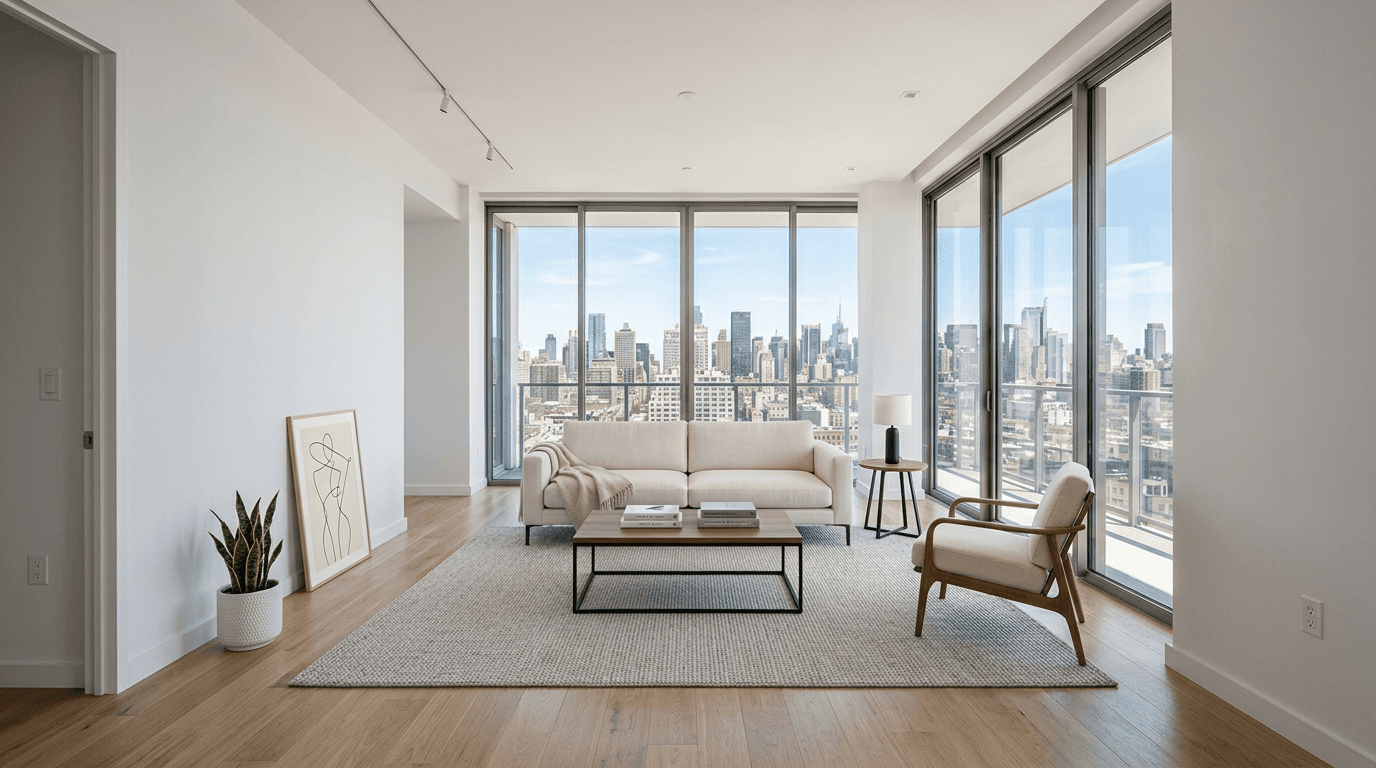
Virtual staging is no longer a cosmetic add-on for luxury desert retreat villa marketing teams; in 2026, it is a strategic pricing and positioning tool that directly influences perceived value, inquiry quality, and time to sale. High-end desert homes present a uniquely difficult visual challenge: empty rooms can feel austere under intense natural light, shadow lines can make premium finishes read cold rather than curated, and even extraordinary architecture can underperform online if buyers cannot instantly imagine the seamless indoor-outdoor lifestyle the property was designed to deliver. For resort and second-home destinations, where prospects often shop remotely and compare multiple listings in a single session, weak imagery quietly erodes premium pricing power. The teams that win are the ones that use virtual staging not to decorate randomly, but to translate architecture, climate, and aspirational living into a cohesive visual story. This guide outlines exactly how to do that with the precision expected in the luxury segment, so your marketing assets feel elevated, believable, and worthy of the villa’s asking price.
According to recent staging metrics by the National Association of Realtors (NAR), professionally staged properties can significantly increase sales speed and perceived value, accelerating the impact for your specific niche.
Step 1: Define the luxury desert lifestyle narrative before any staging begins
The most effective virtual staging for a luxury desert retreat villa starts long before a designer places a digital sofa in a living room. Marketing teams must first articulate the exact lifestyle promise the home is meant to sell, because affluent buyers in resort and second-home markets are rarely purchasing square footage alone; they are buying a future identity tied to privacy, wellness, architectural distinction, and connection to landscape. In practical terms, this means building a staging brief around the villa’s specific brand story rather than relying on generic luxury furniture packages. A contemporary glass-and-stone retreat overlooking dunes or mountains requires a different emotional tone than a warm, organic villa centered on spa living and sunset entertaining. Your team should identify the target buyer profile, the intended use case, and the dominant emotional triggers that justify the premium price. Consider whether the likely purchaser is a seasonal family, an executive seeking a private escape, an investor in high-end short-term rentals, or an international buyer comparing trophy properties remotely. Each audience responds to different visual cues. A wellness-driven buyer may need to see serene, minimal interiors and shaded outdoor lounge moments, while an entertainer may respond more strongly to a dramatic dining setup flowing into a firepit terrace. When your narrative is clearly defined, every staged image can reinforce a single coherent message: this villa is not merely beautiful, it is the ideal setting for a highly desirable desert lifestyle. That consistency is what transforms visual assets from decoration into persuasion and helps buyers understand why the home commands a top-tier number in a competitive luxury market.
Action Step
Write a one-page staging brief that defines the villa’s target buyer, lifestyle promise, design tone, and the three emotional outcomes every staged image must communicate.
Step 2: Capture photography that respects harsh desert light and preserves architectural integrity
Luxury virtual staging succeeds only when the underlying photography is strong enough to support realism, and desert properties demand a more disciplined capture strategy than many other home types. The desert’s intense sunlight can flatten texture in some areas while creating severe shadow contrast in others, causing expensive finishes, custom millwork, and indoor-outdoor transitions to photograph inconsistently if the shoot is not carefully timed and planned. Marketing teams should collaborate with photographers who understand how to balance exposure across bright exterior views and shaded interiors without making the home feel artificially dark or overprocessed. In luxury villas, authenticity matters immensely; buyers notice when window views look blown out, proportions feel distorted by poor lens choices, or luxury materials lose their richness under harsh editing. To create an ideal foundation for virtual staging, rooms should be photographed clean, level, and from angles that emphasize architectural flow rather than simply maximizing apparent size. This is especially important in open-plan great rooms, retractable wall systems, covered patios, courtyard entries, and primary suites with panoramic glazing. If the property’s signature appeal lies in dawn serenity, golden-hour entertaining, or dramatic sunset orientation, capture those moments intentionally so the staging can amplify a true selling advantage instead of compensating for a missed one. The goal is not to neutralize the desert environment but to use it intelligently: crisp light, sculptural shadows, natural stone, and horizon views should become assets that staging supports. When your base imagery is technically excellent, the final staged visuals look editorial, believable, and aligned with luxury buyer expectations rather than digitally embellished for effect.
Action Step
Schedule a photography plan that includes ideal shoot times, hero angles for key rooms, balanced exposure priorities, and specific coverage of every major indoor-outdoor transition.
Step 3: Stage each room to express premium function, scale, and indoor-outdoor living
Once the visual narrative and source photography are established, the next step is to stage with intentionality that reflects how affluent buyers actually evaluate luxury desert villas. In this market, rooms should never be furnished simply to fill empty space; they must demonstrate scale, purpose, and a refined way of living that matches both architecture and destination. A large great room, for example, should be staged to show intimate conversation zones without diminishing volume, while also preserving sightlines to terraces, pools, courtyards, or mountain backdrops. Dining areas should suggest elegant hosting and spatial flow rather than generic occupancy. Primary suites should communicate restoration, privacy, and resort-caliber comfort. Outdoor areas deserve particularly sophisticated treatment because they often carry disproportionate influence in desert properties: shaded lounges, dining terraces, fire features, wellness corners, and poolside relaxation zones must be styled to make climate-responsive living feel effortless and luxurious. Materiality matters as much as furniture placement. Virtual staging should reflect finishes already present in the architecture, using palettes and textures that harmonize with stone, plaster, wood, metal, and desert-adjacent neutrals rather than competing with them. Overscaled furnishings, trend-heavy decor, or urban aesthetics that ignore the home’s context can instantly undermine credibility. Marketing teams should also pay attention to what is intentionally omitted. Negative space, circulation, and visual calm are often more persuasive in luxury marketing than excess accessories. The strongest staged imagery helps a buyer understand not only what fits in the room, but how the room performs at a premium standard. That is how staging turns emptiness into aspiration without sacrificing realism.
Action Step
Create a room-by-room staging plan that assigns a luxury lifestyle function, ideal furniture scale, and indoor-outdoor visual connection for every hero space in the villa.
Step 4: Demand realism, brand consistency, and buyer trust in every final image
In the luxury segment, virtual staging can elevate perceived value dramatically, but only if it is executed with restraint, precision, and consistency across the entire campaign. Buyers shopping in the high-end desert villa market are highly visual and often experienced; many have seen dozens of premium listings, visited designer homes, and developed a strong instinct for what looks believable versus digitally manufactured. That means marketing teams must apply rigorous quality control before publishing any staged assets. Every image should maintain consistent design language, lighting logic, shadow direction, object scale, and material realism so the property feels cohesive from gallery to brochure to landing page to social promotion. If one room reads as minimalist organic resort luxury while another suddenly shifts toward glossy metropolitan glam, the buyer experiences subtle distrust. Likewise, if furniture placement obscures architecture, window views do not match the room’s lighting conditions, or staged decor appears too crisp compared with surrounding surfaces, the illusion breaks and the listing can feel less premium rather than more. Consistency should also extend to your brand positioning. A brokerage or developer known for refined, design-led marketing should ensure staged visuals align with that standard, supporting not just the property but the broader reputation of the team behind it. This is also the stage where transparency and compliance matter. Virtual staging should be disclosed appropriately according to local rules and platform norms, while still presenting the home in its strongest possible light. Trust is a luxury marketing asset. When teams pair elevated imagery with ethical clarity and impeccable realism, they strengthen buyer confidence and protect the listing’s premium stature.
Action Step
Review all staged images against a quality checklist covering realism, design consistency, scale, lighting accuracy, brand alignment, and required virtual-staging disclosure.
Step 5: Deploy staged visuals across the full marketing funnel to support premium pricing
The final step is to treat virtual staging not as a listing-photo tactic, but as a central asset within a broader luxury marketing system designed to justify price and improve conversion. Too many teams invest in exceptional staged imagery and then limit its use to a standard MLS gallery, missing the opportunity to shape buyer perception at every touchpoint. In high-end desert villa marketing, staged visuals should anchor the entire narrative across property websites, digital brochures, email campaigns, paid social advertising, retargeting creative, presentation decks for brokers, and long-form listing pages designed for remote second-home shoppers. Different images should be mapped to different buyer questions. Hero exterior-to-interior transition shots can stop attention in ads, while a beautifully staged great room can establish emotional resonance on the landing page, and curated outdoor living scenes can support price conversations by reinforcing the home’s experiential value. Sales teams should also use side-by-side empty and staged visuals strategically in private conversations when they need to educate skeptical sellers or help buyers understand spatial potential without creating confusion in public-facing channels. Most importantly, measure performance. Track whether staged listings improve click-through rates, page engagement, showing requests, and offer quality compared with unstaged or minimally staged campaigns. In a competitive resort or second-home market, premium pricing is sustained by repeated visual reinforcement. When the same elevated lifestyle message appears consistently from first impression to final negotiation, buyers are more likely to internalize the villa as a category leader rather than just another expensive property in the desert.
Action Step
Integrate your staged images into every major marketing channel and track how they affect engagement, inquiry quality, showing volume, and pricing confidence.
Explore More Resources
Conclusion
For luxury desert retreat villa marketing teams, virtual staging is most powerful when it is approached as a disciplined strategy rather than a decorative shortcut. By defining a precise lifestyle narrative, capturing photography that respects desert light, staging rooms to express premium living, enforcing realism and consistency, and deploying the final assets across the full marketing funnel, you create a visual experience that helps buyers feel the property’s value before they ever step inside. In a market where empty homes can appear severe and where luxury pricing depends on aspiration as much as architecture, thoughtful virtual staging turns harshness into warmth, space into possibility, and beautiful design into compelling proof of worth.
Ready to Stage Your First Room?
Join thousands of top real estate professionals who use AI Virtual Staging to instantly transform vacant photos into fully-furnished masterpieces in under 20 seconds.
Start Staging For FreeFrequently Asked Questions
Why is virtual staging especially important for luxury desert villas?
Luxury desert villas often have expansive rooms, strong light contrast, and architecture designed around views and outdoor living. When these homes are photographed empty, they can feel stark, overly severe, or difficult for buyers to interpret online. Virtual staging adds context, warmth, and livability while helping prospects understand scale, flow, and the lifestyle the home offers, which is critical when supporting premium pricing.
Can virtual staging make a high-end listing look fake or misleading?
It can if it is poorly executed. In the luxury market, realism is essential. The best virtual staging respects architectural proportions, uses furnishings appropriate to the home’s design language, aligns with natural lighting conditions, and is disclosed properly when required. When done well, it enhances understanding rather than deceiving the buyer.
Which spaces should luxury desert retreat marketing teams prioritize first?
Start with the spaces that most directly influence emotional response and pricing perception: the great room, primary suite, main dining area, key outdoor entertaining zones, and any signature indoor-outdoor transition such as a retractable-wall living area or resort-style terrace. These areas usually define the property’s identity and create the strongest first impression online.
How should virtual staging reflect indoor-outdoor desert living?
It should visually connect interior rooms to terraces, courtyards, pools, fire features, and view corridors so buyers immediately understand how the villa functions as a seamless lifestyle environment. This means using furniture layouts, sightlines, and design continuity that emphasize flow, shade, hospitality, and relaxation rather than treating the inside and outside as separate experiences.
How can marketing teams tell whether virtual staging is improving results?
Measure performance across the funnel. Compare staged and unstaged campaigns using metrics such as click-through rate, time on page, saved listings, showing requests, inquiry quality, and the strength of pricing conversations. In many cases, the biggest benefit is not just more attention, but better-qualified buyer engagement and stronger support for the home’s asking price.
Explore More Guides
Continue building your real estate expertise.
The Step-by-Step Guide to Virtual Staging for Senior Living Community Marketers
Learn how senior living community marketers can use virtual staging to make empty units feel warm, trustworthy, and livable, reduce hesitation during tours, and support occupancy goals in 2026 with a practical five-step process.
The Step-by-Step Guide to Virtual Staging for RV Park Resort Developers
A comprehensive 2026 step-by-step guide for RV park resort developers on using virtual staging to market upscale RV resorts, cabins, clubhouses, and amenity spaces with premium visuals that support pricing, absorption, and membership sales.
The Step-by-Step Guide to Virtual Staging for Industrial Live/Work Space Brokerages
An authoritative 2026 step-by-step guide for industrial live/work space brokerages using virtual staging to market lofts, maker spaces with residences, and creative industrial units. Learn how to plan use-case-driven staging, define buyer personas, optimize visuals, comply with marketing standards, and convert difficult hybrid spaces into clearer, higher-performing listings.
The Step-by-Step Guide to Virtual Staging for Vacation Rental Cabin Resort Operators
An authoritative 2026 step-by-step guide for vacation rental cabin resort operators on using virtual staging to improve listing photos, preserve rustic character, compete on OTAs, and increase bookings across seasonal inventory.
The Step-by-Step Guide to Virtual Staging for Institutional Single-Family Rental Leasing Teams
An authoritative 2026 step-by-step guide for institutional single-family rental leasing teams on using virtual staging to standardize listing presentation, speed vacancy turnaround, improve portfolio-wide visual quality, and support faster leasing across scattered-site homes.
The Step-by-Step Guide to Virtual Staging for Medical Office Building Leasing Teams
An authoritative 2026 step-by-step guide for medical office building leasing teams on using virtual staging to market vacant suites, clarify layout potential, and help healthcare tenants envision exam rooms, reception areas, and administrative zones.