
The Step-by-Step Guide to Virtual Staging for Vacation Rental Cabin Resort Operators
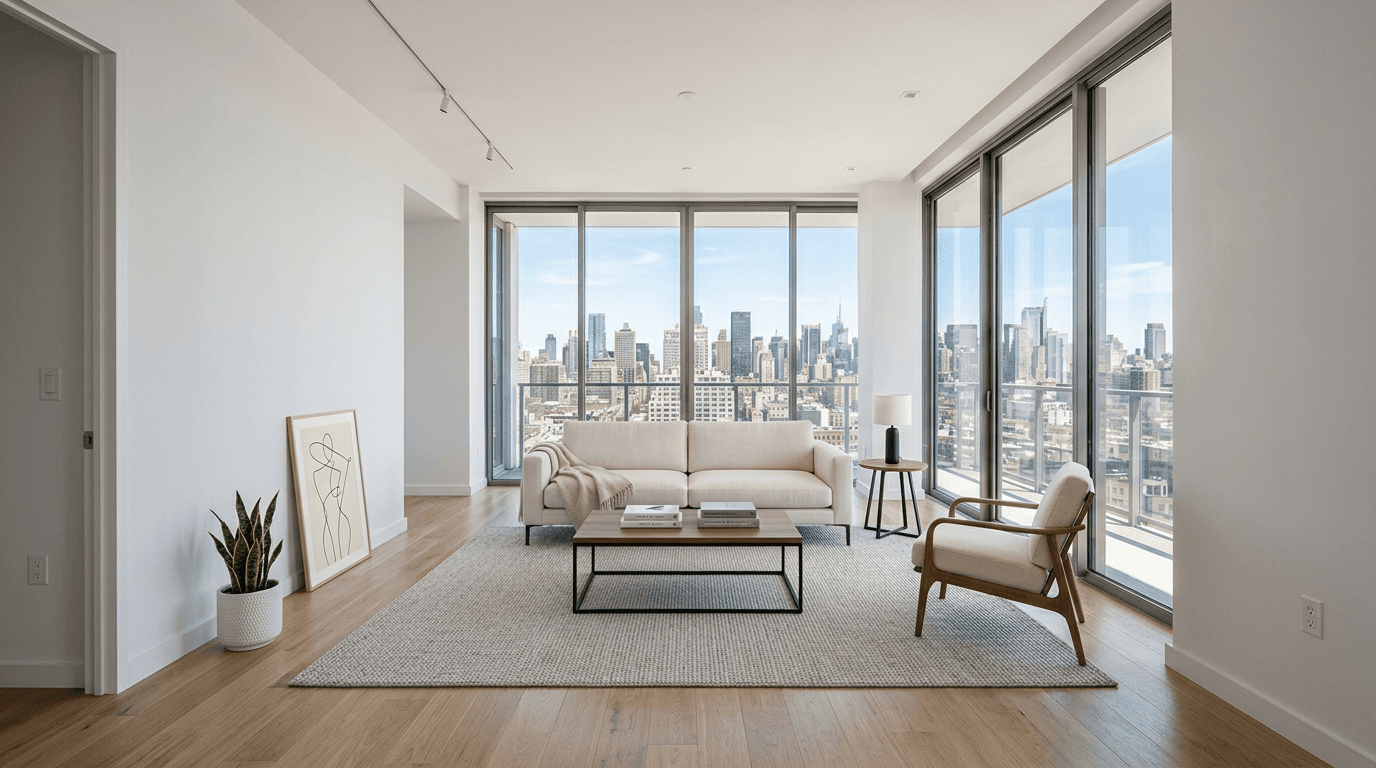
In 2026, cabin resort operators are no longer competing only on location, amenities, and nightly rate; they are competing image by image in search grids where a guest may spend just seconds deciding whether to click, save, or scroll past. For owners of cabin resorts, glamping retreats, mountain lodges, and niche short-term rental portfolios, this creates a very specific challenge: your properties must look polished enough to outperform generic rentals, but authentic enough to preserve the rustic warmth, natural textures, and experiential identity guests are actually paying for. Add in seasonal swings, inconsistent daylight, weather-dependent exteriors, dated furnishings, and the reality that many wood-heavy interiors can photograph darker or more cluttered than they feel in person, and it becomes clear why virtual staging has become a serious revenue tool rather than a cosmetic luxury. When used strategically, virtual staging helps operators present cabins at their absolute best without physically redecorating every unit, allowing them to standardize brand presentation, highlight premium experiences, and create listing images that convert across OTAs, direct booking sites, and social channels. This guide walks you through the exact process for using virtual staging the right way so your imagery increases click-through rate, sets accurate expectations, strengthens your brand, and helps more of your inventory stand out in a crowded marketplace.
According to recent staging metrics by the National Association of Realtors (NAR), professionally staged properties can significantly increase sales speed and perceived value, accelerating the impact for your specific niche.
Step 1: Start with a revenue-first visual strategy before you stage a single image
The biggest mistake cabin resort operators make with virtual staging is treating it as a decorative afterthought rather than as part of a booking conversion system. Before you request any edits, you need to define what each image is supposed to accomplish in the guest journey, because different photos serve different commercial purposes across OTAs and direct booking channels. Your hero image needs stopping power in thumbnail form, your interior living shots must communicate warmth and usability, your bedroom photos need to sell comfort and style, and your outdoor images must reinforce the emotional promise of the stay, whether that promise is seclusion, family gathering, romance, adventure, or luxury in nature. This is especially important for cabin resorts and glamping operators because rustic inventory often varies widely from unit to unit, and what feels charming on-site can read visually as dark, empty, outdated, or inconsistent online. A revenue-first strategy means auditing your current gallery and identifying which units underperform, which room types lose visual impact in winter or shoulder season, and which amenities guests most often mention in reviews or booking inquiries. From there, segment your inventory by target guest type, such as couples, families, reunion groups, or luxury nature travelers, and align staging direction to those audiences instead of applying one generic design approach across every cabin. If a premium creekside lodge is meant to attract high-value weekend bookings, its virtual staging should emphasize refined comfort, layered textures, and upscale gathering spaces. If a family cabin is struggling to book weekday stays, the visuals should make the layout feel practical, welcoming, and easy to enjoy. This planning stage also protects authenticity. Rustic hospitality depends on emotional trust, so your goal is not to make every space look urban, minimal, or overly manufactured. It is to reveal the strongest, most marketable version of what is already true about the property. Operators who define goals first consistently get better outcomes because every staged image is tied to a commercial objective: more clicks, stronger perceived value, better pricing power, or more confidence at the point of booking.
Action Step
Audit your current listing photos and define the booking objective, target guest, and visual purpose for each room type before commissioning any virtual staging.
Step 2: Capture the right base photography so virtual staging enhances reality instead of compensating for bad images
Virtual staging only performs well when the source photography is fundamentally strong, and for vacation rental cabins this matters even more because natural materials, mixed lighting, and seasonal surroundings can create difficult images that no amount of editing can fully rescue. The most successful operators begin with clean, professionally composed photos that show accurate room proportions, strong architectural features, and the environmental context that makes the stay unique. That means photographing cabins when they are thoroughly decluttered, deep cleaned, and prepared to showcase built-in selling points such as exposed beams, stone fireplaces, panoramic windows, covered porches, hot tubs, bunk rooms, reading nooks, and outdoor fire features. If your property photographs inconsistently across seasons, do not assume one shoot can cover everything forever. Instead, think in terms of evergreen core imagery paired with seasonal support imagery. A bright autumn exterior may be ideal for broad marketing appeal, while a snow-season version may be essential for winter campaign performance. Inside, rustic interiors often suffer from orange color cast, dim corners, and visual heaviness caused by wood walls and limited overhead lighting. This is why camera angle selection, window exposure control, and lens choice matter so much before staging is even introduced. You want photographs that preserve the scale and honesty of the room while leaving enough open visual space for digital furnishings, styling, or refinement. It is also critical to decide which rooms should remain minimally edited or unstaged. If a cabin already has attractive furnishings but poor styling, a refresh may be better than a fully empty-room transformation. Likewise, if a glamping tent has signature design elements that guests expect, your photography should document those faithfully so staging merely elevates presentation rather than reinventing the product. Operators who invest in proper source imagery reduce revision costs, get more natural-looking staged results, and avoid the reputational risk of publishing photos that feel disconnected from the actual guest experience.
Action Step
Schedule or review a professional photo set for each key unit and identify which images are strong enough for virtual staging, which need reshooting, and which should remain mostly untouched for authenticity.
Step 3: Build a staging style that polishes the property while protecting the rustic brand guests expect
The most effective virtual staging for cabin resorts is not the kind that impresses designers; it is the kind that helps the right guest imagine themselves booking with confidence. That requires a staging style rooted in brand discipline. Rustic and nature-based hospitality sells atmosphere, and atmosphere is incredibly easy to damage when digital staging introduces décor that feels too urban, too trendy, too luxury-generic, or too disconnected from the property’s setting. A mountain lodge with reclaimed wood, antler lighting, and lake views should not suddenly read like a downtown condo, just as a high-end glamping retreat should not be staged with heavy furniture that undermines its airy escapist appeal. Start by defining a visual vocabulary for your brand: wood tones, textiles, accent colors, furniture shapes, decorative restraint level, and experiential cues that align with your ideal guest. For example, a family-oriented cabin resort may benefit from soft layered seating, plaid or textured throws, practical dining setup, and subtle lifestyle signals of togetherness, while a couples retreat may need a more refined palette, cleaner lines, romantic lighting cues, and premium touches around the bed and fireplace. The key is consistency across the portfolio without making every unit feel copy-pasted. Virtual staging should also solve specific listing problems. If a room feels too empty, it can add scale and warmth. If the furnishings are dated but functional, staging can modernize the presentation while preserving layout honesty. If a large room lacks focal structure, staging can create visual hierarchy so guests instantly understand how the space is used. Be disciplined about restraint. Overdecorating is one of the fastest ways to lose trust in short-term rental marketing because guests notice when surfaces are unrealistically styled or when seating, rugs, and accessories make a small room look larger than it is. Your objective is to reduce friction in the guest imagination, not to create fantasy. The strongest cabin operators use staging to reinforce experience-led positioning: cozy, elevated, outdoors-connected, premium, family-ready, romantic, or adventure-based. When done this way, each image supports your pricing, your audience targeting, and your long-term brand memory.
Action Step
Create a written visual staging brief that defines your brand style, guest persona, approved décor direction, and the authenticity boundaries your staged images must not cross.
Step 4: Use virtual staging strategically across listing types, seasons, and channels to maximize conversion
Once your imagery and staging style are defined, the next step is deployment, and this is where many operators leave significant revenue on the table. Virtual staging should not be used randomly on a few empty-room photos and forgotten; it should be integrated into a channel-specific merchandising plan that reflects how guests shop for cabin stays in 2026. OTA platforms reward images that drive clicks and keep attention, but direct booking sites need visuals that deepen trust and help justify value. Social media needs scroll-stopping atmosphere, while email campaigns often benefit from seasonal and experiential storytelling. This means your virtual staging library should be organized intentionally. Your first image should communicate the strongest emotional hook of the property, whether that is a fireside living room, hot tub deck with mountain view, upscale bedroom, or dramatic exterior. Secondary images should answer booking questions in sequence: what does it feel like, how does it function, who is it for, and why is it worth the price? For resort operators with multiple units, this is also the stage where standardization matters. You can use virtual staging to make unit categories feel more cohesive even when furnishings vary, helping guests understand the difference between standard, premium, and signature inventory tiers. Seasonal application is equally powerful. If your cabins photograph beautifully in fall but underperform in muddy spring or dark winter shoulder periods, selective seasonal staging and image rotation can preserve marketability without misrepresenting reality. The same room can be merchandised with slightly different styling emphasis depending on campaign goal, such as cozy winter escapes, summer family trips, or romantic anniversary weekends. However, every variation must remain truthful to the actual space and amenities. You should also test image order and monitor performance. If a newly staged hero image lifts click-through rate or if a more polished bedroom image improves conversion on premium cabins, that becomes operational insight, not just a design preference. Treat your staged image set like a living sales asset, and revisit it as occupancy trends, traveler expectations, and platform behavior evolve.
Action Step
Organize your staged images by channel, season, and unit tier, then update listing photo order strategically so each gallery sells the property experience in a deliberate sequence.
Step 5: Protect trust, compliance, and long-term brand performance with disciplined quality control
Virtual staging works best when it strengthens credibility rather than creating a short-term spike in attention followed by guest disappointment, poor reviews, or support issues. For cabin resort operators, this is especially important because your product is experiential and emotionally charged: guests arrive expecting not just a room, but a feeling that matches the promise of your marketing. The final step, therefore, is building a quality-control process around every staged image you publish. Start by reviewing all edits for factual accuracy. Furniture placement should reflect realistic room dimensions, window views must be genuine, built-in features cannot be altered deceptively, and amenities that do not exist should never be implied. If the property has a small sleeping loft, compact bathroom, or modest kitchen, staged images should help the space look inviting and functional without disguising scale. This is not just an ethical issue; it directly affects booking quality, refund risk, and review sentiment. You should also maintain clear internal labeling of original versus staged images so your team, property managers, marketers, and OTA coordinators know what has been edited and where each asset is approved for use. In some contexts, especially on direct booking sites or marketing collateral, a simple disclosure that certain images are virtually staged can reinforce professionalism rather than weaken impact. Beyond compliance, quality control means measuring whether staging actually improves outcomes. Track photo-level engagement where possible, compare inquiry quality before and after updates, watch for changes in conversion on key unit types, and review guest feedback for signs that imagery is setting the right expectations. If guests repeatedly comment that a cabin looked exactly like the photos but even better in person, your staging process is working. If they mention rooms feeling smaller, darker, or less finished than expected, your visuals need recalibration. The operators who win with virtual staging are not the ones with the flashiest edits; they are the ones who build a repeatable, truthful visual system that increases bookings while preserving the trust that sustains long-term occupancy, premium pricing, and brand reputation.
Action Step
Implement a final approval checklist for every staged image covering realism, compliance, brand fit, disclosure policy, and post-launch performance tracking.
Explore More Resources
Conclusion
Virtual staging has become one of the smartest visual merchandising tools available to vacation rental cabin resort operators, but its real value lies in disciplined execution rather than digital novelty. When you begin with a revenue-focused strategy, invest in strong source photography, define a brand-consistent rustic staging style, deploy images intentionally across seasons and channels, and protect trust through rigorous quality control, you turn listing photos into a measurable growth asset. In a crowded 2026 travel marketplace, that can mean stronger click-through rates, better perceived value, more confidence at the point of booking, and improved performance across both OTAs and direct booking channels. For cabin resorts, glamping properties, and mountain lodges, the goal is not to make nature-based accommodations look generic or overly manufactured; it is to present them at their most compelling, polished, and bookable while staying faithful to the experience guests will actually have. Operators who master that balance are the ones most likely to stand out, maintain brand integrity, and convert visual attention into consistent occupancy.
Ready to Stage Your First Room?
Join thousands of top real estate professionals who use AI Virtual Staging to instantly transform vacant photos into fully-furnished masterpieces in under 20 seconds.
Start Staging For FreeFrequently Asked Questions
Is virtual staging appropriate for rustic cabins and glamping properties, or will it make them feel inauthentic?
Yes, virtual staging can be highly effective for rustic cabins and glamping properties when it is guided by the property’s real character. The purpose is not to erase the wood, stone, canvas, or outdoor identity that guests want; it is to refine how that identity is presented in photos. When staging respects the architecture, scale, and mood of the property, it can make rooms feel warmer, more intentional, and easier for guests to understand without making the listing look artificial.
Can virtual staging help seasonal properties that look very different throughout the year?
Absolutely. Seasonal inconsistency is one of the strongest use cases for virtual staging in the cabin resort sector. Operators can maintain a polished year-round image library by pairing core evergreen photos with season-specific supporting visuals. This helps properties remain competitive during winter, shoulder season, or periods when landscaping, weather, and natural light make photography more challenging, as long as the images still reflect the real appearance and usability of the property.
Will OTA platforms allow virtually staged vacation rental photos?
Platform policies can evolve, so operators should always review the latest guidance for each OTA they use in 2026. In general, the key principle is accuracy. Images should not misrepresent room size, amenities, views, or features that do not exist. Virtual staging is safest when it enhances presentation honestly rather than materially altering the product. Many operators also choose to maintain internal documentation and, where appropriate, use transparent disclosure practices on owned channels.
Which rooms in a cabin resort benefit most from virtual staging?
The highest-impact rooms are usually the ones that influence first impressions and booking confidence most directly: main living areas, primary bedrooms, dining spaces, porches, and premium-view rooms. Empty or dated multipurpose spaces can also benefit significantly because staging helps guests understand how the room functions. In cabin resorts, the best candidates are often spaces that feel better in person than they photograph, especially dark wood interiors, oversized great rooms, and outdoor living areas that need stronger visual storytelling.
How do I know whether virtual staging is improving bookings?
You should evaluate virtual staging the same way you would any revenue-facing marketing improvement. Monitor click-through rate on listings, engagement with gallery images where available, inquiry quality, booking conversion on updated units, and changes in average daily rate acceptance for premium inventory. Qualitative signals also matter. If guests mention that the property matched the photos well, if fewer pre-booking clarification questions are needed, and if staged units begin outperforming similar unstaged units, those are strong indicators that your visual strategy is working.
Explore More Guides
Continue building your real estate expertise.
The Step-by-Step Guide to Virtual Staging for Dental Practice Brokers
An authoritative 2026 step-by-step guide for dental practice brokers on using virtual staging to modernize dated operator-owned offices, improve buyer perception, and market treatment rooms, reception areas, and leasehold opportunities ethically and effectively.
The Step-by-Step Guide to Virtual Staging for Mobile Home Park Investors
An authoritative 2026 step-by-step guide for mobile home park investors on using virtual staging to improve listings, lease and sell homes faster, reduce vacancy drag, and create low-cost marketing assets across manufactured housing communities.
The Step-by-Step Guide to Virtual Staging for Urban Loft Condo Conversion Developers
An authoritative 2026 step-by-step guide for urban loft condo conversion developers using virtual staging to market adaptive reuse units, overcome irregular layouts, showcase industrial character, and accelerate downtown condo sales.
The Step-by-Step Guide to Virtual Staging for Manufactured Home Community Sales Teams
An authoritative 2026 step-by-step guide for manufactured home community sales teams using virtual staging to market homes and vacant pads at scale, improve listing quality, reduce buyer hesitation, and support faster community sales.
The Step-by-Step Guide to Virtual Staging for New Construction Infill Townhome Marketers
An authoritative 2026 step-by-step guide for developers, sales teams, and agencies using virtual staging to market new construction infill townhomes, helping buyers visualize layout, scale, and modern urban living before completion.
The Step-by-Step Guide to Virtual Staging for Short-Term Rehab Housing Providers
Learn how short-term rehab housing providers can use virtual staging in 2026 to present temporary recovery rentals as comfortable, accessible, clean, and referral-ready. This step-by-step guide covers room selection, recovery-focused design, compliance-minded visuals, photo preparation, and marketing deployment.