
The Step-by-Step Guide to Virtual Staging for Maritime Waterfront Home Brokerages
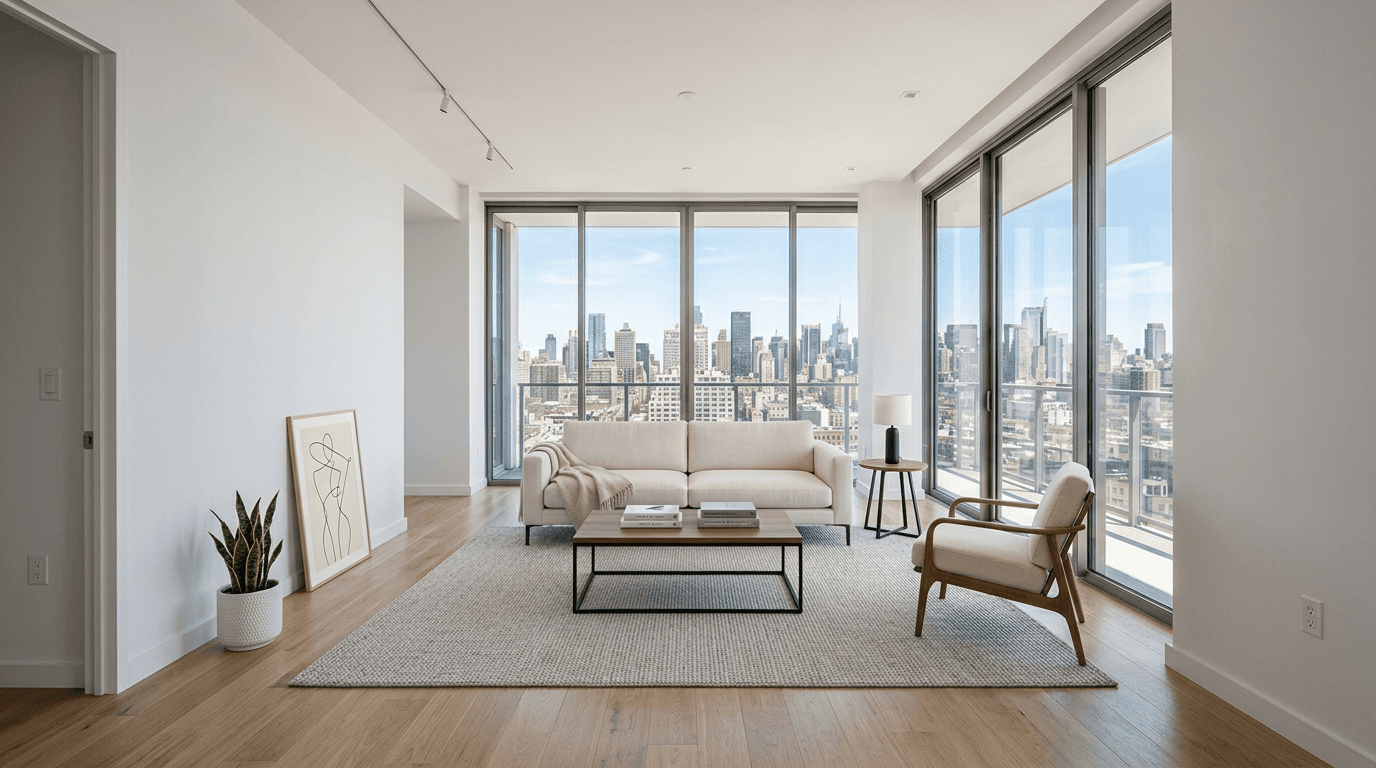
For maritime waterfront home brokerages, exceptional marketing is rarely won on the view alone. In 2026, buyers still expect the emotional pull of a dock at sunset, panoramic harbor exposure, or a private canal frontage, but premium asking prices are increasingly defended by the total visual story of the home, not just the shoreline behind it. That creates a familiar challenge in secondary and niche seaside markets: the scenery is naturally compelling, yet the interiors of coastal cottages, boathouse properties, and waterfront residences often read as dated, overly seasonal, sparsely furnished, or disconnected from the caliber of the listing price. Add limited access during peak occupancy periods, fluctuating weather, and owners who may only allow restricted photography windows, and brokerages are left trying to market premium inventory with assets that undersell the property’s livability. Virtual staging is the strategic solution when it is used with discipline, market fluency, and architectural respect. Done correctly, it helps brokerages preserve authentic maritime character while showing buyers how a waterfront interior can feel refined, current, and worthy of serious consideration. This guide explains exactly how to use virtual staging step by step so your listing visuals support pricing, improve click-through performance, and convert scenic interest into qualified buyer action.
According to recent staging metrics by the National Association of Realtors (NAR), professionally staged properties can significantly increase sales speed and perceived value, accelerating the impact for your specific niche.
Step 1: Audit the property’s visual weaknesses before you stage for aspiration
The most effective virtual staging strategy for a maritime waterfront listing begins long before furniture is added to an image. Brokerages need to perform a rigorous visual audit that separates what truly sells the property from what quietly suppresses buyer confidence. Waterfront homes frequently benefit from extraordinary natural advantages, but those advantages can mask avoidable presentation problems in the listing gallery. A canal home may have a pristine dock and sunset-facing exposure, yet the interior might show mismatched wood tones, oversized legacy furniture, marine clutter, heavy window treatments, or vacant rooms that feel cold rather than coastal. A boathouse-adjacent residence may have beautiful access and utility, but if the living areas appear dim, dated, or too personalized, buyers begin to mentally discount the home despite the setting. The audit should identify every room that influences perceived value, including the living room, primary bedroom, dining area, sunroom, covered porch, and any flex space that could be interpreted as a bunk room, office, or guest retreat. It should also evaluate how each room relates to the water, because waterfront buyers are not simply buying square footage; they are buying a lifestyle sequence between indoor comfort and outdoor access. In practical terms, this means reviewing every photograph for lighting quality, sightline priority, window visibility, scale distortion, seasonal distractions, and décor that competes with the architecture or the view. The goal is not to stage every room indiscriminately, but to identify where virtual staging can close the gap between actual potential and current perception. Brokerages that skip this diagnostic phase often produce attractive images that still fail strategically, because they stage the wrong spaces, overstyle inconsequential rooms, or ignore visual friction points that matter to buyers in coastal and secondary markets.
Action Step
Review the full photo set for each waterfront listing and mark the 3 to 5 rooms where visual upgrades would most directly improve perceived value and buyer confidence.
Step 2: Build a staging concept that matches the maritime market, architecture, and price point
Once the brokerage knows which rooms need intervention, the next step is to create a virtual staging concept rooted in the realities of the local waterfront market rather than generic coastal aesthetics. This is where many listing presentations lose credibility. Maritime buyers in secondary seaside markets are highly sensitive to authenticity, and they can immediately detect when a room has been styled with a broad, trendy “beach house” template that ignores the architecture, climate, and usage patterns of the property. A coastal cottage in a working harbor town should not be staged the same way as a sleek canal-front contemporary or a legacy family retreat near a marina. The staging plan should account for the property’s construction style, likely buyer profile, level of finish, room proportions, and how the home is used across seasons. For example, a modest but charming waterfront cottage may benefit from clean-lined furnishings, textural natural materials, lighter upholstery, and layout choices that make the home feel brighter and more spacious without pretending it is a luxury new build. By contrast, a higher-end waterfront residence may require richer layering, stronger symmetry, more refined lighting elements, and furnishings that signal premium comfort while preserving openness to the water views. It is also essential to keep maritime practicality in mind. Rooms should suggest durability, easy circulation from dock to interior, and spaces designed for hosting, relaxing, and storing gear gracefully, even if those cues are subtle. The best virtual staging concept elevates the home into its highest believable version. It should make buyers think, “This is exactly how waterfront living here should feel,” rather than, “This looks professionally decorated but unrealistic.” When the concept is aligned with architecture and buyer expectations, staged visuals support pricing because they feel not only beautiful, but correct.
Action Step
Create a room-by-room staging brief that defines the style direction, buyer profile, furnishing level, and visual mood appropriate for the property’s exact waterfront segment.
Step 3: Use source photography and editing standards that preserve credibility
Virtual staging only works as a brokerage asset when the underlying photography is strong enough to carry realism. In waterfront real estate, credibility is especially fragile because buyers are already alert to exaggerated marketing; they know that weather, seasonality, and light can dramatically alter how a property presents. If the source image is poorly composed, badly exposed, distorted, or cluttered beyond repair, even excellent staging will feel artificial. Brokerages should therefore establish photography and editing standards specifically for maritime inventory. First, prioritize images that clearly show room dimensions, natural light, window placement, and the relationship between interior living zones and exterior water-facing features. Buyers need to understand not just that the room is attractive, but how it lives in connection with the shoreline, deck, dock, porch, or boathouse. Second, remove temporary distractions before photography whenever possible, including coolers, maintenance tools, stacked seasonal items, personal fishing gear, or furniture arrangements that block the line of sight to the water. Third, maintain faithful color balance and architectural accuracy in post-production. Waterfront homes often contain reflective surfaces, weathered woods, nautical finishes, and shifting blue-gray light that can become oversaturated or visually confused if edited aggressively. Virtual furniture, rugs, lighting, and décor should then be added with accurate scale, believable shadowing, clean edge handling, and sensible spatial placement. Nothing undermines trust faster than floating chairs, oversized sofas, impossible lamp positions, or staging that obscures major structural realities like low ceilings, awkward angles, or support beams. In 2026, buyers are comfortable with virtual staging when it is disclosed and executed professionally, but they are increasingly skeptical of anything that feels deceptive. For brokerages, that means the objective is not perfection; it is persuasive realism. The finished image should clarify function, improve warmth, and elevate aspiration while remaining visually honest to the actual room buyers will see when they arrive.
Action Step
Adopt a waterfront listing imaging checklist covering composition, decluttering, lighting, realism standards, and disclosure before any virtually staged photos go live.
Step 4: Stage strategically for lifestyle storytelling, not just decoration
The highest-performing virtual staging for maritime waterfront brokerages does more than make empty rooms look furnished; it tells a buyer how life unfolds inside the property. This distinction is critical in niche seaside markets where buyer motivations are often emotional, recreational, multigenerational, and seasonal all at once. A strong staged image should answer the unspoken question every waterfront prospect is asking: what does it feel like to live here between the moments on the water? In practical terms, this means each staged room needs a purpose that supports the broader waterfront narrative. A living room should orient the eye toward conversation and view enjoyment rather than random furniture placement. A dining area should imply easy entertaining after boating, beach walks, or marina outings. A flex room should not be left ambiguous if it can become a guest bunk space, reading den, remote-work area, or gear-friendly family retreat. Bedrooms should communicate retreat and calm rather than generic hospitality staging. Covered porches and enclosed sunrooms deserve special attention because they often function as transitional lifestyle spaces that materially influence perceived value in waterfront properties. Brokerages should also consider the likely ownership pattern: full-time residents may prioritize year-round comfort and office functionality, while second-home buyers may respond more strongly to ease, low-maintenance elegance, and family gathering cues. Importantly, staging should remain restrained enough to let architecture and views lead. The best waterfront imagery creates a dialogue between interior refinement and outdoor privilege. It frames the home as a place where sunrise coffee, post-sailing dinners, holiday weekends, and quiet off-season escapes all feel possible. When staged visuals create that emotional continuity, they stop functioning as decoration and start functioning as conversion assets that help buyers attach personally to the listing before they ever schedule a showing.
Action Step
For every staged room, define the exact lifestyle message it should convey and ensure the furniture layout supports that story without distracting from the water connection.
Step 5: Deploy staged visuals across the listing funnel and measure results
Virtual staging delivers its full value only when brokerages use it as part of a coordinated marketing system rather than as a one-time image enhancement. For waterfront listings, especially in secondary and niche seaside markets, the staged photo set should be deployed intentionally across every stage of the buyer journey. The MLS gallery should lead with images that balance the property’s signature water advantage with interior visuals that justify the price and reinforce quality. Brokerage websites should pair staged rooms with descriptive copy that clarifies scale, use, and relationship to outdoor amenities. Social campaigns should feature before-and-after transformations selectively, not merely as design novelty, but as proof that the home’s interior potential matches the coastal lifestyle buyers want. Email marketing can use staged visuals to revive stale listings, reintroduce seasonally constrained properties, and attract out-of-market buyers who may be deciding whether the trip to tour is worthwhile. Presentation materials for sellers should also include examples of how virtual staging shortens the perception gap when furnishings are outdated, occupancy restricts access, or the home is vacant during part of the year. Just as importantly, brokerages need to measure outcomes. Track click-through rates from listing portals, time spent on media-rich pages, inquiry quality, showing volume, save rates, and seller response to pricing discussions after staging is introduced. Compare performance of staged versus unstaged properties within similar waterfront categories, such as canal homes or coastal cottages, to identify where return on investment is strongest. In 2026, the brokerages that outperform are the ones treating visual merchandising as an accountable revenue strategy. When virtual staging is measured against engagement, showings, and pricing support, it becomes easier to standardize best practices and scale them across the waterfront inventory most likely to benefit.
Action Step
Integrate virtually staged images into MLS, website, email, and social campaigns, then track engagement and showing metrics to quantify their impact on waterfront listings.
Explore More Resources
Conclusion
For maritime waterfront home brokerages, virtual staging is not a cosmetic shortcut; it is a disciplined pricing and positioning tool that helps exceptional locations receive the interior presentation they deserve. When brokerages begin with a careful visual audit, build staging concepts that fit the local coastal market, insist on realistic source photography and editing, stage for lifestyle storytelling, and measure performance across the marketing funnel, they transform listing imagery from attractive to strategically persuasive. In competitive and niche seaside markets where access can be limited, interiors may feel dated, and views alone no longer carry the full burden of value, virtual staging gives agents a practical way to align visuals with buyer expectations and premium asking prices. Used correctly, it protects authenticity while making the property easier to understand, desire, and act on.
Ready to Stage Your First Room?
Join thousands of top real estate professionals who use AI Virtual Staging to instantly transform vacant photos into fully-furnished masterpieces in under 20 seconds.
Start Staging For FreeFrequently Asked Questions
Is virtual staging appropriate for waterfront homes with older or highly specific interior character?
Yes, provided the staging respects the property’s architecture and does not erase its authentic maritime identity. For older cottages, canal homes, or boathouse properties, the goal should be to clarify function, improve warmth, and modernize perception without making the home look like a completely different asset. Buyers in waterfront markets respond best to believable enhancement, not stylistic overcorrection.
Should brokerages disclose that listing photos have been virtually staged?
Absolutely. Clear disclosure supports trust, reduces buyer skepticism, and aligns with best practices for ethical real estate marketing. In 2026, most buyers accept virtual staging when it is presented transparently and used to illustrate potential rather than conceal defects or misrepresent dimensions, views, finishes, or structural realities.
Which rooms should be prioritized for virtual staging in waterfront listings?
The highest priority is usually given to the living room, primary bedroom, dining area, sunroom, and flexible bonus spaces that influence how buyers imagine waterfront living. Priority should go to rooms that support pricing, connect visually to the water, or currently appear vacant, dated, or underutilized. Not every room needs staging if the visual return is low.
Can virtual staging help when seasonal occupancy limits access for new photography?
Yes. This is one of the strongest use cases for waterfront brokerages. If a property is occupied during peak seasons or difficult to access for repeated shoots, strong existing images can often be enhanced through virtual staging to refresh the listing, improve marketing consistency, and better align visuals with the property’s target price point without waiting for another open photography window.
How can a brokerage evaluate the ROI of virtual staging for maritime listings?
Measure both marketing engagement and downstream sales indicators. Useful benchmarks include listing click-through rate, online saves, inquiry quality, showing requests, time on market, seller confidence in pricing strategy, and comparative performance against similar unstaged waterfront listings. ROI is strongest when staged visuals materially improve the perceived livability and value of interiors that would otherwise hold the property back.
Explore More Guides
Continue building your real estate expertise.
The Step-by-Step Guide to Virtual Staging for Attorney-Owned Office Condo Landlords
An authoritative 2026 step-by-step guide for attorney-owned office condo landlords on using virtual staging to lease or sell office suites faster, elevate perceived value, modernize outdated interiors, and market professional spaces without a full commercial real estate team.
The Step-by-Step Guide to Virtual Staging for Workforce Housing Public-Private Developers
An authoritative 2026 step-by-step guide for workforce housing public-private developers on using virtual staging to present affordable housing credibly, win stakeholder approval, attract qualified tenants, and market mixed-income communities without appearing low-end.
The Step-by-Step Guide to Virtual Staging for Adaptive Reuse Mill-to-Loft Developers
An authoritative 2026 step-by-step guide for adaptive reuse mill-to-loft developers on using virtual staging to market historic industrial conversions, preserve character, clarify unusual layouts, and accelerate loft condo and apartment sales.
The Step-by-Step Guide to Virtual Staging for Artisan Live/Work Condo Developers
An authoritative 2026 step-by-step guide for artisan live/work condo developers on using virtual staging to clarify hybrid layouts, attract artist-buyers, and present integrated living and making spaces with precision.
The Step-by-Step Guide to Virtual Staging for Luxury Student Condo Developers
An authoritative 2026 step-by-step guide for luxury student condo developers on using virtual staging to pre-sell premium university-adjacent units, attract affluent students and parents, and position condo projects as sophisticated, practical lifestyle investments.
The Step-by-Step Guide to Virtual Staging for Scattered-Site Affordable Housing Lease-Up Teams
An authoritative step-by-step guide for scattered-site affordable housing lease-up teams on using virtual staging to standardize marketing, build applicant trust, improve listing consistency, and streamline leasing workflows across dispersed inventories in 2026.