
The Step-by-Step Guide to Virtual Staging for Co-Living Operators
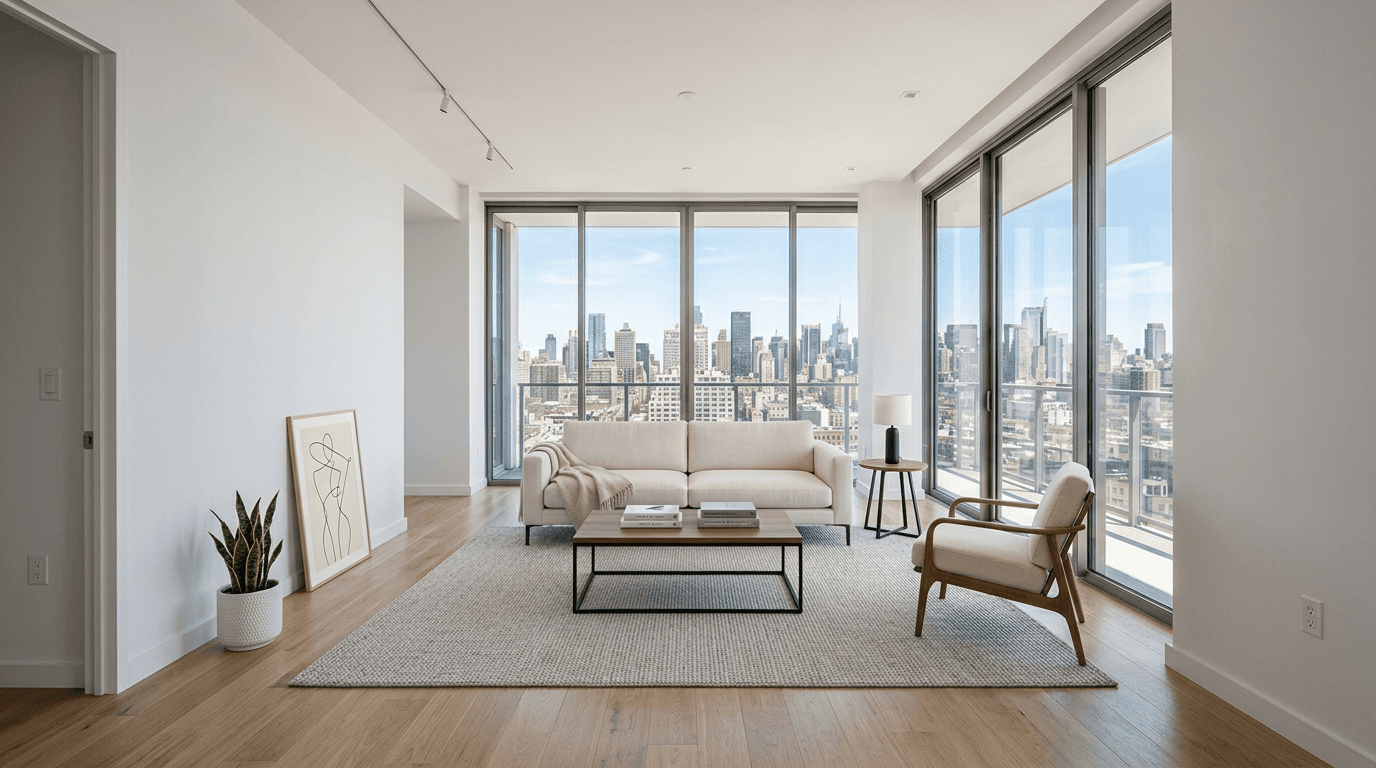
Virtual staging has become one of the most effective marketing tools available to co-living operators because it solves the exact visual problems that make furnished shared housing harder to lease than conventional apartments. When a prospect scrolls through listings in 2026, they are not simply judging whether a room looks clean; they are deciding whether the home feels organized, private, aspirational, and compatible with the lifestyle they want. That is where many co-living listings fail. Real communal homes often photograph as visually inconsistent because different bedrooms vary in size and light, kitchens collect too many functional items, lounges can look underused or overcrowded, and flexible work areas often appear ambiguous on camera. Virtual staging allows operators to impose clarity, design consistency, and brand-level polish across dozens or even hundreds of units without physically refurnishing every room before each vacancy cycle. Used correctly, it helps prospects instantly understand room purpose, circulation, storage potential, amenity value, and the balance between personal privacy and shared experience. For co-living brands trying to lease quickly, maintain premium positioning, and scale occupancy marketing across multiple homes, virtual staging is not merely decorative; it is a strategic system for translating shared housing complexity into images that convert.
According to recent staging metrics by the National Association of Realtors (NAR), professionally staged properties can significantly increase sales speed and perceived value, accelerating the impact for your specific niche.
Step 1: Build a staging strategy around the co-living journey, not just the room itself
The biggest mistake co-living operators make with virtual staging is treating each photo as an isolated design exercise rather than as a conversion asset within a larger leasing journey. Prospective residents do not evaluate co-living the way they evaluate a standard studio or one-bedroom apartment. They are asking a layered set of questions all at once: Will I have enough privacy in my bedroom, will the communal areas feel stylish rather than chaotic, will I be able to work comfortably from home, and does the overall environment justify the price premium over a conventional room rental? Your virtual staging strategy must answer those questions deliberately. Start by identifying the sequence in which prospects typically consume listing visuals, beginning with the hero image that creates emotional pull, followed by the bedroom images that prove privacy and comfort, then the kitchen, lounge, dining, and workspace images that communicate lifestyle quality and social value. Every virtually staged image should reinforce your brand promise, whether that promise is productivity-focused urban co-living, hospitality-inspired comfort, or design-led community living. This means selecting furniture styles, color palettes, accessories, and room layouts that feel coherent across the entire home and across your portfolio. A modern shared housing brand cannot afford to present one room with minimalist Scandinavian styling, another with generic corporate furniture, and a third with eclectic décor that confuses the resident profile you are targeting. At the planning stage, define exactly what each image needs to prove: that a compact room can still feel restful, that a shared kitchen can feel organized and premium, that a lounge supports both socializing and quiet downtime, and that a communal workspace supports remote professionals. Once you stage with those leasing objectives in mind, your images stop being attractive placeholders and start functioning as a persuasive narrative that reduces uncertainty and shortens decision time for renters.
Action Step
Map your resident decision journey and assign a clear leasing purpose to every photo you plan to virtually stage.
Step 2: Select source photos that remove confusion and make shared layouts easy to understand
Virtual staging can only perform as well as the underlying photography, which is especially important in co-living because shared housing layouts are more complex than traditional rentals and more vulnerable to visual misunderstanding. Before any digital furniture is added, operators need source images that clearly explain room dimensions, circulation paths, natural light, and the relationship between private and communal zones. In practice, this means avoiding cramped angles, overly wide distortion, dark exposures, and photos that hide the practical realities of how residents will move through the home. Bedrooms should be photographed from positions that reveal the bed wall, storage area, window placement, and enough floor area to help prospects judge usability. Kitchens should show counter length, appliance access, seating, and traffic flow so the image can later be staged to feel functional rather than performative. Lounges and workspaces require especially thoughtful framing because these are the spaces where co-living operators either win or lose credibility. If a communal room is photographed in a way that makes it hard to tell whether it is for dining, relaxing, working, or all three, virtual staging may beautify the photo but still fail to communicate function. Strong source photos also matter because they help preserve realism after staging, and realism is critical in a category where trust is everything. Prospects already know that listing images are curated; what they do not forgive is imagery that feels misleading about size, layout, or amenity quality. Operators should therefore standardize photography guidelines across properties, including camera height, lens range, room sequence, and editing consistency, so their virtual staging vendor has a dependable visual foundation. When the base photography is clear, bright, and logically composed, virtual staging can enhance understanding rather than compensate for confusion, which dramatically improves listing performance and reduces inquiries from poorly qualified leads.
Action Step
Audit your current property photos and create a standardized shot list that clearly shows layout, flow, and room purpose before staging begins.
Step 3: Stage private rooms and communal amenities to communicate both privacy and premium lifestyle
For co-living operators, the true art of virtual staging lies in balancing two messages that prospects need to believe simultaneously: first, that they will have a comfortable and dignified private retreat, and second, that the shared spaces elevate daily life enough to justify choosing co-living over a standard rental. Private bedrooms should therefore be staged with restraint and intention. The goal is not to stuff the room with decorative elements that make it feel busy, but to demonstrate sleep quality, storage logic, and emotional calm. A properly staged private room might include a proportional bed, simplified bedside styling, a desk or compact work area where appropriate, and visual cues that imply order without misrepresenting available square footage. Residents considering shared housing are often highly sensitive to whether a room looks cramped, temporary, or impersonal, so each staged bedroom should feel stable, thoughtfully designed, and livable over time. Communal spaces, by contrast, need a richer storytelling approach because they are the product differentiator. A shared kitchen should look efficient, clean, and sociable, with staging that suggests meal prep, casual connection, and enough visual breathing room to imply that multiple people can use it without friction. Lounges should show how residents might gather, unwind, or spend solo time comfortably, while shared workspaces should visually support concentration, video calls, and hybrid work routines that are central to modern co-living demand. Importantly, operators should avoid staging that feels too generic or overly luxurious for the actual asset class. The objective is aspirational accuracy: an improved but believable version of the experience residents will have. When private rooms signal privacy and calm, and communal spaces signal convenience, design quality, and social utility, the listing stops selling a bed in a house and starts selling a complete living model.
Action Step
Define separate virtual staging templates for bedrooms, kitchens, lounges, and work areas so each space clearly communicates its specific value.
Step 4: Create portfolio-wide visual standards that scale across many homes and vacancies
One of the greatest advantages of virtual staging for co-living brands is scalability, but that advantage only materializes when operators develop repeatable visual standards instead of treating every vacancy as a one-off creative project. Co-living portfolios often include multiple buildings, neighborhoods, room types, and price tiers, yet the brand still needs to appear consistent to prospects moving across listings, landing pages, marketplaces, and direct booking channels. This is where a staging playbook becomes essential. Operators should establish approved design directions for each audience segment, such as elevated urban professional, budget-premium functional, or design-forward community living, then define how those directions translate into virtual furniture selections, artwork styles, color accents, bedding palettes, workspace setups, and accessory density. This standardization is not about making every property look identical; it is about ensuring every asset expresses the same level of quality, usability, and brand coherence. A portfolio-wide system also improves operational speed. When a room turns over, your team should already know which shot types are required, which staging package fits that room category, what level of enhancement is acceptable, and how final images are reviewed for realism and compliance. This reduces marketing lag between vacancy and listing launch, a critical factor for occupancy-sensitive co-living models. Standardization also helps maintain trust because prospects who view multiple listings from the same operator will see a reliable visual language rather than random quality swings that undermine professionalism. In 2026, the operators who win are not simply those with the nicest photos, but those with the most disciplined image system: one that can be deployed rapidly across rooms, homes, and markets while preserving the same promise of clarity, comfort, and premium shared living experience.
Action Step
Build a documented virtual staging playbook with approved styles, room templates, review criteria, and turnaround expectations for every listing type.
Step 5: Optimize staged images for leasing performance, trust, and continuous improvement
Virtual staging should never end at image delivery because the true business value comes from measuring how staged visuals affect inquiry quality, tour conversion, occupancy velocity, and brand trust over time. Co-living operators need to think like performance marketers as much as design curators. Start by testing image order in listings to determine which staged room types generate the strongest engagement. In some markets, a premium communal kitchen may drive more clicks than a bedroom hero image because it signals hospitality and social quality; in others, a bright and well-composed private room may perform better because it reduces concerns about privacy and personal comfort. Track not only click-through rates and inquiry volume, but also downstream outcomes such as application completion, no-show reduction, and the consistency between what prospects expected from photos and what they experienced on tours. This feedback loop is especially important in shared housing, where disappointment around room size, amenity functionality, or perceived crowding can quickly damage trust. Operators should also maintain clear disclosure practices when using virtually staged images, ensuring prospects understand that the photos represent potential presentation rather than included décor where relevant. Transparency preserves credibility while still allowing you to market the home at its highest potential. Over time, review which staging styles attract your ideal resident profile, whether certain communal spaces are underperforming visually, and whether specific room layouts need alternate staging concepts to better communicate function. By pairing virtual staging with analytics, resident feedback, and leasing team insights, you turn a visual enhancement tool into a repeatable growth system. The end goal is not only better-looking listings, but faster leasing, stronger positioning, fewer mismatched inquiries, and a more dependable way to market shared housing at scale.
Action Step
Track performance metrics for your staged listings and refine image order, room emphasis, and staging styles based on actual leasing results.
Explore More Resources
Conclusion
For co-living operators, virtual staging is most powerful when it is treated as a strategic leasing framework rather than a cosmetic afterthought. Shared housing has more visual complexity than standard rentals, so prospects need images that explain room purpose, reassure them about privacy, and elevate the perceived quality of communal amenities. By building your staging plan around the renter journey, capturing clear source photography, styling private and shared spaces with distinct intent, standardizing visuals across the portfolio, and optimizing performance over time, you can transform confusing or inconsistent listings into persuasive marketing assets. In a category where design clarity, trust, and speed matter enormously, virtual staging helps co-living brands present a polished, premium, and scalable story that converts attention into occupancy.
Ready to Stage Your First Room?
Join thousands of top real estate professionals who use AI Virtual Staging to instantly transform vacant photos into fully-furnished masterpieces in under 20 seconds.
Start Staging For FreeFrequently Asked Questions
Why is virtual staging especially useful for co-living operators compared to traditional rental owners?
Co-living operators have to market both private bedrooms and shared amenities, which makes the listing story more complex than a typical apartment rental. Virtual staging helps clarify room function, improve visual consistency across a portfolio, and communicate the lifestyle value of communal kitchens, lounges, and workspaces without physically resetting every home before each vacancy.
Can virtual staging make small co-living bedrooms look misleading?
It can if used carelessly, which is why realism matters. The best approach is to stage with proportional furniture, maintain accurate room dimensions, and use source photography that clearly shows layout and circulation. The goal is to help prospects understand how the room can live well, not to exaggerate size or create false expectations.
Which co-living spaces should be prioritized for virtual staging first?
Most operators should prioritize the hero bedroom image, the strongest communal kitchen shot, the main lounge or social area, and any dedicated workspace that supports remote professionals. These spaces answer the biggest resident questions about privacy, lifestyle quality, and day-to-day functionality, making them the highest-impact images in the leasing journey.
How do co-living brands keep virtually staged listings consistent across many properties?
Consistency comes from creating a staging playbook with approved design styles, room-type templates, shot standards, and review criteria. This ensures that bedrooms, kitchens, lounges, and workspaces all reflect the same brand identity and quality level, even when properties differ in size, age, or location.
Should co-living operators disclose that listing images are virtually staged?
Yes, clear disclosure is a best practice. It protects trust, sets accurate expectations, and helps prospects understand that the imagery represents how a room or shared space can look when properly presented. Transparent use of virtual staging supports credibility while still allowing operators to market homes in their best possible light.
Explore More Guides
Continue building your real estate expertise.
The Step-by-Step Guide to Virtual Staging for Urban Brownstone Restoration Brokerages
An authoritative 2026 step-by-step guide for urban brownstone restoration brokerages on using virtual staging to market restored brownstones, rowhouses, and historic townhomes while honoring period details, renovation potential, and buyer expectations.
The Step-by-Step Guide to Virtual Staging for For-Sale-By-Owner Luxury Waterfront Sellers
An authoritative 2026 step-by-step guide for FSBO luxury waterfront homeowners using virtual staging to create premium listing visuals, communicate waterfront lifestyle, and market high-end properties without a traditional agent.
The Step-by-Step Guide to Virtual Staging for Luxury Spec Home Marketing Agencies
An authoritative 2026 step-by-step guide for luxury spec home marketing agencies on using virtual staging to market vacant multimillion-dollar homes faster, elevate online presentation, reduce time on market, and support premium pricing with aspirational imagery.
The Step-by-Step Guide to Virtual Staging for Tenant Improvement Commercial Condo Brokers
An authoritative 2026 step-by-step guide for tenant improvement commercial condo brokers on using virtual staging to market shell or dated office condos to owner-users, showcase business-specific layouts, and generate demand faster without full architectural renderings.
The Step-by-Step Guide to Virtual Staging for Accessory Dwelling Unit (ADU) Builders
An authoritative 2026 step-by-step guide for ADU builders on using virtual staging to market detached backyard homes, garage conversions, and compact accessory dwelling units with stronger visuals, better buyer understanding, and more qualified leads.
The Step-by-Step Guide to Virtual Staging for Sober Living Home Operators
An authoritative 2026 step-by-step guide for sober living home operators on using virtual staging to improve occupancy, reduce stigma, and present residences with safety, dignity, comfort, and professionalism.