
The Step-by-Step Guide to Virtual Staging for Ski Condotel Marketing Teams
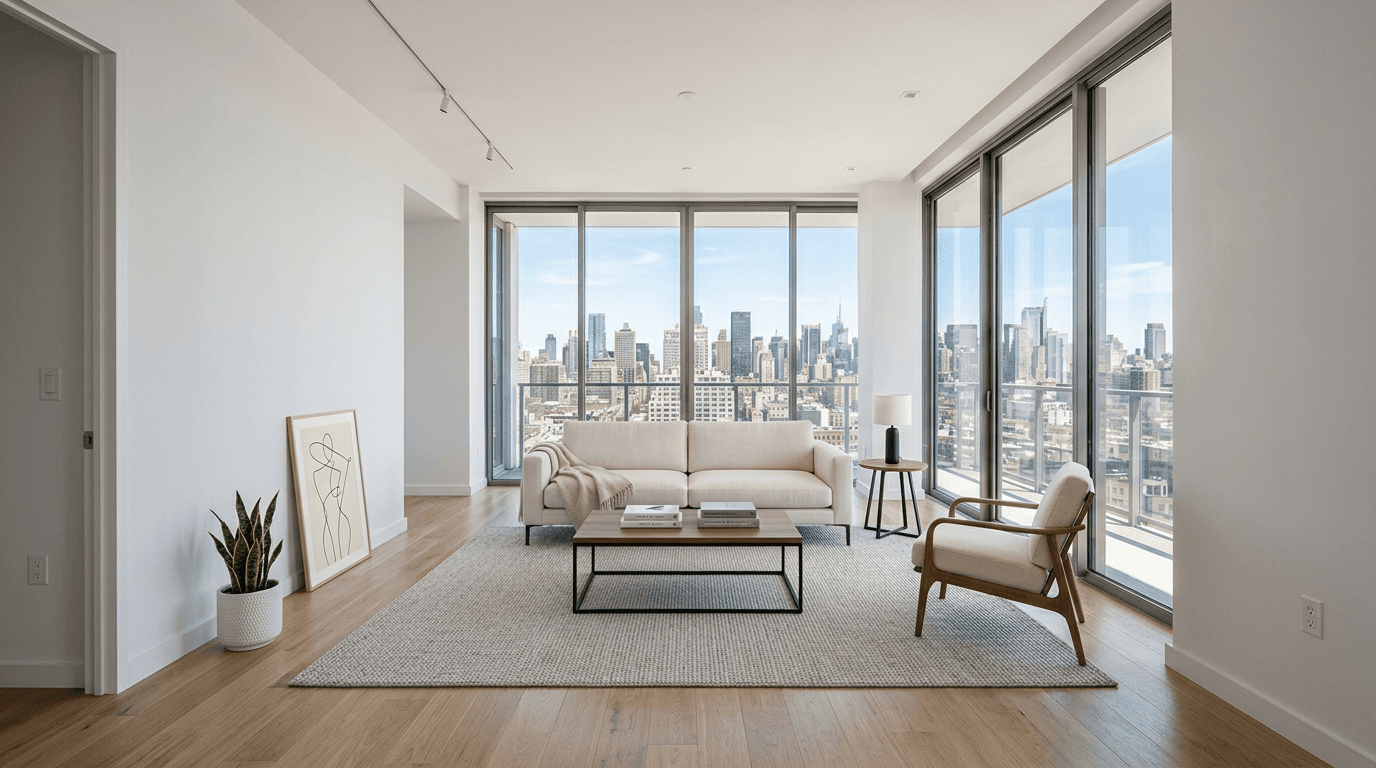
Virtual staging has become one of the most strategically important tools in ski condotel marketing because these properties are never sold on square footage alone. In mountain resort destinations, marketing teams must persuade buyers that a unit can function as a premium hospitality asset, a personal alpine retreat, and a viable income-producing investment, often all at once. That is a difficult story to tell when listing photos show vacant rooms, aging finishes, mismatched furnishings, or interiors that feel too hotel-generic to inspire emotional attachment. In 2026, developers, operators, and brokerages competing in resort markets need visual campaigns that do more than make a room look occupied; they need to create imagery that expresses warmth, elevation, utility, durability, rental-readiness, and aspirational mountain lifestyle without misrepresenting the actual product. The strongest virtual staging strategy helps buyers imagine arriving after a powder day, hosting family during holiday weeks, and participating in a professionally managed rental program that justifies premium pricing. When done correctly, it bridges the gap between hospitality polish and owner-usable residential appeal, turning underperforming listing visuals into persuasive assets that support stronger positioning across websites, MLS placements, sales galleries, email campaigns, paid media, and broker outreach. This guide walks ski condotel marketing teams through a disciplined, step-by-step process for using virtual staging to improve credibility, emotional resonance, and conversion in one of real estate’s most visually demanding niches.
According to recent staging metrics by the National Association of Realtors (NAR), professionally staged properties can significantly increase sales speed and perceived value, accelerating the impact for your specific niche.
Step 1: Define the exact buyer story each ski condotel unit needs to communicate
Before your team orders a single virtually staged image, you need to clarify what kind of buyer narrative the unit must support, because ski condotels are marketed differently from conventional second homes, primary residences, or standard hotel inventory. A studio marketed to short-stay investors near the lifts should not be staged with the same emotional cues, furnishing density, or use-case emphasis as a larger lock-off unit intended for families who want both owner occupancy and revenue performance. The most effective virtual staging begins with segmentation: identify whether the primary audience is an investor prioritizing rental durability and occupancy, a lifestyle buyer wanting an effortless mountain escape, or a hybrid purchaser who expects both personal enjoyment and professionally managed income potential. From there, define what visual evidence they need to see. Investors respond to clean circulation, practical sleeping arrangements, owner-lockable storage solutions, and layouts that suggest efficient guest turnover. Lifestyle buyers respond to warmth, layered textures, après-ski atmosphere, scenic orientation, and spaces that feel restorative after a day on the mountain. Hybrid buyers need both cues simultaneously, which means your imagery must balance polish with livability. This strategic brief should also account for seasonality, unit type, price band, owner usage rules, rental program structure, and brand standards if the property operates under a hospitality flag. Without this foundation, virtual staging becomes generic decoration rather than a conversion tool. With it, every design choice becomes intentional, helping your team produce imagery that aligns with sales scripts, website copy, and investment messaging instead of competing against them.
Action Step
Create a unit-by-unit staging brief that defines target buyer type, primary use case, lifestyle message, investment message, and the specific emotions the imagery should trigger.
Step 2: Build a visual staging direction that blends resort hospitality with mountain-home authenticity
Ski condotel marketing teams often fail with virtual staging when they lean too far in one of two directions: either the images look like an impersonal hotel brochure, or they look like a private vacation home that ignores the operational realities of rental hospitality. The winning approach is a carefully calibrated design language that merges the reliability and refinement of a premium resort stay with the intimacy and aspiration of a personal alpine residence. That means selecting furnishings, finishes, and styling cues that feel plausible for a mountain destination, durable enough for rental use, and elevated enough to support a premium nightly rate or sales price. In practical terms, this usually involves warm neutral palettes, natural wood tones, stone-adjacent texture cues, tailored upholstery, layered bedding, sophisticated lighting, restrained winter accessories, and selective lifestyle accents such as ski gear storage moments, hot-cocoa-ready seating vignettes, or dining setups that imply family gathering without cluttering the frame. The goal is not to stage fantasy chalets into modest condotel footprints, but to reveal the best version of the actual space while respecting scale, architecture, and brand positioning. Teams should also be careful to match the micro-market. A contemporary slopeside development in Aspen, Park City, or Whistler may call for cleaner luxury minimalism, while a legacy family resort market may respond better to relaxed rustic-modern comfort. The strongest staging direction also reflects the unit’s practical functions, including sleeper sofas, lock-off flexibility, owner closets, work nooks for extended stays, and entry sequences that support boot-heavy winter use. When every visual element reflects both hospitality logic and owner appeal, your marketing assets become more believable and far more persuasive.
Action Step
Approve a resort-specific visual style guide that defines palette, furniture profile, material cues, seasonal accessories, and what hospitality-versus-residential balance each unit type should reflect.
Step 3: Produce virtual staging assets from photography that protects credibility and premium positioning
Even exceptional virtual staging will underperform if the underlying photography is poorly planned, because mountain resort buyers are highly sensitive to authenticity, light, view quality, and spatial clarity. Your team should treat the photo capture process as the structural backbone of the staging program, not as a quick precursor to digital decoration. Start by selecting angles that honestly represent room flow, window placement, sleeping capacity, kitchen utility, and the relationship between interior comfort and exterior surroundings, particularly if the unit benefits from slope views, village access, forest outlooks, or après-ski walkability. Empty-room photography should be clean, level, high-resolution, and intentionally composed for staging overlays, with enough visual breathing room to accommodate furniture placement without making the final image feel forced. Lighting matters immensely in ski markets; dark interiors read as tired, cold, and smaller than they are, while overprocessed brightness can make a space feel fake. Aim for natural, crisp exposure that preserves mountain ambiance while still allowing designers to add warm interior life. Equally important is realism in the staging execution itself. Furniture scale must fit the room. Window lines, shadows, and perspective must remain consistent. Materials should complement the actual finishes instead of fighting them. Views should never be altered deceptively, and structural limitations should not be digitally erased in ways that create post-tour disappointment. Credibility is especially important for condotels because many buyers are evaluating remotely and may make shortlist decisions based largely on visuals. If the staged images feel polished yet believable, they increase trust and support premium positioning. If they feel exaggerated or disconnected from reality, they damage both the listing and the broader project brand. In competitive mountain markets, trust is part of the luxury experience, and your virtual staging process must protect it at every stage.
Action Step
Set a production standard for source photography and staging realism, including approved camera angles, lighting criteria, furniture scale rules, and disclosure practices for virtually staged images.
Step 4: Use virtual staging to sell both lifestyle value and investment performance in the same campaign
What makes ski condotel marketing uniquely complex is that your imagery must support two distinct but overlapping purchase motivations: emotional desire and financial logic. Virtual staging becomes truly powerful when it is not treated as a cosmetic upgrade, but as visual evidence for both sides of the decision. A well-staged living area can imply more than comfort; it can communicate suitability for premium guest experiences, stronger review potential, and broader renter appeal during peak ski season. A thoughtfully staged bedroom can reinforce restorative retreat, but it can also suggest efficient occupancy design for couples, families, or multigenerational bookings. A compact dining setup can speak to owner enjoyment while signaling practical usability for longer stays. To unlock this dual function, marketing teams should connect each image to a larger campaign message. On the lifestyle side, pair visuals with copy about walk-to-lift convenience, fireside evenings, holiday hosting, wellness-oriented mountain living, and flexible owner stays. On the investment side, align imagery with occupancy narratives, professionally managed rental program benefits, lower furnishing burden compared with physical staging, and the unit’s competitiveness within the resort inventory set. This does not mean cluttering listings with financial promises, but rather using visuals to make the investment thesis feel tangible: guests want to rent spaces that photograph well, feel current, and look emotionally rewarding. In developer and brokerage campaigns, staged images can also support segmentation across channels, with some assets optimized for investor presentations, others for lifestyle landing pages, and others for retargeting ads focused on aspiration. The core principle is integration. Virtual staging should not sit apart from your revenue story; it should help your audience see why owner enjoyment and rental desirability can coexist in one mountain property.
Action Step
Map each virtually staged image to a specific campaign objective so every visual supports either lifestyle aspiration, rental desirability, or the hybrid owner-investor value proposition.
Step 5: Operationalize virtual staging across listings, sales funnels, and team workflows for measurable ROI
The highest-performing ski condotel marketing teams do not use virtual staging as an occasional rescue tactic for difficult inventory; they build it into a repeatable operating system that improves speed to market, listing quality, and campaign consistency across the entire sales funnel. Once your visual standards are established, create a workflow for deciding which unit types get staged first, how many hero images each listing requires, which room types deserve attention, and how staged assets will be distributed across MLS entries, branded property websites, email campaigns, paid social, broker presentations, in-resort screens, sales center materials, and investor collateral. This operational layer matters because condotel inventory often includes multiple floor plans, resale units with inconsistent furniture conditions, and developer-controlled releases that need standardized presentation. A scalable virtual staging process allows teams to normalize visual quality even when physical conditions vary widely. It also reduces dependence on vacant inventory showing poorly during shoulder seasons or on outdated owner furnishings that undermine project positioning. To measure ROI, track not just vanity metrics such as image engagement, but also hard sales indicators: click-through rates from ad campaigns, time on listing pages, inquiry rates, showing requests, broker feedback, shortlist retention, and price resistance relative to unstaged or poorly staged comparables. Sales teams should be trained to use staged imagery in a compliant way, clearly explaining what is illustrative while leveraging the images to anchor conversations around use, feel, and value. Over time, this creates a feedback loop in which staging choices are refined based on actual market response. In 2026’s competitive resort environment, the teams that win are the ones that combine creativity with process discipline, turning virtual staging from a design expense into a measurable asset for absorption, pricing strength, and brand perception.
Action Step
Implement a repeatable staging workflow with performance tracking so your team can prioritize units, distribute assets consistently, and measure how staged imagery affects inquiries, tours, and pricing outcomes.
Explore More Resources
Conclusion
For ski condotel marketing teams, virtual staging is no longer a superficial enhancement; it is a strategic sales tool that helps bridge the gap between hospitality presentation, mountain-home emotion, and investment credibility. When built on a clear buyer narrative, guided by resort-appropriate design direction, executed with photographic realism, aligned to both lifestyle and revenue messaging, and operationalized across the full marketing funnel, virtual staging can materially improve how buyers perceive quality, usability, and value. In a category where empty rooms and dated interiors quickly erode premium positioning, the right staged imagery gives developers, operators, and brokerages a way to present units as polished, rentable, livable, and aspirational all at once. The result is stronger storytelling, greater trust, and a more compelling path to conversion in highly competitive mountain resort markets.
Ready to Stage Your First Room?
Join thousands of top real estate professionals who use AI Virtual Staging to instantly transform vacant photos into fully-furnished masterpieces in under 20 seconds.
Start Staging For FreeFrequently Asked Questions
Why is virtual staging especially effective for ski condotel sales and marketing?
Ski condotels must appeal to buyers on multiple levels at once, including personal enjoyment, hospitality quality, and investment potential. Virtual staging helps marketing teams show how a unit can feel warm, premium, and functional without the cost and logistical complexity of physical staging, especially when inventory is vacant, inconsistently furnished, or visually outdated.
How can marketing teams make sure virtually staged ski condotel images still feel credible?
Credibility comes from using accurate room dimensions, realistic furniture scale, consistent lighting and shadows, and design choices that match the property’s actual finishes, architecture, and resort positioning. Teams should avoid digitally altering structural realities or exaggerating views and should clearly disclose when images are virtually staged.
What rooms in a ski condotel should be prioritized for virtual staging?
The highest-priority spaces are usually the living area, primary sleeping zone, dining area, and any room that demonstrates flexibility, such as a lock-off, bunk area, or owner-use nook. Entry spaces and view-facing rooms can also be highly valuable in mountain resort marketing because they reinforce winter functionality and destination appeal.
Can virtual staging help communicate rental performance without making direct income claims?
Yes. While teams should remain compliant and avoid unsupported financial promises, staging can visually support the rental story by showing guest-friendly layouts, durable yet upscale furnishings, flexible sleeping configurations, and polished interiors that align with what short-term renters expect from a premium resort stay.
How should ski condotel teams measure whether virtual staging is working?
They should compare performance between staged and unstaged assets using metrics such as click-through rates, listing engagement, inquiry volume, showing requests, broker response, days on market, and resistance to asking price. Over time, these metrics reveal which staging styles and room priorities most effectively support sales and marketing goals.
Explore More Guides
Continue building your real estate expertise.
The Step-by-Step Guide to Virtual Staging for Vacation Rental Cabin Resort Operators
An authoritative 2026 step-by-step guide for vacation rental cabin resort operators on using virtual staging to improve listing photos, preserve rustic character, compete on OTAs, and increase bookings across seasonal inventory.
The Step-by-Step Guide to Virtual Staging for Institutional Single-Family Rental Leasing Teams
An authoritative 2026 step-by-step guide for institutional single-family rental leasing teams on using virtual staging to standardize listing presentation, speed vacancy turnaround, improve portfolio-wide visual quality, and support faster leasing across scattered-site homes.
The Step-by-Step Guide to Virtual Staging for Medical Office Building Leasing Teams
An authoritative 2026 step-by-step guide for medical office building leasing teams on using virtual staging to market vacant suites, clarify layout potential, and help healthcare tenants envision exam rooms, reception areas, and administrative zones.
The Step-by-Step Guide to Virtual Staging for Corporate Housing Relocation Firms
An authoritative 2026 step-by-step guide for corporate housing relocation firms on using virtual staging to standardize listings, accelerate approvals, and present furnished temporary housing for executives, families, consultants, and healthcare travelers across changing markets.
The Step-by-Step Guide to Virtual Staging for Resident Retention Marketing for Multifamily Operators
An authoritative step-by-step guide for multifamily operators on using virtual staging to improve resident retention, support renewal campaigns, drive internal transfers, and justify upgraded unit rent premiums in 2026.
The Step-by-Step Guide to Virtual Staging for Farm and Ranch Auction Marketing Firms
Learn how farm and ranch auction marketing firms can use virtual staging to elevate rural property presentation, accelerate pre-auction marketing, and inspire higher bidder confidence for agricultural estates, ranch houses, hunting lodges, and rural residential compounds in 2026.