
The Step-by-Step Guide to Virtual Staging for Equine Property Brokers
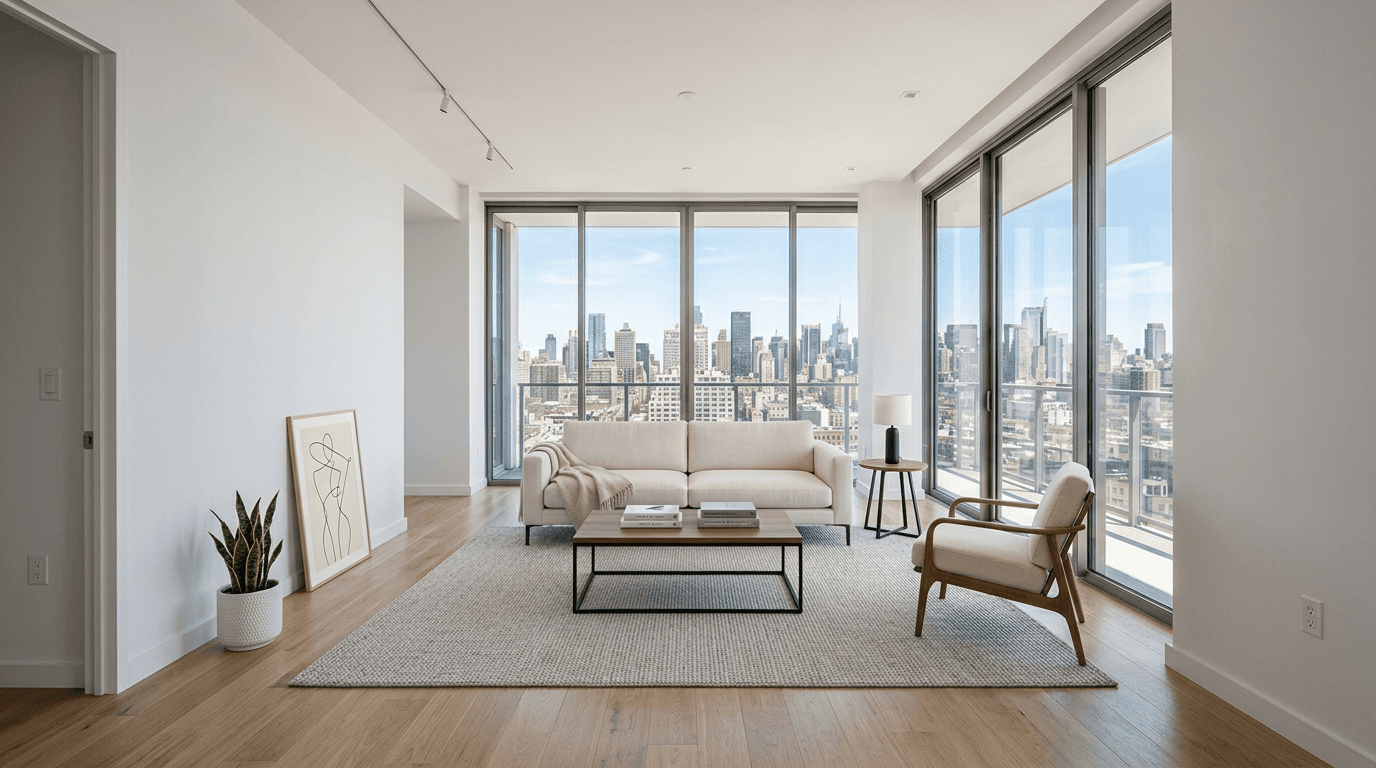
Virtual staging has become one of the most strategic marketing tools available to equine property brokers in 2026 because it solves a uniquely difficult problem in horse property sales: the land, barn complex, arenas, breeding infrastructure, and training amenities may be exceptional, yet the residence often photographs as dated, empty, overly personal, or disconnected from the caliber of the equestrian operation. That mismatch can quietly suppress perceived value, weaken emotional engagement, and cause affluent buyers to question whether the entire property has been curated to the same standard. In the equine segment, buyers are not simply purchasing a house with acreage; they are evaluating a lifestyle system that must make sense for sport, breeding, training, hospitality, staff support, and long-term stewardship. Effective virtual staging allows brokers to align interior presentation with the property’s actual identity, whether that identity is a high-performance hunter-jumper facility, a refined dressage estate, a Western training ranch, or a legacy breeding farm. When done correctly, it does not disguise the home or create fantasy. It clarifies how the residence supports the operation, elevates visual consistency across the listing, and helps niche buyers immediately understand the property’s position in the market. The guide below walks equine property brokers through a disciplined five-step process for using virtual staging to increase buyer confidence, strengthen brand storytelling, and present horse properties with the sophistication their true value deserves.
According to recent staging metrics by the National Association of Realtors (NAR), professionally staged properties can significantly increase sales speed and perceived value, accelerating the impact for your specific niche.
Step 1: Define the equestrian identity of the property before you stage a single room
The most common mistake equine property brokers make with virtual staging is treating the residence as a generic luxury home rather than as the lifestyle headquarters of a highly specialized property. Before any image is edited, you need a clear positioning brief that identifies exactly what kind of equestrian buyer the property is most likely to attract and how the home should visually support that use case. A breeder looking for a farm with foaling infrastructure, office support, and guest accommodations responds to different cues than a competitive rider seeking a polished estate with trainer entertaining space and elevated owner quarters. Likewise, a Western performance ranch needs a different interior language than a hunter-jumper facility, a dressage compound, or a gentleman’s farm with light equestrian use. The residence must reflect the discipline, price point, geography, and level of sophistication represented by the barn, arenas, paddocks, trails, and ancillary structures. That means evaluating architecture, finishes, ceiling heights, natural light, floor plan functionality, and the relationship between the house and the equestrian improvements. You should identify which rooms most influence buyer psychology, such as the great room, kitchen, primary suite, home office, tack-adjacent mudroom, lounge, or guest quarters, and then determine what emotional and practical story each room should tell. In premium equestrian real estate, staging should answer silent buyer questions: Can I host owners, trainers, clients, or visiting judges here? Does the house feel consistent with the caliber of the horse program? Does the property support an upscale rural lifestyle rather than merely offering acreage? By beginning with a strategic identity document instead of decorative instincts, you ensure that every staged visual reinforces the property’s true market role and reduces the disconnect that often causes the residence to underperform relative to the equestrian assets.
Action Step
Create a one-page property positioning brief that defines the equestrian discipline, target buyer, lifestyle story, and the 3 to 5 interior rooms that most need staging support.
Step 2: Select listing photos and viewpoints that connect the home to the equestrian operation
Virtual staging only works as well as the source photography, and for equine property brokers that standard is even higher because buyers are evaluating operational coherence, not just aesthetics. A beautifully staged interior image can still fail if the room was photographed from an angle that hides scale, blocks sightlines, or severs the home from the outdoor context that makes equestrian living desirable. Before commissioning virtual staging, review the entire photo set with discipline and ask which rooms genuinely deserve enhancement and which camera perspectives best express function, prestige, and connection to the land. Wide but realistic compositions tend to perform best because they show how furniture can inhabit the space without distorting room proportions. Windows, French doors, porch access, mudroom transitions, and views toward paddocks, arenas, or stable courtyards should be preserved wherever possible because these visual cues remind buyers that the home is integrated into a horse property ecosystem rather than standing apart from it. Empty spaces with architectural merit usually benefit most from staging, while cluttered or highly personalized rooms may first require decluttering, minor retouching, or even reshooting to avoid an artificial result. You should also be selective about utility spaces that matter uniquely in equestrian sales, such as laundry rooms for barn laundry overflow, owner offices for farm administration, grooms’ or guest quarters, and transitional areas where boots, coats, and daily country living meet upscale design expectations. The goal is not to stage every room indiscriminately, but to choose images that allow buyers to understand how life flows from house to barn and back again. Thoughtful image selection protects credibility, improves visual rhythm across the listing, and ensures that virtual staging enhances rooms buyers care about instead of wasting resources on spaces that do not advance the sale narrative.
Action Step
Audit your current photo set and shortlist the exact images where strong architecture, useful sightlines, and connection to equestrian living make virtual staging most persuasive.
Step 3: Build a staging direction that matches luxury rural living without overpowering the property’s authenticity
Once you know who the likely buyer is and which images deserve enhancement, the next step is giving your staging provider a design direction sophisticated enough to elevate the residence while remaining faithful to the property’s architecture and equestrian identity. This is where many otherwise promising listings lose trust. If the interiors are staged with urban-minimal furniture in a traditional farmhouse, overly rustic clichés in a refined estate, or aspirational luxury elements that exceed the home’s finish level, buyers immediately sense inconsistency. For equine property brokers, the strongest virtual staging strategy combines understated refinement with contextual authenticity. Materials, furniture scale, color palette, and decor accents should suggest a life shaped by horses, land stewardship, and country sophistication, but never in a theatrical or costume-like way. A dressage estate may benefit from tailored upholstery, equestrian art with restraint, clean lines, muted neutrals, and polished symmetry. A ranch property may call for richer textures, durable materials, broader furniture profiles, and a more grounded palette, but still with upscale editing rather than heavy-handed Western tropes. A breeding farm residence may need to emphasize hospitality, office functionality, and multigenerational comfort. In every case, the interiors should communicate that the home belongs to serious owners who value both performance and presentation. You should also ensure the staging reflects realistic use: breakfast areas that suggest early barn mornings, offices that support farm management, sitting rooms that feel appropriate for hosting buyers, trainers, veterinarians, or investors, and bedrooms that imply calm retreat after long operational days. The best staging does not shout “design.” It quietly resolves the tension between practical equestrian life and premium residential expectations. By directing style with nuance, you preserve authenticity, broaden buyer imagination, and help the home finally carry its share of the property’s value story.
Action Step
Prepare a visual reference sheet for your staging team showing the desired style, material palette, buyer lifestyle cues, and specific design elements to avoid.
Step 4: Use virtual staging to tell a sales story across the full listing, not just to decorate photos
For equine property brokers, virtual staging reaches its highest value when it functions as part of a larger narrative architecture across the listing rather than as an isolated cosmetic enhancement. Buyers of horse farms and equestrian estates rarely make decisions based on one compelling image alone; they build conviction through a sequence of impressions that must feel coherent from the first thumbnail to the final showing request. That means your staged images should be intentionally arranged to support the way equestrian buyers assess value. The residence should not compete with the barn and land improvements, nor should it lag behind them visually. Instead, the listing should create a progression in which exterior and aerial images establish scale and infrastructure, staged interiors confirm the quality of owner living, and supporting visuals illustrate how the property works as a complete equestrian environment. Your listing remarks, image captions where applicable, brochure copy, email campaigns, and social media snippets should all reinforce the same positioning. If the property is a private competition base, the staged rooms should echo focus, polish, and entertaining capacity. If it is a breeding operation, the residential imagery should support legacy, comfort, administration, and guest hosting. This strategic consistency also helps brokers speak more convincingly during inquiries and tours because the visuals have already framed the property’s logic. Importantly, virtual staging should be disclosed transparently and paired with unstaged or accurately representative material where appropriate, especially for sophisticated buyers who value integrity and precision. In 2026, high-net-worth niche buyers are comfortable with virtual staging when it is used responsibly, but they are quick to dismiss marketing that feels manipulative or disconnected from reality. When staged photography is woven into the entire marketing ecosystem, it becomes a trust-building tool that helps buyers visualize ownership while keeping the equestrian mission of the property front and center.
Action Step
Reorder your listing assets so staged interiors appear in a deliberate sequence that supports the property’s equestrian identity and aligns with your written marketing narrative.
Step 5: Measure buyer response and refine your virtual staging process for future equine listings
The most effective equine property brokers do not treat virtual staging as a one-off visual service; they treat it as a repeatable marketing system that can be refined across listing types, price tiers, and buyer segments. After launching a virtually staged equine listing, study the response with the same seriousness you would apply to pricing strategy or buyer qualification. Look at which images are generating the most engagement on listing platforms, social media, email campaigns, and private broker outreach. Track whether inquiries become more specific and better informed, whether buyers mention the residence more favorably during calls and showings, and whether the listing begins attracting the kind of prospect you intended when you created the staging brief. In equestrian real estate, this matters because the wrong visual emphasis can attract recreational acreage shoppers instead of serious horse-property buyers, while the right presentation can sharpen perceived fit and reduce wasted tours. Gather feedback not only on beauty, but on alignment: did the interiors feel consistent with the facility, the discipline, and the asking price? Did the staged spaces help buyers understand how they would actually live, host, work, and manage the operation from the residence? Over time, patterns emerge. You may learn that certain room types consistently improve engagement, that a more restrained design direction outperforms trend-driven styling, or that luxury rural buyers respond especially well to office, lounge, and primary suite staging in properties with major equestrian infrastructure. This feedback loop allows you to build a stronger staging playbook for horse farms, ranches, training centers, and breeding estates in your market. The real competitive advantage is not simply using virtual staging, but knowing exactly how to deploy it in a way that increases relevance, credibility, and conversion from first impression to serious inquiry.
Action Step
After each staged listing goes live, review engagement data and buyer feedback to document what design choices and room selections produced the strongest equine-market response.
Explore More Resources
Conclusion
For equine property brokers, virtual staging is not about making a horse property look fashionable; it is about ensuring the residence finally supports the value story already established by the land, barns, arenas, and operational infrastructure. When you define the property’s equestrian identity, choose source images strategically, direct design with authenticity, integrate staged visuals into the broader listing narrative, and measure market response, virtual staging becomes a precision marketing tool rather than a superficial edit. In a category where buyers are evaluating both lifestyle and function, that precision matters. Done well, virtual staging helps niche buyers see that the home belongs to the same world as the facility, the acreage, and the equestrian ambition the property represents.
Ready to Stage Your First Room?
Join thousands of top real estate professionals who use AI Virtual Staging to instantly transform vacant photos into fully-furnished masterpieces in under 20 seconds.
Start Staging For FreeFrequently Asked Questions
Why is virtual staging especially useful for equine property brokers compared with general residential agents?
Equine property brokers market assets that are more operationally complex and emotionally specialized than standard residential homes. Buyers are evaluating barns, arenas, paddocks, staff flow, truck and trailer access, breeding or training infrastructure, and the owner’s residential experience all at once. Virtual staging is particularly useful because it helps the residence visually match the quality and purpose of the equestrian improvements, reducing the common problem where a dated or empty home drags down the perceived value of an otherwise exceptional horse property.
Which rooms should an equine property broker prioritize for virtual staging?
Priority should go to rooms that shape buyer perception of how ownership would actually feel and function, typically the great room, kitchen, primary suite, home office, dining or entertaining area, and any transitional room that connects upscale country living to daily barn use. Depending on the property, guest quarters, lounge areas, or mudrooms may also be important. The best choices are the spaces that help buyers understand how the residence supports the equestrian operation rather than simply adding decorative appeal.
How do brokers avoid making a virtually staged equine listing look unrealistic or misleading?
The key is to stage within the truth of the architecture, finishes, room dimensions, and likely buyer lifestyle. Furniture scale should be believable, the design style should match the property’s discipline and price point, and the staged look should never exceed what the home can plausibly deliver in person. Brokers should also disclose that images are virtually staged and use the technique to clarify use and aspiration rather than conceal defects or create fantasy spaces that do not reflect reality.
Can virtual staging help market different kinds of horse properties, such as breeding farms, training centers, and ranches?
Yes, and that is one of its biggest strengths. Virtual staging can be tailored to express the identity of a dressage estate, hunter-jumper facility, Western ranch, breeding farm, or luxury equestrian retreat. The styling direction, room emphasis, and visual story should change based on the property’s intended buyer and operational purpose. When customized correctly, staging helps the residence reinforce the specific equestrian niche instead of appearing generic.
What results should equine property brokers expect from a strong virtual staging strategy in 2026?
Brokers should expect stronger visual consistency across the listing, better alignment between the residence and equestrian improvements, improved buyer engagement with interior images, and more qualified inquiries from prospects who better understand the property’s lifestyle and function. While virtual staging does not replace pricing, photography quality, or market knowledge, it can meaningfully increase emotional connection and perceived completeness, especially in listings where the house currently underrepresents the value of the overall equine asset.
Explore More Guides
Continue building your real estate expertise.
The Step-by-Step Guide to Virtual Staging for Fire-Damaged Property Restoration Brokers
An authoritative 2026 step-by-step guide for fire-damaged property restoration brokers on using virtual staging to market reconstructed or partially restored homes, reduce stigma, clarify end-state vision, and build confidence with buyers, insurers, and sellers.
The Step-by-Step Guide to Virtual Staging for Co-Living Operators
Learn how co-living operators can use virtual staging to present private rooms, shared kitchens, lounges, and workspaces with clarity, consistency, and premium lifestyle appeal in 2026. This step-by-step guide explains how to plan, stage, standardize, and scale listing visuals across shared housing portfolios.
The Step-by-Step Guide to Virtual Staging for Maritime Waterfront Home Brokerages
An authoritative 2026 step-by-step guide for maritime waterfront home brokerages on using virtual staging to elevate coastal cottages, canal homes, boathouse properties, and waterfront residences with premium listing visuals that support stronger pricing and buyer engagement.
The Step-by-Step Guide to Virtual Staging for Ski Condotel Marketing Teams
An authoritative 2026 step-by-step guide for ski condotel marketing teams on using virtual staging to market mountain resort units, elevate perceived value, communicate lifestyle and investment appeal, and improve sales outcomes.
The Step-by-Step Guide to Virtual Staging for Marina Condominium Developers
An authoritative step-by-step guide for marina condominium developers on using virtual staging to sell waterfront lifestyle, align interiors with nautical-luxury branding, and improve buyer engagement in 2026.
The Step-by-Step Guide to Virtual Staging for Attainable Housing Developers
An authoritative 2026 step-by-step guide for attainable housing developers on using virtual staging to market workforce and middle-income communities with credibility, dignity, cost discipline, and strong leasing or sales outcomes.