
The Step-by-Step Guide to Virtual Staging for Historic Home Preservation Realtors
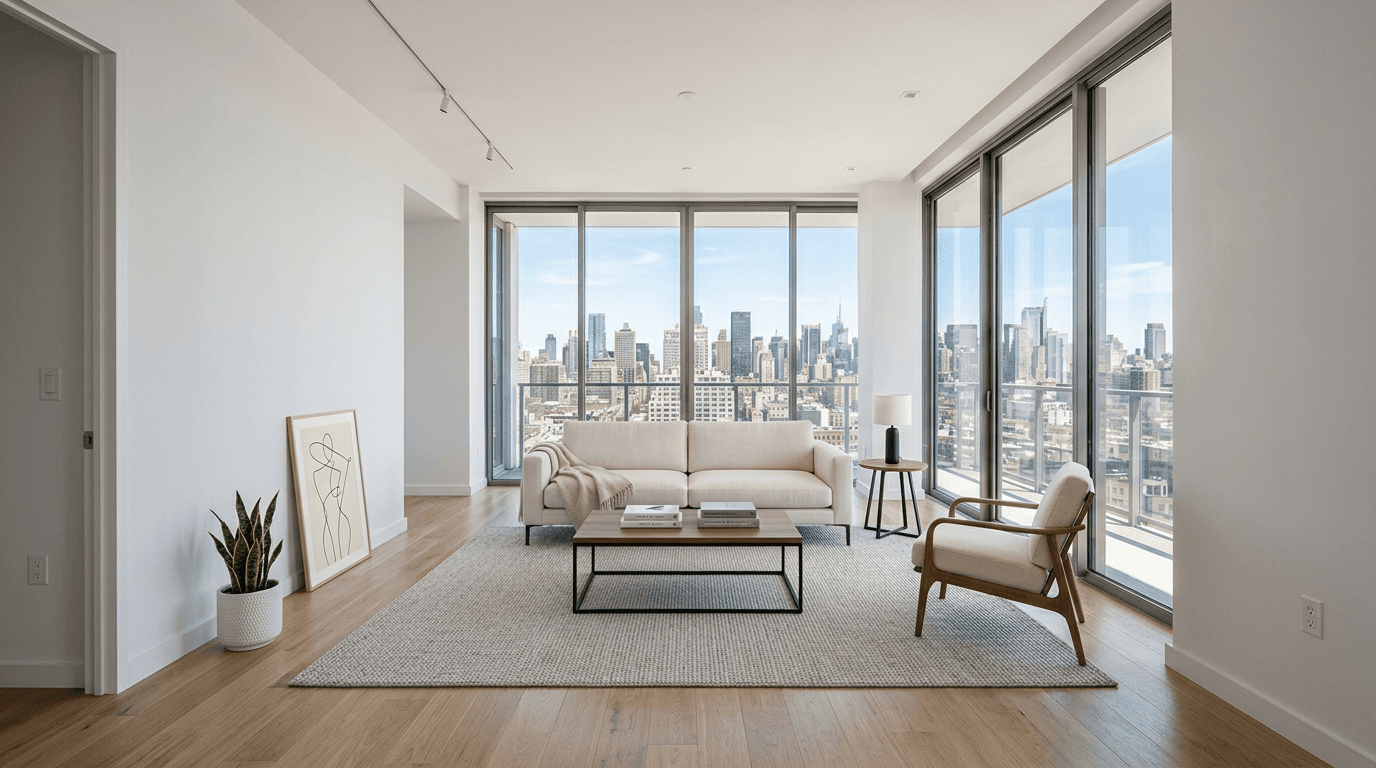
For historic home preservation realtors, virtual staging is not a cosmetic shortcut; it is a strategic interpretive tool that helps buyers understand how a heritage property can support contemporary living without erasing the craftsmanship, provenance, and architectural integrity that make it valuable in the first place. In 2026, buyers scroll quickly, compare relentlessly, and often struggle to imagine how a dark parlor, formal dining room, servant stair, or highly specific period layout fits modern life. At the same time, agents who represent landmarked homes, designated districts, and architecturally significant residences cannot market these properties with the same generic visual playbook used for new construction or suburban resales. Physical staging may be restricted by fragile finishes, museum-quality details, preservation easements, limited access, or owner concerns about liability and wear. That is why a disciplined virtual staging process matters: it allows you to clarify scale, function, and lifestyle potential while keeping original millwork, stained glass, plaster medallions, fireplaces, built-ins, and historic sightlines visually central. When used correctly, virtual staging becomes a bridge between preservation ethics and market performance, helping buyers see possibility without misrepresentation. This guide walks you through a preservation-minded, step-by-step method for planning, designing, approving, publishing, and refining virtual staging for historic homes so your marketing feels both aspirational and historically respectful.
According to recent staging metrics by the National Association of Realtors (NAR), professionally staged properties can significantly increase sales speed and perceived value, accelerating the impact for your specific niche.
Step 1: Start with a preservation-first visual strategy before any image is edited
The most successful virtual staging campaigns for historic homes begin long before furniture is added to a photograph. Preservation realtors need a visual strategy rooted in the property’s historical significance, architectural vocabulary, legal constraints, and likely buyer psychology. That means identifying what must remain visually dominant in every image: original woodwork, artisan tile, period mantels, leaded windows, ceiling beams, pocket doors, plaster ornament, staircase geometry, and room-to-room sightlines that express the home’s era and craftsmanship. Instead of asking, “How do we make this room look current?” the better question is, “How do we help a modern buyer understand the room’s use while protecting the character that defines its value?” This shift changes everything. You should review designation status, easements, local preservation guidelines, seller concerns, and any rooms where physical intervention is off-limits. Then create a room-by-room marketing intent plan that distinguishes between spaces needing simple functional clarification and spaces deserving a curated interpretive lifestyle story. For example, a formal library may need only subtle seating to show scale, while a large unused landing may benefit from a restrained reading nook that helps buyers understand livability. This phase also requires deciding what you will not do, such as obscuring original finishes, replacing historically important fixtures in imagery, or introducing design schemes that falsely imply renovation outcomes. By setting those boundaries first, you ensure the virtual staging serves the architecture rather than competing with it. The result is a more credible, preservation-aligned campaign that builds trust with buyers, sellers, and preservation-minded stakeholders alike.
Action Step
Create a preservation-first staging brief that lists each key room, the historic features that must stay visually prominent, and the staging boundaries you will not cross.
Step 2: Capture photography that documents architecture accurately and supports tasteful staging
Virtual staging quality is determined as much by the source photography as by the digital design itself, and this is especially true for landmarked and heritage properties where authenticity is part of the sales proposition. Historic home preservation realtors should treat the photo session as both a marketing production and a documentary record of architectural character. Rooms that feel dark or dated online often suffer less from the house itself and more from poor exposure balance, careless lens selection, and angles that flatten detail or distort proportions. To avoid this, work with a photographer who understands how to expose for deep wood tones, stained glass, reflective antique finishes, and rooms with dramatic contrast between natural and interior light. Wide angles should be used carefully so they reveal volume and floor flow without making mantels, windows, or millwork look warped. Composition should prioritize symmetry where appropriate, preserve true vertical lines, and include enough flooring, wall plane, and negative space for staged furnishings to be inserted naturally. You also need multiple compositions per room: one image for broad lifestyle interpretation, another for feature emphasis, and sometimes a third that captures transitional spaces connecting major rooms. Historic homes often include unusual circulation patterns, and buyers need visual help understanding them. Just as importantly, decluttering and pre-shoot preparation should be done sensitively, avoiding the accidental removal of context that gives the home identity. A Victorian parlor, Arts and Crafts dining room, or mid-century architectural residence should not be stripped into generic emptiness. Instead, aim for clean, honest, well-lit imagery that preserves patina, texture, and scale. High-integrity photography gives virtual stagers the visual data they need to add furnishings realistically while ensuring the architecture remains believable, legible, and emotionally compelling.
Action Step
Book a photographer experienced with historic interiors and request a shot list that balances feature documentation, accurate scale, and open space for realistic virtual staging.
Step 3: Design virtual staging that translates historic character into modern livability without erasure
The core challenge in virtual staging a historic property is not decorating beautifully; it is interpreting the home in a way that helps contemporary buyers imagine living there without visually rewriting its story. Preservation realtors should insist on staging concepts that are context-aware, materially plausible, and proportionally respectful. That means selecting furniture styles, palettes, textiles, and layouts that complement the era and architecture rather than overwhelm them. In a Federal, Tudor, Craftsman, Spanish Colonial, or significant mid-century home, the right staging should feel like a conversation with the architecture, not a hostile takeover by trend-driven aesthetics. A restrained contemporary sofa may work in a richly detailed room if its scale protects fireplace views, circulation paths, and original floor patterns. Neutral tones may brighten a dark room, but they should not bleach out the warmth and visual weight of old-growth wood, brick, tile, or plaster textures. The best virtual staging also solves functional ambiguity thoughtfully. A turret alcove can become a reading area, a formal receiving room can be interpreted as a flexible salon, and a secondary parlor can be shown as a work-from-home retreat, but each use must remain believable within the room’s geometry and historic atmosphere. This is where preservation-minded agents can create real market advantage: by showing buyers how to inhabit unusual rooms in elegant, non-destructive ways. You should also require that all edits preserve original fixtures, trim profiles, window shapes, ceiling heights, and evidence of craftsmanship. If the staging team proposes removing radiators, changing sconces, covering tile surrounds, or replacing significant finishes digitally, that is no longer staging; it is misrepresentation. Properly executed, virtual staging reveals compatibility between historic authenticity and present-day life, helping buyers feel inspired rather than intimidated.
Action Step
Approve only staging concepts that clarify room function, respect the home’s era and materials, and keep original architectural features fully visible.
Step 4: Review, disclose, and publish staged imagery with credibility and preservation sensitivity
Once images are staged, the next step is not immediate publication but rigorous review for accuracy, ethics, and marketing coherence. Historic home preservation realtors operate in a trust-sensitive niche where credibility matters enormously, especially when speaking to buyers who value authenticity or to sellers who are emotionally attached to a property’s legacy. Every virtually staged image should be evaluated for proportion, shadow consistency, furniture placement realism, and above all the truthful representation of architectural features. Ask whether the room still reads as the same room in person, whether the staging helps interpret use without implying unauthorized renovation, and whether any design element distracts from heritage features that should remain the focal point. This is also the stage to confirm legal and ethical compliance. Clearly disclose that images are virtually staged in listing photos, brochures, landing pages, and social media captions where appropriate, and distinguish between cosmetic interpretation and any actual improvements. For historic homes, disclosure is not merely risk management; it reinforces your professionalism and respect for the property. Publishing strategy matters as well. Pair staged images with unstaged originals for key rooms on property websites, digital brochures, or dedicated listing pages so buyers can appreciate both possibility and authenticity. Caption images in a way that educates, such as explaining how a room can function today while noting original details like quarter-sawn oak paneling, mosaic tile, or hand-carved banisters. This transforms staging from decoration into guided interpretation. The strongest campaigns do not hide the home’s age or specificity; they help buyers understand its livable beauty. When your publishing workflow combines transparent disclosure with architectural storytelling, you attract more qualified prospects and reduce disappointment during showings.
Action Step
Implement a final review and disclosure checklist, then publish staged images alongside selected original photos to balance aspiration with transparency.
Step 5: Use buyer feedback and performance data to refine future historic-home staging decisions
Virtual staging should not be treated as a one-off visual expense but as an evolving strategic system that improves with every listing. Preservation realtors who consistently sell landmarked and architecturally significant properties should analyze how staged imagery influences buyer behavior, agent feedback, time on market, and the quality of inquiries. In 2026, listing platforms, website analytics, email click-through rates, social engagement, and showing responses provide a rich stream of evidence about which rooms need interpretive support and which images best convert curiosity into action. Pay close attention to whether buyers linger on staged library images, save dining rooms that have been reframed as gathering spaces, or request showings after seeing upper-floor flex rooms presented as offices or guest suites. Equally important is qualitative feedback. During open houses and private tours, ask what buyers expected from the room based on the images and whether the staging helped them understand scale and function. If they loved the possibility but felt surprised by darkness, room size, or finish intensity in person, you may need more accurate lighting, more restrained furniture scale, or better side-by-side original imagery next time. Over time, patterns will emerge by property type, era, and buyer segment. You may discover that certain historic features, such as built-in seating, ornate fireplaces, or patterned wall surfaces, perform better when staging is minimal, while awkward transitional rooms benefit from more explicit use cues. This feedback loop allows you to build a repeatable preservation-marketing framework that gets smarter over time. The ultimate goal is not merely prettier listing photos; it is a dependable process for making distinctive historic homes easier to understand, easier to emotionally connect with, and easier to sell without compromising their architectural identity.
Action Step
Track engagement, showing feedback, and buyer expectations for each virtually staged listing so you can refine your historic-home staging strategy over time.
Explore More Resources
Conclusion
Virtual staging for historic home preservation realtors works best when it is approached as disciplined architectural storytelling rather than decorative image enhancement. By beginning with a preservation-first strategy, capturing honest photography, designing context-aware interiors, reviewing images transparently, and learning from market response, you can help modern buyers understand how landmarked and heritage properties support contemporary living without diminishing their historical significance. In a niche where authenticity, trust, and visual interpretation all shape outcomes, this method allows you to present dark, dated, or highly specific spaces in a way that feels elegant, credible, and deeply respectful. The result is stronger buyer engagement, better-qualified showings, and marketing that honors the home’s legacy while improving its marketability.
Ready to Stage Your First Room?
Join thousands of top real estate professionals who use AI Virtual Staging to instantly transform vacant photos into fully-furnished masterpieces in under 20 seconds.
Start Staging For FreeFrequently Asked Questions
Is virtual staging appropriate for landmarked or historically designated homes?
Yes, when used responsibly. Virtual staging is especially valuable for landmarked and historically designated homes because it can illustrate livability without physically altering fragile interiors or violating preservation constraints. The key is to use it as an interpretive marketing tool, not as a way to disguise significant features, imply unapproved renovations, or erase original materials that define the property’s historic character.
How do I keep virtual staging from making a historic home look inauthentic?
Focus on restraint, proportion, and architectural compatibility. Choose furnishings and layouts that clarify scale and room use while keeping original details such as millwork, fireplaces, windows, tile, and built-ins visible. Avoid trend-heavy designs, unrealistic lighting, and digital edits that remove radiators, change fixtures, or visually replace historic finishes. The architecture should remain the star.
Should I show both virtually staged and unstaged photos in a historic home listing?
In most cases, yes. Showing both versions helps buyers appreciate the home’s true condition while also understanding its potential. This is particularly effective for unusual layouts or formal period rooms that modern buyers may struggle to interpret. Side-by-side presentation increases transparency, manages expectations, and reinforces your credibility as a preservation-minded agent.
What rooms in a historic home benefit most from virtual staging?
Rooms that feel functionally ambiguous or visually heavy online usually benefit the most. Formal parlors, libraries, large landings, attic suites, secondary sitting rooms, and oversized dining rooms often need help translating into contemporary use. Virtual staging can also be effective in dark interiors where buyers need assistance understanding scale, circulation, and how furnishings can coexist with ornate architectural details.
How should I disclose virtual staging in my marketing materials?
Disclose it clearly and consistently anywhere staged imagery appears, including listing galleries, brochures, property websites, and social media where appropriate. Use simple language indicating that certain images have been virtually staged for illustrative purposes. If the home is historic, it is wise to go further and frame the staging as a conceptual representation of use rather than a depiction of completed renovations. This supports ethical marketing and protects buyer trust.
Explore More Guides
Continue building your real estate expertise.
The Step-by-Step Guide to Virtual Staging for Urban Infill Duplex Sellout Marketing Teams
An authoritative 2026 step-by-step guide for urban infill duplex sellout marketing teams on using virtual staging to differentiate near-identical units, make compact floor plans feel purposeful, communicate neighborhood lifestyle, and improve online merchandising for faster absorption.
The Step-by-Step Guide to Virtual Staging for Senior Relocation Condo Liquidation Firms
An authoritative 2026 step-by-step guide for senior relocation condo liquidation firms on using virtual staging to market dated condos and townhomes faster, reduce family stress, modernize online presentation, and attract younger buyers without physically moving furniture.
The Step-by-Step Guide to Virtual Staging for Suburban Empty-Nester Townhome Brokerages
An authoritative 2026 step-by-step guide to using virtual staging for suburban empty-nester townhome brokerages, helping agents present comfort, practicality, lifestyle flexibility, and sophisticated low-maintenance living to move-down buyers.
The Step-by-Step Guide to Virtual Staging for Urban Rowhouse Infill Builders
An authoritative 2026 step-by-step guide for urban rowhouse infill builders on using virtual staging to make narrow vertical floorplans feel larger, differentiate repetitive streetscapes, and market rooftops and flex spaces more effectively.
The Step-by-Step Guide to Virtual Staging for Suburban Office Park to Residential Conversion Developers
An authoritative 2026 step-by-step guide for suburban office park to residential conversion developers on using virtual staging to market former corporate campuses as apartments, townhomes, and mixed residential communities, accelerate buyer and renter imagination, and build pre-leasing momentum.
The Step-by-Step Guide to Virtual Staging for Suburban Single-Story Cottage Cluster Developers
An authoritative 2026 step-by-step guide for suburban single-story cottage cluster developers on using virtual staging to market pocket neighborhoods, make compact homes feel spacious, and position low-maintenance living as premium rather than entry-level.