
The Step-by-Step Guide to Virtual Staging for Student Housing Property Managers
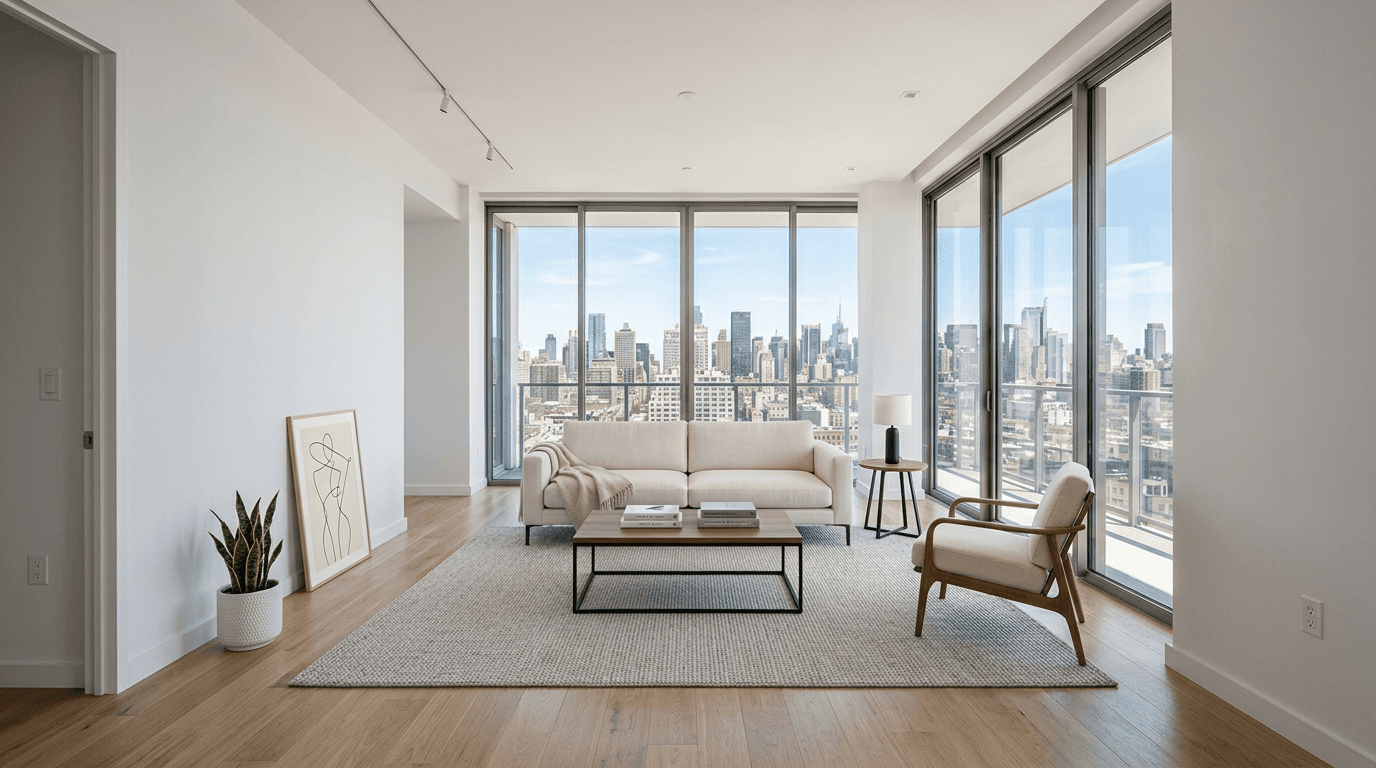
Virtual staging has become one of the most effective leasing accelerators available to student housing property managers, especially in a market where pre-leasing windows are compressed, semester move-in dates are unforgiving, and every day of vacancy directly erodes NOI. For operators of off-campus student apartment communities, the challenge is not simply showing an empty bedroom or generic living room; it is convincing prospective residents and their parents that a unit will feel functional, safe, current, and worth committing to before the leasing season closes. That challenge becomes even more complex when communities have repetitive floor plans that can easily make listings look stale across ILS platforms, social channels, and property websites. In 2026, high-performing student housing teams are using virtual staging not as a cosmetic add-on, but as a disciplined marketing system that helps differentiate identical layouts, create lifestyle-driven campaigns, reduce the drag of vacant inventory, and build trust with two decision-makers at once: the student who wants style and the parent who wants confidence. This guide walks student housing property managers through a practical five-step framework for using virtual staging strategically, compliantly, and profitably so units lease faster and marketing assets work harder throughout the full leasing cycle.
According to recent staging metrics by the National Association of Realtors (NAR), professionally staged properties can significantly increase sales speed and perceived value, accelerating the impact for your specific niche.
Step 1: Define the leasing objective for each unit type before you stage a single image
The most effective virtual staging programs in student housing begin with strategy, not software. Property managers often lose momentum by staging units based on what looks attractive in isolation rather than what is most likely to convert a specific prospect segment during a specific leasing window. In a student housing environment, every floor plan should be assigned a clear leasing objective before creative work starts. A four-bedroom cottage marketed during early pre-leasing may need imagery that emphasizes social living, study-friendly common areas, and bedroom parity so friend groups can quickly envision roommate compatibility. By contrast, a two-bedroom near graduate programs may need a quieter, more mature presentation that signals independence, focus, and practical comfort. The key is to decide what the image must accomplish: reduce friction for parental approval, improve click-through rate on stale inventory, support premium pricing on renovated units, or help a hard-to-lease layout feel more intuitive. Student housing managers should also map their floor plans by urgency, unit condition, target resident profile, and likely booking channel so staging decisions reflect business priorities rather than aesthetic preference. This matters tremendously when floor plans repeat across a portfolio, because a visually identical unit can produce very different results depending on the story the listing tells. A disciplined objective-setting process also keeps marketing and operations aligned, ensuring the staged image accurately supports leasing scripts, website copy, and tour experiences. When the leasing team knows exactly what message a staged image is supposed to deliver, they can use it more persuasively in follow-up emails, text campaigns, parent communications, and application-closing conversations. In other words, virtual staging starts paying off when it is treated as a conversion tool tied to occupancy goals, not just a design exercise.
Action Step
Audit your unit mix and assign one primary leasing goal to each floor plan, including target renter profile, urgency level, and the exact message your staged images need to communicate.
Step 2: Build student-specific staging concepts that appeal to both residents and parents
Virtual staging performs best in student housing when it reflects how students actually live while still signaling the stability and responsibility that parents look for during the decision process. That balance is where many properties either overcorrect toward trendy, youth-only visuals or drift into bland multifamily staging that fails to resonate with student renters. To generate leasing impact, each staged image should communicate a lifestyle that feels relevant to campus-adjacent living: organized desks or study nooks that imply academic success, clean and durable furnishings that suggest easy roommate sharing, subtle décor that feels modern without being polarizing, and layouts that make the flow of the apartment instantly understandable on a mobile screen. At the same time, the space should reassure parents with visual cues that imply safety, upkeep, and livability, such as uncluttered kitchens, functional seating, sensible bedroom layouts, and an overall sense that the property is managed professionally rather than marketed as a party environment. This is especially important for repetitive floor plans, because differentiation should come from resident persona and use case rather than from gimmicky styling that could confuse prospects. One version of a shared floor plan might be staged for first-year undergraduates and their families with brighter finishes, coordinated bedrooms, and communal living emphasis, while another might be tailored to upperclassmen with more sophisticated furnishings and stronger work-from-home or internship-friendly cues. The strongest student housing staging concepts also account for regional school culture, pricing tier, and amenity positioning so the unit feels consistent with the property’s broader brand promise. By approaching staging through the dual lens of student aspiration and parent reassurance, property managers create assets that are emotionally compelling and commercially practical, leading to stronger engagement, fewer objections, and more confidence during fast pre-leasing cycles.
Action Step
Create 2 to 3 approved staging personas for your main floor plans, each designed to resonate with a specific student segment while reinforcing the trust signals parents want to see.
Step 3: Standardize a repeatable image production workflow for speed, accuracy, and compliance
In student housing, timing is everything, which means the value of virtual staging is directly tied to how fast your team can produce, approve, and deploy high-quality images without introducing inaccuracies that create leasing risk. A repeatable production workflow is essential because student communities often manage dozens or hundreds of units across recurring layouts, tight turn schedules, and rapid campaign refreshes before key academic deadlines. Start by establishing a photography standard that ensures every source image is bright, level, high-resolution, and captured from the most informative angles, because poor original photography limits even the best staging vendor. From there, create a formal asset brief for each floor plan that includes unit dimensions, notable architectural features, finish package, target audience, approved furniture style, and any must-avoid misrepresentations. This is particularly important in 2026, when prospects are highly image-literate and quick to question listings that feel overly edited or inconsistent with in-person tours. Student housing property managers should work only with staging partners or internal teams that understand fair representation, because the goal is to clarify space and possibility, not to fabricate square footage, windows, views, or furniture fit. A standardized approval process should also involve both marketing and on-site leasing leadership so the final image reflects brand consistency and operational reality. Once approved, assets should be tagged by floor plan, bed-bath count, campaign season, and persona so they can be reused intelligently across websites, ILS listings, email drips, social ads, and parent-facing collateral. The real advantage of this workflow is scale: instead of reinventing the process each season, your team creates a library of dependable marketing assets that can be refreshed quickly as inventory changes. When executed correctly, standardization reduces production delays, minimizes compliance issues, improves interdepartmental coordination, and allows virtual staging to support leasing velocity at the exact moment demand peaks.
Action Step
Document a virtual staging workflow that covers photography standards, approval checkpoints, compliance rules, naming conventions, and publishing procedures for every floor plan.
Step 4: Deploy staged images across the full student leasing funnel instead of limiting them to listings
A common mistake in student housing marketing is treating virtual staging as something that lives only on a property website or an ILS photo carousel, when in reality its greatest value comes from influencing the entire leasing funnel from first impression to application completion. Once a unit has been staged effectively, property managers should deploy those images strategically wherever leasing decisions are being shaped. On listing pages, staged photos help empty units feel tangible and can increase time on page by making layouts easier to understand. In paid social campaigns, they can be paired with audience-specific messaging that speaks directly to friend groups, transfer students, international students, or parents helping their child secure housing early. In email and SMS follow-up, leasing teams can use staged images to re-engage prospects who toured but did not apply, especially when the images reinforce practical questions prospects often ask, such as how a bedroom fits a desk, whether the living room accommodates roommates comfortably, or how the kitchen functions for shared living. For parent communications, staged visuals can be particularly powerful when combined with language about management responsiveness, roommate-friendly design, and proximity to campus routines. Student housing managers should also use staged imagery during virtual tours, chatbot interactions, and online application pathways, where prospects often need extra confidence to commit remotely. The more consistently these images appear across touchpoints, the more familiar and trustworthy the unit feels, which is critical in a leasing environment where students may be making fast decisions from their phones and parents may be reviewing options from another city or state. This full-funnel approach also helps repetitive floor plans feel fresher over time, because the same visual asset can support multiple narratives depending on channel and audience. When virtual staging is integrated into every stage of prospect engagement, it stops being passive decoration and becomes an active conversion engine that shortens decision cycles and strengthens closing performance.
Action Step
Map each staged floor plan image to every major leasing touchpoint, including listings, social ads, email follow-up, parent communication, virtual tours, and online application support.
Step 5: Measure leasing impact and continuously optimize staging based on conversion data
The final step in building a successful virtual staging program for student housing is treating it as a measurable performance initiative rather than a one-time creative project. Too many communities assume staged images are working because they look better than vacant photos, but student housing operators should be much more rigorous than that, especially when occupancy pressure is tied to fixed academic calendars and revenue exposure can be significant. The right evaluation framework compares staged and non-staged assets across metrics such as listing click-through rate, website engagement, lead-to-tour conversion, tour-to-application conversion, application completion speed, and lease-up velocity by floor plan. It is also useful to analyze whether certain staging personas perform better for specific unit types, whether parent-oriented imagery reduces objections during the approval process, and whether refreshed visuals revive demand for inventory that previously lagged. Because student housing often experiences compressed bursts of demand, managers should review performance weekly during peak leasing periods and identify patterns quickly enough to adjust campaigns before deadlines pass. Qualitative feedback matters as well: leasing associates should document what prospects say about room size, furniture fit, layout clarity, and overall appeal, because those comments often reveal whether the staging is answering the right questions. Over time, this data can inform smarter creative standards, better targeting, and more efficient budget allocation across the portfolio. It can also help operators decide which floor plans need multiple staged versions and which can perform well with a single evergreen concept. In 2026, the properties winning the student leasing race are the ones combining strong visuals with disciplined optimization. By continuously measuring outcomes and refining assets, property managers can turn virtual staging into a repeatable competitive advantage that improves leasing speed, supports stronger pricing confidence, and keeps marketing relevant in every season.
Action Step
Set up a reporting dashboard that tracks staged-image performance by floor plan, channel, and audience segment so you can refine creative decisions based on actual leasing results.
Explore More Resources
Conclusion
For student housing property managers, virtual staging is no longer just a visual enhancement for vacant units; it is a practical, high-impact leasing strategy that helps communities move faster, market repetitive inventory more intelligently, and connect with both student renters and the parents who influence the final decision. When approached systematically, virtual staging enables operators to define clear leasing goals, tailor visuals to real student lifestyles, maintain production quality and compliance, extend asset value across the full leasing funnel, and improve outcomes through continuous measurement. In a competitive 2026 leasing environment where timing, trust, and differentiation all matter, the communities that use virtual staging strategically will be better positioned to fill beds before semester deadlines, strengthen brand perception, and convert more prospects with less friction.
Ready to Stage Your First Room?
Join thousands of top real estate professionals who use AI Virtual Staging to instantly transform vacant photos into fully-furnished masterpieces in under 20 seconds.
Start Staging For FreeFrequently Asked Questions
Is virtual staging appropriate for student housing properties with identical or highly repetitive floor plans?
Yes. In fact, student housing communities with repetitive floor plans often benefit the most from virtual staging because it helps prevent listings from feeling interchangeable or stale. The key is to vary the merchandising strategy by audience persona, leasing objective, or lifestyle emphasis rather than misrepresenting the physical unit. That allows operators to refresh marketing while maintaining accuracy.
How can virtual staging appeal to both students and parents at the same time?
The most effective approach combines modern, student-relevant design with cues that reassure parents about functionality and management quality. Clean study areas, realistic furniture layouts, organized shared spaces, and tasteful décor help students imagine living there while also signaling comfort, practicality, and stability to parents reviewing the options.
Should property managers disclose that images are virtually staged?
Yes. Clear disclosure is a best practice and supports trust, compliance, and expectation management. Virtual staging should help prospects understand the potential of a space, not confuse them about what is physically present. A simple note indicating that furnishings are digitally added is typically the right approach.
What types of student housing units benefit most from virtual staging?
Vacant units, new renovations, model alternatives, and hard-to-lease floor plans typically see the greatest benefit. Shared layouts, compact bedrooms, and units that are difficult to photograph effectively also perform well with virtual staging because the imagery can clarify scale, function, and roommate usability in a way empty rooms often cannot.
How quickly can virtual staging impact leasing performance in student housing?
Impact can be felt quickly when staged images are deployed during active leasing periods, especially for online listings and follow-up campaigns where first impressions drive inquiry volume. While exact results vary by market and execution quality, many operators see the strongest gains when virtual staging is introduced before peak pre-leasing deadlines and paired with channel-specific marketing outreach.
Explore More Guides
Continue building your real estate expertise.
The Step-by-Step Guide to Virtual Staging for Tiny Home Village Developers
An authoritative 2026 step-by-step guide for tiny home village developers on using virtual staging to market small-footprint homes, prove livability, showcase community lifestyle, and improve sales, leasing, and mixed-use resort-residential conversions.
The Step-by-Step Guide to Virtual Staging for Agrihood Homebuilder Marketing Teams
An authoritative step-by-step guide for agrihood homebuilder marketing teams on using virtual staging to communicate farm-centered lifestyle value, warm up vacant homes, and differentiate residential communities with agricultural amenities in 2026.
The Step-by-Step Guide to Virtual Staging for Private Island Lodge and Estate Brokers
An authoritative 2026 step-by-step guide for private island lodge and estate brokers on using virtual staging to market remote luxury properties, contextualize interiors, and help buyers visualize hospitality, family, and retreat lifestyles.
The Step-by-Step Guide to Virtual Staging for Luxury Amenitized Rent-by-Bedroom Operators
An authoritative 2026 step-by-step guide to using virtual staging for luxury amenitized rent-by-bedroom operators, covering portfolio strategy, room-by-room positioning, amenity storytelling, quality control, and conversion optimization for upscale shared homes.
The Step-by-Step Guide to Virtual Staging for Furnished Executive Rental Operators
An authoritative 2026 step-by-step guide for furnished executive rental operators on using virtual staging to create consistent premium listings, justify higher rates, reduce vacancy friction, and improve image quality across fast-turn inventory.
The Step-by-Step Guide to Virtual Staging for Failed Short-Term Rental Repositioning Consultants
An authoritative 2026 step-by-step guide for consultants using virtual staging to reposition failed short-term rentals into mid-term, furnished monthly, or long-term residential assets with stronger tenant appeal and clearer investment narratives.