
The Step-by-Step Guide to Virtual Staging for Marriage and Family Office Suite Landlords
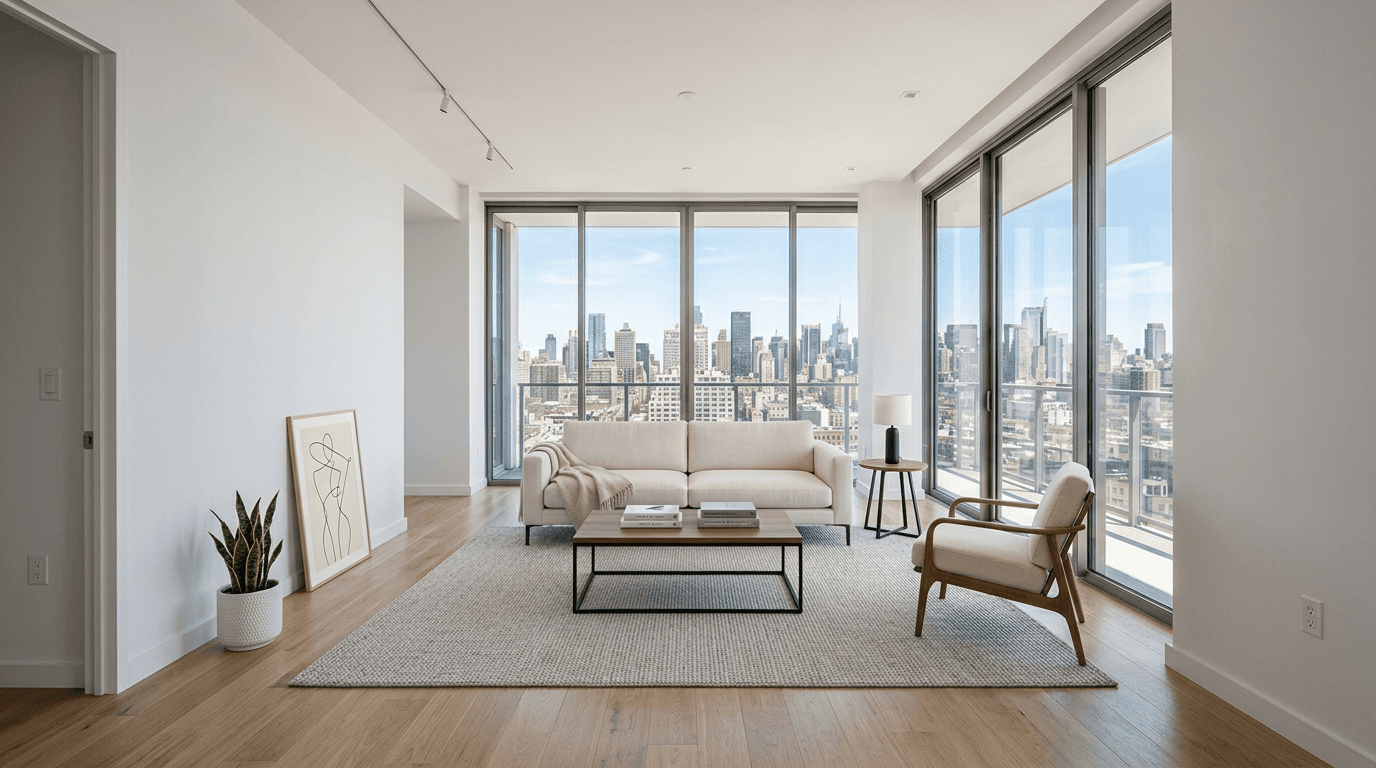
Virtual staging has become one of the most effective leasing tools for landlords marketing marriage and family office suites in 2026 because it solves the exact problem that holds back inquiry volume: an empty suite may be clean, functional, and well located, yet still look emotionally flat, clinically cold, and visually smaller than it feels in person. For owners and leasing teams targeting therapists, counselors, psychologists, social workers, and wellness practitioners, this is a serious marketing gap. These prospects are not simply choosing square footage; they are evaluating whether a space can support trust, privacy, calm, and professional credibility for vulnerable client interactions. A bare room with harsh lighting and blank walls fails to tell that story online. Strategic virtual staging closes that gap by translating sterile interiors into believable, welcoming private-practice environments that help prospects imagine a furnished waiting nook, a grounded therapy room, a tasteful telehealth setup, or a couples counseling office that feels safe and premium. When executed correctly, virtual staging does more than beautify photos. It clarifies room function, improves perceived value, reduces confusion around small layouts, and positions your suites as move-in-ready opportunities for care-based professionals. This guide walks landlords through the exact process for using virtual staging to market these specialized suites more effectively, attract better-fit tenants, and present even compact medical-adjacent offices with warmth, professionalism, and leasing power.
According to recent staging metrics by the National Association of Realtors (NAR), professionally staged properties can significantly increase sales speed and perceived value, accelerating the impact for your specific niche.
Step 1: Define the emotional and functional story each suite needs to tell
Before you order a single virtually staged image, you need to determine what kind of practice experience the suite should communicate to your target tenant, because successful staging for marriage and family office suites is not generic office decoration. It is a positioning exercise rooted in how therapists and wellness professionals evaluate space. A prospective marriage and family therapist is asking whether the suite feels private enough for sensitive conversations, soft enough to reduce anxiety, professional enough to justify their fees, and flexible enough to support individual, couples, or family sessions. If the space is located near medical tenants or inside a mixed professional building, the visuals must intentionally soften any institutional feel and redirect attention toward comfort, discretion, and therapeutic usability. That means identifying the most probable end users for each suite, such as solo counselors, child and adolescent therapists, relationship specialists, trauma-informed practitioners, or integrative wellness providers, and then aligning the visual concept accordingly. A compact rectangular room might be staged as an intimate talk-therapy office with two accent chairs, a neutral rug, and warm side lighting, while a slightly larger suite may benefit from a layout that shows a clinician desk, a consultation zone, and a small waiting area to make the square footage read as efficient rather than cramped. This planning phase is also where landlords should decide what emotional adjectives must define the listing, such as calming, private, premium, light-filled, grounded, modern, or welcoming, because those descriptors should guide every staging choice. When you skip this step, the result is often attractive but mismatched imagery that looks like a startup office, a home living room, or a trendy coworking suite rather than a credible private-practice environment. The strongest virtual staging begins with a clear leasing narrative: who the suite is for, what practice model it supports, and what emotional experience the prospect should feel the moment they open the listing photos.
Action Step
Identify the top 2 to 3 practitioner types most likely to lease the suite and write down the emotional qualities your listing images must communicate.
Step 2: Capture source photography that makes small suites look honest, bright, and usable
Virtual staging can only perform as well as the original photography allows, so landlords must treat the photo capture process as the foundation of the entire leasing presentation rather than an afterthought. Small medical-adjacent suites are especially vulnerable to poor photography because wide-angle distortion can make them feel awkward, overhead fluorescent lighting can exaggerate their clinical harshness, and clutter or maintenance distractions can undermine even the most polished digital staging. The goal is not to create deceptive imagery but to produce clean, high-resolution photos that reveal the architecture accurately while giving the staging team enough visual clarity to add furnishings convincingly. Begin by ensuring the suite is fully cleaned, patched, painted if necessary, and stripped of temporary distractions such as bins, cables, paper notices, or leftover equipment. Replace burned-out bulbs, open blinds strategically to balance natural light, and photograph at a time of day when the suite feels brightest without blown-out windows. Use angles that show room depth and circulation, especially for compact spaces where prospects need help understanding how a desk, chairs, and storage might actually fit. Rather than capturing only one hero shot, collect multiple perspectives of each room, including the view from the entry, the primary client-facing angle, and any niche that could support reception seating, records storage, or telehealth use. Hallways, entrances, shared waiting areas, and restrooms may also deserve photography if they are part of the tenant experience and can reinforce a polished, private-practice brand. The most effective landlords also document dimensions and fixed elements like outlets, windows, sinks, and door swings so staged furniture remains proportionate and believable. If the photos are dark, crooked, or visually confusing, the virtual staging will look cosmetic instead of persuasive. In contrast, clear architectural photography gives prospects confidence that the inviting mood they see online is grounded in a real, functional suite they can actually lease and use successfully.
Action Step
Schedule a professional photo session for each suite after cleaning and maintenance, and capture multiple accurate angles that show depth, layout, and light.
Step 3: Stage for therapeutic credibility, not generic office appeal
The most common mistake landlords make with virtual staging in this niche is using generic executive-office furniture that may look polished but completely misses what therapists, counselors, and wellness practitioners need to see. A marriage and family office suite should not read like a law office, a sales bullpen, or a tech startup satellite room. It should signal emotional safety, professionalism, quiet authority, and practical usability for client care. That requires highly intentional staging choices. Furniture should feel soft but not residentially casual, refined but not intimidating, and minimal without becoming sterile. Neutral palettes usually perform best, especially warm whites, muted taupes, soft greens, dusty blues, light woods, and textured fabrics that visually calm the space. Seating should suggest actual session use, such as two coordinated lounge chairs angled for conversation, a modest therapist chair, a side table for tissues or water, and a rug that anchors the room without overwhelming it. In some suites, showing a desk in a secondary zone can help prospects understand documentation or telehealth workflow, but the desk should not dominate the image if the room is being marketed primarily for therapy sessions. Art should be understated and non-triggering, plants should add life without clutter, and accessories should be sparse enough to feel premium while still helping the room look inhabited. For family-oriented practices, the staging can gently imply flexibility by showing a slightly larger seating arrangement or a shelf element that suggests organization, but it should avoid over-theming with childish decor unless the suite is explicitly being marketed to pediatric providers. Every visual element should answer the prospect’s silent questions: Can my clients relax here? Will this support confidentiality and trust? Does this look like a space where people would open up? When virtual staging reflects those therapeutic realities, it does not merely decorate the room; it makes the suite legible as a real place of care, which is precisely what drives stronger emotional engagement and more qualified inquiries.
Action Step
Approve a staging style guide that prioritizes warm, therapeutic, professional furnishings and explicitly avoids generic corporate office aesthetics.
Step 4: Use staged images to solve objections in the listing, not just make it prettier
Once you have strong staged images, the next step is to deploy them strategically across your listing so they answer leasing objections before a prospect ever schedules a tour. This is where many landlords leave value on the table. They upload a few enhanced photos, but they fail to connect those visuals to the concerns that matter most to therapists and wellness practitioners renting smaller suites. Your listing should use the staged imagery to clarify how the space functions, who it suits best, and why it feels more premium than competing empty offices. For example, if the suite is compact, the photos should demonstrate efficient furniture scale and clear walk paths, while the written description reinforces that the room comfortably supports individual therapy, couples counseling, or part-time private practice. If the building has a medical adjacency that could seem too clinical, the staged images should lead with warmth and softness, and your copy should emphasize quiet professional surroundings, privacy, and suitability for counseling and wellness use. If natural light is limited, the staging should show how layered lighting and thoughtful furnishing create a grounded atmosphere, while the listing text highlights ambiance rather than pretending the room is sun-drenched. It is also smart to pair staged images with one or two unstaged or lightly edited reference photos when appropriate, especially on your website or brochure, so prospects understand the suite’s real finishes while still seeing its potential. Add captions or image sequencing that guide interpretation, such as beginning with the fully staged therapy-room perspective, then showing entry flow, then shared amenities. This approach helps prospects mentally move through the suite and understand fit before they ever arrive. In 2026’s leasing environment, attention is short and online comparison is immediate, so the listings that win are the ones that reduce imagination labor for the prospect. Virtual staging is most powerful when it becomes part of a larger conversion strategy that makes a small suite feel clear, intentional, and practice-ready from the first click.
Action Step
Rewrite your listing around the staged images so each photo addresses a likely prospect objection about size, warmth, usability, or professional fit.
Step 5: Measure performance, refine by tenant type, and build a repeatable leasing system
The landlords who get the greatest long-term return from virtual staging are not the ones who treat it as a one-time visual upgrade; they are the ones who turn it into a measured, repeatable leasing system tailored to tenant demand. After publishing your staged listing, track what actually improves. Monitor inquiry volume, lead quality, time on market, click-through rate from listing portals, tour requests, and comments from prospects during showings. Leasing teams should pay close attention to whether prospects reference the room feeling as warm, private, premium, or larger than expected, because those reactions reveal whether your imagery is doing its job. You should also compare performance between different visual approaches. One suite may generate better engagement when staged as a couples counseling office, while another may attract more qualified interest when presented as a general therapy and telehealth hybrid. Over time, this gives you a practical evidence base for which design language resonates with your market. It can also inform broader capital improvements. If staged images featuring softer lighting, upgraded paint colors, and modern flooring consistently outperform, that may justify modest physical renovations that make future listings even stronger. Build a reusable system that includes preferred photographers, approved staging vendors, standard style directions, image order templates, listing copy frameworks, and compliance checks to ensure the final marketing remains accurate and ethical. This matters because consistency across vacancies strengthens your building’s brand as a place where therapists and wellness professionals can establish credible, calming practices. In a specialized leasing niche, brand trust compounds over time. The more your marketing repeatedly shows that you understand the needs of clinicians and small private-practice operators, the easier it becomes to attract aligned tenants, command stronger perceived value, and shorten vacancy periods. Virtual staging reaches its full potential when it moves from an isolated tactic to an operating process embedded in how you market every suite.
Action Step
Set up a simple performance dashboard tracking inquiries, tours, and lease outcomes so you can refine your staging strategy by suite type and tenant audience.
Explore More Resources
Conclusion
For marriage and family office suite landlords, virtual staging is no longer just a cosmetic enhancement; it is a practical leasing strategy that bridges the gap between empty square footage and the emotional, professional experience therapists need to envision before they inquire. When you define the right tenant story, capture accurate photography, stage for therapeutic credibility, use the images to answer objections, and measure results over time, even small medical-adjacent suites can market like premium private-practice environments. The real advantage is not simply that the space looks better online. It is that the listing becomes easier to understand, more emotionally resonant, and more persuasive to the exact practitioners you want to attract. In 2026, that clarity is what helps landlords reduce vacancy, improve lead quality, and position their suites as welcoming places of care rather than empty rooms waiting to be interpreted.
Ready to Stage Your First Room?
Join thousands of top real estate professionals who use AI Virtual Staging to instantly transform vacant photos into fully-furnished masterpieces in under 20 seconds.
Start Staging For FreeFrequently Asked Questions
Is virtual staging misleading for therapy and counseling office listings?
Not when it is used ethically. Virtual staging should illustrate realistic furnishing possibilities, not misrepresent the room’s size, condition, layout, or features. For marriage and family office suites, the best practice is to stage accurately scaled furniture, preserve architectural truth, and make it clear that images are virtually staged where appropriate. The goal is to help prospects imagine practical use, not to create a space that cannot exist in reality.
What kind of virtual staging style works best for marriage and family therapists?
The strongest style is typically warm, understated, and therapeutically credible. Think soft neutral colors, comfortable but professional seating, minimal clutter, natural textures, subtle artwork, and calm lighting cues. The room should feel safe and polished without looking too corporate or too residential. Prospects should immediately recognize it as a place suitable for confidential, emotionally sensitive conversations.
Can virtual staging really help small office suites lease faster?
Yes, especially when the suite is difficult to interpret empty. Small offices often photograph poorly and can seem colder, tighter, or less premium than they feel in person. Virtual staging helps define use, improve spatial readability, and create emotional appeal, all of which can increase inquiry quality and reduce the hesitation prospects feel when comparing multiple listings online.
Should landlords show only staged photos or include original photos too?
A blended approach is often best. Staged photos are ideal for showing potential and emotional fit, while a few original or lightly edited photos can reinforce transparency about actual finishes and layout. On listing portals with limited image slots, staged images usually deserve priority, but your website, brochure, or follow-up materials can include both formats to build trust and set accurate expectations.
How many photos should be virtually staged for one suite?
That depends on the layout, but most small therapy-oriented suites benefit from two to five strategically staged images. Focus on the main therapy room angle, the entry or circulation view, and any secondary area that could function as a desk zone, waiting nook, or telehealth setup. The objective is not quantity for its own sake, but enough visual coverage to help a prospective tenant understand how the suite supports a credible and welcoming private practice.
Explore More Guides
Continue building your real estate expertise.
The Step-by-Step Guide to Virtual Staging for Luxury Barndominium Builders and Brokers
An authoritative 2026 step-by-step guide for luxury barndominium builders and brokers on using virtual staging to market high-end rural residences, clarify unconventional layouts, and elevate perceived value.
The Step-by-Step Guide to Virtual Staging for Mansion Tax Exodus Seller Brokerages
An authoritative 2026 step-by-step guide for brokerages serving high-end sellers exiting mansion-tax and high-tax markets, showing how to use virtual staging to refresh vacant luxury listings, attract out-of-market buyers, and accelerate premium home sales.
The Step-by-Step Guide to Virtual Staging for Distressed Condo Association Receivership Specialists
An authoritative 2026 step-by-step guide for distressed condo association receivership specialists on using virtual staging to market neglected condominium assets, demonstrate recovery potential, support lender communication, and accelerate sales or lease-up outcomes.
The Step-by-Step Guide to Virtual Staging for Modular Home Manufacturers Sales Teams
An authoritative step-by-step guide for modular home manufacturers sales teams on using virtual staging to showcase model variations faster, support dealer networks, reduce photography lag, and help buyers compare finishes and furniture styles in 2026.
The Step-by-Step Guide to Virtual Staging for Tenant-Occupied Duplex and Triplex Listing Specialists
An authoritative 2026 step-by-step guide for agents marketing tenant-occupied duplexes and triplexes using virtual staging to overcome privacy limits, inconsistent showings, and buyer uncertainty around layout and rent-growth potential.
The Step-by-Step Guide to Virtual Staging for Attorney-Owned Office Condo Landlords
An authoritative 2026 step-by-step guide for attorney-owned office condo landlords on using virtual staging to lease or sell office suites faster, elevate perceived value, modernize outdated interiors, and market professional spaces without a full commercial real estate team.