
The Step-by-Step Guide to Virtual Staging for Suburban Office Park to Residential Conversion Developers
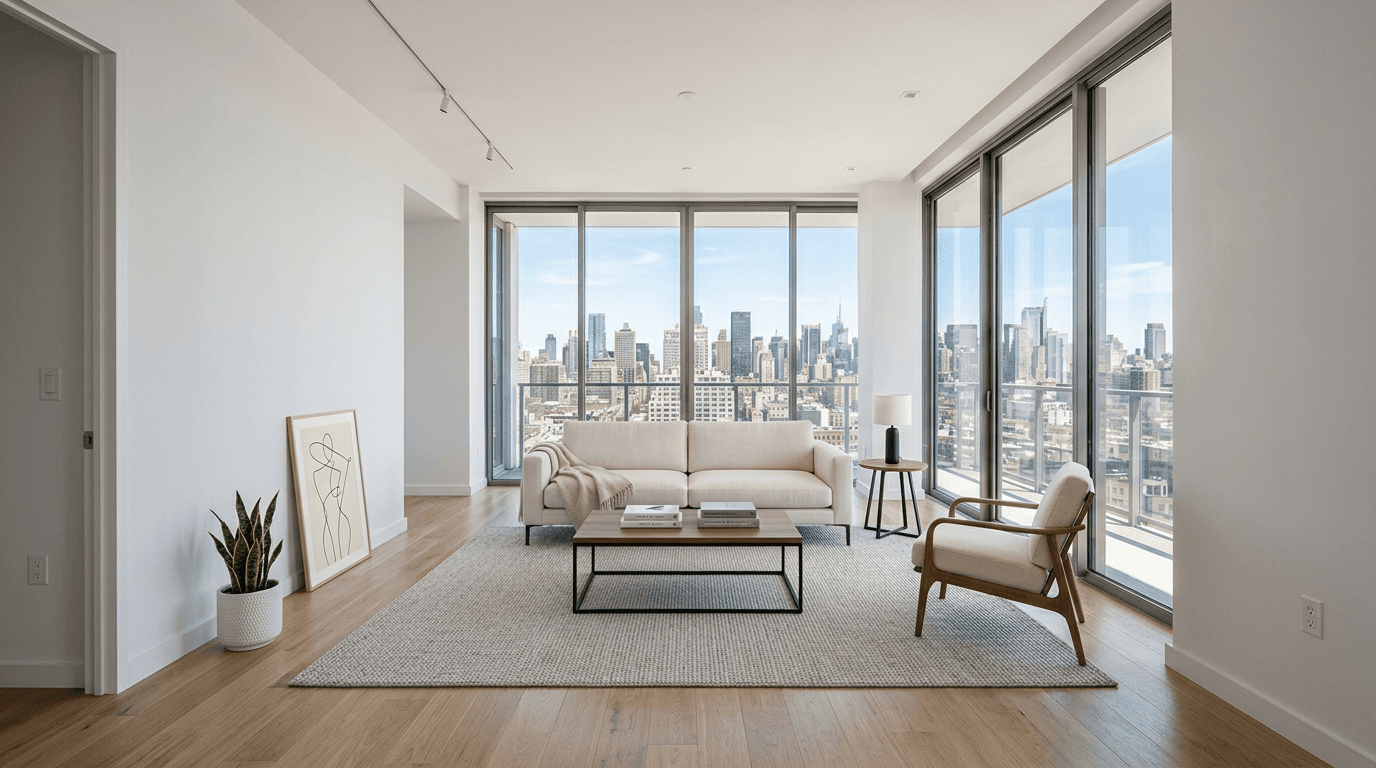
Virtual staging has become one of the most powerful marketing tools available to developers transforming obsolete suburban office parks into apartments, townhomes, and mixed residential communities, because the central challenge is not simply showing square footage, but completely redefining how people perceive a place. In 2026, prospective renters, buyers, lenders, and municipal stakeholders are all evaluating these projects through the lens of livability, identity, and long-term neighborhood value, which means raw construction photos, shell-condition interiors, and legacy corporate architecture rarely do enough to communicate the residential future you are creating. Developers in this niche face a particularly difficult storytelling problem: they must help consumers mentally overwrite decades of association with office corridors, parking fields, low-slung facades, and awkward deep-floorplate layouts, while also building enough emotional momentum to support pre-leasing, pricing strategy, and absorption before the entire community is complete. A sophisticated virtual staging strategy solves that problem by converting ambiguity into aspiration. It allows you to demonstrate how former lobbies become hospitality-driven arrival experiences, how oversized windows support light-filled living rooms, how underused grounds become amenity-rich outdoor spaces, and how an unconventional adaptive reuse plan can still feel intuitive, stylish, and highly desirable. When executed strategically, virtual staging does far more than beautify images; it becomes a sales infrastructure that reduces perceived risk, sharpens market positioning, and helps your team communicate a residential vision with precision across leasing, investor, and community-facing channels.
According to recent staging metrics by the National Association of Realtors (NAR), professionally staged properties can significantly increase sales speed and perceived value, accelerating the impact for your specific niche.
Step 1: Build a residential positioning strategy before you stage a single image
The most successful virtual staging campaigns for suburban office park conversions begin long before a designer places digital furniture inside a model unit, because staging only works when it is anchored to a precise residential positioning strategy. Developers often make the costly mistake of treating virtual staging as cosmetic enhancement rather than market translation, but former office environments require a much deeper layer of narrative planning. You are not merely showing a room; you are recoding the identity of an entire property from corporate utility to desirable daily life. That starts with defining exactly who the intended resident or buyer is, how they will use the space, what competing properties they are comparing you against, and which concerns are most likely to delay commitment. A young professional renter may need to see a sleek work-from-home niche and a hospitality-style clubhouse that offsets concerns about the project’s office-park origins, while a downsizing empty nester may respond more strongly to effortless accessibility, generous storage, landscaped walking areas, and calm, elevated interiors. If your project includes mixed products such as apartments, for-sale townhomes, and neighborhood retail, each asset class should have its own visual logic tied to distinct demand segments. Your staging plan should therefore map every important image to a marketing objective: proving natural light, reframing unusual footprints, softening institutional architecture, elevating amenity value, or reinforcing the identity of the emerging residential district. This strategic groundwork also helps leasing and sales teams maintain consistency across websites, offering memoranda, pitch decks, signage, and municipal presentations. In practical terms, developers should create a staging brief that includes target personas, design style direction, unit-type priorities, likely objections, premium features to emphasize, and the emotional outcome each rendering should create. Without that level of planning, virtual staging risks looking attractive but generic, which is especially dangerous in adaptive reuse where every image must actively answer the question, "Why would I want to live here?"
Action Step
Create a written virtual staging brief that defines your target resident profiles, core objections, visual brand direction, and the specific conversion story each image must communicate.
Step 2: Select the right spaces and viewpoints to overcome office-to-residential skepticism
Once your positioning is clear, the next step is deciding which spaces deserve virtual staging and from which angles they should be presented, because in office park conversions, image selection is often more important than image styling. Prospects are not approaching these developments with a neutral mindset; they are often skeptical about layout efficiency, privacy, warmth, and neighborhood character, so your chosen views must be engineered to reduce those doubts immediately. Start by identifying the highest-friction spaces in the project: deep floor plates that once served as conference or administrative areas, long corridors that still read as institutional, oversized lobbies that could feel impersonal, and exterior views dominated by parking or legacy facade rhythms. These are precisely the places where strategic visualization can shift perception if framed correctly. Rather than relying only on the obvious living room shot, developers should stage sequences that help people understand the lived experience of the residence. For example, a wide-angle view from kitchen to living area can demonstrate flow and daylight penetration, while a bedroom perspective showing scale, nightstands, and circulation can reassure renters that an adapted layout functions like a true home rather than an improvised retrofit. Exterior and amenity visuals are equally critical in suburban office environments, where the site plan itself may feel unfamiliar as a residential setting. Use staging to show courtyards activated with seating, pedestrian-friendly pathways replacing the mental image of car-dominated circulation, and transformed arrival zones that feel more boutique community than business campus. The key is to choose perspectives that answer practical questions while also selling a lifestyle. Every selected image should do one of three things: prove usability, convey comfort, or establish place identity. If a rendering looks impressive but does not reduce buyer or renter hesitation, it is not doing enough work for the project. A disciplined image strategy ensures your marketing assets function as decision-making tools rather than decorative content.
Action Step
Audit your plans, photos, and render opportunities, then prioritize views that directly address layout skepticism, site identity concerns, and the spaces most likely to influence leasing decisions.
Step 3: Design virtual staging that makes unconventional layouts feel intentional, premium, and livable
After selecting the right viewpoints, developers must ensure the virtual staging itself is calibrated to adaptive reuse realities, because suburban office conversions cannot be staged like standard garden apartments or conventional new-build multifamily. The design language needs to acknowledge that these projects often feature unusual window lines, broad structural bays, atypical ceiling conditions, repurposed common areas, and floor plans that may initially appear difficult to furnish. Your goal is to make those features feel intentional rather than compromised. This requires much more than dropping trendy furniture into a room. Scale, spacing, and furnishing logic must be credible enough that prospects can intuitively understand how they would actually live in the space. In a former office footprint, for example, a staged living area should demonstrate not just style but furniture placement discipline that clarifies circulation paths, TV walls, dining proportions, and the distinction between work and relaxation zones. If a room can support a desk nook, reading corner, or flexible guest function, the staging should reveal that versatility without making the image feel crowded or implausible. Material palette also matters enormously. Developers should use warm, residential-forward textures and furnishings that counteract any residual institutional feel, while still aligning with the project’s target market and pricing tier. A polished, urban-modern aesthetic may be effective for a transit-adjacent rental repositioning, whereas a softer contemporary style may better support a suburban ownership product. In amenity areas, staging should express social behavior, not just furniture inventory, by showing how a former lobby becomes a co-working lounge, how a conference wing becomes wellness or club space, or how underutilized grounds become family-friendly recreation areas. The best virtual staging turns architecture into evidence of lifestyle. It tells the viewer, often in seconds, that this conversion is not a compromise purchase or rental choice, but a thoughtfully designed residential environment with character, utility, and market relevance. That emotional repositioning is what creates confidence and accelerates inquiry.
Action Step
Review each staged image for functional credibility, warm residential cues, and clear furniture logic so every unconventional space reads as intentional and easy to live in.
Step 4: Deploy staged visuals across pre-leasing, investor, and entitlement communications
Virtual staging delivers its highest return when it is treated as a multi-channel communication asset rather than something reserved for a listing page or brochure. Developers converting suburban office parks need momentum from several audiences at once, including prospective residents, equity partners, lenders, brokers, public officials, and nearby community members, and each group is evaluating a different form of risk. For residents, the risk is livability and desirability. For capital partners, it is absorption and pricing confidence. For municipalities, it is whether the adaptive reuse plan genuinely improves the site and contributes to local housing goals. Well-produced staged visuals can support all of these conversations when deployed deliberately. In pre-leasing campaigns, staged interiors and amenities should be integrated into landing pages, email nurture sequences, paid social creative, retargeting ads, and leasing office displays so prospects encounter a coherent residential identity at every touchpoint. For projects opening in phases, visual staging can also fill the inevitable gap between construction progress and market-ready units, allowing your team to market future inventory before finished product photography exists. On the capital side, developers can use the same visual package in investor decks and financing presentations to show not just the architecture, but the consumer-facing story that supports lease-up assumptions and revenue strategy. In entitlement and public engagement settings, carefully staged images can be especially persuasive because they help boards and neighbors visualize a beneficial transformation rather than reacting to technical plans alone. A former office campus shown as a walkable, landscaped residential community is easier to support than one described only through zoning language and elevations. To maximize impact, every image should be labeled and distributed according to purpose, audience, and project timeline, with clear consistency in branding, finish assumptions, and lifestyle messaging. When virtual staging is operationalized across functions instead of siloed within marketing, it strengthens the entire business case for the conversion.
Action Step
Build a distribution plan that assigns each staged visual to specific uses across pre-leasing, investor materials, lender presentations, and public approval communications.
Step 5: Measure performance, refine the visuals, and connect staging to lease-up results
The final step is treating virtual staging as a performance-driven marketing system that should be measured, refined, and tied directly to leasing and sales outcomes. Too many development teams invest in high-quality staged imagery, launch it broadly, and then fail to analyze which visuals actually move prospects from curiosity to action. In adaptive reuse, this is a missed opportunity because unconventional properties generate highly specific questions, and your best-performing images often reveal what the market needs most in order to feel confident. Start by tracking engagement at the asset level wherever possible, including click-through rates on ads featuring different unit types, landing-page dwell time tied to particular galleries, email engagement on amenity-focused campaigns, inquiry patterns after visual updates, and leasing team feedback about which images prospects mention most often during tours or calls. If one staged image consistently outperforms others, study why. It may be proving light, showing layout clarity, or emphasizing a lifestyle angle that resonates more strongly than your original assumptions. Conversely, if a beautifully designed rendering underperforms, the issue may be that it answers the wrong question or feels too aspirational to trust. Developers should also compare virtual staging themes against actual unit demand, premium rent acceptance, and conversion rates by product type to determine whether the imagery is effectively supporting pricing and absorption goals. This process becomes even more important in phased redevelopments where later marketing can be improved based on early response data. Leasing teams, marketers, and development leadership should hold regular review sessions to assess what the visuals are accomplishing and where new renders, revised furniture plans, alternate styles, or more site-focused imagery could improve outcomes. In 2026, the developers who win with office-to-residential conversions are not simply those who produce attractive visuals, but those who use virtual staging as a feedback-informed engine for reducing friction, sharpening value perception, and accelerating market acceptance over time.
Action Step
Track image-level marketing performance and leasing feedback monthly, then update your staged visuals based on what most effectively drives inquiries, tours, and signed leases.
Explore More Resources
Conclusion
For suburban office park to residential conversion developers, virtual staging is not a decorative afterthought; it is a strategic bridge between an obsolete corporate past and a compelling residential future. The projects in this category face an unusually high burden of imagination, because buyers and renters must be convinced not only that individual units look attractive, but that the entire place functions as a credible, appealing, and differentiated community. By starting with a clear positioning strategy, selecting views that reduce skepticism, designing staging around the realities of adaptive reuse, deploying visuals across every stakeholder channel, and measuring performance against actual lease-up goals, developers can turn virtual staging into a core driver of absorption, pricing power, and project confidence. In a market where storytelling quality increasingly influences real estate outcomes, the ability to visually prove livability before a conversion is fully experienced on site can create a meaningful competitive advantage.
Ready to Stage Your First Room?
Join thousands of top real estate professionals who use AI Virtual Staging to instantly transform vacant photos into fully-furnished masterpieces in under 20 seconds.
Start Staging For FreeFrequently Asked Questions
Why is virtual staging especially important for suburban office park to residential conversions?
Because these projects require prospects to mentally reclassify a property they may have known for years as a workplace or dated business campus. Virtual staging helps developers replace that legacy perception with a clear residential identity by showing how units, amenities, arrival spaces, and outdoor areas will actually feel when occupied as homes rather than offices.
What spaces should developers prioritize first when staging an office-to-residential conversion?
Prioritize spaces that most directly influence confidence and absorption: primary living areas, bedrooms that prove scale and privacy, kitchens or kitchen-living combinations that demonstrate functionality, key amenities, and exterior arrival or courtyard spaces that help redefine the site as a neighborhood instead of a corporate property.
Can virtual staging help with pre-leasing before construction is complete?
Yes. In fact, that is one of its strongest uses. Developers can use staged visuals to market future units, communicate design intent, support pricing strategy, and build early inquiry volume well before finished photography is available, which is especially valuable in phased conversions where lease-up momentum matters.
How do developers make sure virtual staging feels believable in unconventional layouts?
Believability comes from accurate scale, realistic furniture placement, proper circulation, and design choices that reflect how residents would genuinely use the space. The staging should clarify function rather than hide complexity, helping viewers understand where they would sleep, dine, work, relax, and store belongings within the adapted floor plan.
How should developers measure whether virtual staging is working?
They should evaluate both marketing engagement and leasing outcomes, including ad performance, click-through rates, landing-page behavior, inquiry volume, tour conversion, leasing team feedback, and whether certain images correlate with stronger unit demand or premium pricing acceptance. The best staging programs are improved continuously based on those results.
Explore More Guides
Continue building your real estate expertise.
The Step-by-Step Guide to Virtual Staging for Luxury Lakehouse Portfolio Brokerages
An authoritative 2026 step-by-step guide for luxury lakehouse portfolio brokerages on using virtual staging to overcome seasonality, elevate vacant listings, and help buyers visualize entertaining, remote work, and multigenerational living across upscale lakefront homes.
The Step-by-Step Guide to Virtual Staging for 55+ Active Adult Resale Specialists
Learn how 55+ active adult resale specialists can use virtual staging to transform personalized or outdated listings into move-in-ready, buyer-friendly marketing that attracts downsizers and drives stronger engagement in 2026.
The Step-by-Step Guide to Virtual Staging for Tiny Home Village Developers
An authoritative 2026 step-by-step guide for tiny home village developers on using virtual staging to market small-footprint homes, prove livability, showcase community lifestyle, and improve sales, leasing, and mixed-use resort-residential conversions.
The Step-by-Step Guide to Virtual Staging for Agrihood Homebuilder Marketing Teams
An authoritative step-by-step guide for agrihood homebuilder marketing teams on using virtual staging to communicate farm-centered lifestyle value, warm up vacant homes, and differentiate residential communities with agricultural amenities in 2026.
The Step-by-Step Guide to Virtual Staging for Private Island Lodge and Estate Brokers
An authoritative 2026 step-by-step guide for private island lodge and estate brokers on using virtual staging to market remote luxury properties, contextualize interiors, and help buyers visualize hospitality, family, and retreat lifestyles.
The Step-by-Step Guide to Virtual Staging for Luxury Amenitized Rent-by-Bedroom Operators
An authoritative 2026 step-by-step guide to using virtual staging for luxury amenitized rent-by-bedroom operators, covering portfolio strategy, room-by-room positioning, amenity storytelling, quality control, and conversion optimization for upscale shared homes.