
The Step-by-Step Guide to Virtual Staging for Memory Care Community Sales Directors
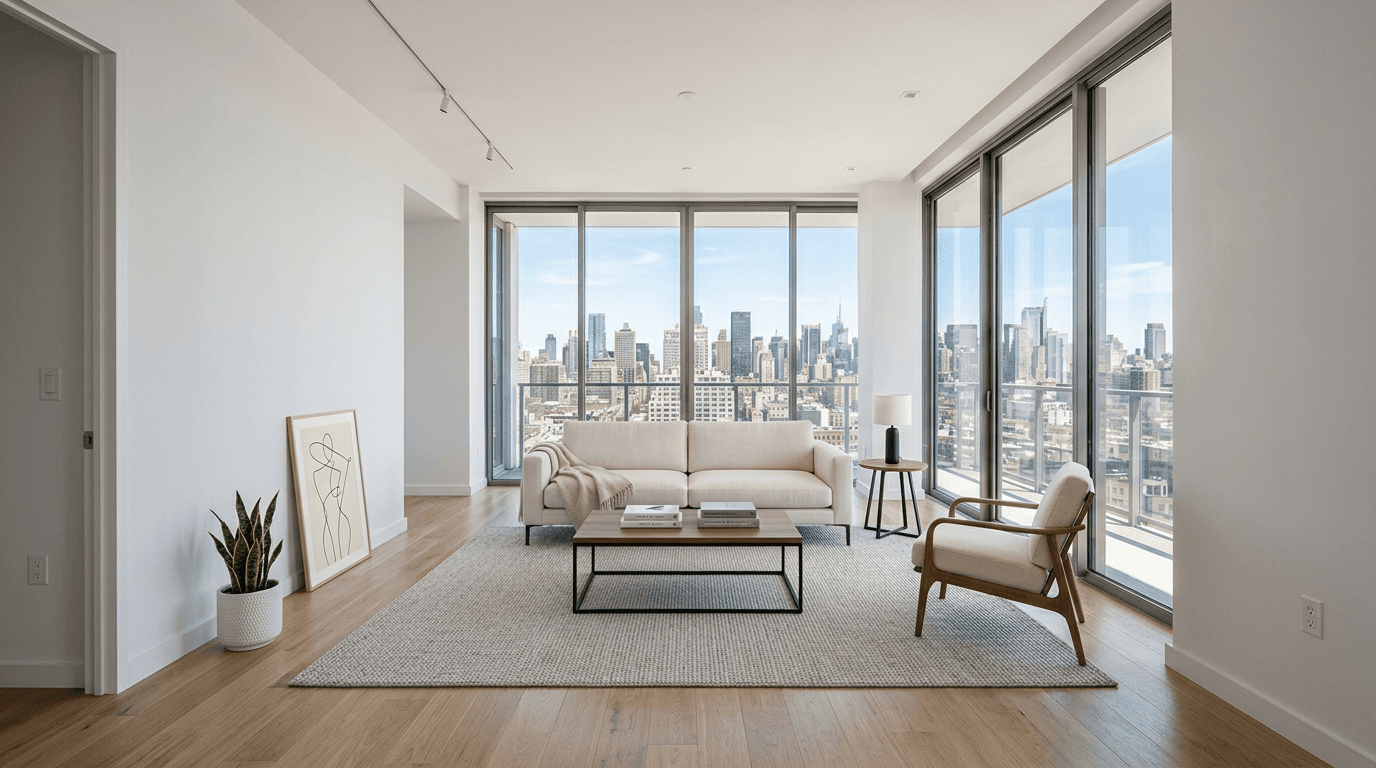
Virtual staging has become one of the most effective sales and marketing tools available to Memory Care Community Sales Directors because families rarely choose a community based on square footage alone; they choose based on how a space feels, how safe it appears, and whether they can picture their loved one being calm, protected, and cared for there. In memory care, empty rooms often photograph as cold, clinical, and emotionally inaccessible, while physically staging occupied or sensitive care environments can be disruptive, costly, and operationally unrealistic. That creates a serious sales problem: your team may be offering excellent care, but your online listing, brochure, or tour follow-up materials may fail to communicate reassurance in the first few seconds families are evaluating options. Virtual staging solves that gap when it is executed strategically. It allows you to transform sterile suite photos into warm, navigable, safety-conscious environments that reflect dignity, familiarity, and daily comfort without misrepresenting the actual unit. For occupancy and marketing leaders trying to move private-pay inventory, improve tour-to-deposit conversion, and present shared living spaces with greater sensitivity, the right virtual staging workflow can reduce uncertainty, elevate perceived value, and help families emotionally commit faster. This guide explains exactly how to use virtual staging in memory care the right way in 2026.
According to recent staging metrics by the National Association of Realtors (NAR), professionally staged properties can significantly increase sales speed and perceived value, accelerating the impact for your specific niche.
Step 1: Start with a memory care-specific visual strategy, not generic apartment staging
The biggest mistake Memory Care Community Sales Directors make with virtual staging is treating it like standard multifamily marketing, where the goal is simply to make an empty room look expensive or stylish. In memory care, your objective is very different. Families are not primarily evaluating trend-forward design; they are assessing emotional safety, navigability, comfort, and the likelihood that their loved one will settle successfully into a new environment. That means your virtual staging strategy must begin with the realities of memory support rather than with decorative preferences. Before any images are edited, define what each room needs to communicate to a decision-making family member within seconds. A private suite may need to convey quiet, softness, simplicity, and enough personalization to feel human without appearing cluttered or overstimulating. A shared suite may need to show respectful spatial separation, clear pathways, coordinated furnishings, and an atmosphere that feels companionable rather than institutional. Common areas may need to reinforce calm engagement, easy supervision, and homelike design. This strategic foundation matters because families scrutinize memory care imagery differently than they do independent living or assisted living visuals. They look for cues about fall risk, crowding, confusion, glare, mobility access, and whether the environment feels nurturing rather than clinical. By mapping every staged image to a specific sales message, such as “this suite feels peaceful,” “this shared room preserves dignity,” or “this setting supports familiarity and comfort,” you ensure the finished visuals become conversion tools rather than decorative assets. A strong strategy also keeps your team compliant and credible, because the purpose is not to create fantasy but to help families understand the lived potential of the actual space in a way that aligns with memory care needs.
Action Step
Define the primary emotional and practical message each room photo must communicate to families before you order any virtual staging.
Step 2: Select source photos that highlight safety, layout clarity, and real livability
Virtual staging can only be as persuasive as the original photography you provide, which is why source-image selection is a critical sales decision rather than a routine marketing task. In memory care, families need visual proof that a room is not only attractive but also manageable, secure, and appropriate for a loved one experiencing cognitive decline. Start by capturing bright, high-resolution photographs of actual suites and shared rooms that clearly show floor area, window placement, bathroom access, natural light, and walking paths. The camera angle should help a family understand how a resident would move through the room, where furnishings can reasonably fit, and whether the environment feels open without seeming barren. Avoid distorted wide-angle imagery that exaggerates square footage or creates misleading perspectives, because trust is paramount in senior living sales, especially when families are making emotionally charged private-pay decisions under time pressure. You should also avoid photographing spaces in a way that emphasizes medical equipment, harsh lighting, empty corners, or institutional finishes unless those elements are unavoidable and can be softened honestly through staging choices. For shared living environments, it is particularly important to capture enough of the room to demonstrate how two residents can coexist with dignity, personal space, and clear circulation. Beyond technical quality, think about narrative quality. Every photo should answer a family’s unspoken question: can my loved one be comfortable here, and can I feel good about this choice? When your source images are grounded in realistic room function, your staged results will feel credible and calming. When the originals are poorly lit, awkwardly framed, or visually confusing, even excellent staging will struggle to overcome the underlying friction. In other words, source photography is where trust begins.
Action Step
Audit your current suite and shared-room photos and replace any images that do not clearly show layout, light, and safe movement through the space.
Step 3: Stage for warmth and reassurance while preserving memory care realism
Once you have strong source photos, the next step is designing virtual staging that reflects what memory care families actually need to see: warmth without clutter, dignity without luxury theater, and comfort without visual confusion. The most effective staged rooms in this category use soft, calming color palettes, residential-style furnishings, gentle textiles, and familiar decorative cues that help a family imagine a loved one living there peacefully. Think upholstered seating with supportive proportions, beds dressed in inviting but simple linens, nightstands and dressers that suggest routine and practicality, and modest decor that gives the room humanity without introducing overstimulation. It is important to avoid overly ornate furniture, trendy design moments, sharp contrasts, visually noisy patterns, or excessive accessories, because those choices may undermine the core memory care message of calm and navigable living. In shared suites, stage the room to show balanced dignity for both residents, with clear zones, coordinated furnishings, and enough empty space to imply ease of movement and staff support. In private suites, show opportunities for personalization while keeping surfaces clean and pathways obvious. Safety should be visible, even when subtle. Families should be able to intuit that the room supports mobility, reduces tripping hazards, and allows caregivers to function effectively. That means avoiding rugs that look unstable, furniture arrangements that block access, or decorative items that make the environment seem busy or impractical. Most importantly, the staging must remain faithful to the actual architecture and dimensions of the room. Your goal is not to create an aspirational showroom; it is to reveal the best, most livable version of the real suite. When families see honest warmth layered onto a believable layout, they are far more likely to feel both emotionally reassured and practically informed, which is exactly the combination that moves occupancy decisions forward.
Action Step
Create a memory care staging brief that specifies calming colors, simple furnishings, clear pathways, and realistic layouts for every room type.
Step 4: Use staged visuals across the full family decision journey, not just on listings
Virtual staging delivers its highest return when it is integrated into the entire sales process rather than treated as a single website enhancement. Memory care families rarely make decisions in one linear interaction; they move through a complex emotional journey that may include online research, sibling consultations, physician input, urgent care transitions, financial discussions, and multiple rounds of reassurance-seeking before a deposit is placed. Because of that, your staged visuals should appear everywhere trust and understanding need to be reinforced. On your website, they should elevate suite pages so families immediately grasp the difference between private and shared options and can imagine the environment as welcoming instead of empty. In email follow-up after an inquiry or tour, staged images should be paired with concise explanations that connect the room to comfort, safety, and day-to-day routine. In printed materials or digital brochures, they should help your team tell a consistent story about what life feels like inside the community, especially for families comparing several providers at once. During sales conversations, staged photos can be used to reduce hesitation around unoccupied inventory, upcoming availability, or spaces that are difficult to physically access due to resident privacy or operational sensitivity. They are also powerful in objection handling, particularly when a family says a room “felt small,” “seemed too plain,” or was hard to envision furnished appropriately. When used thoughtfully, virtual staging becomes a bridge between clinical uncertainty and emotional clarity. It helps your team shift the conversation from raw room dimensions to lived experience, which is often where decisions are truly made. The key is consistency: every staged image should support the same brand promises of compassion, safety, transparency, and resident-centered design across every touchpoint where families evaluate your community.
Action Step
Deploy your best staged suite images on your website, tour follow-up emails, brochures, and sales presentations so families see a consistent story everywhere.
Step 5: Measure performance, protect trust, and refine your staging over time
The final step is treating virtual staging as an occupancy optimization system rather than a one-time creative project. In memory care, trust is your most valuable marketing asset, so every staged image must be both compelling and ethically grounded. That starts with transparency. If appropriate for your brand and market, indicate that select images are virtually staged representations of actual rooms so families understand they are viewing a realistic furnishing concept rather than untouched photography. This protects credibility and ensures your sales team is reinforcing rather than undermining confidence during tours. From there, establish performance metrics that connect imagery to business outcomes. Track how staged room pages perform compared with unstaged versions in terms of click-through rates, time on page, inquiry conversion, and tour requests. Measure whether tour follow-up emails featuring staged visuals produce faster response times, more second tours, or improved deposit conversion. Listen closely to what families say during tours and move-ins: do they describe the rooms as more welcoming, easier to picture, or less institutional than competitors? Those qualitative signals are as important as raw analytics because memory care decisions are deeply emotional. You should also refine your staging based on room type and audience segment. For example, adult children making urgent placement decisions may respond most strongly to clear comfort-and-safety cues, while planners evaluating for a future transition may engage more with personalization and lifestyle framing. Over time, build a tested visual library for private suites, companion rooms, respite spaces, and relevant common areas so your team can deploy the right imagery quickly. The communities that win in 2026 are not simply the ones with the nicest photos; they are the ones that use honest, emotionally intelligent visuals to make families feel informed, reassured, and ready to act.
Action Step
Add disclosure where needed, track conversion metrics for staged images, and review family feedback quarterly to improve your visual strategy.
Explore More Resources
Conclusion
For Memory Care Community Sales Directors, virtual staging is not about cosmetic enhancement alone; it is a practical occupancy tool that helps families understand, trust, and emotionally accept a care environment that may otherwise appear empty or clinical. When you begin with a memory care-specific strategy, capture strong source photos, stage for calm realism, use the visuals throughout the entire sales journey, and continuously measure results, virtual staging becomes a meaningful advantage in filling private-pay suites and shared living spaces. In 2026, the communities that present rooms with warmth, clarity, and integrity will be better positioned to shorten decision cycles, improve tour-to-deposit conversion, and support families during one of the most sensitive decisions they will ever make.
Ready to Stage Your First Room?
Join thousands of top real estate professionals who use AI Virtual Staging to instantly transform vacant photos into fully-furnished masterpieces in under 20 seconds.
Start Staging For FreeFrequently Asked Questions
Is virtual staging ethical for memory care marketing?
Yes, when it is used to present realistic furnishing possibilities within the actual room dimensions and layout. The goal should be to help families understand livability, warmth, and function, not to misrepresent the suite. Sales teams should avoid exaggerated spacing, unrealistic furniture, or visual features the room does not truly offer.
What rooms should a Memory Care Community Sales Director prioritize first for virtual staging?
Start with your highest-value inventory and highest-friction spaces: private-pay private suites, shared suites that families struggle to visualize, and any room types that appear cold or institutional when empty. If budget allows, expand next to respite rooms and select common spaces that reinforce comfort and supervision.
How is virtual staging better than physical staging in memory care?
Virtual staging is often faster, less disruptive, and more operationally practical than physically staging rooms in a sensitive care setting. It avoids moving furniture through occupied environments, reduces infection-control and privacy concerns, and allows communities to present multiple room concepts without interfering with resident life.
Can virtual staging help market shared memory care suites more effectively?
Absolutely. Shared suites are often harder for families to interpret because they worry about crowding, privacy, and dignity. Well-executed virtual staging can show clear personal zones, balanced furniture placement, and safe circulation paths, helping families see that companion living can still feel respectful and comfortable.
How often should memory care communities update their virtually staged images?
Review staged visuals at least annually, and sooner if you renovate rooms, update finishes, change furniture standards, reposition your brand, or see weak conversion performance. In a competitive 2026 market, keeping visuals aligned with actual room conditions and current family expectations is essential.
Explore More Guides
Continue building your real estate expertise.
The Step-by-Step Guide to Virtual Staging for Real Estate Agents in 2026
Learn how real estate agents can use virtual staging in 2026 to reduce days on market, lower staging costs, market vacant listings more effectively, and win more sellers with a repeatable step-by-step process.
The Step-by-Step Guide to Virtual Staging for Real Estate Investors & Flippers
An authoritative 2026 step-by-step guide for real estate investors, fix-and-flip operators, wholesalers, and rehabbers on using virtual staging to reduce holding costs, market renovated properties faster, and help buyers understand room scale and lifestyle potential.
Virtual Staging Guide for Interior Designers (2026)
An authoritative 2026 guide for interior designers on using virtual staging to speed client approvals, communicate mood boards more clearly, reduce dependency on slow rendering workflows, and present design concepts with greater visual confidence.
Airbnb & STR Hosts: 2026 Virtual Staging Guide
An authoritative 2026 guide for Airbnb and short-term rental hosts on using virtual staging to improve listing clicks, strengthen thumbnail appeal, launch faster without a designer, and support higher off-season occupancy.
The Step-by-Step Guide to Virtual Staging for Timeshare Resale Brokerages
An authoritative 2026 step-by-step guide for timeshare resale brokerages on using virtual staging to refresh dated unit imagery, build buyer trust, improve listing response, and market vacation ownership inventory more effectively.
The Step-by-Step Guide to Virtual Staging for Casino Hotel Expansion Marketing Teams
An authoritative step-by-step guide for casino hotel expansion marketing teams using virtual staging to market new towers, renovated rooms, VIP suites, and phased hospitality openings before final photography is available.