
The Step-by-Step Guide to Virtual Staging for Real Estate Agents in 2026
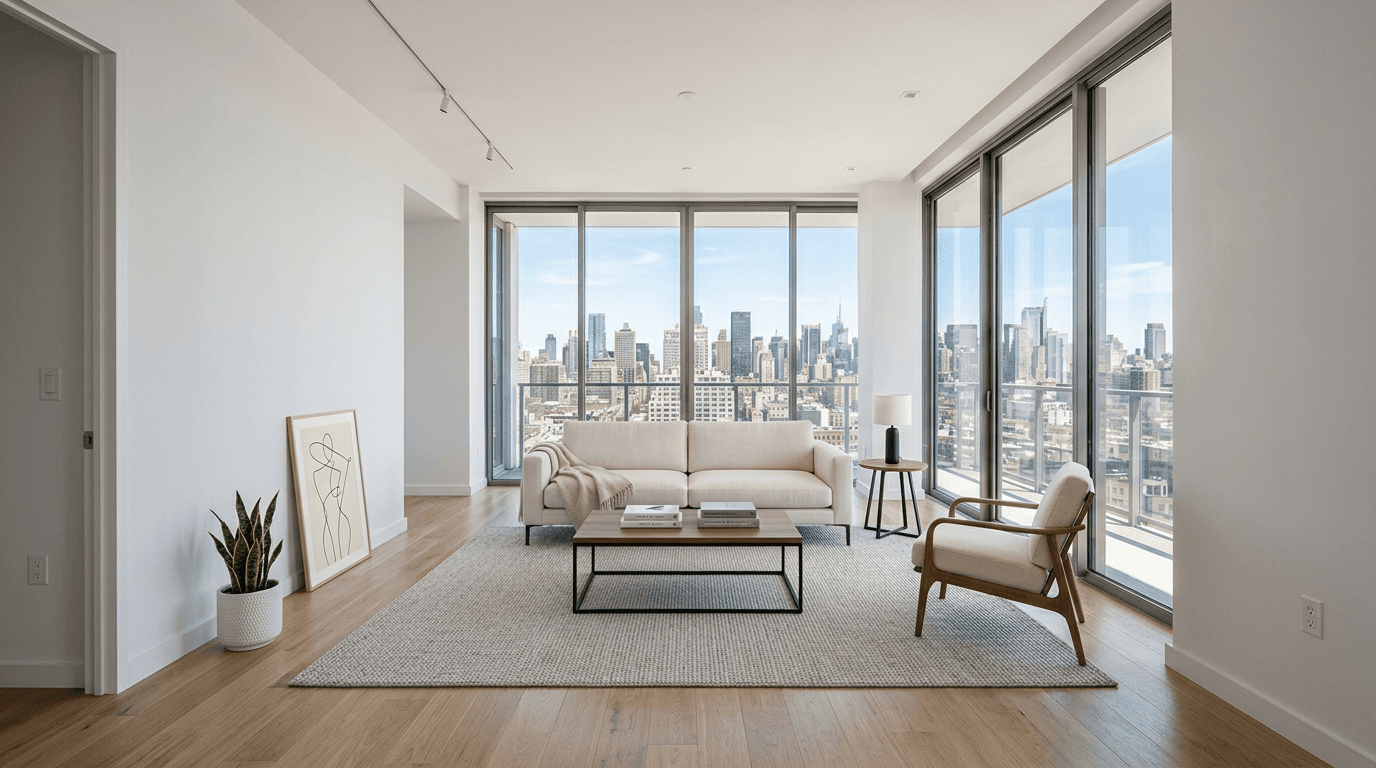
If your vacant listings are sitting too long, seller price expectations are unrealistic, and physical staging is eating into already pressured commissions, virtual staging is one of the fastest ways to improve listing presentation without the time, logistics, and cost of traditional staging. For residential real estate agents in 2026, AI-powered virtual staging is no longer a novelty; it is a practical marketing tool for helping buyers visualize scale, function, and lifestyle in empty single-family homes and condos. Used correctly, it can shorten the perceived distance between “empty house” and “future home,” strengthen online engagement, and give agents a persuasive asset when counseling sellers who resist price reductions.
According to recent staging metrics by the National Association of Realtors (NAR), professionally staged properties can significantly increase sales speed and perceived value, accelerating the impact for your specific niche.
Key Takeaways
- Virtual staging helps agents market vacant homes more effectively by making rooms feel functional, aspirational, and move-in ready online.
- AI virtual staging is dramatically faster and more cost-efficient than traditional staging, making it easier to protect commission margins while improving listing presentation.
- The best results come from pairing high-quality original photography with accurate room-by-room design choices that match the home’s likely buyer profile.
- Clear disclosure, realistic edits, and MLS-compliant marketing practices protect agent credibility while still maximizing visual impact.
- A repeatable five-step workflow lets agents use virtual staging not just as a design add-on, but as a strategic pricing, marketing, and seller-conversion tool.
| Metric | Traditional Staging | AI Virtual Staging |
|---|---|---|
| Cost per listing | Often requires furniture rental, delivery, setup, insurance, and removal, which can run from hundreds to several thousand dollars for a typical single-family home or condo. | Usually priced at a fraction of physical staging, allowing agents to stage key rooms digitally without major upfront expense or commission erosion. |
| Speed to market | Scheduling designers, movers, access windows, and installation can delay photography and listing launch by days or weeks. | Rooms can typically be staged from existing photos within 24 to 48 hours, helping agents go live faster and capitalize on early listing momentum. |
| Revision flexibility | Changing style, furniture scale, or room purpose after installation is costly and logistically difficult. | Design styles, layouts, and room interpretations can be revised quickly, making it easier to align visuals with target buyers or seller feedback. |
| Scalability across listings | Harder to justify for lower-margin listings, smaller condos, or properties where sellers refuse staging budgets. | Easy to deploy across vacant entry-level homes, condos, inherited properties, flips, and mid-market listings where visual improvement matters but budgets are tight. |
| Buyer expectation management | Shows exactly as staged in person, but may not be feasible for every listing due to cost and timing. | Highly effective online when used honestly and realistically, especially with proper disclosure that images are virtually staged and the property is currently vacant. |
Step 1: Identify which listings are ideal candidates for virtual staging
The most successful virtual staging campaigns start with strategic listing selection rather than a blanket decision to stage every vacant property the same way. As a real estate agent, your best candidates are usually listings where the home is clean, vacant, and photographically sound, but emotionally flat in online presentation. That often includes inherited homes, investor flips, new construction, recently renovated condos, and owner-vacated single-family homes where the rooms feel smaller, colder, or harder to interpret without furniture. The key is to ask whether the lack of furnishings is creating friction for buyers browsing online. If a primary bedroom looks cavernous without context, a living room feels awkwardly narrow, or a den could be mistaken for wasted square footage, virtual staging can solve a marketing problem before it becomes a pricing problem. It also becomes especially useful when sellers resist a price reduction because it gives you another lever to pull first: improve perception, increase click-through rate, and generate stronger showing activity. During your listing intake process, evaluate room function clarity, likely buyer demographic, budget sensitivity, and expected return on visual enhancement. For condos, focus on maximizing lifestyle and space efficiency. For single-family homes, prioritize family living zones, primary suites, and flex spaces. By treating virtual staging as a targeted conversion tool rather than a cosmetic extra, you make better decisions about where it will materially improve engagement and help reduce days on market.
Action Step
Review your current and upcoming vacant listings, then flag the rooms where buyers would struggle to understand scale, layout, or function without furnishings.
Step 2: Capture photography that makes virtual staging believable and effective
Virtual staging only performs as well as the base photography allows, which means your process must begin with clean, bright, high-resolution images that preserve accurate room proportions and architectural details. One of the biggest mistakes agents make is assuming AI can rescue poor listing photos. In reality, dark exposures, distorted wide-angle shots, clutter left in corners, blown-out windows, and inconsistent camera heights all reduce realism and weaken buyer trust. Before photographing, make sure the home is fully cleaned, all temporary items are removed, lights are balanced, blinds are adjusted consistently, and surfaces are clear so the final staged image feels polished rather than manipulated. Prioritize the rooms that most influence buyer perception online: living room, kitchen-adjacent dining area, primary bedroom, and one secondary space that clarifies value, such as an office, nursery, or bonus room. For condos, it is especially important to capture natural light, sight lines, and efficient furniture scale so staged images enhance spaciousness without becoming misleading. For single-family homes, focus on circulation and how major rooms connect. Use professional real estate photography whenever possible, and communicate to the photographer that images may be virtually staged so they preserve straight verticals, realistic color temperature, and enough visible floor area for furniture placement. Strong source images create credible final marketing assets, while weak photos create staged images that look synthetic, overdesigned, or suspicious. In a market where buyers scrutinize listings closely, believable visuals are what turn curiosity into showings rather than skepticism into scroll-past behavior.
Action Step
Schedule or review listing photography with virtual staging in mind, ensuring key vacant rooms are shot cleanly, brightly, and with realistic proportions.
Step 3: Choose room designs that match the target buyer and the property’s price point
The most persuasive virtual staging is not the most dramatic; it is the most strategically aligned with the likely buyer, neighborhood expectations, and actual value of the home. Real estate agents should approach room styling the same way they approach pricing and positioning: by matching the presentation to the market. A downtown condo aimed at first-time professionals may benefit from clean contemporary furnishings, compact dining solutions, and a subtle work-from-home setup. A suburban single-family home in a family-oriented school district may call for warm transitional styling, a properly scaled sectional, and a secondary bedroom staged as a child’s room or flexible study space. The goal is to help the right buyer see themselves in the property without creating a visual story that feels disconnected from the home’s finishes, size, or likely use. Overly luxurious furniture in a mid-market listing can create distrust or set the wrong expectation. Likewise, furniture that is too small, too trendy, or physically implausible can make rooms feel fake. Be deliberate about scale, traffic flow, and room purpose. If a breakfast nook has limited space, stage it with a realistic two- or four-seat setup, not an oversized designer table. If a bonus room could solve a common objection, such as “I don’t know what this room is for,” use staging to answer that question directly. Every design choice should support marketability, not just aesthetics. When you align style with buyer psychology and property economics, virtual staging becomes a sales strategy that sharpens positioning, improves perceived livability, and supports your pricing narrative in listing presentations and seller conversations.
Action Step
For each staged room, define the likely buyer, room purpose, and appropriate design style before approving any virtual furniture concepts.
Step 4: Use virtual staging as a pricing, marketing, and seller-management tool
Virtual staging delivers its highest value when it is integrated into your broader listing strategy rather than treated as a one-off photo enhancement. Once staged images are ready, use them to strengthen every part of your marketing system. In the MLS, pair the strongest virtually staged lead image with accurate remarks and proper disclosure so buyers immediately understand the home’s potential while staying informed that furnishings are digital. On your property website, social campaigns, email blasts, and broker outreach, consider showing both virtually staged and unstaged views when appropriate to help buyers connect aspiration with reality. This can be particularly effective with vacant homes that otherwise photograph as cold or smaller than they feel in person. Virtual staging is also a powerful seller-management asset. If a seller is resistant to a price reduction, you can position staging as a lower-cost intervention to test whether improved presentation increases traffic before adjusting price. That creates a more consultative, data-driven conversation and shows that you are exhausting smart marketing options rather than defaulting to discounting. Additionally, staged images can improve listing appointment win rates when used in your pre-listing package or listing presentation to demonstrate how you market vacant homes more effectively than competing agents. The important point is that virtual staging should support your strategic message: this home is livable, relevant, and worth seeing now. When used across channels with consistency and compliance, it helps generate stronger first impressions, more qualified interest, and better seller confidence in your process.
Action Step
Add virtually staged images into your MLS, listing presentation, and seller communication workflow so they support both marketing and pricing conversations.
Step 5: Stay compliant, set expectations, and measure performance to refine your process
Long-term success with virtual staging depends on credibility as much as creativity. Buyers, sellers, and cooperating agents must trust that your marketing is both compelling and honest, which means disclosure and realism are non-negotiable. Always follow your MLS, brokerage, and local advertising guidelines regarding digitally altered images, and clearly indicate when a photo has been virtually staged. Avoid edits that change permanent property features, conceal defects, misrepresent views, or imply inclusions that are not part of the sale. The purpose of virtual staging is to illustrate possibility, not to create confusion. Equally important is setting seller expectations properly. Explain that virtual staging can improve online engagement and help buyers understand room function, but it does not fix overpricing, deferred maintenance, poor location factors, or weak negotiation strategy. This framing protects your authority and keeps the seller focused on the full marketing equation. Finally, treat virtual staging as an iterative system you can improve over time. Track metrics such as listing views, showing requests, days on market, buyer feedback, and engagement differences between staged and unstaged campaigns. Pay attention to which room types and design styles produce the strongest response in your market segments. Over multiple listings, you will learn where virtual staging produces the highest return and how to standardize your process. Agents who measure outcomes gain more than better photos; they build a repeatable advantage in pricing conversations, listing conversions, and faster-moving vacant inventory.
Action Step
Create a compliance checklist and track performance metrics on virtually staged listings so you can improve results while protecting trust.
Explore More Resources
Conclusion
For real estate agents selling vacant single-family homes and condos, virtual staging is one of the most practical ways to improve listing appeal without absorbing the cost and delay of traditional staging. When you choose the right listings, start with strong photography, tailor designs to the target buyer, integrate staged images into your pricing and marketing strategy, and follow clear disclosure standards, virtual staging becomes far more than a visual upgrade. It becomes a repeatable system for reducing friction, strengthening seller confidence, increasing buyer engagement, and helping stagnant vacant listings feel emotionally legible online. In 2026, the agents who use AI virtual staging well are not simply decorating photos; they are positioning homes more effectively and protecting profitability in a more competitive market.
Ready to Stage Your First Room?
Join thousands of top real estate professionals who use AI Virtual Staging to instantly transform vacant photos into fully-furnished masterpieces in under 20 seconds.
Start Staging For FreeFrequently Asked Questions
Is virtual staging legal and acceptable for MLS listings?
Yes, in many markets virtual staging is acceptable when it complies with MLS rules, brokerage standards, and advertising regulations. The critical requirement is transparent disclosure. Agents should clearly identify virtually staged images and avoid edits that alter permanent features, hide defects, or misrepresent the property.
How many rooms should a real estate agent virtually stage?
Most agents get the best return by staging three to five key rooms rather than every space. Prioritize the living room, primary bedroom, dining area, and any room with an unclear purpose. The goal is to clarify function and improve emotional appeal where it matters most in online browsing.
Does virtual staging actually help reduce days on market?
It can help by improving first impressions, increasing click-through rates, and making vacant homes feel more livable online. While it is not a substitute for correct pricing and strong property condition, it often reduces buyer hesitation caused by empty rooms that feel smaller or harder to interpret.
What is the biggest mistake agents make with virtual staging?
The biggest mistake is using unrealistic designs or poor original photography. Oversized furniture, luxury styling that does not match the listing, and low-quality base photos can make images look artificial and damage trust. Effective virtual staging should feel believable, proportional, and aligned with the target buyer.
How should agents explain virtual staging to sellers?
Position it as a cost-effective marketing tool that helps buyers visualize how vacant rooms can live, without the expense and logistics of physical staging. Explain that it is designed to improve online presentation, support showing activity, and potentially delay or reduce the need for immediate price cuts, while still being used with honest disclosure.
Explore More Guides
Continue building your real estate expertise.
The Step-by-Step Guide to Virtual Staging for Dental Practice Brokers
An authoritative 2026 step-by-step guide for dental practice brokers on using virtual staging to modernize dated operator-owned offices, improve buyer perception, and market treatment rooms, reception areas, and leasehold opportunities ethically and effectively.
The Step-by-Step Guide to Virtual Staging for Mobile Home Park Investors
An authoritative 2026 step-by-step guide for mobile home park investors on using virtual staging to improve listings, lease and sell homes faster, reduce vacancy drag, and create low-cost marketing assets across manufactured housing communities.
The Step-by-Step Guide to Virtual Staging for Urban Loft Condo Conversion Developers
An authoritative 2026 step-by-step guide for urban loft condo conversion developers using virtual staging to market adaptive reuse units, overcome irregular layouts, showcase industrial character, and accelerate downtown condo sales.
The Step-by-Step Guide to Virtual Staging for Manufactured Home Community Sales Teams
An authoritative 2026 step-by-step guide for manufactured home community sales teams using virtual staging to market homes and vacant pads at scale, improve listing quality, reduce buyer hesitation, and support faster community sales.
The Step-by-Step Guide to Virtual Staging for New Construction Infill Townhome Marketers
An authoritative 2026 step-by-step guide for developers, sales teams, and agencies using virtual staging to market new construction infill townhomes, helping buyers visualize layout, scale, and modern urban living before completion.
The Step-by-Step Guide to Virtual Staging for Short-Term Rehab Housing Providers
Learn how short-term rehab housing providers can use virtual staging in 2026 to present temporary recovery rentals as comfortable, accessible, clean, and referral-ready. This step-by-step guide covers room selection, recovery-focused design, compliance-minded visuals, photo preparation, and marketing deployment.