
The Step-by-Step Guide to Virtual Staging for Resort Residence Branded Condo Developers
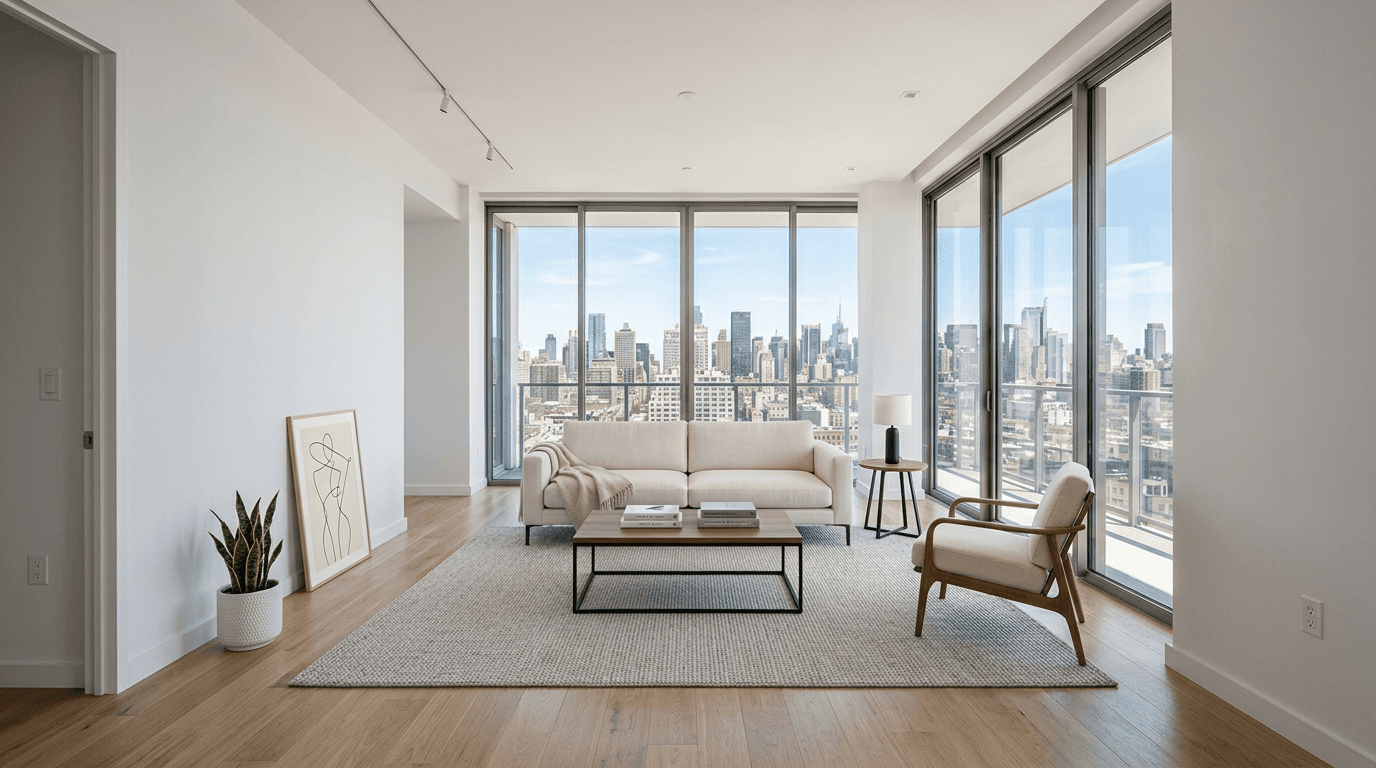
For resort residence branded condo developers, virtual staging is no longer a cosmetic marketing add-on; in 2026, it is a strategic sales infrastructure for translating an unfinished unit into a branded ownership story buyers can emotionally understand and financially justify. Developers attached to wellness resorts, beach clubs, and lifestyle membership communities face a uniquely demanding challenge: you are not simply selling square footage, finishes, or a floor plan, but a fully imagined way of living that must feel elevated, credible, and consistent with hospitality brand standards long before construction is complete. During extended pre-sale cycles, empty shells, CGI fatigue, fragmented design messaging, and inconsistent visuals can quietly erode absorption, confuse brokers, and dilute premium pricing power. The most effective virtual staging programs solve those problems by aligning every image with the residence brand promise, target buyer psychology, operational realities, and the sales journey from teaser campaigns to contract signing. This guide explains exactly how resort residence developers should use virtual staging step by step so the imagery does more than beautify a room: it communicates brand identity, supports design intent, shortens the imagination gap for buyers, and turns under-construction inventory into a compelling, lifestyle-rich ownership proposition.
According to recent staging metrics by the National Association of Realtors (NAR), professionally staged properties can significantly increase sales speed and perceived value, accelerating the impact for your specific niche.
Step 1: Build a brand-led virtual staging strategy before a single image is produced
The most successful virtual staging for resort residence branded condo developments begins long before a rendering artist places a sofa, pendant light, or dining table into a room. It starts with a disciplined brand-led strategy that defines what the visuals must communicate across the entire sales cycle. For hospitality-connected residences, the central mistake many developers make is treating staging as a generic aesthetic exercise rather than a translation of the brand promise into ownership imagery. A branded wellness residence should not feel like a beach club penthouse, and a beach club residence should not be staged like an urban luxury tower with only token coastal accents. The visual language must reflect the operator’s positioning, the resident experience, the emotional aspiration of the buyer, and the standards expected from a hospitality-affiliated offering. That means developers need a staging brief that documents target buyer profiles, use cases by unit type, signature brand characteristics, approved material palettes, lifestyle cues, spatial priorities, and non-negotiable visual boundaries. It should also identify what the buyer is truly purchasing beyond the residence itself, such as access to restorative programming, curated social life, concierge-enabled convenience, or oceanfront club culture. When these elements are clarified up front, virtual staging becomes a strategic asset that supports pricing, broker confidence, and consistency across all channels. Without this foundation, even technically beautiful images can feel disconnected from the brand and weaken credibility during pre-sales. A proper strategy also anticipates future needs, including phased releases, inventory-specific staging, updates due to design evolution, and the ability to scale visuals across websites, brochures, email campaigns, digital ads, and sales gallery presentations while preserving a unified identity.
Action Step
Create a written virtual staging brief that defines your buyer personas, hospitality brand attributes, approved design language, lifestyle positioning, and use cases for every major residence type before commissioning any images.
Step 2: Select views, room narratives, and lifestyle moments that sell ownership, not just interiors
Once the strategic foundation is established, developers need to decide exactly which spaces should be virtually staged and what each image is supposed to accomplish in the buyer’s mind. This is where many branded residence campaigns underperform, because they over-index on generic beauty shots instead of creating a visual sequence that explains the ownership experience. In a resort residence context, every image should answer a specific sales question: What does arrival feel like? How does the great room connect to the terrace? What kind of morning routine does a wellness buyer imagine here? How does a two-bedroom residence support multigenerational travel, remote work, entertaining, or seasonal occupancy? The goal is not to stage every room identically, but to assign a narrative role to each view. A primary bedroom may need to convey sanctuary, privacy, and restorative calm. A living area might need to show social flow between indoor and outdoor spaces. A flex room may be staged as a treatment-inspired wellness lounge, a refined office, or a family retreat depending on the buyer profile for that floor plan. Developers should prioritize the views that most directly influence purchase confidence: entry sequence, principal living area, primary suite, terrace, and any space that demonstrates signature branded living. Importantly, lifestyle should be implied through objects, layout, and atmosphere rather than overdone with cliché props or unrealistic scenes. Sophisticated buyers can immediately detect imagery that feels theatrical or disconnected from the architecture. The strongest staging demonstrates real inhabitation potential while reinforcing the branded ecosystem around the residence, whether that means resort-style entertaining, health-oriented daily rituals, or effortless transition between private ownership and serviced hospitality. By curating room narratives intentionally, developers transform static visuals into a persuasive storyline that helps buyers picture themselves not merely visiting the property, but belonging to it.
Action Step
Map each priority room and camera angle to a specific buyer question and emotional outcome so every staged image has a defined sales purpose.
Step 3: Enforce design accuracy and brand consistency so visuals build trust during long pre-sale periods
For developers selling branded residences over long construction timelines, trust is one of the most valuable assets in the marketing process, and virtual staging must reinforce it rather than compromise it. Buyers purchasing before completion are already making a leap of faith, so staged images that drift too far from approved architecture, finish schedules, furniture scale, or brand standards can create confusion, disappointment, and reputational damage later. This is why accuracy is not a technical detail; it is a sales and legal discipline. Every staged image should begin with the latest verified architectural backgrounds, reflected ceiling plans where relevant, finish selections, lighting intent, and dimensions that ensure furniture and décor fit the actual room proportions. Developers should build a rigorous review workflow involving architecture, interior design, branding, and sales leadership so imagery reflects the current truth of the product. For branded concepts, consistency is equally essential. A residence associated with a hospitality flag or club concept should maintain a recognizable visual code across unit types and campaign phases, even when layouts differ. That includes controlled use of color, styling tone, object selection, art direction, and the balance between residential warmth and hospitality polish. In practical terms, developers benefit from creating a visual standards library that includes approved furniture families, textile moods, styling density, greenery direction, terrace cues, artwork style, and rules about what should never appear in imagery. This avoids the common problem of one set of images looking serene and wellness-driven while another appears flashy, urban, or unrelated to the brand. Consistency also improves broker training, buyer recall, and digital campaign performance because the market starts to recognize the project’s visual identity instantly. During prolonged pre-sales, when product updates inevitably occur, disciplined version control and asset management allow images to be revised without losing the core brand narrative, preserving both transparency and momentum.
Action Step
Implement a cross-functional approval process and visual standards library so every staged image matches current plans, finish intent, and the branded residence identity.
Step 4: Use virtual staging across the full sales funnel to move buyers from aspiration to reservation
Virtual staging delivers the greatest return when it is deployed as an integrated system across the full sales funnel rather than as a small set of hero images sitting passively on a website. Resort residence buyers often move through a layered decision journey that includes initial discovery, emotional engagement, practical evaluation, brand validation, and final commitment. Your staging strategy should therefore support each of those phases with tailored assets. At the top of the funnel, striking but brand-credible staged imagery can anchor digital ads, social campaigns, landing pages, and PR features that introduce the lifestyle proposition and differentiate the development from generic luxury inventory. In the consideration stage, more explanatory visuals can help buyers understand layouts, furnished scale, indoor-outdoor living, and the role each space plays in daily life or seasonal use. For active prospects and brokers, inventory-specific staging becomes especially powerful because it allows the sales team to present a unit not as an abstract stack position, but as a fully imagined home aligned with that buyer’s priorities. In sales galleries and virtual presentations, staged images should work alongside floor plans, amenity visuals, neighborhood context, and ownership benefits so the residence feels inseparable from the broader hospitality ecosystem. During follow-up, developers can personalize communication by sending relevant staged views based on unit type, buyer profile, or objections raised during conversations. For example, if a prospect is uncertain about a smaller floor plan, a carefully staged image showing circulation, storage logic, and a refined multifunctional layout can resolve concerns more effectively than verbal reassurance alone. This funnel-based approach turns virtual staging into a conversion tool that supports storytelling, objection handling, and price defense at every stage. It also creates a coherent experience across channels, which is critical for affluent buyers who often encounter a project through multiple touchpoints before making a reservation or signing a contract.
Action Step
Assign specific staged assets to each sales funnel stage, from awareness ads to broker presentations and inventory-specific follow-up, so visuals actively support conversion.
Step 5: Measure performance, refine imagery, and scale a repeatable staging system for future releases
The final step is what separates developers who merely use virtual staging from those who turn it into a repeatable competitive advantage: disciplined measurement and optimization. In branded resort residence sales, the market often shifts over the course of a pre-sale campaign, buyer preferences evolve, inventory mix changes, and certain visuals outperform others in ways that are highly actionable if tracked properly. Developers should evaluate staged imagery not only on subjective feedback such as whether it looks elegant or luxurious, but on measurable commercial outcomes. Which images generate higher click-through rates in paid campaigns? Which staged unit views keep prospects engaged longer on listing or project pages? Which visuals are repeatedly used by brokers in presentations? Which room types help overcome hesitation for compact plans, premium terraces, or higher-priced stacks? Which aesthetic directions resonate with domestic buyers versus international buyers or investors versus lifestyle end users? When these patterns are documented, developers can refine future image production to match actual market response instead of internal assumptions. Optimization also includes testing variations in styling density, lighting mood, occupancy cues, and room function while remaining faithful to brand standards. Over time, the goal is to build a scalable staging system with templates, review procedures, metadata, performance benchmarks, and approved creative directions that can be applied across future inventory launches, additional towers, and sister developments. This is particularly valuable for developers operating multiple branded concepts or planning phased expansion within a resort ecosystem. A repeatable system lowers production friction, speeds campaign deployment, improves consistency, and protects pricing integrity by ensuring every new release enters the market with highly effective, data-informed, brand-aligned visuals. In 2026’s competitive branded residence landscape, the developers who iterate intelligently will consistently outperform those who rely on static creative assumptions.
Action Step
Track how each staged image performs in marketing and sales, then use the data to refine your creative approach and build a repeatable staging system for future releases.
Explore More Resources
Conclusion
Virtual staging is most powerful for resort residence branded condo developers when it is treated as a strategic bridge between unfinished product and fully realized ownership desire. By starting with a brand-led framework, selecting room narratives that answer real buyer questions, enforcing strict design accuracy, deploying visuals throughout the sales funnel, and measuring performance over time, developers can turn staging into a high-value engine for pre-sales rather than a decorative afterthought. In a category where buyers expect emotional resonance, hospitality-grade polish, and confidence in what is being promised, the right virtual staging program helps communicate not just what a residence will look like, but what life there will feel like. That distinction is what supports absorption, strengthens brand credibility, and protects premium positioning throughout long development cycles.
Ready to Stage Your First Room?
Join thousands of top real estate professionals who use AI Virtual Staging to instantly transform vacant photos into fully-furnished masterpieces in under 20 seconds.
Start Staging For FreeFrequently Asked Questions
Why is virtual staging especially important for branded resort residences compared with standard condo developments?
Branded resort residences are sold on a combination of private ownership, hospitality affiliation, and aspirational lifestyle, which makes the visual burden significantly higher than in a standard condo project. Buyers are not only evaluating floor plans and finishes; they are assessing whether the residence authentically expresses the wellness, beach club, or lifestyle community identity attached to the brand. Virtual staging helps developers communicate that integrated experience before completion, reduce the imagination gap during pre-sales, and present units in a way that supports premium pricing and stronger emotional connection.
How can developers ensure virtual staging stays consistent with hospitality brand standards?
Consistency starts with a documented staging brief and a visual standards system. Developers should define approved palettes, furniture direction, styling density, artwork tone, spatial mood, and lifestyle cues that reflect the hospitality brand. Every image should be reviewed by relevant stakeholders, including branding, interior design, architecture, and sales leadership. This process helps ensure that all visuals, across all unit types and release phases, reinforce a recognizable and credible branded identity rather than drifting into generic luxury imagery.
Can virtual staging help sell units that are still under construction for several years?
Yes, and that is one of its most valuable uses. Long pre-sale periods often create momentum challenges because buyers struggle to emotionally connect with technical plans, construction photos, or empty shell renderings. High-quality virtual staging turns those incomplete conditions into believable, aspirational living environments that show how the finished residence will function and feel. When executed accurately, it gives buyers confidence, supports broker storytelling, and helps maintain interest throughout the development timeline.
What rooms should resort residence developers prioritize for virtual staging first?
Developers should begin with the spaces that most influence emotional response and purchase confidence. Typically, that includes the main living area, primary bedroom, terrace, entry experience, and any flex space that can demonstrate a signature branded lifestyle use case. The exact priorities should be guided by buyer psychology and sales objectives. For example, a wellness-branded project may emphasize restorative primary suites and meditation-friendly flex spaces, while a beach club residence may focus more heavily on indoor-outdoor entertaining and social flow.
How should developers measure whether their virtual staging is actually working?
Performance should be measured across both marketing and sales signals. Useful indicators include click-through rates on ads featuring staged imagery, engagement time on pages with specific unit visuals, inquiry-to-appointment rates, broker usage patterns, buyer feedback during presentations, and the role certain images play in overcoming objections or supporting reservations. Developers should compare image performance by room type, style direction, and audience segment, then use that data to refine future staging so the creative strategy becomes progressively more effective over time.
Explore More Guides
Continue building your real estate expertise.
The Step-by-Step Guide to Virtual Staging for Suburban Medical Condo Investment Brokers
An authoritative 2026 step-by-step guide for suburban medical condo investment brokers on using virtual staging to market medical office condos to owner-users and investors, demonstrate healthcare readiness, reduce buyer uncertainty, and improve listing performance.
The Step-by-Step Guide to Virtual Staging for Condo-Hotel Unit Resale Brokerages
An authoritative step-by-step guide for condo-hotel unit resale brokerages on using virtual staging to modernize dated inventory, balance personal-use and rental appeal, differentiate from generic furniture packages, and improve marketing performance in 2026.
The Step-by-Step Guide to Virtual Staging for Student Apartment Pre-Leasing Marketing Teams
An authoritative step-by-step guide for student apartment pre-leasing marketing teams on using virtual staging to lease beds faster before construction completion or turnover, reduce vacancy risk, reassure parents, and standardize unit presentation across floor plans in 2026.
The Step-by-Step Guide to Virtual Staging for Luxury Lakehouse Portfolio Brokerages
An authoritative 2026 step-by-step guide for luxury lakehouse portfolio brokerages on using virtual staging to overcome seasonality, elevate vacant listings, and help buyers visualize entertaining, remote work, and multigenerational living across upscale lakefront homes.
The Step-by-Step Guide to Virtual Staging for 55+ Active Adult Resale Specialists
Learn how 55+ active adult resale specialists can use virtual staging to transform personalized or outdated listings into move-in-ready, buyer-friendly marketing that attracts downsizers and drives stronger engagement in 2026.
The Step-by-Step Guide to Virtual Staging for Tiny Home Village Developers
An authoritative 2026 step-by-step guide for tiny home village developers on using virtual staging to market small-footprint homes, prove livability, showcase community lifestyle, and improve sales, leasing, and mixed-use resort-residential conversions.