
The Step-by-Step Guide to Virtual Staging for Agrihood Homebuilder Marketing Teams
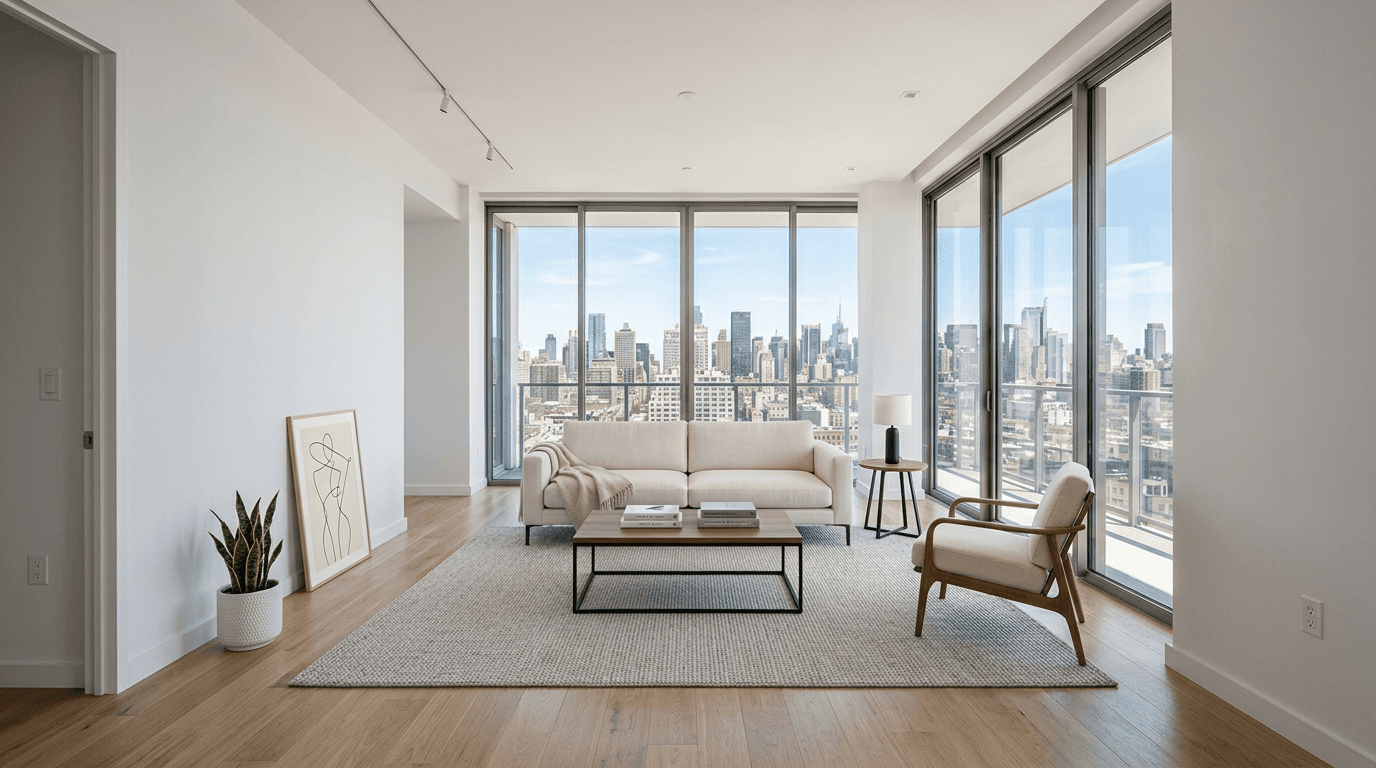
For agrihood homebuilder marketing teams, virtual staging is no longer a cosmetic afterthought; it is a strategic storytelling system that helps translate a complex, lifestyle-driven development concept into an immediately understandable buyer experience. In communities built around working farms, kitchen gardens, orchards, trails, greenhouses, farm stands, and shared harvest traditions, the challenge is rarely just selling square footage. The real challenge is helping prospects see how daily life feels different from standard suburban living, especially when homes are vacant, newly finished, and visually disconnected from the agricultural amenities that make the community valuable. In 2026, buyers expect immersive, emotionally legible marketing that bridges architecture, land use, wellness, sustainability, and family routines. Virtual staging allows marketing teams to show not just where a sofa goes, but how a breakfast nook supports garden-to-table meals, how a mudroom functions after time in the orchard, and how a porch frames a life tied to seasonal rhythms. Used correctly, it turns empty inventory and sterile listing media into a persuasive narrative that differentiates the community, supports pricing power, and gives sales teams visual proof points that make the agrihood concept tangible from the first click.
According to recent staging metrics by the National Association of Realtors (NAR), professionally staged properties can significantly increase sales speed and perceived value, accelerating the impact for your specific niche.
Define the agrihood lifestyle narrative before staging a single room
The most effective virtual staging for agrihood communities begins long before a designer places furniture into a rendering or listing photo. Marketing teams must first define the exact lifestyle story the community is promising, because agrihood buyers are not simply choosing a home style; they are choosing a pattern of living shaped by agriculture, wellness, education, and shared outdoor experiences. If that narrative is vague, the staging will look attractive but generic, which is one of the biggest mistakes developers make when marketing farm-centered neighborhoods. Start by identifying the community’s core identity in practical terms: Is this an intergenerational farm community centered on family meals and children’s garden education, a luxury orchard enclave with culinary programming and seasonal events, or a wellness-oriented neighborhood where residents value trails, native landscapes, farm boxes, and sustainability? Once that positioning is clear, connect it directly to the buyer personas most likely to respond. A young family may need imagery that emphasizes functional mudrooms, open kitchens for produce prep, and patios for casual gathering after garden time, while a downsizing buyer may respond more strongly to elegant indoor-outdoor living, curated produce storage, and serene views tied to stewardship and simplicity. This narrative work should also clarify what emotional outcomes the visuals must deliver: belonging, abundance, authenticity, calm, connection, self-sufficiency, or prestige. When your team establishes these emotional and functional anchors first, every staged room can reinforce the bigger promise of the community rather than existing as isolated interior decoration. The result is marketing that feels cohesive across listings, brochures, landing pages, paid campaigns, and sales presentations, making the agricultural lifestyle easier to understand and far more memorable in a crowded new-home market.
Action Step
Document your agrihood’s core lifestyle narrative, top buyer personas, and the emotional themes every staged image must reinforce before commissioning any virtual staging.
Select rooms and viewpoints that connect the home to agricultural amenities
In agrihood marketing, virtual staging should never focus only on making interiors look occupied; it should strategically connect the home to the larger community ecosystem that makes the development distinctive. That means choosing rooms, camera angles, and compositions that naturally support the agricultural lifestyle story rather than defaulting to standard real estate photo conventions. Begin by auditing each floor plan and available photo set to identify spaces where daily life intersects with the community’s farm, gardens, orchards, greenhouse, trails, or outdoor gathering areas. Kitchens are often the most obvious opportunity, but they should be staged with purpose, showing prep-friendly counters, subtle produce cues, and dining arrangements that imply fresh, communal meals instead of generic décor. Mudrooms, laundry rooms, pantries, breakfast nooks, covered porches, and flex spaces can be even more powerful because they help buyers imagine practical routines tied to gardening, harvesting, entertaining, and seasonal living. If a window overlooks rows of vegetables, vineyard elements, a barn-inspired amenity, or shared green space, the staging and framing should draw attention to that view rather than compete with it. Likewise, exterior images can be enhanced to support a sense of lived connection between the home and the land, provided the representation remains accurate and credible. Marketing teams should also think in sequences, not isolated images. A prospect who sees a front porch, then a mudroom, then a kitchen, then a dining area, and finally a rear patio begins to understand a day-in-the-life narrative that feels rooted in the community’s agricultural identity. This approach is especially effective for vacant inventory, where buyers often struggle to understand scale, flow, and emotional warmth. Thoughtful room selection transforms virtual staging from decorative enhancement into a visual bridge between architecture and amenity-driven lifestyle.
Action Step
Review each model or inventory home and prioritize the rooms and camera angles that most clearly show how the home supports farm-centered daily living.
Stage with authenticity so the visuals feel aspirational but believable
One of the greatest risks in virtual staging for agrihood developments is over-stylization that borrows rustic clichés or luxury tropes without reflecting the actual character of the community. Buyers in this category are often highly attuned to authenticity, and they can quickly detect when imagery feels manufactured, theme-park rustic, or disconnected from the property’s architecture and agricultural reality. Strong staging should be aspirational, but it must remain grounded in the way residents would truly live in the home and interact with the community amenities. That means using a design language that aligns with the builder’s finish package, architectural style, target price point, and regional context. A modern farmhouse product line may call for restrained natural textures, warm wood accents, practical seating, and understated produce references, while a higher-end orchard community may warrant more polished styling with artisanal details and elevated indoor-outdoor entertaining cues. The key is subtle specificity. A bowl of seasonal fruit, a thoughtfully designed pantry moment, boots and baskets in a mudroom, or a porch setup that suggests conversation after a farm dinner can communicate agricultural lifestyle far more effectively than excessive props. Be equally careful with color palette, furniture scale, and family-life signals so the home feels attainable to your intended buyer rather than editorialized beyond recognition. In 2026, the best-performing visual content combines realism, warmth, and lifestyle intelligence, and this is particularly important in new construction where trust matters. Every virtually staged image should help a prospect believe, “People like me could genuinely live this way here.” When that credibility is present, virtual staging supports stronger emotional engagement, fewer objections from online shoppers, and more productive conversations with onsite sales teams because the imagery has already done the work of aligning expectation with experience.
Action Step
Create a staging brief that defines approved materials, décor style, lifestyle cues, and realism standards so every image matches your community’s actual brand and buyer expectations.
Deploy staged visuals across the full buyer journey, not just listings
Virtual staging delivers the greatest return when it is treated as a cross-channel marketing asset rather than a single-use enhancement for MLS or website listing photography. Agrihood communities often require more buyer education than conventional subdivisions because prospects must understand not only the home itself, but also the value of the agricultural amenities, the community culture, and the rhythms of daily life that justify the price point and location. For that reason, staged images should be mapped to the entire buyer journey, from first awareness through contract. At the top of the funnel, use the strongest lifestyle-driven visuals in paid social, display campaigns, email lead magnets, and community landing pages to stop scrolling and communicate differentiation quickly. In the consideration phase, pair room-specific staged images with copy about produce programs, event lawns, teaching kitchens, orchard walks, children’s garden spaces, or resident farm access so buyers understand how interior life and community life connect. On floor plan pages and inventory home pages, staged imagery can reduce the abstraction that often causes hesitation with vacant new homes, helping visitors interpret room size, function, and furniture flow. Sales teams should also integrate these visuals into digital brochures, CRM follow-up sequences, text message nurturing, and onsite presentations, especially when speaking to out-of-area buyers who may not immediately grasp the agrihood concept. For community websites, consider organizing imagery into narrative collections such as “gather,” “grow,” “cook,” or “unwind” to support a more immersive brand story. The strongest teams also align staged visuals with signage, model home collateral, and QR-enabled sales center experiences so prospects encounter a consistent message at every touchpoint. This integrated use increases recognition, shortens the time required to explain the concept, and helps every marketing dollar work harder because the same visual story reinforces the community’s unique value over and over again.
Action Step
Build a distribution plan that assigns each staged image to specific channels across awareness, consideration, and sales follow-up so the visuals support the entire buyer journey.
Measure performance and refine staging based on buyer response and sales outcomes
The final step in an effective virtual staging strategy is building a feedback loop that turns creative decisions into measurable marketing intelligence. Too many builder teams approve staged images based solely on internal preference, but in a niche category like agrihood development, performance data should shape future staging choices. Begin by establishing clear objectives for what the visuals are expected to improve, such as listing engagement, landing page conversion rate, click-through on inventory homes, appointment requests, time on page, email response, or even sales counselor confidence during follow-up. Then compare staged and non-staged assets where possible, or test different lifestyle expressions to identify what resonates most strongly with your audience. For example, one market may respond best to family-centered kitchen and garden narratives, while another may show stronger interest in elevated entertaining, wellness, or low-maintenance luxury tied to agricultural amenities. Sales team feedback is equally valuable because counselors hear the exact questions buyers ask after viewing community media. If prospects consistently comment on pantry utility, covered porches, or sightlines to community green space, those insights should inform future image priorities. You should also monitor whether certain staged visuals attract unqualified leads by overemphasizing features that are not central to the actual offering, which can create friction later in the process. In 2026, AI-assisted analytics, heat mapping, CRM attribution, and campaign-level creative testing make it easier than ever to connect visual strategy to pipeline outcomes. The goal is not simply to make homes look better, but to understand which visual narratives help buyers comprehend the agrihood concept faster, feel more emotionally connected, and move forward with greater confidence. Continuous optimization ensures your virtual staging program becomes a durable competitive advantage rather than a one-time design exercise.
Action Step
Set KPIs for your staged visuals, review buyer and sales-team feedback monthly, and refine future staging based on real engagement and conversion data.
Explore More Resources
Conclusion
For agrihood homebuilder marketing teams, virtual staging is most powerful when it is used as a disciplined lifestyle communication tool rather than a decorative finishing touch. By first defining the community narrative, then selecting rooms that reveal how homes interact with farms and gardens, staging with brand-true authenticity, distributing visuals across the full buyer journey, and continuously measuring performance, teams can turn vacant homes into persuasive evidence of a richer way of living. In a market where differentiation is essential and the agrihood concept must be felt as much as explained, strong virtual staging helps buyers understand the promise of the community faster, trust the product more deeply, and imagine themselves participating in a place shaped by cultivation, connection, and everyday abundance.
Ready to Stage Your First Room?
Join thousands of top real estate professionals who use AI Virtual Staging to instantly transform vacant photos into fully-furnished masterpieces in under 20 seconds.
Start Staging For FreeFrequently Asked Questions
What makes virtual staging especially valuable for agrihood communities compared with standard new-home developments?
Agrihood communities sell a layered value proposition that includes home design, outdoor amenities, food culture, sustainability, wellness, and social connection. Virtual staging helps marketing teams translate those layers into visible, relatable moments inside the home, making the lifestyle easier for buyers to understand than empty-room photography alone.
Should agrihood virtual staging look rustic to communicate the farm-centered concept?
Not necessarily. The staging should match the actual architecture, finish level, and target buyer expectations. Overly rustic styling can feel artificial or dated if the community is modern, luxury-oriented, or regionally refined. Authenticity and brand alignment matter more than clichés.
Which rooms usually have the highest impact for agrihood virtual staging?
Kitchens, dining areas, mudrooms, pantries, breakfast nooks, covered porches, and flexible indoor-outdoor spaces often perform best because they naturally connect daily routines with gardening, harvesting, entertaining, and community-centered living.
Can virtual staging help differentiate an agrihood if the homes themselves resemble other suburban floor plans?
Yes. Even when floor plans are familiar, virtual staging can frame the home around a distinct pattern of life tied to orchards, gardens, produce prep, outdoor gathering, and seasonal rhythms. This helps buyers perceive the community as unique rather than interchangeable with standard suburban inventory.
How can marketing teams tell whether their virtual staging is actually working?
Track metrics such as click-through rate, time on page, inquiry volume, appointment requests, inventory home engagement, and sales-team feedback. Comparing response to different staged visuals can reveal which lifestyle narratives most effectively attract qualified buyers and support conversions.
Explore More Guides
Continue building your real estate expertise.
The Step-by-Step Guide to Virtual Staging for Tenant-Occupied Single-Family Portfolio Disposition Brokers
An authoritative step-by-step guide for tenant-occupied single-family portfolio disposition brokers on using virtual staging to improve listing consistency, overcome limited access, and help investor buyers visualize asset potential in occupied rental home sales.
The Step-by-Step Guide to Virtual Staging for Subdivision Model Home Alternative Marketing Teams
Learn how production builders can use virtual staging as a lower-cost alternative to multiple physical model homes across subdivisions, improve plan merchandising, tailor design styles by buyer demographic, and market vacant inventory homes at scale in 2026.
The Step-by-Step Guide to Virtual Staging for Multifamily Value-Add Renovation Lease-Up Teams
An authoritative 2026 step-by-step guide for multifamily value-add renovation lease-up teams on using virtual staging to accelerate absorption, market renovated units effectively during phased turns, differentiate classic versus upgraded inventory, and help renters visualize finished outcomes.
The Step-by-Step Guide to Virtual Staging for Special Needs Housing Development Teams
An authoritative 2026 step-by-step guide for special needs housing development teams on using virtual staging to present accessible, dignified, warm, and trust-building supportive housing to families, funders, and community stakeholders.
The Step-by-Step Guide to Virtual Staging for Waterfront Dock-Access Home Listing Specialists
An authoritative 2026 step-by-step guide for waterfront dock-access home listing specialists on using virtual staging to market canal homes, boating-centric residences, and dock-access properties more effectively by connecting interior spaces to lifestyle, improving photo performance, and increasing buyer engagement.
The Step-by-Step Guide to Virtual Staging for Brownfield Townhome Redevelopment Marketers
An authoritative 2026 step-by-step guide for brownfield townhome redevelopment marketers on using virtual staging to overcome site stigma, help pre-construction buyers visualize finished interiors, standardize repetitive unit plans, and improve conversion from land story to lifestyle sale.