
The Step-by-Step Guide to Virtual Staging for Fraternity and Sorority House Property Owners
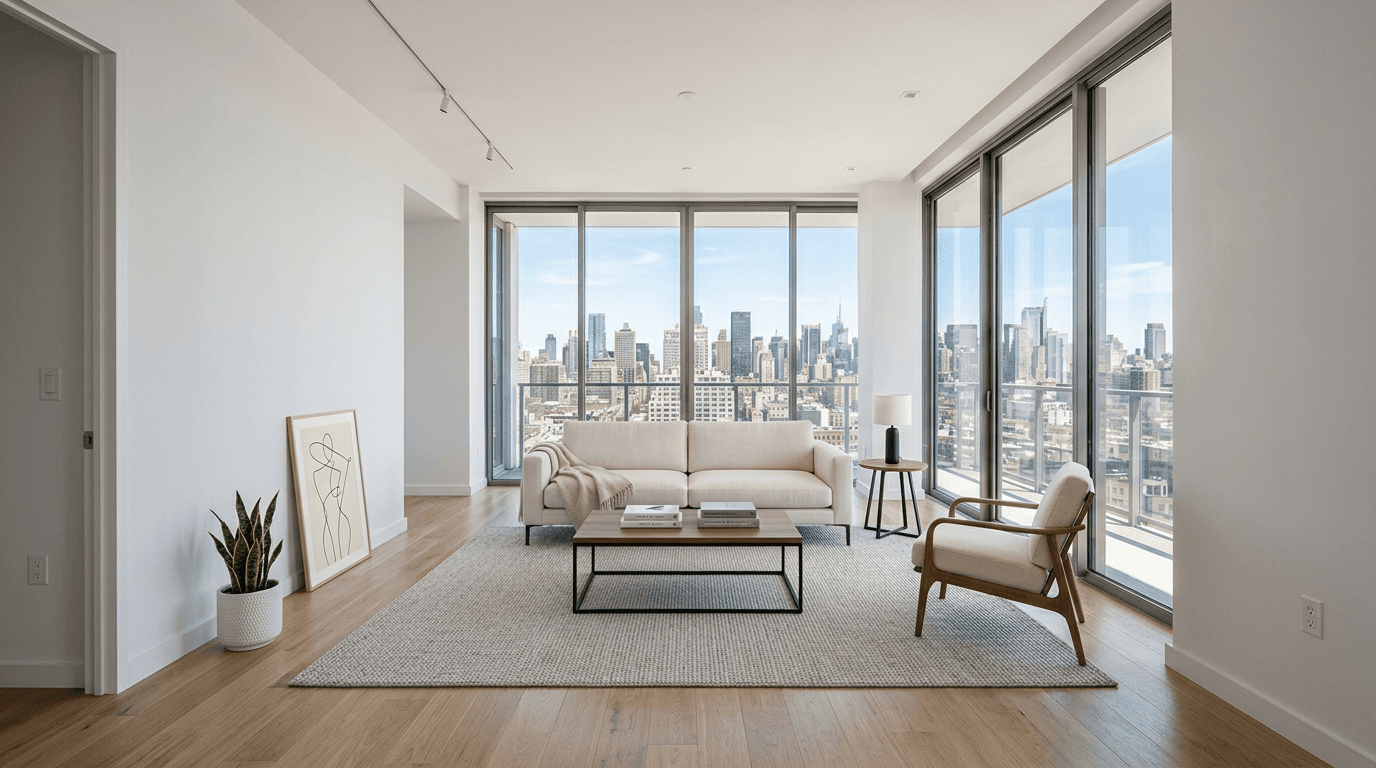
For fraternity and sorority house property owners, great marketing photography is no longer optional in 2026; it is one of the fastest ways to protect occupancy, improve recruitment appeal, and justify premium positioning near campus. Alumni housing corporations, private owners, and campus-area managers face a specific challenge that traditional multifamily marketing advice often overlooks: Greek houses are highly functional, high-traffic properties that can look tired, cluttered, or overly institutional in raw photos, even when the underlying asset is structurally strong and well located. A worn sofa in the chapter lounge, mismatched bedroom furniture, crowded study areas, dated paint colors, or poor lighting can make a house feel neglected online long before a prospective member, parent, or resident ever visits in person. Virtual staging solves this problem when it is used strategically and ethically. It allows owners to present common rooms, bedrooms, study areas, and shared amenities as clean, current, aspirational, and believable without the cost and disruption of physically furnishing every space or completing a full cosmetic renovation before marketing begins. The key is not to create fantasy imagery that overpromises, but to build realistic visuals that help prospects understand a property’s potential, scale, and lived experience. This guide explains exactly how fraternity and sorority house owners can use virtual staging step by step to produce stronger listing images, better recruitment materials, and more persuasive digital campaigns while staying credible, compliant, and conversion-focused.
According to recent staging metrics by the National Association of Realtors (NAR), professionally staged properties can significantly increase sales speed and perceived value, accelerating the impact for your specific niche.
Step 1: Start with a marketing audit of the house, the audience, and the rooms that most influence decisions
Before ordering a single virtually staged image, fraternity and sorority house property owners should begin with a disciplined marketing audit that identifies which spaces actually drive inquiries, tours, recruitment interest, and leasing decisions. This matters because Greek housing is not marketed like a typical single-family home or standard student apartment. In a chapter house environment, prospects and stakeholders are evaluating not only whether the property is habitable, but whether it feels socially vibrant, academically supportive, organized, and worthy of affiliation. That means the most important rooms are often the ones that shape perception of chapter culture and day-to-day life: the formal living room, chapter room, television lounge, dining area, shared kitchen, study rooms, and representative bedrooms. Start by reviewing your current photography, website pages, social posts, email campaigns, and leasing materials. Identify where the house looks dated, visually chaotic, dim, or empty in a way that weakens confidence. Then segment your audience. Alumni boards may care about stewardship and asset presentation, parents may focus on cleanliness and safety, and students may respond most to comfort, style, and social functionality. Once you understand who you are persuading, prioritize rooms that answer their concerns. A common room should signal belonging and pride, a bedroom should feel organized and practical, and a study space should communicate focus and productivity. Virtual staging works best when it solves a defined perception problem rather than being applied randomly. By auditing the asset through both an operational and emotional lens, owners can avoid wasting budget on low-impact images and instead stage the rooms that materially strengthen the property’s story.
Action Step
Review your current marketing photos and rank the top 5 rooms that most affect recruitment, tours, or leasing interest.
Step 2: Prepare the property and photography so the virtual staging looks credible and high-converting
The quality of virtual staging is determined long before the designer adds furniture, decor, or updated styling to the image. For fraternity and sorority houses, the base photography must be thoughtfully prepared so the final result appears realistic, proportional, and trustworthy. Owners often make the mistake of photographing the property while it is still overly occupied, poorly lit, or inconsistently cleaned, assuming the virtual staging provider can fix everything later. In reality, the best outcomes come from producing clean, neutral, high-resolution source images with strong sightlines, open floor visibility, and minimal visual distractions. Begin by removing trash, personal items, recruitment posters, cords, cleaning supplies, and temporary storage that can date the room or make it feel chaotic. Pay special attention to communal spaces where traffic tends to create visual wear, such as scuffed floors, crowded bulletin boards, and overloaded furniture arrangements. Even if some cosmetic flaws remain, the goal is to ensure the architecture and usable square footage read clearly in the photo. Schedule photography when natural light is strongest, turn on interior lights for warmth, and capture wide angles that show function without distorting the room unnaturally. Bedrooms and study spaces should be photographed to highlight circulation and layout, not just walls and windows. It is also important to choose a photographer or staging vendor who understands that Greek housing requires realism. Overly luxurious furniture, extravagant decor, or designs that do not fit campus-area expectations can damage credibility. The final visual should feel aspirational but attainable, updated but not deceptive, polished but still consistent with the property’s actual condition. When source photography is done correctly, virtual staging becomes a persuasive enhancement rather than a digital cover-up, which is exactly what owners need when they are marketing to discerning students, parents, and alumni stakeholders.
Action Step
Schedule a professional photo session after decluttering key rooms and capturing bright, wide, realistic images of the property.
Step 3: Choose a virtual staging style that fits Greek housing realities, brand identity, and buyer expectations
One of the most important strategic decisions in virtual staging a fraternity or sorority house is selecting a design style that aligns with both the property’s actual architecture and the identity the organization or owner wants to project. This is where many marketing efforts underperform. If the visual style is too generic, the house disappears into the crowded student housing market. If it is too glamorous, prospects may feel misled when they visit in person. The most effective approach is to develop a staging concept that reflects how a well-managed, respected, contemporary chapter house should look in 2026: clean lines, durable furnishings, layered but not excessive decor, practical storage cues, and a warm academic-social balance. For common rooms, this usually means conversational seating layouts, tasteful accent pieces, coordinated textiles, and subtle references to communal living without clutter. For bedrooms, owners should emphasize comfort, organization, and shared-space livability rather than luxury. In study areas, the design should suggest productivity, good lighting, and quiet focus. Consider the school, region, house architecture, and chapter culture. A historic brick sorority house near a flagship university may call for a classic-updated aesthetic, while a newer fraternity property near an urban campus might perform better with a modern, functional look. The style should also support broader branding across websites, brochures, and recruitment presentations so the house appears professionally managed. Just as importantly, owners should create consistency between staged images from room to room. A disconnected mix of aesthetics confuses viewers and weakens the sense of institutional quality. By treating virtual staging as part design strategy and part brand communication, property owners can produce imagery that feels emotionally resonant, visually credible, and commercially effective across every touchpoint where the house competes for attention.
Action Step
Define one clear visual style for the house and apply it consistently across common rooms, bedrooms, and study spaces.
Step 4: Use virtual staging ethically and strategically across leasing, recruitment, and stakeholder communications
Virtual staging delivers the strongest return when property owners treat it as a full-funnel marketing asset rather than a one-time listing enhancement. For fraternity and sorority houses, this means deploying the imagery strategically across leasing pages, chapter recruitment materials, email campaigns, digital ads, alumni board updates, and parent-facing communications. However, that expanded use only works if the images are presented ethically and with clear intent. Owners should ensure staged visuals accurately represent the scale, layout, and likely use of the room, and they should avoid digitally adding features that do not exist, concealing major deficiencies, or implying renovations that have not been completed. In many markets, clear labeling that an image has been virtually staged is a best practice because it preserves trust while still allowing the audience to appreciate the room’s potential. Once credibility is protected, the real advantage begins. Staged common rooms can improve first impressions on property websites and social media where viewers make snap judgments in seconds. Bedroom images can help prospects understand occupancy options and furniture fit. Study lounges and multipurpose areas can support messaging around academic success, member wellbeing, and organized house life. Alumni corporations can also use before-and-after comparisons in board presentations to justify modest upgrades, fundraising priorities, or branding refreshes. In recruitment contexts, polished but believable visuals can reinforce a chapter’s values by making the house feel welcoming, structured, and cared for. The key is to match each staged image to the outcome you want: more inquiries, stronger tour attendance, better retention, improved perception, or easier internal stakeholder buy-in. When owners use virtual staging as a targeted communications tool instead of decorative filler, it becomes a measurable business asset tied directly to occupancy and reputation.
Action Step
Publish your staged images across listings, websites, and recruitment materials with clear, accurate labeling and purpose-driven placement.
Step 5: Measure results, refine the image set, and connect virtual staging to broader property improvements
The final step is to treat virtual staging as an iterative performance strategy, not a finished task. Fraternity and sorority house owners should monitor how staged imagery affects actual business outcomes and then refine future marketing based on those findings. Start by comparing pre-staging and post-staging performance metrics such as listing clicks, website engagement, inquiry volume, tour requests, social media saves or shares, application velocity, and occupancy timelines. If specific rooms consistently attract attention, that data can help owners decide where to focus additional photography, copywriting, or modest capital improvements. For example, if a virtually staged study lounge improves engagement significantly, it may justify real-world investments in lighting, desks, paint, or acoustic upgrades. Likewise, if staged bedroom images underperform, the issue may be room size, layout presentation, or a mismatch between the design concept and what students expect. Owners should also gather qualitative feedback from prospects, parents, chapter leadership, and alumni boards. Ask whether the visuals felt believable, whether they clarified the space, and whether they raised any concerns upon touring. This feedback loop helps prevent future staging from becoming too idealized or too bland. Over time, the best operators use virtual staging to bridge the gap between current condition and future improvement plans. It allows them to market today’s asset more effectively while revealing where limited budgets can create the biggest visible impact tomorrow. In that sense, virtual staging is not merely cosmetic. It is a decision-making tool that helps owners prioritize updates, sharpen messaging, and continually align the property’s online presentation with the experience they want residents and members to have in person. That long-term discipline is what turns attractive images into a sustained competitive advantage in campus-area housing.
Action Step
Track engagement and leasing results from staged images, then use the data to improve both marketing and future property upgrades.
Explore More Resources
Conclusion
Virtual staging gives fraternity and sorority house property owners a practical way to elevate perception without waiting for a full renovation cycle or absorbing the cost of physical staging across large, high-traffic properties. When used correctly, it helps chapter houses photograph as clean, current, functional, and welcoming, which directly supports recruitment, leasing, parent confidence, and alumni stewardship goals. The most effective results come from following a disciplined process: audit the rooms that matter most, capture strong source photography, select a realistic and brand-aligned design style, deploy the imagery ethically across every major marketing channel, and then measure what actually improves performance. In 2026, Greek housing owners who present their assets clearly and credibly online gain an undeniable advantage over properties that still rely on dim, cluttered, outdated photos. Virtual staging is not about disguising reality; it is about revealing a property’s true potential in a way that modern audiences can immediately understand and trust.
Ready to Stage Your First Room?
Join thousands of top real estate professionals who use AI Virtual Staging to instantly transform vacant photos into fully-furnished masterpieces in under 20 seconds.
Start Staging For FreeFrequently Asked Questions
Is virtual staging appropriate for fraternity and sorority houses with visible wear and tear?
Yes, as long as it is used responsibly. Virtual staging is ideal for helping prospects see the intended function and appeal of a chapter house even when current photos feel empty, cluttered, or dated. However, it should not be used to hide serious defects or misrepresent the property. The best practice is to stage spaces realistically, disclose that images are virtually staged when appropriate, and ensure the in-person experience generally aligns with the marketing visuals.
Which rooms in a Greek house should be virtually staged first?
Owners should usually begin with the rooms that drive emotional and practical decision-making: the main common room, chapter lounge, representative bedrooms, study spaces, and dining or gathering areas. These rooms shape perceptions of community, comfort, organization, and daily livability. If budget is limited, prioritize the spaces most frequently featured on websites, listing platforms, and recruitment materials.
Can virtual staging help with both recruitment and leasing?
Absolutely. For sorority and fraternity houses, the same staged images can often support multiple goals. Recruitment teams can use polished visuals to communicate pride, community, and a well-managed environment, while leasing and housing managers can use them to show room layouts, shared-space quality, and overall property condition. The key is to tailor the surrounding copy and placement of the images to the specific audience.
How realistic should virtual staging look for student and Greek housing?
It should look updated and attractive, but never overly luxurious or implausible for the market. Prospects, parents, and alumni are quick to notice when furniture scale, decor choices, or finishes feel disconnected from the real property. Realism builds trust. The strongest staged images use clean, contemporary furnishings, practical layouts, and subtle styling that feels consistent with a well-maintained chapter house near campus.
How do property owners know whether virtual staging is delivering ROI?
Return on investment can be measured through both marketing and operational outcomes. Owners should compare inquiry rates, tour requests, application volume, website engagement, social performance, and speed to occupancy before and after introducing staged images. They should also collect feedback from prospects and stakeholders about whether the visuals improved understanding and confidence. If staged images increase engagement and support better decision-making, they are contributing meaningful ROI.
Explore More Guides
Continue building your real estate expertise.
The Step-by-Step Guide to Virtual Staging for Residential Treatment Campus Marketing Teams
An authoritative 2026 step-by-step guide for residential treatment campus marketing teams on using virtual staging to present behavioral health, recovery, and therapeutic environments with warmth, credibility, and sensitivity.
The Step-by-Step Guide to Virtual Staging for Urban Infill Duplex Sellout Marketing Teams
An authoritative 2026 step-by-step guide for urban infill duplex sellout marketing teams on using virtual staging to differentiate near-identical units, make compact floor plans feel purposeful, communicate neighborhood lifestyle, and improve online merchandising for faster absorption.
The Step-by-Step Guide to Virtual Staging for Senior Relocation Condo Liquidation Firms
An authoritative 2026 step-by-step guide for senior relocation condo liquidation firms on using virtual staging to market dated condos and townhomes faster, reduce family stress, modernize online presentation, and attract younger buyers without physically moving furniture.
The Step-by-Step Guide to Virtual Staging for Suburban Empty-Nester Townhome Brokerages
An authoritative 2026 step-by-step guide to using virtual staging for suburban empty-nester townhome brokerages, helping agents present comfort, practicality, lifestyle flexibility, and sophisticated low-maintenance living to move-down buyers.
The Step-by-Step Guide to Virtual Staging for Urban Rowhouse Infill Builders
An authoritative 2026 step-by-step guide for urban rowhouse infill builders on using virtual staging to make narrow vertical floorplans feel larger, differentiate repetitive streetscapes, and market rooftops and flex spaces more effectively.
The Step-by-Step Guide to Virtual Staging for Suburban Office Park to Residential Conversion Developers
An authoritative 2026 step-by-step guide for suburban office park to residential conversion developers on using virtual staging to market former corporate campuses as apartments, townhomes, and mixed residential communities, accelerate buyer and renter imagination, and build pre-leasing momentum.