
The Step-by-Step Guide to Virtual Staging for Mid-Century Modern E-Designers
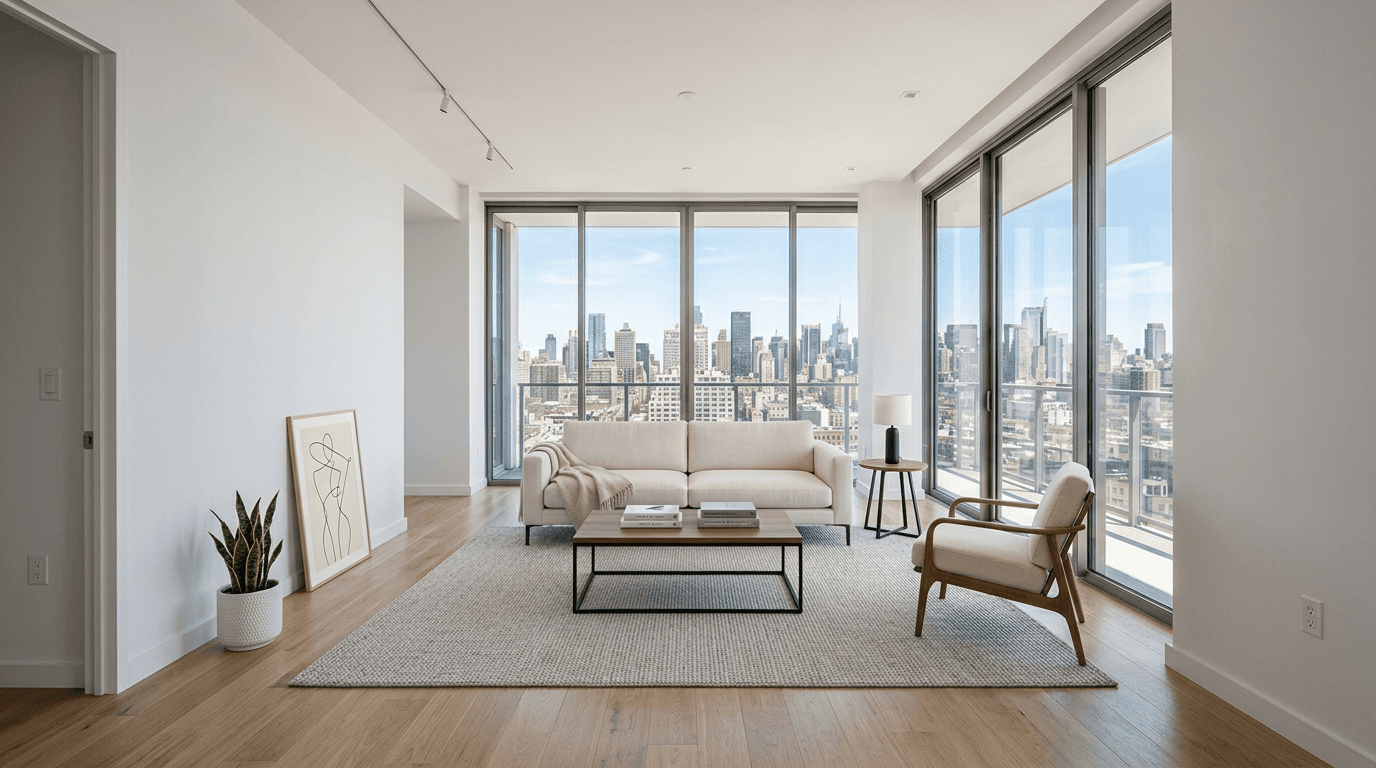
For mid-century modern e-designers, virtual staging is no longer a novelty or a marketing add-on; in 2026, it is a core presentation, communication, and conversion tool that directly affects whether a remote client understands your vision, trusts your process, and moves forward with confidence. When your business depends on presenting nuanced design concepts through screens rather than in-person walkthroughs, every image has to do more than look attractive. It must demonstrate scale, material authenticity, spatial flow, and the subtle balance that defines true mid-century modern interiors, from low-slung silhouettes and warm wood tones to sculptural lighting and clean architectural sightlines. The challenge for remote designers is that clients often struggle to visualize how a concept translates into their actual home, especially when existing listing photos are cluttered, empty, poorly lit, or stylistically disconnected from the proposed scheme. Virtual staging solves this gap when used strategically. It helps you transform static room images into precise visual arguments that clarify your recommendations, reduce client hesitation, elevate your brand authority, and create presentation assets that win projects before a single item is purchased. This guide walks through the exact step-by-step process mid-century modern e-designers can use to make virtual staging accurate, persuasive, and commercially effective.
According to recent staging metrics by the National Association of Realtors (NAR), professionally staged properties can significantly increase sales speed and perceived value, accelerating the impact for your specific niche.
Step 1: Start with a design-accurate visual strategy before any staging begins
The most successful virtual staging projects for mid-century modern e-designers begin long before furniture is digitally added to a room. They start with a rigorous visual strategy that defines the exact design language, client goals, architectural realities, and intended emotional outcome of the space. In a remote design business, one of the biggest mistakes is treating virtual staging as a decorative afterthought instead of as a translation tool for design intent. Before you stage a living room, bedroom, or dining area, you need to identify what the image must prove to the client. That may include demonstrating how a walnut credenza anchors a long wall, how a tapered-leg sofa preserves circulation, how a muted olive and cognac palette warms a cold shell, or how a statement arc lamp creates the focal rhythm common to authentic mid-century modern interiors. This means gathering accurate room photos, dimensions, sightlines, window orientation, and existing fixed elements such as flooring, fireplace surrounds, trim profiles, and ceiling height. It also means building a concise creative direction document that specifies materials, wood species, upholstery textures, finish temperatures, and era-appropriate forms so the final staged result looks intentional rather than generic. Mid-century modern clients are often visually literate and style-aware, so they quickly notice when a room includes pieces that drift toward Scandinavian minimalism, contemporary organic, or retro kitsch instead of true MCM restraint and proportion. By clarifying your design thesis at the start, you ensure the staged images support your recommendations with precision, reinforce your expertise, and avoid the costly need to revise entire concepts because the first visual direction lacked strategic discipline.
Action Step
Create a project brief for each room that defines client goals, room dimensions, architectural constraints, target mood, and the exact mid-century modern design characteristics your staged image must communicate.
Step 2: Build a curated virtual furniture and styling library that reflects authentic mid-century modern standards
If your virtual staging assets are inconsistent, your client presentations will be inconsistent, and in e-design that inconsistency immediately weakens trust. Mid-century modern interiors depend heavily on proportion, silhouette, material honesty, and visual restraint, so your staging library must be more than a random collection of attractive 3D furniture models. It should function as a signature toolkit that reflects the quality and specificity of your studio’s design point of view. Begin by categorizing your most-used assets by room type, scale range, finish family, and iconic form language, including low-profile sofas, spindle and slat details, rounded-edge case goods, teak and walnut storage pieces, pedestal and tulip-inspired tables, sculptural lounge chairs, geometric wool rugs, globe or cone lighting, ceramic accessories, abstract art, and greenery that supports the architecture without overwhelming it. Then go further by organizing pieces according to how they perform in different client scenarios, such as compact urban living rooms, open-plan suburban remodels, ranch homes with original built-ins, or new-construction properties that need warmth and historical character. In 2026, photorealistic accuracy matters more than ever, so every asset in your library should be reviewed for believable scale, realistic shadow behavior, material texture fidelity, and harmony with camera perspective. A beautiful chair model is useless if it reads oversized in a narrow room or if its wood finish clashes with the flooring in a way that confuses the client. By maintaining a disciplined, highly curated asset library, you reduce production time, produce images that feel cohesive across projects, and create a recognizable visual signature that helps your studio stand out in a crowded remote design market. Over time, this library becomes both an efficiency system and a brand differentiator because clients begin to associate your presentations with clarity, polish, and unmistakable stylistic authority.
Action Step
Audit your current virtual staging assets and organize a vetted library of mid-century modern furniture, lighting, rugs, art, and accessories categorized by room type, scale, wood tone, and design authenticity.
Step 3: Stage each room to solve a client problem, not just to make the image look attractive
A common reason virtual staging underperforms in e-design is that the image is visually pleasing but strategically empty. For mid-century modern e-designers, every staged room should answer a specific client question and remove a specific hesitation. In practice, that means you are not simply placing a sofa, rug, and coffee table into a photo; you are demonstrating exactly how the room works, why your design decisions are correct, and what the client will gain by following your plan. For example, if a client is unsure whether their narrow living room can support a conversation area, your staged image should show measured seating placement, traffic flow, leg clearance, and focal balance around the media wall or fireplace. If they fear that mid-century modern design will feel cold or sparse, your staging should reveal how layered textiles, warm woods, tonal upholstery, and carefully selected lighting create comfort without losing stylistic integrity. If they struggle to picture scale, include furniture arrangements that visually prove how lower-profile pieces preserve openness while still offering function. The strongest remote presentations also account for what should not be in the room. Mid-century modern design loses impact when surfaces are over-accessorized, art is too busy, or furnishings are too bulky for the architecture. Strategic restraint is part of the message. As you stage, think like a design educator and a sales strategist at once: the image must teach the client how to read the room and feel reassured that your concept is practical, livable, and achievable. When each visual directly resolves uncertainty, virtual staging becomes more than decoration; it becomes evidence, and evidence is what converts indecisive leads into committed e-design clients.
Action Step
For each staged image, identify the main client objection or confusion point and revise the composition until the room clearly demonstrates the solution.
Step 4: Use photorealism, perspective control, and material accuracy to make your remote presentations believable
In remote interior design, credibility lives or dies at the level of visual believability. Clients may not know technical rendering terminology, but they instantly feel when an image looks off. For mid-century modern e-designers, this is especially important because the style depends on subtle distinctions in line, finish, and atmosphere that can easily become distorted if the staging lacks realism. To produce persuasive images, begin with the technical foundation: use source photos with clean angles, adequate resolution, and minimal lens distortion whenever possible. Then ensure the inserted furniture matches the room’s perspective, horizon line, and scale relationships so pieces feel grounded rather than floating or artificially compressed. Pay equal attention to light behavior. Mid-century modern spaces often rely on daylight, warm ambient glow, and the natural richness of materials, so the virtual staging should reflect shadow direction, window exposure, and realistic tonal variation in wood, leather, boucle, linen, and metal finishes. Material inaccuracy is one of the fastest ways to undermine authority, particularly when clients are expecting high-touch design guidance. A teak console should not read like orange laminate, and a walnut dining table should not lose its grain character under overly smooth rendering. Beyond realism, consistency matters across all visuals in the presentation package. If one room feels editorial and polished while another looks digitally forced, the client may question the reliability of the entire design plan. In 2026, the standard for online design imagery is high because clients compare your work not just to other e-designers but to luxury real estate marketing, premium furniture brands, and AI-enhanced listing visuals. By maintaining strict standards for perspective, lighting, material fidelity, and stylistic coherence, you create staged images that feel trustworthy enough for clients to act on, which is the real purpose of presentation realism.
Action Step
Review every staged image for perspective alignment, realistic lighting, accurate material rendering, and consistent visual quality before sending it to a client.
Step 5: Turn virtual staging into a repeatable client-conversion and marketing system
The highest-performing e-design studios do not use virtual staging only inside the client project; they build it into a repeatable business system that improves lead generation, client onboarding, approvals, and portfolio growth. Once your staged visuals are strategically strong and photorealistic, the next step is to operationalize them across your service model. Begin by integrating virtual staging into your design presentation sequence so clients first see the transformed room, then review sourcing, layout logic, and implementation recommendations with far greater clarity. This improves buy-in because the image creates emotional certainty before the client evaluates practical details. You can also use staged before-and-after comparisons during consultations to show prospective clients how your studio interprets difficult rooms, preserves architectural character, and brings mid-century modern cohesion to ordinary residential spaces. On your website and social channels, staged visuals become proof of your remote design capability, especially when accompanied by captions that explain the thinking behind furniture scale, wood selection, color direction, and layout refinement. Internally, document your workflow so every project follows a consistent path from intake photos and measurements to creative brief, asset selection, staging review, revision protocol, and final presentation delivery. This reduces turnaround time while preserving quality. It also makes your process more scalable if you plan to grow a team or collaborate with rendering specialists. In 2026, clients expect online design services to feel seamless, polished, and technologically sophisticated, but they still hire based on trust and perceived expertise. Virtual staging sits at the intersection of both. When you treat it as a system rather than a one-off visual enhancement, it helps you close more projects, communicate more effectively, and build a body of work that continuously markets your authority in the mid-century modern niche.
Action Step
Document a standard operating process for using virtual staging in client presentations, consultations, approvals, and marketing so it consistently supports both delivery and business growth.
Explore More Resources
Conclusion
For mid-century modern e-designers, virtual staging is one of the most powerful tools available for translating taste into trust. It allows you to show, not merely describe, how proportion, materiality, architectural sensitivity, and restrained styling come together in a remote residential project. When approached strategically, virtual staging helps clients visualize your recommendations with confidence, reduces confusion around layout and scale, and positions your studio as precise, modern, and deeply expert in a style category that depends on visual nuance. The key is to use it with discipline: start from a clear design strategy, rely on an authentic asset library, stage to solve specific client concerns, maintain uncompromising realism, and build the process into your broader client experience and marketing ecosystem. Done well, virtual staging does more than enhance presentations; it becomes a conversion engine, a communication framework, and a signature expression of your design authority.
Ready to Stage Your First Room?
Join thousands of top real estate professionals who use AI Virtual Staging to instantly transform vacant photos into fully-furnished masterpieces in under 20 seconds.
Start Staging For FreeFrequently Asked Questions
Why is virtual staging especially valuable for mid-century modern e-designers?
Because mid-century modern interiors depend on subtle proportion, authentic materials, and architectural harmony, clients often need to see the concept rendered clearly before they understand its value. Virtual staging helps remote designers communicate layout, scale, wood tones, lighting, and visual restraint with far more precision than mood boards alone.
How can I make sure my virtual staging looks authentically mid-century modern instead of generically modern?
Focus on correct silhouettes, era-appropriate materials, restrained styling, and furniture proportions that reflect true mid-century modern principles. Curate assets carefully, avoid overly trendy pieces, and ensure the architecture, finishes, and accessories all support a cohesive MCM narrative rather than a broad contemporary look.
Should virtual staging replace mood boards and sourcing lists in an e-design package?
No. Virtual staging works best as a visual bridge between concept development and implementation. Mood boards establish aesthetic direction, sourcing lists provide the practical shopping path, and virtual staging shows how those decisions come together inside the client’s actual room.
What rooms benefit most from virtual staging in remote interior design projects?
Living rooms, primary bedrooms, dining spaces, home offices, and open-concept areas usually benefit the most because clients often struggle to visualize scale, traffic flow, and furniture relationships in these rooms. These spaces also tend to have the highest emotional and functional importance in residential design presentations.
How can virtual staging help me win more remote interior design clients in 2026?
It strengthens consultations and portfolio marketing by giving prospects immediate visual proof of your design thinking. When potential clients can see before-and-after transformations that feel realistic, style-specific, and tailored to real homes, they are more likely to trust your expertise and move forward with your services.
Explore More Guides
Continue building your real estate expertise.
The Step-by-Step Guide to Virtual Staging for Resort Employee Housing Operators
Learn how resort employee housing operators can use virtual staging in 2026 to fill beds faster, present shared units clearly, reduce seasonal vacancy, and make practical workforce housing more appealing to seasonal staff.
The Step-by-Step Guide to Virtual Staging for Outpatient Clinic Condo Owner-Landlords
An authoritative 2026 step-by-step guide for outpatient clinic condo owner-landlords using virtual staging to lease or sell medical and wellness office condos faster, communicate buildout potential clearly, and help clinic buyers visualize reception, treatment flow, and compliant space planning.
The Step-by-Step Guide to Virtual Staging for Artisan Retail Residential Upper-Floor Conversion Developers
An authoritative 2026 step-by-step guide for developers converting upper floors above historic main-street retail into lofts or condos, showing how virtual staging helps buyers visualize circulation, room use, light, and the appeal of mixed-use historic living.
The Step-by-Step Guide to Virtual Staging for Specialty Salon Suite Condo Brokers
An authoritative 2026 step-by-step guide for specialty salon suite condo brokers on using virtual staging to market salon, medspa, and beauty suite condos and small commercial units, helping owner-operators visualize layout, branding, compliance-minded design, and business potential.
The Step-by-Step Guide to Virtual Staging for Luxury Home Builder Spec Suite Merchandisers
An authoritative 2026 step-by-step guide for luxury home builder spec suite merchandisers on using virtual staging to market vacant inventory homes, showcase premium finishes, define room purpose, reduce carrying costs, and improve buyer response.
The Step-by-Step Guide to Virtual Staging for Urban Church-to-Housing Conversion Sellout Teams
An authoritative 2026 step-by-step guide to using virtual staging for urban church-to-housing conversion sellout teams, helping developers and brokers present unconventional layouts, historic details, and adaptive reuse value with clarity that supports stronger buyer understanding and pricing power.