
The Step-by-Step Guide to Virtual Staging for Senior Living Community Marketers
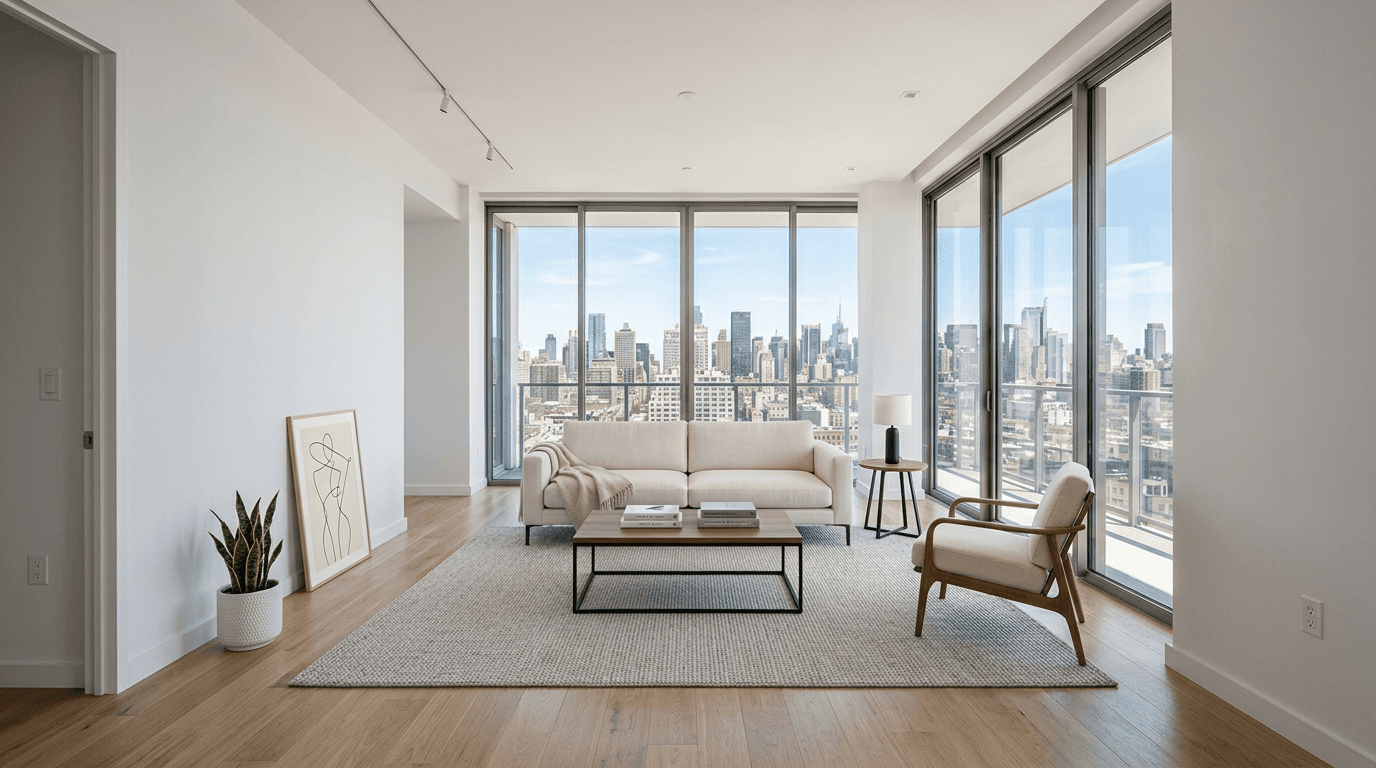
Virtual staging has become one of the most practical and persuasive marketing tools available to senior living community marketers because it solves a problem that directly affects occupancy: empty units rarely communicate comfort, safety, warmth, or everyday livability in a way that older adults and their families can instantly trust. In independent living, assisted living, and active adult communities, the leasing decision is deeply emotional as well as rational. Prospective residents are not simply evaluating square footage; they are trying to picture a calmer routine, a dignified next chapter, and a home that feels manageable, welcoming, and aligned with their lifestyle needs. Families, meanwhile, are scanning for signals of care, quality, and credibility while trying to reduce uncertainty during a major life transition. When photography shows vacant rooms with harsh angles and no visual context, hesitation grows. Virtual staging helps bridge that imagination gap by transforming empty spaces into believable, tasteful, resident-centered environments that support trust before the tour, reinforce value during the tour, and improve recall after the tour. For marketers and operators in 2026, the goal is not to make units look flashy or unrealistically luxurious. The goal is to create emotionally resonant, accurate visuals that help future residents see comfort, function, and possibility with less friction and more confidence.
According to recent staging metrics by the National Association of Realtors (NAR), professionally staged properties can significantly increase sales speed and perceived value, accelerating the impact for your specific niche.
Step 1: Define the resident journey and match virtual staging to the exact decision barriers your prospects face
Before ordering a single virtually staged image, the most effective senior living marketers begin by mapping where visual hesitation appears in their prospect journey and why it prevents movement toward deposit, lease signing, or move-in. This is especially important in senior living because your audience is rarely making a simple housing choice; they are navigating a layered emotional process involving identity, independence, health considerations, affordability, family dynamics, and timing. A vacant one-bedroom apartment may look clean and spacious to an internal team that knows the community well, but to a prospective resident it may feel cold, disorienting, or smaller than expected because there is no visual reference for furniture scale, walking paths, natural gathering points, or the placement of meaningful personal items. To a family member, the same empty space can raise practical concerns about mobility, comfort, and whether the apartment will feel institutional rather than home-like. Start by identifying your highest-friction floor plans, the unit types that receive traffic but underperform in conversion, and the specific objections your sales and tours teams hear most often. Then connect those objections to imagery needs. If people struggle to understand how a living room and dining area coexist in a compact layout, virtual staging should clarify flow and scale. If prospects worry that downsizing means losing warmth and personality, staging should emphasize coziness, tasteful simplicity, and everyday routines. If your active adult audience values style and independence, your visual language can be more aspirational, while assisted living visuals should reinforce comfort, accessibility, and familiarity without looking clinical. In this first step, the strategic decision is to treat virtual staging not as decoration but as conversion-focused communication. Once you know exactly what your prospects need to see in order to feel reassured, your staged images will become far more effective across your website, brochures, digital ads, email nurturing, and tour follow-up.
Action Step
List your top 3 resident objections by care level or community type and match each objection to the specific room or floor plan that needs virtual staging support.
Step 2: Select source photography that is accurate, well-lit, and operationally honest
The quality of your virtual staging results will never exceed the quality and integrity of the original photography, which is why senior living marketers must treat source image capture as a foundational operational task rather than an afterthought. In 2026, prospects and families are highly visually literate, and they quickly notice when an image feels manipulated, distorted, or inconsistent with what they later see on tour. That disconnect can damage trust at exactly the moment when trust matters most. Begin by photographing your most marketable and representative units when they are exceptionally clean, bright, and free from maintenance distractions, but avoid over-editing away realities that a future resident will encounter. Accurate room dimensions, window placement, flooring condition, built-in storage, bathroom features, and sight lines all need to remain true to life because the purpose of virtual staging is to help people imagine themselves in the space, not to create a fantasy that your operations team cannot deliver. Work with a photographer who understands interior angles, natural light balancing, and how to capture room flow in a way that supports furniture placement. For senior living, this means prioritizing perspectives that show clear walking paths, natural seating arrangements, bedroom accessibility, and the everyday usability of kitchens, bathrooms, and living areas. Avoid wide-angle distortion that makes small apartments appear misleadingly expansive, and ensure consistency across floor plans so prospects can compare options with confidence. You should also establish internal approval standards between marketing, sales, and operations so that the images chosen for staging accurately reflect the units currently offered and the lifestyle promise your community wants to make. This operational alignment reduces future friction, protects credibility during tours, and ensures that staged visuals become a reliable extension of your resident experience rather than a disconnected marketing asset.
Action Step
Audit your current unit photography and identify which floor plans need new, professionally shot, true-to-life images before any virtual staging begins.
Step 3: Design staged interiors that feel warm, age-appropriate, and emotionally believable
The most successful virtual staging for senior living is not the most dramatic or trend-driven; it is the staging that helps the right prospect immediately feel, often within seconds, that the apartment could become home. That emotional response depends on design choices that are aesthetically appealing but also deeply aligned with the expectations, routines, and comfort thresholds of older adults and their families. Start with the principle that every room should tell a believable story about how someone would actually live there. Furniture should be scaled correctly to the room, leaving comfortable circulation space and preserving a sense of openness. Seating should look supportive and practical rather than overly low, rigid, or fashion-first. Bedrooms should communicate rest and simplicity, not clutter or staged perfection. Dining areas should suggest companionship and everyday ease, while living rooms should invite reading, conversation, television, or family visits. Color palettes matter significantly here: soft neutrals, warm woods, natural textures, and subtle accent colors typically perform better than stark whites or ultra-modern contrasts because they create a sense of calm and approachability. Accessories should be thoughtful but restrained, with enough detail to create warmth without making the space feel busy or overly personalized. Importantly, the design style should reflect the positioning of the community itself. Independent living and active adult communities may support a more elevated, contemporary look, while assisted living visuals should often lean into comfort, clarity, and familiarity. In all cases, avoid anything that looks artificial, luxury-for-luxury’s-sake, or disconnected from the likely resident lifestyle. You are not merely staging a room; you are reducing cognitive load for someone facing a major life decision. By showing a layout that feels navigable, dignified, and pleasant, you make the future feel less abstract and more emotionally acceptable. That is where virtual staging becomes genuinely persuasive for occupancy marketing.
Action Step
Create a staging style guide with approved furniture styles, color palettes, and room-use cues that match each audience segment in your community portfolio.
Step 4: Use virtual staging across the full marketing funnel, not just on listing pages
A common mistake in senior living marketing is to invest in strong virtually staged images and then limit their use to a floor plan gallery or unit availability page, when in reality their strongest impact comes from strategic repetition across the entire decision journey. Prospects and families need multiple moments of reassurance before they are ready to schedule, tour, discuss, and commit, so your staged imagery should be integrated wherever visual uncertainty can slow momentum. On your website, staged images should support not only apartment pages but also lifestyle pages, downloadable brochures, comparison content, and inquiry forms where people are deciding whether the community feels credible enough to contact. In paid media, these visuals can significantly improve ad engagement because they immediately communicate livability rather than vacancy, especially in retargeting campaigns aimed at people who have already visited your website but have not yet converted. In email nurturing, staged images help maintain emotional continuity after an inquiry or tour by reminding prospects what felt possible about the space. During the tour itself, sales counselors can use staged printouts or tablets to help visitors compare floor plans, explain furniture fit, and personalize the discussion around downsizing or move-in readiness. The same images can strengthen follow-up communications by pairing the exact apartment discussed with a warm, memorable visual that reignites interest after the visit. Even your social media strategy benefits when the images are framed as helpful education for future residents, such as showing how a smaller apartment can still feel elegant and functional. The broader strategic insight is that virtual staging works best when it becomes a conversion asset, not a static creative file. Every touchpoint where a prospect is trying to imagine comfort, trust your claims, or explain options to a family member is an opportunity to deploy staged imagery in service of clarity and confidence.
Action Step
Choose 5 funnel touchpoints—website, ads, email, tour materials, and follow-up—and assign at least one virtually staged image to each within your campaign workflow.
Step 5: Measure performance, protect trust, and continuously optimize for occupancy outcomes
Virtual staging should be managed with the same discipline you apply to any high-impact occupancy initiative, which means success cannot be defined by whether the images simply look attractive. Senior living marketers need a measurement framework that connects staged visuals to meaningful outcomes such as inquiry rates, tour bookings, time-to-deposit, unit-specific conversion, and reduced hesitation in sales conversations. Start by identifying where staged images are being introduced and what behavior change you expect to see. If you are updating unit pages, track click-through rates on floor plans, time on page, form submissions, and tour requests. If you are using staged images in follow-up emails, compare response and appointment-setting rates against previous campaigns. If your sales counselors report that prospects struggle to understand room size, look for measurable changes in objection frequency after staged visuals are introduced into tours and follow-up packets. Just as important is the need to protect trust through clear, ethical usage. Label virtually staged images appropriately, ensure the staged decor reflects realistic furniture scale, and avoid suggesting included furnishings if they are not actually provided. In senior living, credibility compounds over time, and any sense that marketing overpromised can influence not only the current lead but also family referrals and online reputation. Use your findings to refine room selection, design style, and channel usage. You may discover that staged primary bedrooms outperform living rooms, or that active adult prospects respond to a slightly more contemporary aesthetic than assisted living families. Optimization is where this tactic becomes a durable competitive advantage. Communities that consistently learn from visual performance data can market units more effectively, support sales teams more intelligently, and create a smoother emotional journey from first click to confident move-in.
Action Step
Set up a simple reporting dashboard that compares pre- and post-staging performance for inquiries, tours, and conversions by floor plan and marketing channel.
Explore More Resources
Conclusion
For senior living community marketers, virtual staging is most effective when it is approached as a strategic trust-building tool rather than a cosmetic design enhancement. Empty units leave too much interpretive work to prospects and families at the exact moment when they need reassurance, clarity, and emotional confidence. By identifying decision barriers, capturing accurate source photography, designing believable interiors, distributing staged images across the full funnel, and measuring performance with discipline, communities can help future residents visualize comfort and belonging before they ever move in. In a market where occupancy depends on reducing hesitation and strengthening credibility, thoughtful virtual staging gives marketing and sales teams a practical way to turn vacant space into a compelling, resident-centered story.
Ready to Stage Your First Room?
Join thousands of top real estate professionals who use AI Virtual Staging to instantly transform vacant photos into fully-furnished masterpieces in under 20 seconds.
Start Staging For FreeFrequently Asked Questions
Is virtual staging appropriate for assisted living communities, or does it risk feeling misleading?
Yes, virtual staging is appropriate for assisted living when it is used ethically and accurately. The key is to preserve the real dimensions, layout, finishes, and accessibility of the apartment while adding tasteful furnishings that help prospects understand comfort and function. Misleading imagery becomes a problem only when rooms are distorted, features are hidden, or the staged look implies something operationally untrue.
What rooms should senior living marketers prioritize first for virtual staging?
Start with the rooms that most directly influence emotional decision-making and sales objections, typically the living room, primary bedroom, and combined living-dining area. These spaces help prospects judge comfort, scale, and daily livability. If budgets are limited, prioritize the floor plans with the highest vacancy, highest traffic, or greatest conversion friction.
Should virtually staged images be labeled on our website and brochures?
Yes, they should be clearly labeled as virtually staged. Transparent labeling protects trust, sets proper expectations, and still allows the images to do their job of helping prospects visualize the potential of the space. In senior living marketing, honesty is a competitive advantage, especially when families are evaluating communities carefully.
Can virtual staging really improve occupancy, or is it mainly a branding tactic?
It can support occupancy when used strategically because it reduces uncertainty, helps prospects understand room scale, improves emotional connection to the unit, and gives sales teams stronger visual tools during follow-up. While it also enhances brand presentation, its practical value is in moving hesitant prospects closer to tours, deposits, and move-ins.
How often should a senior living community update virtually staged images?
Update them whenever unit finishes change materially, when your brand positioning evolves, or when performance data suggests the current style is underperforming. In many cases, communities should review staged assets annually to ensure they still reflect current design preferences, resident expectations, and the reality of the units being marketed in 2026 and beyond.
Explore More Guides
Continue building your real estate expertise.
The Step-by-Step Guide to Virtual Staging for Luxury Amenitized Rent-by-Bedroom Operators
An authoritative 2026 step-by-step guide to using virtual staging for luxury amenitized rent-by-bedroom operators, covering portfolio strategy, room-by-room positioning, amenity storytelling, quality control, and conversion optimization for upscale shared homes.
The Step-by-Step Guide to Virtual Staging for Furnished Executive Rental Operators
An authoritative 2026 step-by-step guide for furnished executive rental operators on using virtual staging to create consistent premium listings, justify higher rates, reduce vacancy friction, and improve image quality across fast-turn inventory.
The Step-by-Step Guide to Virtual Staging for Failed Short-Term Rental Repositioning Consultants
An authoritative 2026 step-by-step guide for consultants using virtual staging to reposition failed short-term rentals into mid-term, furnished monthly, or long-term residential assets with stronger tenant appeal and clearer investment narratives.
The Step-by-Step Guide to Virtual Staging for Outdoor Hospitality Glamping Residence Brokers
An authoritative 2026 step-by-step guide for outdoor hospitality glamping residence brokers on using virtual staging to market glamping resorts, park model cabin communities, and experiential hospitality properties with residential components.
The Step-by-Step Guide to Virtual Staging for Conversion of Motels to Micro-Apartments Developers
An authoritative 2026 step-by-step guide for developers using virtual staging to reposition converted motels as desirable micro-apartments, workforce housing, and compact rental communities that lease faster and overcome layout stigma.
The Step-by-Step Guide to Virtual Staging for Home Organization Franchise Marketing Teams
An authoritative 2026 step-by-step guide for home organization franchise marketing teams using virtual staging to create aspirational, branded visuals that drive leads across closet, pantry, garage, and storage transformation markets.