
The Step-by-Step Guide to Virtual Staging for Green Home Certification-Focused Realtors
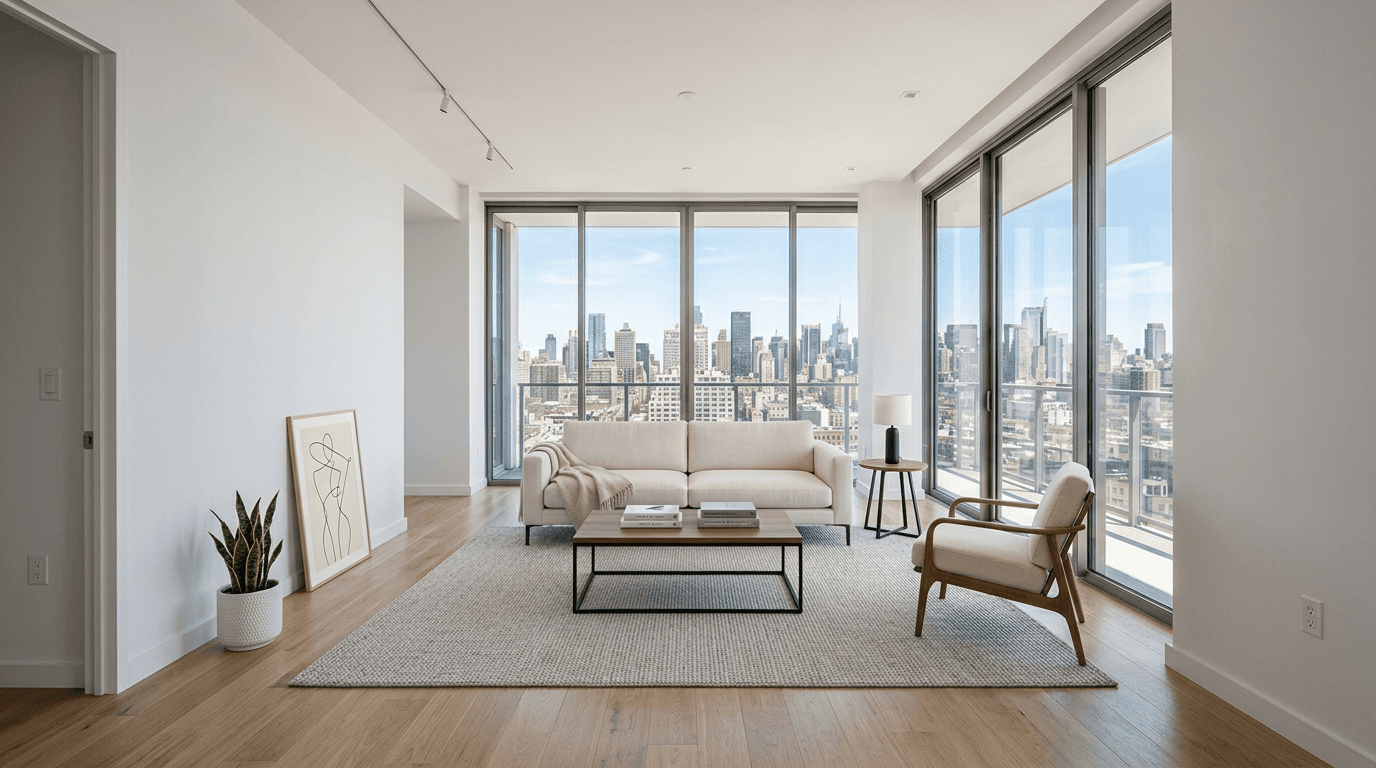
For realtors who specialize in LEED, Passive House, net-zero, and energy-efficient listings, the core marketing challenge is rarely the quality of the home itself; it is the gap between performance and perception. High-performance homes often photograph as minimal, technical, or even unfinished because the features that justify their premium value—airtight construction, superior insulation, heat recovery ventilation, advanced glazing, solar integration, low-tox materials, and efficient mechanical systems—do not always register emotionally in static images. Buyers may intellectually appreciate sustainability, but they still make rapid visual judgments about comfort, beauty, lifestyle, and aspiration. That is exactly where virtual staging becomes a strategic advantage. When used correctly, virtual staging does far more than fill an empty room with furniture. It translates invisible efficiency into visible livability, framing eco-conscious design as warm, elegant, healthy, and modern rather than clinical or sparse. In 2026, green home certification-focused agents need a staging approach that respects architectural integrity, avoids greenwashing, and visually connects certified performance with everyday life. This guide walks you through a proven five-step process to create virtual staging that enhances sustainable listings, supports compliance-minded marketing, and helps buyers instantly understand why an efficient home is also a deeply desirable place to live.
According to recent staging metrics by the National Association of Realtors (NAR), professionally staged properties can significantly increase sales speed and perceived value, accelerating the impact for your specific niche.
Step 1: Build the visual story around the home’s actual certification, performance profile, and buyer promise
The most effective virtual staging for a green listing begins long before any furniture is digitally placed. It starts with a rigorous interpretation of what the property truly is, what certification or performance benchmark it holds, and which buyer promise that status supports in the market. A LEED-certified home may appeal through wellness, material quality, and efficient systems integration, while a Passive House listing may need visual storytelling centered on thermal comfort, quiet interiors, filtered fresh air, and envelope precision. A net-zero home may require a different emphasis, one tied to energy independence, low operating costs, resilience, and a future-focused lifestyle. If you stage all sustainable homes with the same generic “modern eco” look, you flatten the unique value proposition that serious buyers are willing to pay for. Instead, review the certification documents, HERS score, blower door results, solar production data, all-electric systems, induction kitchen, battery storage, ERV or HRV details, window specifications, insulation strategy, and any healthy-home material upgrades. Then identify the emotional translation of those facts. Triple-pane windows become serenity and year-round comfort. Non-toxic finishes become a healthier family environment. Daylighting design becomes a calmer, lower-energy lifestyle. This interpretation phase ensures the staged visuals are not decorative guesses but marketing assets anchored in truth. It also protects your credibility, because green-savvy buyers tend to be detail-oriented and skeptical of vague sustainability claims. The visual story must reflect the home’s actual performance identity, the likely buyer’s priorities, and the local market’s level of sophistication around green features. Once that strategic foundation is clear, every room can be staged to reinforce the same coherent narrative rather than becoming a series of disconnected attractive images.
Action Step
Create a one-page property positioning brief listing the home’s certifications, verified performance features, ideal buyer profile, and the top three lifestyle benefits your staging must visually communicate.
Step 2: Choose a staging design language that makes sustainability feel aspirational, warm, and believable
One of the biggest mistakes in virtual staging eco-friendly homes is overcorrecting into an aesthetic that looks either excessively austere or performatively green. Buyers do not want to feel like they are touring a science project, but they also will not respond well to staging that ignores the architecture and inserts generic luxury furniture with no connection to sustainable living. The right design language occupies a more sophisticated middle ground: it should feel elevated, livable, healthy, and architecturally consistent while subtly signaling environmental intelligence. Start by reading the home’s lines, materials, and light quality. A Passive House with crisp detailing and minimalist fenestration may benefit from warm contemporary staging with tactile textiles, soft wood tones, restrained silhouettes, and carefully edited decor that allows the envelope quality and natural light to remain the focal point. A LEED-oriented family home with reclaimed wood details and biophilic elements may support a more organic modern look that emphasizes comfort, natural textures, and indoor-outdoor connection. A net-zero property in a design-forward suburb may warrant a clean, future-ready style with understated technology cues, not flashy gadgetry. In all cases, avoid clutter because visual noise competes with the home’s performance story, yet avoid emptiness because sparse rooms can read as cold and less valuable. Your staging should suggest breathable, healthy living: furniture arrangements that imply conversation and rest, dining areas that evoke everyday simplicity, home office setups that align with efficient modern lifestyles, and bedrooms that emphasize restorative calm. Color palettes matter as well; muted earth tones, warm neutrals, soft greens, clay hues, and natural wood notes often communicate sustainability more credibly than overtly themed eco decor. The result should be a visual identity that helps buyers imagine a premium low-impact lifestyle, not just a low-energy structure. Believability is essential because the goal is not to advertise “green” as a label but to show how thoughtful design and performance create a superior way of living.
Action Step
Select one staging style direction for the listing and document approved colors, materials, furniture silhouettes, and room moods that align with the home’s architecture and sustainability narrative.
Step 3: Stage each key room to reveal hidden performance benefits through daily-life scenes buyers immediately understand
Once your design language is set, the next step is to treat each room as an opportunity to make invisible green benefits visually legible. This is where virtual staging becomes far more powerful than simple furnishing. In the living room, your objective is not merely to show where a sofa fits; it is to communicate comfort created by insulation, airtightness, and high-performance glazing. Arrange seating to emphasize window placement and natural light, suggesting a bright room that remains comfortable year-round rather than drafty or overheated. In the kitchen, staging should reinforce efficiency, wellness, and modernity. If the home has induction cooking, all-electric systems, daylighting, or sustainable cabinetry, the scene should feel clean, functional, and premium, with styling that suggests healthy meal preparation and uncluttered living. Bedrooms should underscore quiet, thermal stability, and restorative sleep, which are especially important selling points for Passive House and other high-performance homes. Home offices can illustrate the practical value of excellent indoor air quality, balanced ventilation, and acoustic comfort for remote work. Dining areas can help communicate intentional, lower-waste, community-oriented living when they feel elegant but not excessive. If the home includes transitional spaces, mudrooms, utility rooms, or solar-adjacent infrastructure areas, think carefully about whether visual enhancement can make those spaces feel integrated rather than technical. The key is to create scenes that convert engineering language into human outcomes. Buyers do not emotionally buy “continuous exterior insulation”; they buy a home that feels cozy in winter, cool in summer, peaceful throughout the day, and efficient without sacrifice. Every staged image should answer an unspoken buyer question: what does this performance feature mean for my life? When your room-by-room staging decisions are guided by that principle, the listing stops relying on agents to explain value after the click and starts conveying value the moment a buyer lands on the photos.
Action Step
Map each major room to one hidden sustainability benefit and give your staging provider a clear note explaining the lifestyle outcome that image should communicate.
Step 4: Direct the staging and image production process with precision so the visuals stay accurate, premium, and compliant
For green-certified and high-performance listings, the execution process matters just as much as the concept because poor virtual staging can undermine trust faster than no staging at all. Realtors in this niche should approach image production with the same discipline they bring to disclosure, certification verification, and performance-based marketing claims. Begin with high-quality original photography that captures clean sightlines, natural light, and the architectural details that distinguish the property, including window systems, orientation, built-ins, mechanical integration, and meaningful material choices. Then develop a creative brief for the staging provider that is unusually specific by mainstream listing standards. Clarify which elements are immutable and must not be visually altered, such as window sizes, vent locations, equipment placement, visible sustainable materials, solar-related interfaces, or certification plaques. Require furnishings and decor that fit realistic scale, preserve circulation, and do not conceal important features like shading devices, daylight pathways, ventilation details, or custom millwork. You should also prohibit environmentally misleading additions, such as fake fireplaces where none exist, exaggerated landscape views, or decorative elements that imply features not included in the sale. If you market to highly informed buyers, this level of precision is not optional; it is central to brand integrity. Review every staged image for realism, proportion, light consistency, and architectural respect. Ask whether the image enhances the room’s purpose or distracts from it. Evaluate whether the staging helps a buyer notice the home’s sustainable strengths or simply overlays a trendy aesthetic. Finally, pair the visual assets with captions or listing copy that interprets what the buyer is seeing, especially when the room supports a certification-related benefit. In 2026, the most credible green listing campaigns are visual, data-informed, and ethically framed. Virtual staging should amplify the home’s real advantages, never manufacture them.
Action Step
Prepare a detailed staging brief and image review checklist that covers protected architectural features, prohibited edits, room goals, realism standards, and compliance safeguards.
Step 5: Publish staged visuals as part of an integrated green-marketing system that connects beauty, proof, and conversion
Virtual staging delivers the strongest return when it is treated not as a standalone cosmetic enhancement but as the visual anchor of a broader marketing system designed for sustainability-minded buyers. Once the images are complete, distribute them intentionally across every buyer touchpoint with messaging that connects aesthetic appeal to verified performance. On the MLS, lead with staged hero images that immediately make the home feel warm, refined, and livable, then support those visuals with concise remarks about the certifications, energy profile, healthy materials, and comfort benefits. On your property website or landing page, place staged room images alongside performance highlights, downloadable certification summaries, utility-cost context where appropriate, and explanations of systems such as ERVs, heat pumps, solar arrays, battery storage, or advanced insulation assemblies. On social media, use carousel storytelling that starts with the aspirational room image and follows with short educational frames that explain why that room feels different in a high-performance home. In email marketing, segment your audience so eco-luxury buyers, wellness-driven families, and cost-conscious efficiency shoppers each receive a version of the visual narrative most relevant to them. During showings, use the staged images as expectation-setting tools that help prospects understand how minimalist architecture, flexible rooms, or technically oriented spaces can function beautifully in daily life. After launch, measure performance seriously: track click-through rates, save rates, time on page, inquiry quality, showing volume, and buyer objections before and after implementing staged visuals. Over time, this feedback reveals which visual narratives convert best for certified homes in your market. The ultimate goal is not simply prettier photos; it is a marketing ecosystem where beautiful imagery lowers buyer confusion, strengthens trust, educates the audience, and supports premium pricing by making sustainable value immediately comprehensible. When virtual staging is integrated with proof and strategy, it becomes one of the most effective tools available to green home certification-focused realtors.
Action Step
Deploy your staged images across MLS, listing pages, email, social media, and showing materials, then track engagement and buyer-response metrics to refine your green listing strategy.
Explore More Resources
Conclusion
Virtual staging is uniquely powerful for green home certification-focused realtors because it bridges the persistent gap between technical excellence and emotional buyer response. LEED, Passive House, net-zero, and energy-efficient homes often outperform conventional properties in comfort, health, durability, and long-term value, yet those benefits can remain visually invisible without strategic presentation. By grounding your staging in verified certification data, choosing a believable design language, translating performance into room-by-room lifestyle scenes, maintaining strict production accuracy, and distributing the finished visuals through an integrated marketing system, you turn sustainable features into compelling buyer understanding. In 2026, the agents who win in this niche will be the ones who can present efficiency not as abstraction, but as beautiful everyday living. Done well, virtual staging helps eco-conscious buyers see what the home does, feel what the home offers, and believe the premium is justified.
Ready to Stage Your First Room?
Join thousands of top real estate professionals who use AI Virtual Staging to instantly transform vacant photos into fully-furnished masterpieces in under 20 seconds.
Start Staging For FreeFrequently Asked Questions
Why is virtual staging especially useful for LEED, Passive House, and net-zero listings?
Because many of the most valuable green features are not visually obvious in empty or minimally furnished photos. Virtual staging helps buyers emotionally understand comfort, wellness, efficiency, and livability while preserving the opportunity to explain the verified technical benefits in your listing copy and supporting materials.
How can realtors avoid greenwashing when virtually staging a sustainable home?
Base the staging concept on the property’s actual certifications, documented performance features, and existing architecture. Do not add visual elements that imply nonexistent upgrades or alter important building characteristics. Pair staged imagery with accurate disclosures, certification summaries, and truthful marketing language.
What design style works best for eco-friendly homes?
There is no single best style. The most effective approach is one that fits the home’s architecture and buyer profile while making the space feel warm, modern, healthy, and believable. Organic modern, warm contemporary, and restrained minimalist styles often perform well because they support light, material authenticity, and a calm lifestyle narrative.
Should virtual staging highlight technical systems like ventilation or solar equipment?
Yes, but selectively and strategically. The goal is not to overwhelm buyers with engineering visuals in every image, but to integrate or reference those systems where they reinforce the home’s story. Supporting photos, captions, and dedicated marketing pages can help explain their value without making the main listing gallery feel overly technical.
How do I know if my virtual staging is actually improving marketing performance?
Measure listing engagement and buyer behavior. Compare click-through rates, saves, time on page, showing requests, and the quality of buyer inquiries before and after staging. Also listen for changes in buyer questions: if prospects move from confusion about the home’s purpose to interest in its comfort, health, and efficiency benefits, your visuals are working.
Explore More Guides
Continue building your real estate expertise.
The Step-by-Step Guide to Virtual Staging for Artisan Live/Work Condo Developers
An authoritative 2026 step-by-step guide for artisan live/work condo developers on using virtual staging to clarify hybrid layouts, attract artist-buyers, and present integrated living and making spaces with precision.
The Step-by-Step Guide to Virtual Staging for Luxury Student Condo Developers
An authoritative 2026 step-by-step guide for luxury student condo developers on using virtual staging to pre-sell premium university-adjacent units, attract affluent students and parents, and position condo projects as sophisticated, practical lifestyle investments.
The Step-by-Step Guide to Virtual Staging for Scattered-Site Affordable Housing Lease-Up Teams
An authoritative step-by-step guide for scattered-site affordable housing lease-up teams on using virtual staging to standardize marketing, build applicant trust, improve listing consistency, and streamline leasing workflows across dispersed inventories in 2026.
The Step-by-Step Guide to Virtual Staging for Downtown Office-to-Residential Conversion Developers
An authoritative 2026 step-by-step guide for downtown office-to-residential conversion developers on using virtual staging to overcome buyer skepticism, visualize residential layouts, accelerate pre-sales, and market adaptive reuse projects effectively.
The Step-by-Step Guide to Virtual Staging for Surplus Religious Housing Conversion Developers
An authoritative 2026 step-by-step guide for developers using virtual staging to market converted convents, rectories, monasteries, and church-owned housing, helping buyers visualize modern livability while preserving historic character.
The Step-by-Step Guide to Virtual Staging for Lease-to-Own Home Program Operators
An authoritative 2026 step-by-step guide for lease-to-own and rent-to-own home program operators on using virtual staging to market vacant inventory, increase engagement, and help aspiring buyers envision long-term ownership from day one.