
The Step-by-Step Guide to Virtual Staging for Casino Hotel Expansion Marketing Teams
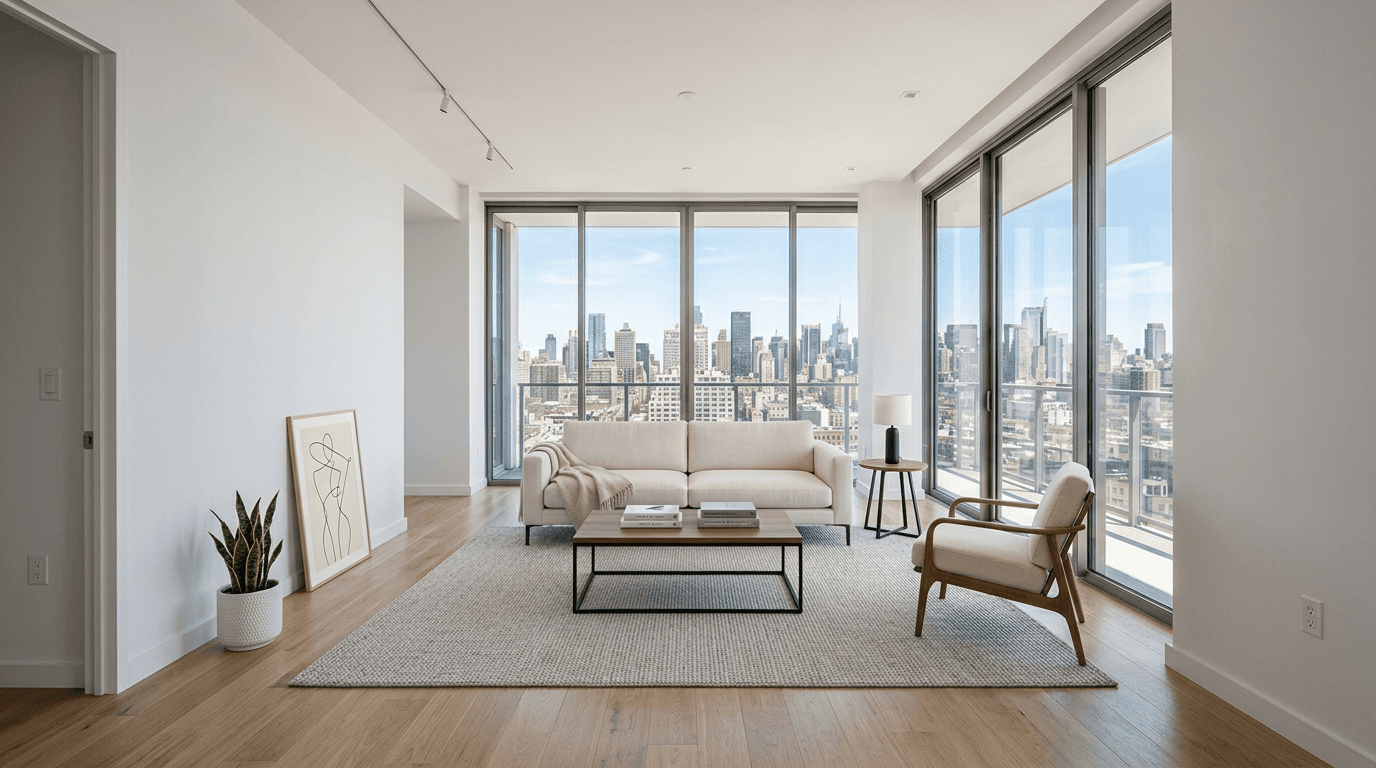
Casino hotel expansion marketing teams face a uniquely high-stakes challenge in 2026: they must sell premium experiences before every room, suite, corridor, lobby, or amenity space is camera-ready. New towers open in phases, renovated inventory turns over unevenly, and final photography often trails campaign deadlines by weeks or months. Yet booking engines, sales decks, media kits, player development outreach, and prelaunch landing pages still need polished visuals that signal luxury, exclusivity, and brand confidence. Virtual staging solves this gap when it is used strategically rather than cosmetically. For casino resorts, the goal is not merely to make an empty room look furnished; it is to translate the economics of an expansion into imagery that supports room-category differentiation, premium pricing, group sales velocity, and early demand generation across leisure, VIP, casino loyalty, and convention audiences. This guide explains how marketing teams can build a virtual staging workflow that aligns with phased construction realities, protects brand credibility, and produces conversion-focused imagery for new towers, remodeled rooms, and high-value suite inventory long before traditional photography is fully available.
According to recent staging metrics by the National Association of Realtors (NAR), professionally staged properties can significantly increase sales speed and perceived value, accelerating the impact for your specific niche.
Step 1: Define the commercial purpose of each staged image before creative production begins
The most successful virtual staging programs for casino hotel expansions begin with revenue strategy, not design software. Marketing teams often lose time and budget when they request generalized “beautiful renderings” without first clarifying exactly what each image must accomplish in the customer journey. In a casino resort environment, a staged image may need to do very different work depending on whether it supports a VIP host offer, a direct-booking landing page for a new tower, a group sales presentation for meeting planners, an OTA listing for renovated standard rooms, or a press release announcing phased openings. Each of these channels requires different visual emphasis, framing, and merchandising logic. A premium suite image might need to spotlight scale, exclusivity, and social entertaining potential, while a renovated king room may need to communicate upgraded finishes, comfort, and value within a broader room-category ladder. Before any staging brief is issued, teams should map every image to a business objective, target audience, distribution channel, booking intent, and room-category positioning. That discipline prevents generic outputs and ensures visual assets actively support pricing, segmentation, and conversion goals. It also helps internal stakeholders align on what matters most in prelaunch marketing: not speculative perfection, but usable visual proof that the expansion delivers a compelling guest experience. When this commercial foundation is established first, virtual staging becomes a strategic merchandising system that can accelerate bookings and strengthen confidence even while construction is still progressing in the background.
Action Step
Create an image strategy matrix listing every room type or expansion space, its audience, channel, conversion goal, and key selling points before commissioning any virtual staging.
Step 2: Build a source-asset pipeline that reflects phased construction realities and protects accuracy
Virtual staging quality is only as strong as the source material behind it, which is why casino hotel expansion teams need a disciplined asset pipeline that accounts for incomplete spaces, design changes, and staggered opening schedules. Rather than waiting for perfect final photography, the most effective teams gather a layered mix of approved architectural renderings, interior design boards, finish schedules, furniture specifications, floor plans, BIM exports, construction progress images, and any early on-site photography that accurately captures room geometry and window placements. This source package gives staging artists the information needed to create visuals that feel aspirational while remaining operationally defensible. Accuracy matters enormously in hospitality, especially in premium resort and VIP environments where guest expectations are high and marketing claims are scrutinized by executives, owners, and customers alike. A visually impressive image that misrepresents views, room dimensions, fixture placement, or amenity inclusions can create downstream problems in guest satisfaction, customer trust, and legal review. For that reason, expansion marketers should establish approval checkpoints with design, operations, revenue management, and legal teams before final assets are distributed. They should also categorize visuals clearly by readiness level, distinguishing concept-led prelaunch imagery from near-final room representations tied to confirmed specifications. In phased openings, this pipeline becomes even more critical because some categories may be construction-complete while others are still evolving. A structured asset workflow enables marketing to keep campaigns moving without overpromising. It also creates a repeatable production model for towers, suites, gaming-adjacent hospitality areas, spa zones, and food-and-beverage spaces that may enter the market at different times but still need consistent storytelling.
Action Step
Assemble a shared source-asset folder with approved plans, finish schedules, design references, construction photos, and stakeholder signoff checkpoints for every staged space.
Step 3: Stage for room-category differentiation, not just visual attractiveness
One of the biggest mistakes in casino hotel expansion marketing is treating virtual staging as a cosmetic enhancement rather than a room-merchandising engine. In a large resort, visual sameness is the enemy of conversion because guests and casino players must quickly understand why one category deserves a higher rate, a longer stay, or a stronger emotional response than another. Standard rooms, premium rooms, club-level inventory, executive accommodations, and VIP suites should not simply look like variations of the same image with slightly different furniture styling. They need to communicate a clear hierarchy of experience. Effective virtual staging should therefore reinforce the strategic distinctions that drive booking behavior: space, exclusivity, layout functionality, entertainment value, wellness cues, view orientation, luxury finishes, and social hosting potential. For example, a premium suite intended for high-worth casino guests should visually emphasize arrival moments, lounge space, layered lighting, statement materials, and the ease of entertaining. By contrast, a renovated base category room should focus on polished comfort, modernity, and a strong value-to-quality ratio. This differentiation also matters for internal sales teams, because hosts, group sellers, and reservation agents rely on images to tell a persuasive story about why guests should upgrade. Marketing should collaborate closely with revenue management to define what visual signals correspond to each pricing tier and customer segment. The result is not merely prettier imagery; it is a visual architecture that supports upsell pathways, protects rate integrity, and helps every room category earn its place in the expansion narrative. When staging is tied to category strategy, the images become a commercial tool that clarifies product ladders and reduces friction in the booking decision.
Action Step
Develop a visual differentiation brief for each room category showing which features, emotions, and upgrade cues must appear to justify its price position.
Step 4: Deploy virtual staging across the full expansion campaign, not only on listing pages
Virtual staging delivers the highest return when marketing teams treat it as a cross-channel campaign asset rather than a narrow substitute for missing photography. In casino resort expansions, demand generation begins long before a guest lands on a room-detail page, and visual consistency across every touchpoint influences perception, urgency, and trust. The same staged assets can be adapted for website hero sections, tower launch microsites, email campaigns, CRM segmentation for loyalty tiers, paid social creative, digital display, OTA placeholders where permitted, host outreach decks, group sales collateral, PR announcements, investor or ownership updates, and in-property signage that builds anticipation before all inventory is live. Each channel, however, has a different storytelling job, so teams should create variant crops, message overlays, and sequencing logic instead of reusing the exact same image in every format. A wide suite rendering may work for awareness, while a tighter crop highlighting a soaking tub, skyline view, or bespoke seating area may perform better in retargeting or upgrade messaging. Campaign orchestration is especially important during phased openings, when some spaces are ready to market aggressively and others require more expectation-setting language. By aligning staged imagery with launch calendars, audience segments, and booking windows, teams can maintain momentum without waiting for complete physical turnover. This also helps bridge the gap between preopening excitement and postopening proof, allowing marketers to swap in real photography strategically over time rather than disrupt campaign continuity. In short, virtual staging should sit inside the broader expansion content plan, supporting awareness, consideration, conversion, and upsell in an integrated way that reflects how modern casino hospitality brands actually go to market.
Action Step
Map each staged visual to specific campaign channels, funnel stages, and launch dates so assets are resized, sequenced, and messaged for full-funnel use.
Step 5: Govern credibility, performance, and post-launch optimization to maximize long-term value
For casino hotel expansion teams, the real advantage of virtual staging is not just speed to market; it is the ability to learn, refine, and scale visual strategy while protecting brand credibility. Because these assets often enter circulation before final photography exists, teams must establish governance standards that make the images both persuasive and trustworthy. That includes clear internal labeling, version control, documented approvals, and transparent practices around where concept-forward imagery is used versus where more literal room representations are required. Once assets are live, performance measurement becomes essential. Marketing leaders should evaluate how staged visuals influence click-through rates, landing-page engagement, room-category upgrade behavior, direct-booking conversion, host-led offer response, group inquiry volume, and media pickup. They should also compare image sets across segments to identify what visual cues resonate most with leisure travelers, loyalty members, premium players, and event planners. This data can then inform the next round of staging, future photo priorities, and the eventual transition from staged imagery to real-world photography. Importantly, virtual staging should not disappear after opening day. It remains valuable for visualizing yet-to-open phases, refreshing seasonal merchandising, testing alternative room narratives, and supporting renovation cycles in other parts of the resort. The most mature teams treat the process as an ongoing capability tied to asset management and commercial analytics, not a one-off creative emergency. By combining governance with measurement, casino resort marketers can prove that virtual staging is more than a temporary workaround; it is a disciplined marketing system that shortens launch timelines, strengthens room merchandising, and improves the quality of demand generation throughout the expansion lifecycle.
Action Step
Set approval rules, track image performance by channel and audience, and build a timeline for replacing or supplementing staged visuals with real photography after opening.
Explore More Resources
Conclusion
Virtual staging is most effective for casino hotel expansion marketing teams when it is anchored in commercial intent, built on accurate source assets, aligned to room-category differentiation, activated across the full campaign ecosystem, and measured like any other high-impact marketing investment. In an environment where towers open in phases, suites are sold before final turnover, and premium visuals must carry booking momentum ahead of completed photography, staged imagery can close the gap between construction reality and market demand. The key is to use it with precision and governance so every image advances trust, storytelling, and conversion. When executed strategically, virtual staging helps casino resorts launch faster, merchandise more intelligently, and present new inventory with the luxury and confidence guests expect.
Ready to Stage Your First Room?
Join thousands of top real estate professionals who use AI Virtual Staging to instantly transform vacant photos into fully-furnished masterpieces in under 20 seconds.
Start Staging For FreeFrequently Asked Questions
Why is virtual staging especially valuable for casino hotel expansions?
Casino hotel expansions often involve phased openings, delayed access to finished spaces, and multiple room categories that need to be marketed before traditional photography is possible. Virtual staging gives marketing teams premium visuals for prelaunch campaigns, room merchandising, host outreach, and sales materials while construction and turnover continue.
Can virtual staging be used for VIP suites and high-end casino guests without hurting credibility?
Yes, if the process is governed carefully. The imagery should be based on approved plans, finishes, and layouts, reviewed by internal stakeholders, and used in the right contexts. For premium audiences, accuracy is essential, but polished staged visuals can still communicate exclusivity and luxury effectively before final photography is available.
What source materials are needed to create strong virtual staging assets for a casino resort?
The best inputs typically include floor plans, architectural or interior renderings, furniture and finish specifications, BIM or design files, construction progress images, and any early photography that captures actual room geometry. The more structured and approved the source package, the more accurate and useful the final staged output will be.
How should marketing teams differentiate staged visuals across room categories?
They should align each image to the commercial role of the room type. Base rooms should emphasize comfort and value, premium rooms should highlight elevated finishes and space, and suites should signal exclusivity, entertaining potential, and luxury. The goal is to visually justify pricing tiers and make upgrades easier to understand.
When should staged images be replaced with real photography?
Staged images should be supplemented or replaced as high-quality real photography becomes available for the most commercially important spaces. Many teams begin with staged assets for prelaunch and early booking periods, then transition to real photography after opening while retaining some staged visuals for future phases, merchandising tests, or spaces not yet fully complete.
Explore More Guides
Continue building your real estate expertise.
The Step-by-Step Guide to Virtual Staging for Church Property Redevelopment Consultants
An authoritative 2026 step-by-step guide for church property redevelopment consultants on using virtual staging to visualize adaptive reuse, build stakeholder support, attract investors, and strengthen approvals for housing, school, office, and mixed-use conversions.
The Step-by-Step Guide to Virtual Staging for Senior Move Management Companies
Learn how senior move management companies can use virtual staging to transform dated, overfurnished homes into safer, cleaner, more marketable listings in 2026. This guide covers planning, photography, compliance, family communication, and listing optimization.
The Step-by-Step Guide to Virtual Staging for Luxury High-Rise Condo Listing Agents
An authoritative 2026 step-by-step guide for luxury high-rise condo listing agents on using virtual staging to elevate vacant units, attract premium buyers, justify higher commissions, and market urban high-rise listings with polished, conversion-focused visuals.
The Step-by-Step Guide to Virtual Staging for Golf Course Community Home Builders
Learn how golf course community home builders can use virtual staging to market spec homes and inventory models more effectively, connect with retirees and affluent buyers, and increase conversions in 2026.
The Step-by-Step Guide to Virtual Staging for Urban Micro-Apartment Developers
An authoritative 2026 step-by-step guide for urban micro-apartment developers on using virtual staging to market compact rentals, prove livability, highlight storage, and increase leasing confidence without misleading prospects.
The Step-by-Step Guide to Virtual Staging for Dental Practice Brokers
An authoritative 2026 step-by-step guide for dental practice brokers on using virtual staging to modernize dated operator-owned offices, improve buyer perception, and market treatment rooms, reception areas, and leasehold opportunities ethically and effectively.