
The Step-by-Step Guide to Virtual Staging for Luxury Barndominium Builders and Brokers
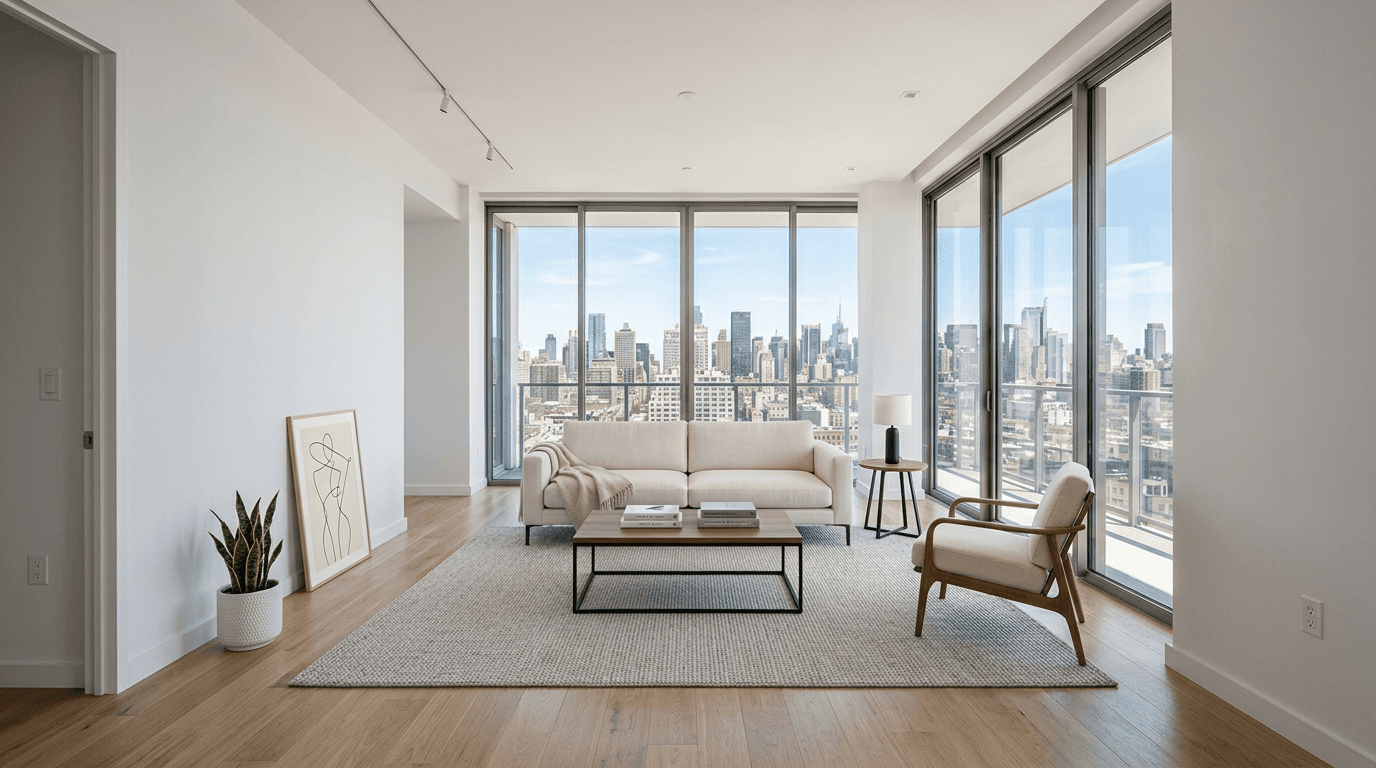
Virtual staging has become one of the most effective marketing tools available to luxury barndominium builders and brokers because it solves the exact visibility problem that this niche faces: buyers struggle to emotionally interpret large open shells, hybrid work-live layouts, soaring ceiling volumes, and unconventional room adjacencies when they are presented as empty or only partially finished spaces. In the luxury barndominium segment, the challenge is even sharper, because the property must communicate both refined aspiration and rural authenticity at the same time. A vacant shell can read as cold, cavernous, or incomplete rather than custom, expansive, and premium. That gap between what the structure is and what the buyer feels is where virtual staging creates measurable leverage. When used strategically, it transforms hard-to-read interiors into clear lifestyle narratives, helps affluent buyers understand scale and purpose, and positions the home as a finished vision rather than a construction concept. For builders and brokerages selling upscale barndominiums, shouses, and hybrid rural luxury residences in 2026, virtual staging is no longer a cosmetic extra; it is a conversion tool that clarifies layout, elevates brand perception, reduces buyer hesitation, and increases the likelihood that prospects move from casual browsing to serious inquiry.
According to recent staging metrics by the National Association of Realtors (NAR), professionally staged properties can significantly increase sales speed and perceived value, accelerating the impact for your specific niche.
Step 1: Start with the buyer narrative before you stage a single image
The biggest mistake luxury barndominium marketers make is treating virtual staging as decoration rather than interpretation. Before selecting furniture, finishes, or design direction, you need to define the exact buyer story the property should tell. High-end barndominiums are not generic suburban homes, so they cannot be staged with generic assumptions. A luxury rural buyer may be seeking a trophy weekend retreat, an equestrian-adjacent residence, a work-from-land lifestyle property, a multigenerational compound, or a refined primary home that blends agrarian character with custom modern living. Each of those buyer profiles reads space differently. An expansive great room that feels inspiring to one buyer may feel undefined to another if the imagery does not establish function, proportion, and use. This is particularly important in barndominiums because oversized volumes, flexible-use rooms, lofts, mezzanines, attached shops, and indoor-outdoor transitions often require explanation through design cues. Strong virtual staging begins by identifying who the likely buyer is, what emotional outcome they want from the property, and which architectural features should anchor that impression. If the home’s luxury lies in hand-hewn beams, panoramic ranch views, or a dramatic steel-and-wood structural envelope, the staging must amplify those elements rather than compete with them. If the property includes a premium shop, entertaining barn, or live-work wing, the imagery should show how those spaces support a sophisticated lifestyle rather than appearing like unfinished utility zones. The objective is to build a coherent visual argument: this home is not merely large, rural, or custom; it is intentional, elite, and livable. That strategic foundation ensures every staged image contributes to buyer comprehension instead of adding aesthetic noise.
Action Step
Define your primary buyer persona and write a one-paragraph lifestyle narrative for the property before commissioning any virtual staging.
Step 2: Select the right rooms and camera angles to remove confusion from unconventional layouts
In luxury barndominium marketing, not every room deserves equal staging attention, and not every photo angle helps the sale. Because these homes often feature unconventional architecture, the goal is not to stage everything indiscriminately but to clarify the spaces most likely to create hesitation if left empty. Start by identifying the rooms where buyers need the most interpretive help: the main great room, open-concept kitchen and dining zone, primary suite, loft or mezzanine, flex room, attached office, game room, and any crossover spaces that could otherwise appear ambiguous in photographs. Empty images of these areas tend to exaggerate awkwardness, distort scale, and make buyers question practical use. A large shell without furnishing references can look less luxurious and more unfinished, especially when ceiling height, metal framing, expansive spans, or polished concrete floors dominate the visual field. Virtual staging should therefore be applied to the spaces where furniture placement can define circulation, reveal proportion, and teach the buyer how to inhabit the architecture. Camera angles matter just as much. Wide shots are useful, but excessively broad angles can flatten intimacy and make rooms appear like warehouses. Instead, prioritize views that show room relationships, highlight focal points such as fireplaces or statement windows, and demonstrate natural pathways between living, dining, kitchen, and transition spaces. In a barndominium, one well-staged image that clarifies how a seating arrangement grounds a two-story great room can outperform five vague photos of empty openness. Brokers and builders should also think in sequence: the image order should progressively answer the buyer’s silent questions about how the house lives, entertains, works, and rests. When the right rooms are staged from the right vantage points, you are not just beautifying the listing; you are reducing cognitive friction and making an unconventional home easier to say yes to.
Action Step
Choose 6 to 10 listing photos that most need functional clarity, and prioritize staging for the rooms and angles that best explain how the home lives.
Step 3: Use design language that expresses luxury-rural identity without making the home feel themed or unfinished
The most effective virtual staging for upscale barndominiums walks a narrow but crucial line: it must communicate refined rural luxury without tipping into cliché, over-rustication, or an incoherent mix of farmhouse trends that cheapen the home’s positioning. Luxury buyers are highly sensitive to visual credibility. If the furnishings feel too urban and glossy, the property can lose its regional soul and seem mismatched to its setting. If the staging leans too heavily into rustic signifiers, distressed decor, or exaggerated western motifs, the home can start to read as themed rather than bespoke. The answer is to build a restrained design language rooted in material harmony, scale, and architectural respect. In practice, that means staging should echo the home’s permanent features. A barndominium with black steel framing, white oak cabinetry, limestone accents, and oversized glazing may call for tailored upholstery, warm neutrals, sculptural lighting, natural textures, and understated statement pieces. A mountain or ranch-oriented residence with reclaimed timber, broad-plank floors, and monumental fireplaces may benefit from richer tonal layering, leather accents, custom-scale furnishings, and art that suggests sophistication rather than novelty. The virtual staging should also reflect the value tier of the asking price. If the listing competes in a premium bracket, the furniture proportions, styling restraint, and accessory selections must feel custom and editorial rather than catalog-level. This is especially important in large-volume rooms, where underscaled furnishings make the architecture seem harsher and emptier. Equally important, staged imagery should reinforce completion. Empty shells often trigger uncertainty about finish level, warmth, and livability, so the staging must visually reassure buyers that the home is not a concept waiting to be solved but a polished environment ready to support a luxury lifestyle. When done correctly, virtual staging gives the property a distinct identity that feels elevated, regional, and architecturally truthful all at once.
Action Step
Create a staging style brief that specifies materials, color palette, furniture scale, and luxury level so every rendered image reflects the home’s true brand.
Step 4: Integrate virtual staging into a full listing and sales funnel instead of treating it as a standalone visual add-on
Virtual staging delivers the strongest return when it is embedded into the entire marketing system, not isolated as a prettier photo set. For luxury barndominium builders and brokers, that means staged imagery should shape the listing narrative, the website presentation, the social campaign, the email outreach, and the in-person showing strategy. Once images are staged, use them to frame the property’s story in language that explains what buyers are seeing and why it matters. A staged great room image should not sit beneath a generic caption; it should support copy that emphasizes volume, custom entertaining capacity, indoor-outdoor flow, and the intentional use of scale. A staged flex room should be paired with positioning that speaks to executive remote work, wellness use, bunk retreat potential, or multigenerational adaptability, depending on the target buyer. On premium listings, this narrative integration is critical because affluent buyers are not just shopping for square footage; they are evaluating fit, identity, and future lifestyle. You should also leverage staged visuals in side-by-side context where appropriate, especially for shell, spec, or near-completion properties. Showing an original image alongside a staged rendering can help prospects appreciate the architecture while understanding its finished potential, provided the presentation remains transparent and professional. Beyond the MLS, staged images should be repurposed across landing pages, luxury property brochures, digital ad creative, broker email introductions, and social reels that move from raw structure to aspirational lifestyle. For builders, staged renderings can also support pre-sale conversations by helping buyers visualize package options and upgrade paths. For brokers, they can reduce wasted tours by attracting people who already understand the layout before arriving. The larger principle is simple: virtual staging is not merely a cosmetic enhancement to photography; it is a strategic translation layer that should influence every touchpoint where the property is introduced, explained, and sold.
Action Step
Update your listing, website, and marketing collateral so each staged image is paired with messaging that explains function, lifestyle, and value.
Step 5: Protect credibility with transparent execution, premium quality control, and performance tracking
In the luxury segment, trust is inseparable from presentation quality, so virtual staging must be executed with precision, disclosure, and measurable intent. High-end buyers and their representatives can quickly spot poor render quality, unrealistic lighting, distorted proportions, furniture that ignores the architecture, or design choices that overpromise what the property cannot deliver. Any of those mistakes can create disappointment during showings and damage confidence in both the listing and the brand behind it. That is why quality control should be treated as a non-negotiable operational step. Before publishing, review each staged image for realism, consistency with the home’s actual finishes, and alignment with the likely lifestyle buyer. Check that windows, shadows, ceiling heights, and furniture scale feel believable. Ensure the staged design does not imply built-ins, walls, fixtures, or architectural features that do not exist unless that future scope is clearly labeled as conceptual. Transparency matters, especially in 2026, when buyers are accustomed to polished digital marketing and increasingly alert to manipulated visuals. Properly identify images as virtually staged where required by platform, brokerage policy, or local regulation, and present the staging as an aid to visualization rather than a substitute for accuracy. From there, track performance. Compare engagement, click-through rates, save rates, inquiry volume, and showing requests between staged and non-staged assets. Study whether certain room types, aesthetics, or image sequences produce more serious leads. Over time, this turns virtual staging from a one-off tactic into a repeatable marketing discipline. Builders can learn which layouts need the most visual interpretation; brokers can refine which design directions resonate with affluent rural buyers. The outcome is not only better imagery, but a more credible, data-informed luxury sales process that supports stronger positioning and more confident buyer decision-making.
Action Step
Implement a review checklist for realism, compliance, and brand fit, then track how staged images affect inquiries, showings, and buyer engagement.
Explore More Resources
Conclusion
For luxury barndominium builders and brokers, virtual staging is most powerful when it is approached as a strategic sales tool rather than a decorative afterthought. The right staging plan begins with the buyer narrative, focuses on the rooms that create the most uncertainty, uses a design language that elevates the luxury-rural identity, and extends across every listing and marketing touchpoint. Just as importantly, it must be executed with transparency and premium-quality control to preserve trust. In a market where empty shells can feel cold, oversized, or confusing, virtual staging gives buyers a way to understand layout, scale, finish intent, and lifestyle potential immediately. That clarity shortens the emotional distance between first impression and serious interest, helping distinctive rural luxury properties command stronger attention and more confident offers in 2026.
Ready to Stage Your First Room?
Join thousands of top real estate professionals who use AI Virtual Staging to instantly transform vacant photos into fully-furnished masterpieces in under 20 seconds.
Start Staging For FreeFrequently Asked Questions
Why is virtual staging especially important for luxury barndominiums compared with conventional homes?
Luxury barndominiums often have expansive open interiors, unusual room relationships, mixed-use zones, and dramatic ceiling heights that can be difficult for buyers to interpret when vacant. Virtual staging helps define function, scale, and lifestyle, making the home feel intentional and premium rather than unfinished or confusing.
Can virtual staging make an unfinished or shell barndominium easier to sell?
Yes, when used accurately and transparently, virtual staging can help buyers understand the completed vision of a shell or near-finished property. It is particularly effective for showing how large spaces can be furnished, how flexible rooms can function, and how the home’s luxury-rural character will feel when fully realized.
What design style works best for a high-end barndominium listing?
The best style is one that reflects the architecture, setting, and buyer profile rather than a generic farmhouse look. In most cases, refined rural luxury works best: natural materials, custom-scale furnishings, warm neutral palettes, restrained styling, and details that feel bespoke instead of themed.
Should brokers disclose that listing photos have been virtually staged?
Yes. Disclosure supports credibility, aligns with many brokerage and platform expectations, and helps prevent buyer disappointment. Virtually staged images should be used to clarify potential and livability, not to misrepresent existing finishes or architectural features.
How many rooms in a luxury barndominium should be virtually staged?
Focus on the spaces that most affect buyer understanding and emotional response, typically the great room, kitchen and dining area, primary suite, flex room, loft, and any large or unconventional zones. The right selection matters more than staging every room, because the goal is to remove confusion and highlight value.
Explore More Guides
Continue building your real estate expertise.
The Step-by-Step Guide to Virtual Staging for Accessory Dwelling Unit (ADU) Builders
An authoritative 2026 step-by-step guide for ADU builders on using virtual staging to market detached backyard homes, garage conversions, and compact accessory dwelling units with stronger visuals, better buyer understanding, and more qualified leads.
The Step-by-Step Guide to Virtual Staging for Sober Living Home Operators
An authoritative 2026 step-by-step guide for sober living home operators on using virtual staging to improve occupancy, reduce stigma, and present residences with safety, dignity, comfort, and professionalism.
The Step-by-Step Guide to Virtual Staging for Luxury Home Lease-Up Brokerages
An authoritative 2026 step-by-step guide to using virtual staging for luxury home lease-up brokerages, covering strategy, design standards, marketing execution, compliance, and performance optimization to lease high-end homes faster at premium rates.
The Step-by-Step Guide to Virtual Staging for Suburban Medical Condo Investment Brokers
An authoritative 2026 step-by-step guide for suburban medical condo investment brokers on using virtual staging to market medical office condos to owner-users and investors, demonstrate healthcare readiness, reduce buyer uncertainty, and improve listing performance.
The Step-by-Step Guide to Virtual Staging for Condo-Hotel Unit Resale Brokerages
An authoritative step-by-step guide for condo-hotel unit resale brokerages on using virtual staging to modernize dated inventory, balance personal-use and rental appeal, differentiate from generic furniture packages, and improve marketing performance in 2026.
The Step-by-Step Guide to Virtual Staging for Resort Residence Branded Condo Developers
An authoritative 2026 step-by-step guide for resort residence branded condo developers on using virtual staging to accelerate pre-sales, protect brand standards, and sell an aspirational hospitality lifestyle before completion.