
The Step-by-Step Guide to Virtual Staging for Destination Wedding Venue Estate Owners
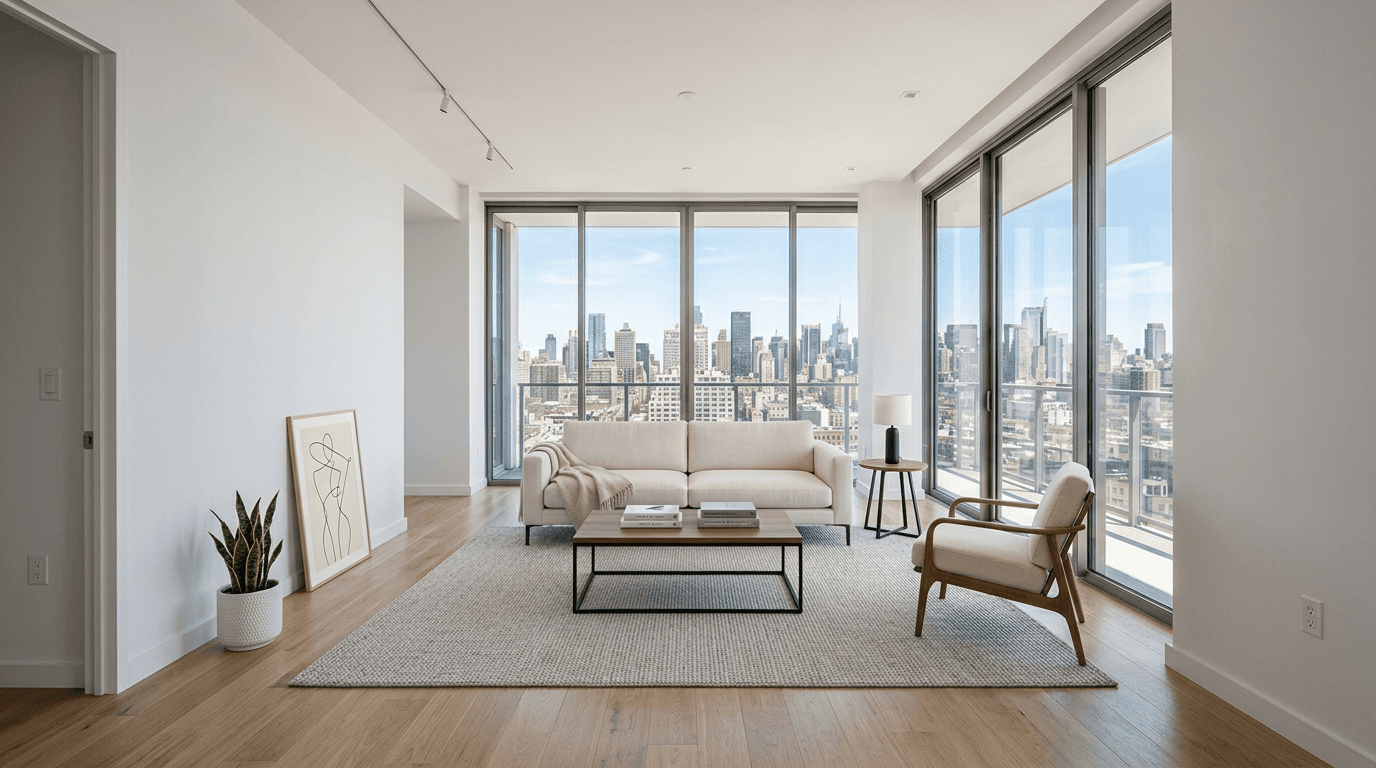
Destination wedding venue estate owners face a uniquely difficult marketing problem: your property may be beautiful in person, but online it often appears as a collection of under-furnished bedrooms, neutral lounges, and empty outdoor areas that fail to communicate the emotional experience couples are actually buying. In 2026, that gap between physical potential and digital presentation directly affects inquiry volume, perceived luxury, and the rates you can confidently command. Couples, planners, and family decision-makers are not simply evaluating square footage or architectural charm; they are trying to visualize a multi-day celebration, guest comfort, bridal preparation moments, welcome dinners, post-wedding brunches, and the seamless flow between lodging and events. When residential rooms look generic or vacant, the estate feels less like an immersive destination wedding venue and more like a private home that happens to be available. Virtual staging solves this by translating each space into a purpose-driven, emotionally resonant experience that shows buyers how the estate functions as a premium hospitality and event asset. The guide below explains exactly how to use virtual staging strategically, not decoratively, so your estate photographs convert attention into trust, trust into inquiries, and inquiries into higher-value bookings.
According to recent staging metrics by the National Association of Realtors (NAR), professionally staged properties can significantly increase sales speed and perceived value, accelerating the impact for your specific niche.
Step 1: Define the wedding experience narrative before you stage a single image
The biggest mistake estate owners make with virtual staging is treating it like an interior design exercise instead of a sales strategy. Before you commission any staged images, you need to determine the specific guest journey your estate is selling and then assign a role to every room, suite, terrace, lawn, and gathering area within that journey. Destination wedding buyers do not book estates because each individual room is attractive in isolation; they book because the property appears capable of hosting an elevated, cohesive, multi-day experience that feels effortless for the couple and memorable for guests. That means your bridal suite should not simply look tidy and luxurious, it should visually communicate readiness for hair and makeup, natural light for photography, and enough sophistication for intimate pre-ceremony moments. Guest bedrooms should suggest restful overnight accommodation for a close family or wedding party, not generic residential sleeping quarters. Lounges should imply welcome cocktails, indoor conversation zones, or rainy-day flexibility. Outdoor dining terraces should speak to rehearsal dinners, farewell brunches, or private chef experiences. To achieve this, start by identifying your ideal buyer profile, whether that is a luxury destination couple, a multi-generational family hosting a wedding weekend, or a planner seeking an exclusive-use estate. Then map your estate into marketable wedding functions and prioritize the spaces that most influence premium perception. Virtual staging becomes dramatically more effective when every image answers an unspoken buyer question: where does the bride get ready, where do guests stay, where do intimate moments happen, and how does this property feel over an entire event weekend rather than during a single ceremony hour.
Action Step
Create a room-by-room wedding experience map that assigns each major space a specific function in the guest journey before ordering any virtual staging.
Step 2: Choose staging concepts that match your venue positioning, pricing tier, and target clientele
Once you have defined the experience narrative, the next step is to develop virtual staging concepts that reflect the level of wedding business you want to attract rather than the level you are currently attracting. This distinction matters because staging is not neutral; it signals price point, brand identity, and operational expectations. If your estate is positioned as an upscale but relaxed destination venue, your staged imagery should feature refined furnishings, layered textures, and hospitality-driven styling that feels polished without becoming overly formal or editorially inaccessible. If you are targeting the luxury market, every staged room should communicate exclusivity, intentionality, and design confidence through cohesive palettes, premium materials, elegant lighting, and layouts that feel spacious rather than crowded. The visual language of your staging must also align with your geography, architecture, and wedding buyer psychology. A coastal estate should not be staged like a mountain lodge, and a historic compound should not be rendered with ultra-minimal furniture that strips away its character. More importantly, avoid staging every room identically. Buyers need variety with consistency: principal suites should feel aspirational, guest accommodations should feel comfortable and inviting, and common areas should feel capable of hosting social energy. In addition, think carefully about what should and should not be included. Subtle lifestyle cues, such as a styled sitting area for morning coffee, a dressing zone, or a refined dining setup, can help prospects imagine guest experience, but over-staging with distracting decor or unrealistic event scenes can erode trust. The goal is to bridge aspiration and credibility so that the finished images elevate your estate while still feeling attainable on arrival. Strong virtual staging does not merely beautify; it qualifies the right buyers by visually reinforcing the level of event investment your venue is built to support.
Action Step
Develop 2 to 3 staging style directions that match your estate’s architecture, local setting, and desired wedding pricing tier, then choose one consistent visual strategy.
Step 3: Prioritize the spaces and image angles that most influence booking decisions
Not every room deserves equal investment, and one of the smartest ways to maximize return from virtual staging is to identify the photographs that most strongly influence inquiry quality and conversion. Destination wedding buyers usually form their first impression in seconds, and they do so by scanning for emotional proof that your estate can host both beautiful events and comfortable stays. This means you should start with the images that answer the highest-stakes questions: where the couple will stay, how the wedding party will gather, what overnight guests will experience, and whether the estate feels expansive and functional enough to justify an exclusive-use booking. In practical terms, that often means prioritizing the bridal or primary suite, the best guest bedrooms, the main living room or salon, a dining room or breakfast space, and one or two transitional indoor-outdoor areas that suggest flow between accommodation and celebration. If your estate includes a pool terrace, courtyard, covered veranda, or garden-facing lounge, these can be particularly powerful because they convey destination lifestyle, which is often the deciding factor in premium venue selection. Equally important is angle selection. A poorly chosen angle can make a large suite feel cramped or obscure the very details that signal luxury, such as French doors, heritage ceilings, en-suite bathrooms, or access to private terraces. Work from high-resolution original photography with compositions that showcase depth, natural light, and room purpose. When done correctly, virtual staging should support spatial understanding, not hide limitations. By concentrating effort on a strategic shortlist of rooms and views, you create a persuasive visual sequence that leads buyers through the estate in the same order they would naturally evaluate it: emotional anchor spaces first, practical accommodation proof second, and ambiance-enhancing supplementary areas third.
Action Step
Select your top 8 to 12 listing photos based on booking impact, then rank them by how well they communicate luxury, guest comfort, and event-weekend functionality.
Step 4: Direct the virtual staging process with hospitality-level detail and conversion-focused feedback
Virtual staging quality depends as much on your creative direction as on the technical skill of the staging provider, which is why estate owners should approach the process with the same rigor they would use when briefing a luxury brand photographer or wedding planner. Simply sending empty room photos and asking for something elegant is not enough. You need to provide a clear brief for each image that explains who the room is for, how it supports the wedding weekend, and what emotional impression the final photo must create. For example, a primary suite may need to communicate calm, privacy, bridal preparation readiness, and upscale overnight accommodation all at once, while a family guest room may need to suggest warmth, practicality, and continuity with the estate’s overall design language. Specify your preferred color palette, furniture style, material quality, lighting mood, and degree of styling restraint. It is also wise to note any architectural features that must remain prominent, such as fireplaces, beams, balconies, stone walls, or original windows, because these are often key differentiators in the venue market. Once drafts are delivered, review them not as decoration but as conversion assets. Ask whether the room now clearly conveys purpose, whether the scale feels realistic, whether the furniture placement enhances flow, and whether the image supports the price positioning you want to own. Be ruthless about removing generic or trendy elements that could date quickly or clash with your region’s identity. In 2026, buyers are more visually literate than ever, and anything that looks artificial, overcrowded, or disconnected from the actual property can reduce trust. The best staged photos feel believable enough to set accurate expectations while polished enough to elevate desire. That balance only happens when owners give detailed feedback grounded in guest psychology, brand consistency, and booking intent.
Action Step
Write a detailed creative brief for each staged photo, then review drafts using realism, room purpose, and premium positioning as your three approval criteria.
Step 5: Deploy virtual staging across your full marketing funnel to raise perceived value and booking rates
Even exceptional virtual staging underperforms if it lives only inside a property gallery without a broader distribution strategy. To capture real commercial value, you need to deploy your staged imagery across every stage of the destination wedding buyer journey, from discovery to inquiry to final decision-making. Start with your website, where staged images should appear not just on gallery pages but within accommodation descriptions, wedding weekend experience pages, and sections that explain exclusive-use stays, guest capacity, and multi-day hosting possibilities. Each staged image should help answer a conversion question, such as whether the bridal party can spread out comfortably, whether parents or VIP guests have premium rooms, or whether indoor spaces support relaxed social moments outside the ceremony itself. On listing platforms and venue directories, use your strongest staged images to lead with differentiation, especially in categories where estates compete against boutique hotels, villas, and purpose-built venues. In social media marketing, pair staged visuals with storytelling captions about welcome dinners, bridal morning rituals, post-wedding breakfasts, and private guest experiences so prospects understand the function behind the beauty. Sales materials matter too: include staged images in brochures, planner PDFs, email follow-ups, and pitch decks for wedding professionals. Finally, measure performance. Track whether staged galleries increase time on page, improve inquiry quality, raise accommodation-related questions, or support higher pricing confidence during sales conversations. Virtual staging should not be treated as a cosmetic one-off but as a revenue-enabling asset that strengthens your venue’s perceived completeness. When buyers can clearly imagine how the estate hosts people, not just how it looks when empty, they become more comfortable paying premium rates for the full destination experience your property offers.
Action Step
Integrate your staged images into your website, venue listings, social content, and sales collateral, then track inquiry quality and pricing confidence over the next 90 days.
Explore More Resources
Conclusion
For destination wedding venue estate owners, virtual staging is far more than a visual upgrade; it is a strategic tool for translating a private residential property into a premium, bookable hospitality experience. When done correctly, it helps couples and planners understand not only what your estate looks like, but how it functions across an entire wedding weekend, from getting-ready moments to guest accommodation to intimate social gatherings. By defining a clear experience narrative, selecting staging styles aligned with your pricing and clientele, prioritizing the most influential rooms and image angles, managing the creative process with precision, and deploying the final visuals throughout your marketing funnel, you turn empty or generic spaces into persuasive sales assets. In a competitive 2026 market where online perception strongly shapes buyer decisions, virtual staging gives you a practical way to justify higher rates, improve inquiry quality, and present your estate as the immersive destination venue it was meant to be.
Ready to Stage Your First Room?
Join thousands of top real estate professionals who use AI Virtual Staging to instantly transform vacant photos into fully-furnished masterpieces in under 20 seconds.
Start Staging For FreeFrequently Asked Questions
Is virtual staging appropriate for a real destination wedding estate, or does it feel misleading to buyers?
Virtual staging is appropriate as long as it is used to illustrate realistic potential rather than fabricate features the estate does not have. For wedding venue estate owners, its purpose is to help couples and planners understand how residential rooms function as guest accommodations, bridal preparation areas, lounges, and hospitality spaces. The key is to keep layouts, proportions, architectural details, and room uses believable so the final images elevate understanding rather than create false expectations.
Which rooms should destination wedding venue owners stage first?
Start with the rooms that most directly affect premium perception and booking confidence: the primary or bridal suite, the best guest bedrooms, the main living or gathering room, a dining space, and any indoor-outdoor area that reinforces destination lifestyle. These spaces help buyers imagine where the couple stays, how guests are hosted, and whether the estate can support a multi-day wedding experience beyond the ceremony itself.
Can virtual staging help justify higher wedding venue pricing?
Yes. Higher pricing depends on perceived value, and perceived value is shaped by how clearly buyers can envision a complete, elevated experience. When empty rooms are transformed into sophisticated bridal suites, comfortable overnight accommodations, and elegant social spaces, the estate appears more organized, more luxurious, and more operationally ready for premium events. That improved perception can support stronger inquiries and more confident rate positioning.
How is virtual staging different from traditional home staging for estate venues?
Traditional home staging is usually designed to help residential buyers imagine living in the property. Virtual staging for destination wedding venue estates is different because it must communicate hospitality, event flow, guest experience, and multi-day functionality. Instead of simply making a room attractive, it should show how the estate supports getting ready, overnight hosting, family gathering, dining, and celebration in a way that aligns with your venue brand.
What mistakes should estate owners avoid when using virtual staging for wedding marketing?
The biggest mistakes are staging without a strategy, choosing decor that clashes with the estate’s architecture or target market, overfilling rooms, using unrealistic furniture scale, and presenting every room with the same generic luxury look. Another common error is treating staged images as gallery decoration rather than sales tools. The most effective results come from tying each image to a specific booking question and using the final visuals across websites, listings, and sales materials in a consistent, conversion-focused way.
Explore More Guides
Continue building your real estate expertise.
The Step-by-Step Guide to Virtual Staging for Senior Apartment Lease-Up Marketing Teams
An authoritative step-by-step guide for senior apartment lease-up marketing teams on using virtual staging to accelerate pre-leasing, help 55+ prospects visualize downsized living, and differentiate online listings in 2026.
The Step-by-Step Guide to Virtual Staging for Senior Cohousing Community Developers
An authoritative 2026 step-by-step guide for senior cohousing community developers on using virtual staging to pre-sell cohousing, communicate shared amenities and private residences, reduce buyer skepticism, and differentiate from traditional 55+ communities.
The Step-by-Step Guide to Virtual Staging for Yacht Club Residence Developers
An authoritative 2026 step-by-step guide for yacht club residence developers using virtual staging to market marina-adjacent homes, elevate waterfront branding, and convert affluent lifestyle buyers.
The Step-by-Step Guide to Virtual Staging for Married Student Housing Operators
An authoritative 2026 step-by-step guide for married student housing operators on using virtual staging to market graduate and family-oriented units, communicate comfort and practicality, and improve leasing performance.
The Step-by-Step Guide to Virtual Staging for HOA Board Condo Deconversion Consultants
An authoritative step-by-step guide for HOA board condo deconversion consultants on using virtual staging to visualize renovation upside, support bulk sale discussions, and help stakeholders understand before-and-after scenarios for units and common areas.
The Step-by-Step Guide to Virtual Staging for Residential Care Home Acquisition Brokers
An authoritative 2026 step-by-step guide for residential care home acquisition brokers on using virtual staging to market board-and-care and small residential care home properties with greater buyer confidence, clearer visual potential, and stronger perceived compliance.