
The Step-by-Step Guide to Virtual Staging for Luxury Retreat Center Real Estate Owners
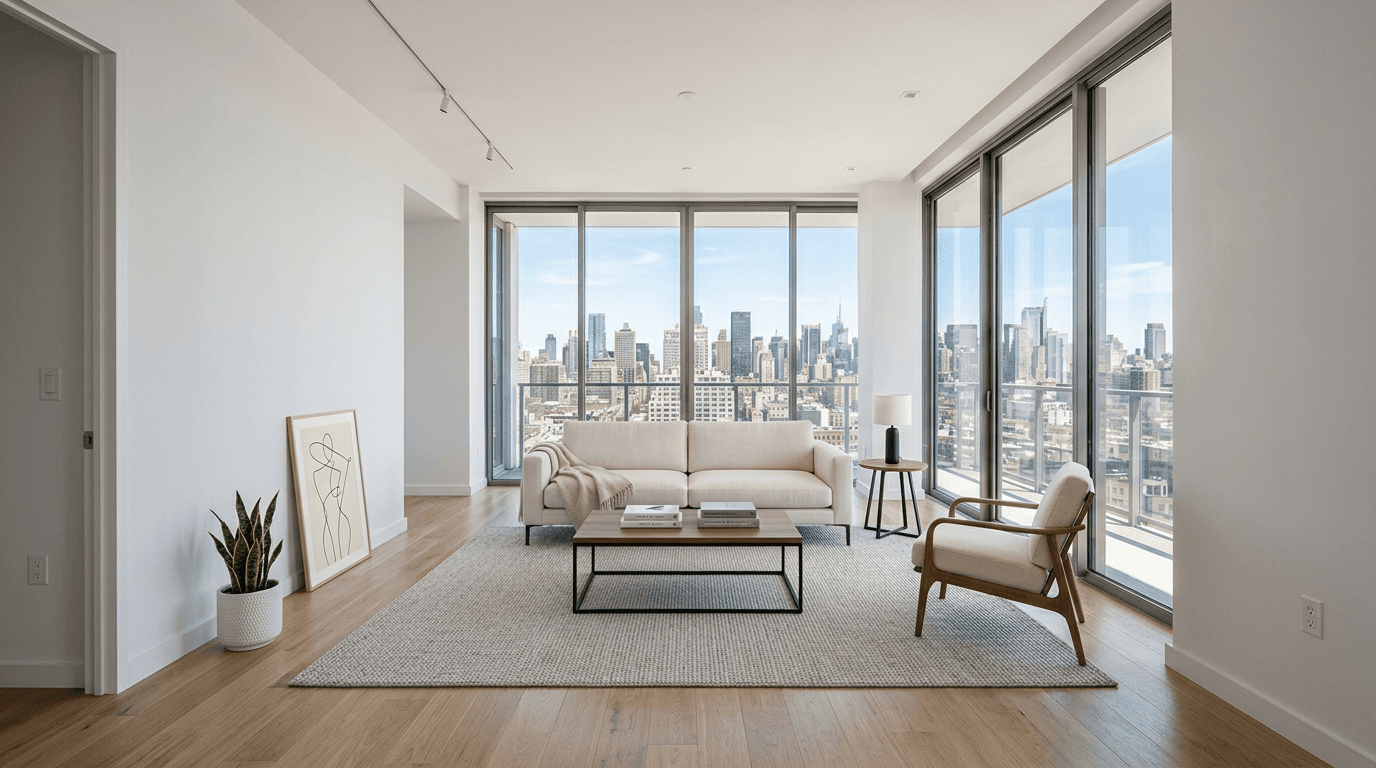
For luxury retreat center owners, standard property photography rarely captures what buyers, investors, and high-value guests are truly evaluating: emotional atmosphere, operational flexibility, and the promise of transformation. A serene meditation deck can look empty instead of transcendent, a high-end yoga pavilion can read as just another open room, and a sprawling estate with accommodations, ceremony lawns, dining spaces, and healing amenities can feel visually fragmented rather than intentionally curated. In 2026, virtual staging has become one of the most effective tools for solving that gap because it allows retreat owners to communicate not just what a property is, but what it can become in the mind of a prospective guest, corporate wellness planner, hospitality investor, or estate buyer. When used strategically, it helps express exclusivity without excess, demonstrates multiple revenue-generating use cases, and creates a visual narrative around serenity, privacy, wellness, and elevated experience. This guide is designed specifically for owners of upscale wellness, yoga, and spiritual retreat properties who need to market stays, events, or full-property acquisitions with greater clarity and authority. You will learn how to use virtual staging to highlight experiential value, present multi-functional spaces with precision, and position your retreat as a premium asset rather than just another beautiful property with difficult-to-explain potential.
According to recent staging metrics by the National Association of Realtors (NAR), professionally staged properties can significantly increase sales speed and perceived value, accelerating the impact for your specific niche.
Step 1: Define the commercial story your retreat property must tell before staging a single image
The most common mistake luxury retreat owners make with virtual staging is treating it as decoration rather than strategy. Before any rendering work begins, you need to decide what the property is being asked to sell and to whom, because the visual story for a boutique wellness stay is not the same as the story for a profitable event venue, a luxury hospitality acquisition, or a private estate suitable for transformational programming. A sophisticated retreat property often contains multiple environments, including guest suites, communal dining areas, yoga shalas, treatment rooms, gardens, plunge pools, ceremonial spaces, trails, and quiet contemplative zones. If these spaces are staged without a clear commercial narrative, the listing becomes visually attractive but strategically diluted. The right approach is to identify your highest-value buyer or booking segments first and then align every image with their expectations. For example, an investor evaluating estate acquisition wants proof of operational versatility, guest flow, and premium positioning, while a wellness traveler may respond more strongly to emotional calm, tactile luxury, and restorative privacy. Likewise, a corporate offsite planner will care about community gathering, breakout experiences, and event readiness. By defining your core audiences and ranking your revenue goals, you can determine whether each image should communicate intimacy, scale, profitability, exclusivity, or programmability. This planning stage also helps avoid inconsistent aesthetics that undermine trust, such as mixing ultra-minimal spiritual styling with resort-like opulence in ways that confuse the market. In practice, your visual plan should map each space to a business objective, an audience intent, and a desired emotional response, ensuring that virtual staging serves as a conversion tool rather than a cosmetic afterthought.
Action Step
List your top three buyer or booking audiences and assign each key space on the property a specific marketing purpose before requesting any virtual staging.
Step 2: Select the spaces and use cases that best demonstrate serenity, exclusivity, and multi-revenue potential
Once your positioning is clear, the next step is choosing which spaces deserve virtual staging and which functions they should illustrate. Luxury retreat properties often have more visual complexity than conventional residential or hospitality listings because value is distributed across experience zones rather than concentrated in obvious rooms alone. A standard real estate gallery might prioritize bedrooms, kitchens, and exterior beauty shots, but for retreat center marketing, the highest-converting images often include the meditation lawn at sunrise, the ceremonial fire circle prepared for an intimate evening gathering, the yoga studio arranged for a private immersion, the dining terrace styled for a chef-led wellness supper, or the spa suite framed as a premium healing environment. The goal is not simply to show more spaces, but to show the spaces that translate directly into high-value use cases. Virtual staging becomes especially powerful when a single area can support several narratives, such as a pavilion that can be shown as a yoga studio, an executive strategy circle, or a sound healing venue, depending on your target market. This is where owners can visually solve one of their biggest pain points: helping viewers understand how the property functions as a complete retreat ecosystem rather than a collection of elegant but disconnected amenities. You should also identify spaces that currently photograph as underwhelming despite having strong experiential value. Empty lawns, terraces, reception spaces, and transitional indoor-outdoor areas often look undefined in raw photography, yet these are precisely the spaces where bookings and acquisitions are won when buyers can imagine ceremonies, workshops, wellness rituals, or private group experiences taking place. Careful space selection ensures your staged portfolio highlights emotional atmosphere and operational utility at the same time, which is essential for commanding premium pricing in the luxury retreat category.
Action Step
Choose 8 to 12 images that best represent your retreat’s highest-value experiences and assign each one a specific use case, such as wellness stay, event, group retreat, or estate acquisition.
Step 3: Build a luxury visual direction that feels aspirational, authentic, and brand-consistent
The quality of your virtual staging will depend less on technical rendering alone and more on whether the final imagery reflects a believable luxury retreat identity. High-end retreat buyers are exceptionally sensitive to visual inconsistency because they are not just purchasing square footage or accommodations; they are purchasing a philosophy of place. That means your staging direction should express a coherent blend of design language, guest expectation, and regional authenticity. A wellness estate in Bali-inspired tropical surroundings should not be staged like a desert minimalism concept in Arizona, and a sacred mountain sanctuary should not suddenly look like a generic five-star resort with transactional hospitality cues. To create the right visual direction, establish a clear staging brief that covers materials, palette, styling density, furniture scale, and emotional mood. For luxury retreat centers, the strongest compositions usually emphasize refined natural textures, restrained elegance, thoughtful openness, and human-centered layouts that imply calm rather than clutter. Linen, warm woods, stone, artisanal accents, soft neutrals, intentional greenery, and understated ceremonial details often communicate premium wellness more effectively than overly glossy decor. At the same time, your imagery must remain credible to the actual architecture. If the virtual additions feel too expensive, too urban, too trendy, or physically unrealistic for the dimensions and finishes of the room, sophisticated buyers will sense misrepresentation immediately. You should also decide how much human implication to include. For example, a tea service set after meditation, neatly arranged mats in a sunlit practice room, or an elegantly styled long-table dinner scene can suggest experience without relying on literal people in the image. This preserves serenity while still creating narrative energy. Ultimately, the best virtual staging for retreat centers does not shout luxury; it conveys confidence, emotional intelligence, and effortless curation, reinforcing your brand across every touchpoint from listing galleries to investor decks and retreat sales pages.
Action Step
Create a written staging brief with your brand palette, materials, mood words, audience expectations, and non-negotiable realism standards before approving any design concepts.
Step 4: Use virtual staging to communicate transformation, not just appearance, across listings and sales channels
Virtual staging delivers the greatest return when it is used to show the before-and-after promise of the property experience rather than merely making rooms look furnished. For retreat center owners, this means every staged image should answer a deeper question for the viewer: what kind of transformation happens here, and for whom? A luxury wellness property is fundamentally experiential, so your visuals must bridge the gap between architecture and outcome. Instead of simply staging a guest suite as beautiful, stage it to suggest restoration, privacy, and elevated comfort. Instead of showing a lawn as empty and scenic, present it as an intentional ceremony or gathering environment that signals event capability and emotional resonance. Instead of treating a communal dining area as another hospitality feature, frame it as a setting for nourishing connection, chef-led retreats, or high-end private group experiences. This narrative approach is particularly valuable when marketing across multiple channels because each platform attracts different forms of intent. A property listing for acquisition should emphasize breadth, adaptability, and premium infrastructure. A retreat booking page should lean into emotional immersion and sensory calm. A venue sales brochure for weddings or executive wellness gatherings should show flow, ambience, and service-ready elegance. By repurposing staged visuals strategically, you can maintain one core brand identity while tailoring the sales message to different audiences. It is also wise to pair staged images with plain-language captions that clarify intended use, such as “configured for intimate sound healing sessions” or “illustrating open-air executive wellness dinners for up to 24 guests.” This reduces ambiguity and ensures the visual imagination you create translates directly into commercial understanding. When done correctly, virtual staging becomes a storytelling system that helps prospects see not just a retreat center, but a high-value destination with memorable experiences and scalable revenue possibilities.
Action Step
Match each staged image to one sales channel and one transformation message so your visuals consistently support bookings, events, or acquisition conversations.
Step 5: Protect trust and maximize ROI by implementing staging ethically, measuring performance, and updating imagery over time
In the luxury retreat market, credibility is as valuable as aesthetics, so your final step is building a process that protects trust while ensuring your virtual staging actually improves business outcomes. Ethical use begins with accuracy. Your staged images should represent real scale, true layout possibilities, and plausible furnishing arrangements based on the property’s architecture and operational use. Overstaging spaces with unrealistic furniture counts, misleading event setups, or amenities that cannot actually be supported may generate initial attention but will damage confidence during inquiries, site visits, and due diligence. Transparency matters, especially when dealing with affluent guests, planners, and investors who expect polished marketing but also precise representation. Depending on the platform, clearly label images as virtually staged where appropriate and maintain unstaged originals for reference in the sales process. Beyond ethics, you should treat virtual staging as a measurable marketing asset. Track whether staged galleries improve click-through rates, inquiry quality, booking conversion, investor engagement, time on page, or social shares compared with unstaged imagery. For event-driven retreat businesses, also evaluate whether certain staged use cases, such as wellness dinners, yoga immersions, or private ceremonies, generate stronger demand than others. These insights help you refine future visuals around the most commercially effective narratives. It is equally important to update imagery as your business evolves. If you reposition from a spiritual immersion destination to a luxury wellness buyout estate, or if you add new amenities such as hydrotherapy, treatment suites, or expanded dining infrastructure, your staged content should reflect that shift immediately. In 2026, premium buyers expect visual alignment between website, listing portals, brochures, and direct outreach. A disciplined staging system keeps your property current, trusted, and competitively differentiated while turning static imagery into an ongoing sales advantage.
Action Step
Review your staged images for realism, disclosure, and conversion impact, then set a quarterly process to update visuals based on market response and business repositioning.
Explore More Resources
Conclusion
Virtual staging is no longer just a cosmetic enhancement for retreat center marketing; it is a strategic tool for translating atmosphere, versatility, and premium value into imagery that drives action. For luxury retreat center owners, the real opportunity lies in using staged visuals to connect emotional appeal with commercial clarity, showing not only how beautiful the property is, but how effectively it serves wellness stays, transformational events, private group experiences, and high-value estate acquisition scenarios. By defining your audience, selecting the right spaces, establishing an authentic luxury design direction, building transformation-driven visual narratives, and measuring performance with discipline, you can turn static photographs into persuasive assets that elevate both perception and revenue potential. In a market where serenity must be felt before it is ever experienced in person, expertly planned virtual staging helps your retreat stand apart as a place of meaning, exclusivity, and enduring investment value.
Ready to Stage Your First Room?
Join thousands of top real estate professionals who use AI Virtual Staging to instantly transform vacant photos into fully-furnished masterpieces in under 20 seconds.
Start Staging For FreeFrequently Asked Questions
What makes virtual staging especially valuable for luxury retreat center real estate owners?
Luxury retreat properties are often difficult to market through raw photography because their value is experiential, not purely structural. Virtual staging helps owners communicate serenity, exclusivity, event readiness, and multi-use flexibility so buyers, guests, and investors can immediately understand how the property functions and why it commands a premium.
Can virtual staging help market both overnight stays and full estate acquisitions?
Yes. One of the strongest advantages of virtual staging is that it can present the same property through different commercial narratives. A guest suite can be staged for restorative stays, while communal and outdoor areas can be staged to illustrate retreat programming, private events, or operational scalability for investors considering a full acquisition.
How do I avoid making a retreat property look overdesigned or inauthentic?
Begin with a clear brand and architectural brief, then stage with restraint. The most effective retreat visuals use natural materials, emotionally calm styling, and believable layouts that align with the actual region, audience, and property finishes. Authenticity matters more than trendiness in the luxury wellness market.
Should virtually staged retreat images be disclosed as staged?
Yes, especially when required by listing platforms or when used in formal sales materials. Disclosure protects trust and sets accurate expectations. Luxury buyers and planners appreciate elevated presentation, but they also expect transparency, realism, and the ability to review unstaged images when evaluating the property seriously.
How many virtually staged images should a retreat center typically use?
There is no universal number, but most luxury retreat owners benefit from staging the core spaces that drive value perception and decision-making. That usually includes key accommodations, signature wellness or ceremonial spaces, communal dining areas, and at least a few outdoor environments that demonstrate privacy, atmosphere, and event potential.
Explore More Guides
Continue building your real estate expertise.
The Step-by-Step Guide to Virtual Staging for Luxury Spec Home Marketing Agencies
An authoritative 2026 step-by-step guide for luxury spec home marketing agencies on using virtual staging to market vacant multimillion-dollar homes faster, elevate online presentation, reduce time on market, and support premium pricing with aspirational imagery.
The Step-by-Step Guide to Virtual Staging for Tenant Improvement Commercial Condo Brokers
An authoritative 2026 step-by-step guide for tenant improvement commercial condo brokers on using virtual staging to market shell or dated office condos to owner-users, showcase business-specific layouts, and generate demand faster without full architectural renderings.
The Step-by-Step Guide to Virtual Staging for Accessory Dwelling Unit (ADU) Builders
An authoritative 2026 step-by-step guide for ADU builders on using virtual staging to market detached backyard homes, garage conversions, and compact accessory dwelling units with stronger visuals, better buyer understanding, and more qualified leads.
The Step-by-Step Guide to Virtual Staging for Sober Living Home Operators
An authoritative 2026 step-by-step guide for sober living home operators on using virtual staging to improve occupancy, reduce stigma, and present residences with safety, dignity, comfort, and professionalism.
The Step-by-Step Guide to Virtual Staging for Luxury Home Lease-Up Brokerages
An authoritative 2026 step-by-step guide to using virtual staging for luxury home lease-up brokerages, covering strategy, design standards, marketing execution, compliance, and performance optimization to lease high-end homes faster at premium rates.
The Step-by-Step Guide to Virtual Staging for Suburban Medical Condo Investment Brokers
An authoritative 2026 step-by-step guide for suburban medical condo investment brokers on using virtual staging to market medical office condos to owner-users and investors, demonstrate healthcare readiness, reduce buyer uncertainty, and improve listing performance.