
The Step-by-Step Guide to Virtual Staging for Luxury Home Lease-Up Brokerages
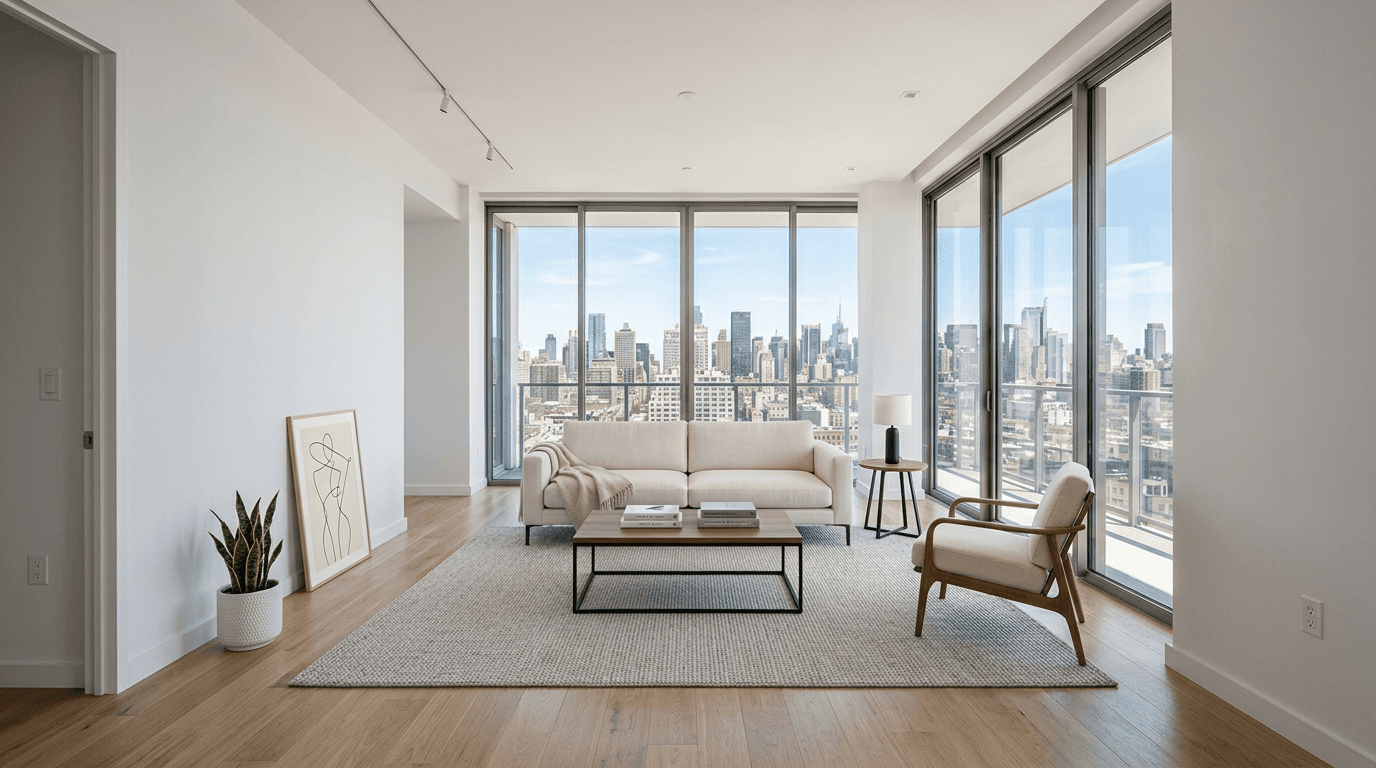
For luxury home lease-up brokerages, virtual staging is no longer a cosmetic add-on; it is a revenue-protecting marketing system that directly influences perceived value, leasing velocity, and owner confidence. In the high-end rental segment, vacant rooms rarely read as refined, expansive, or emotionally compelling online. Instead, they often photograph as cold, scale-less, and unfinished, even when the architecture is exceptional. That disconnect creates an immediate pricing problem: prospective tenants hesitate to emotionally commit, homeowners question the brokerage’s presentation standards, and listings that should command premium annual or seasonal rates lose momentum in the first critical days on market. In 2026, when affluent renters are comparing homes quickly across polished digital platforms, luxury brokerages need imagery that conveys lifestyle, proportion, and purpose with absolute precision. Virtual staging solves that challenge when it is executed strategically, not generically. The most effective brokerages use it to frame each room around a specific renter profile, preserve architectural integrity, support premium pricing narratives, and accelerate decision-making without the delays and logistics of physical staging. This guide walks luxury lease-up teams through a step-by-step process to use virtual staging as a disciplined leasing tool that enhances presentation, strengthens owner communication, and helps high-value homes lease faster and closer to asking terms.
According to recent staging metrics by the National Association of Realtors (NAR), professionally staged properties can significantly increase sales speed and perceived value, accelerating the impact for your specific niche.
Step 1: Build a leasing-first virtual staging strategy before any images are edited
The most common mistake luxury lease-up brokerages make with virtual staging is treating it as a visual rescue tactic rather than a strategic leasing decision. Before a designer places a single digital sofa or light fixture, the brokerage needs to define exactly who the property is meant to attract, what rate the home should justify, and how the imagery must support that pricing position. A luxury estate offered for a seasonal executive stay should not be staged the same way as a minimalist annual lease in a gated golf community or a furnished waterfront residence targeting relocation clients. Every staging decision must begin with renter psychology. Ask what an ideal lessee needs to feel within the first five seconds of seeing the listing: privacy, sophistication, family functionality, hotel-like comfort, work-from-home capability, or resort-style ease. Then map those emotional triggers to the home’s strongest visual assets, such as double-height ceilings, indoor-outdoor living, formal entertaining spaces, spa-grade primary suites, or detached guest accommodations. This strategic foundation prevents generic imagery that looks expensive but fails to communicate a coherent lifestyle. It also protects credibility with homeowners, because luxury clients expect intentional marketing choices tied to real business outcomes, not decorative guesswork. At this stage, brokerages should also decide which rooms truly require staging support and which should remain untouched to preserve authenticity. In many luxury rentals, the right sequence may include a virtually staged great room, primary bedroom, media room, office, and outdoor lounge, while leaving specialty spaces like wine rooms, gyms, or bespoke libraries minimally edited. By creating a room-by-room plan aligned with target tenant profile, lease term, and rate strategy, the brokerage ensures virtual staging becomes a persuasive leasing framework rather than a superficial visual enhancement.
Action Step
Create a staging brief for each listing that defines target renter profile, lease term, pricing objective, key lifestyle selling points, and the exact rooms that should be virtually staged.
Step 2: Start with premium photography and architectural accuracy so staging enhances, rather than distorts, the home
Virtual staging can only elevate a luxury listing if the source photography is strong enough to carry the sophistication of the property. In the lease-up space, especially at the high end, poor photography cannot be fixed by expensive digital furniture. If the images are shot at awkward angles, overexposed, underlit, or fail to capture scale, the final result will still feel artificial, and affluent renters will notice immediately. Luxury homes require photography that respects architecture first and decoration second. That means shooting with clean vertical lines, balanced natural light, truthful color temperature, and compositions that emphasize flow, volume, window lines, and signature design details. Brokerages should prioritize images that answer practical tenant questions visually: How does the living room connect to the terrace? Can the dining room support formal entertaining? Is the primary suite private and substantial enough for a luxury renter’s expectations? Does the office feel executive-grade? Once the photography is correct, virtual staging should be layered with restraint and architectural fidelity. Furnishings must fit the dimensions of the room, reflect realistic circulation paths, and complement the home’s style, whether that is transitional, coastal contemporary, classic European, mountain modern, or ultra-minimalist. In luxury leasing, staging that is too trendy, oversized, or visually busy can actually diminish the asset by distracting from millwork, stonework, ceiling detail, or view orientation. Accuracy matters because sophisticated prospects are quick to reject anything that feels misleading, and brokers cannot afford in-person disappointment after a strong online first impression. Brokerages should therefore use vendors who understand proportion, premium interior styles, and listing compliance standards, and who can preserve permanent features exactly as they exist. When virtual staging honors both the architecture and the lived experience of the space, it reinforces trust while helping the property read as warm, aspirational, and immediately lease-ready.
Action Step
Commission high-end listing photography first, then select a virtual staging provider that can match room scale, architectural style, and realistic tenant use without misrepresenting fixed features.
Step 3: Stage each key room to tell a luxury renter story that supports premium lease rates
In luxury rental marketing, rooms should never be staged merely to avoid emptiness; they should be staged to communicate a complete and believable lease-value narrative. The brokerage’s goal is to help a prospect see not just where furniture could go, but how life at this property would feel on an annual or seasonal basis. That distinction is what allows virtual staging to support premium asking rents. A great room, for example, should communicate both elegance and usability, showing seating arrangements that imply sophisticated entertaining without making the space feel like a hotel lobby. A primary bedroom should project quiet retreat, scale, and comfort, while an office should answer the modern executive renter’s expectation that a home can support private, polished work. In family-oriented luxury homes, secondary bedrooms may need subtle staging to show flexibility for children, guests, or live-in staff, but the design language should remain cohesive and elevated. Outdoor spaces deserve particular attention in 2026 because affluent renters increasingly evaluate homes by lifestyle utility rather than square footage alone. A virtually staged terrace, poolside lounge, covered loggia, or dining pavilion can become the emotional centerpiece of the listing if it is styled to reflect climate, geography, and the likely leasing audience. The key is curation. Every room should support a broader story about the tenant the property is designed for, whether that is a relocating CEO, a diplomatic family, a seasonal resident, or a high-net-worth couple seeking privacy and turnkey comfort. This is also where brokerages can subtly justify rate positioning: when the imagery shows functionality, elegance, and continuity across the home, prospects are more likely to perceive the lease price as supported by lifestyle value rather than just raw dimensions. Effective virtual staging therefore translates architecture into aspiration, making the home feel complete, purposeful, and worth immediate inquiry.
Action Step
Select 5 to 7 focal spaces and define the specific luxury lifestyle story each room should communicate to reinforce the target lease rate and tenant profile.
Step 4: Use virtual staging transparently across every marketing channel to increase inquiries without damaging trust
Once the virtual staging is complete, the brokerage’s next job is to deploy it intelligently and transparently across the full leasing funnel. In luxury leasing, trust is inseparable from performance. A beautifully staged image can drive more clicks, more saved listings, and more showing requests, but if prospects feel misled at any stage, momentum disappears and the brokerage’s brand suffers. That is why the best lease-up teams treat disclosure as a mark of professionalism, not a limitation. Virtually staged images should be clearly labeled in accordance with platform rules, local advertising expectations, and brokerage policy, while unstaged or alternate views should also be available where appropriate to preserve clarity. This balanced approach reassures both homeowners and prospects that the brokerage is elevating presentation responsibly rather than manufacturing a false experience. Channel strategy matters as well. On listing portals, the first image sequence should create emotional entry with the strongest staged living areas, primary suite, and outdoor lifestyle space, followed by accurate unstaged images and detail shots that confirm the home’s quality. On brokerage websites, email campaigns, private client presentations, and agent-to-agent marketing, virtual staging can be even more powerful when paired with concise copy explaining room use, furnishing vision, and lease flexibility. Social media and paid campaigns should emphasize transformation and lifestyle, especially if the listing was previously vacant and underperforming, but the messaging should remain polished and understated to match luxury brand standards. Internally, brokerages should also use the staged package in owner reporting to demonstrate proactive marketing sophistication and justify strategic recommendations on pricing or relaunch timing. In short, virtual staging is most effective when it is not confined to one listing photo set, but instead integrated into a broader narrative across portals, presentations, retargeting, and prospect conversations. When handled with transparency and consistency, it enhances perceived value while strengthening confidence in the brokerage’s process.
Action Step
Publish virtually staged images with clear disclosure, pair them with supporting unstaged visuals, and distribute the full image package consistently across listing portals, owner updates, email campaigns, and social media.
Step 5: Measure leasing performance and refine your virtual staging system into a repeatable brokerage advantage
For luxury home lease-up brokerages, the real value of virtual staging is unlocked when it becomes a measured, repeatable operating advantage rather than a one-off creative service. After a staged listing goes live, brokerages should track whether the enhanced presentation is actually improving business outcomes. This analysis should include practical leasing metrics such as days on market, showing volume, inquiry quality, lead-to-tour conversion rate, application speed, and negotiation strength relative to asking rent. It should also include softer but important indicators, such as homeowner satisfaction, agent confidence during listing presentations, and prospect feedback on room usability and overall impression. In 2026, where premium tenants often make shortlists quickly based on digital presentation, even modest gains in click-through rate or first-week inquiry volume can materially impact lease timing and pricing leverage. Brokerages should compare staged versus unstaged performance across similar property types, neighborhoods, and lease structures to identify patterns. They may discover, for instance, that virtually staged home offices dramatically improve engagement for executive rentals, or that outdoor staging has an outsized effect on seasonal inventory. Those insights should then shape future listing packages, vendor standards, and internal best practices. Just as importantly, brokerages need a post-campaign review process to determine what did not work. If a listing received traffic but weak showing conversion, the issue may have been over-styled imagery, poor room selection, or a mismatch between staging aesthetic and target tenant expectations. The goal is continuous refinement. Over time, a brokerage that documents successful room types, design approaches, disclosure language, turnaround benchmarks, and ROI patterns can build a branded virtual staging methodology that differentiates it from competitors. That system not only helps lease luxury homes faster, but also becomes a persuasive tool in winning future owner assignments by proving that the brokerage has a disciplined, data-backed approach to premium presentation.
Action Step
Track inquiry, showing, lease timing, and pricing results for each virtually staged listing, then turn the highest-performing patterns into a formal brokerage playbook.
Explore More Resources
Conclusion
Virtual staging is most powerful for luxury home lease-up brokerages when it is approached as a strategic leasing framework rather than a decorative afterthought. High-end rentals depend on emotional resonance, spatial clarity, and polished presentation from the very first online impression, especially when homes are vacant and homeowners expect premium representation. By defining a leasing strategy before editing begins, using high-quality photography, staging rooms around a precise renter narrative, distributing images transparently across every marketing channel, and measuring performance rigorously, brokerages can use virtual staging to strengthen perceived value, support top lease rates, reduce time on market, and improve owner confidence. In a luxury rental environment where digital presentation often determines whether a prospect inquires at all, a disciplined virtual staging process is not simply a marketing enhancement; it is a competitive advantage.
Ready to Stage Your First Room?
Join thousands of top real estate professionals who use AI Virtual Staging to instantly transform vacant photos into fully-furnished masterpieces in under 20 seconds.
Start Staging For FreeFrequently Asked Questions
Is virtual staging appropriate for ultra-luxury rentals, or does it feel too artificial for discerning tenants?
It is appropriate when executed with restraint, architectural accuracy, and clear disclosure. Affluent tenants are not rejecting virtual staging itself; they are rejecting imagery that feels generic, misleading, or inconsistent with the actual property. In ultra-luxury rentals, virtual staging works best when it highlights scale, defines room purpose, and supports a credible lifestyle narrative without obscuring permanent features or exaggerating dimensions.
Which rooms should luxury lease-up brokerages prioritize for virtual staging?
The highest-priority rooms are usually the great room or main living area, primary bedroom, dining area, office, and key outdoor entertaining spaces. These spaces most directly influence emotional response and help justify premium lease rates. The ideal selection depends on the target tenant profile, lease term, and the home’s strongest differentiators.
Should brokerages include both staged and unstaged images in a luxury rental listing?
Yes. Including both staged and unstaged images is often the best practice because it combines aspirational presentation with transparency. The staged images help prospects visualize the home’s potential and intended use, while unstaged views confirm authenticity and reduce the risk of disappointment during showings.
How quickly can virtual staging be implemented for a luxury lease listing?
Once professional photography is complete, many virtual staging projects can be turned around within a few business days, depending on the number of rooms and revision requirements. For brokerages managing time-sensitive lease-ups, this makes virtual staging significantly faster and more scalable than coordinating physical staging, especially for vacant estates or seasonal inventory.
Can virtual staging really help justify higher rental rates?
Yes, because premium rates are supported by perceived lifestyle value as much as by square footage or location. When virtual staging helps a prospect understand how the home lives, entertains, works, and relaxes, the listing feels more complete and more aligned with luxury expectations. That stronger first impression can improve inquiry quality, reduce hesitation, and support firmer pricing discussions.
Explore More Guides
Continue building your real estate expertise.
The Step-by-Step Guide to Virtual Staging for Infill Bungalow Court Developers
An authoritative step-by-step guide for infill bungalow court developers on using virtual staging to educate buyers, showcase compact homes, and position communal courtyards as premium lifestyle amenities in 2026.
The Step-by-Step Guide to Virtual Staging for Forensic Stigma Property Repositioning Brokerages
An authoritative 2026 step-by-step guide for brokerages using virtual staging to reposition forensic stigma properties, reduce buyer hesitation, rebuild emotional appeal, and market homes impacted by crime, suicide, biohazard history, or severe negative perception.
The Step-by-Step Guide to Virtual Staging for Estate Sale Realtors for Heir-Occupied Homes
An authoritative 2026 step-by-step guide for estate sale realtors using virtual staging to market heir-occupied inherited homes filled with furniture, personal items, and decades of clutter. Learn how to prepare photos, manage family expectations, choose the right rooms, use compliant listing language, and help buyers see value without requiring costly physical staging.
The Step-by-Step Guide to Virtual Staging for Small-Format Boutique Apartment Developers
An authoritative step-by-step guide for small-format boutique apartment developers on using virtual staging to accelerate lease-up, elevate perceived value, and market compact units effectively in 2026 without institutional-level budgets.
The Step-by-Step Guide to Virtual Staging for Residential Treatment Campus Marketing Teams
An authoritative 2026 step-by-step guide for residential treatment campus marketing teams on using virtual staging to present behavioral health, recovery, and therapeutic environments with warmth, credibility, and sensitivity.
The Step-by-Step Guide to Virtual Staging for Urban Infill Duplex Sellout Marketing Teams
An authoritative 2026 step-by-step guide for urban infill duplex sellout marketing teams on using virtual staging to differentiate near-identical units, make compact floor plans feel purposeful, communicate neighborhood lifestyle, and improve online merchandising for faster absorption.