
The Step-by-Step Guide to Virtual Staging for Luxury Home Builder Spec Suite Merchandisers
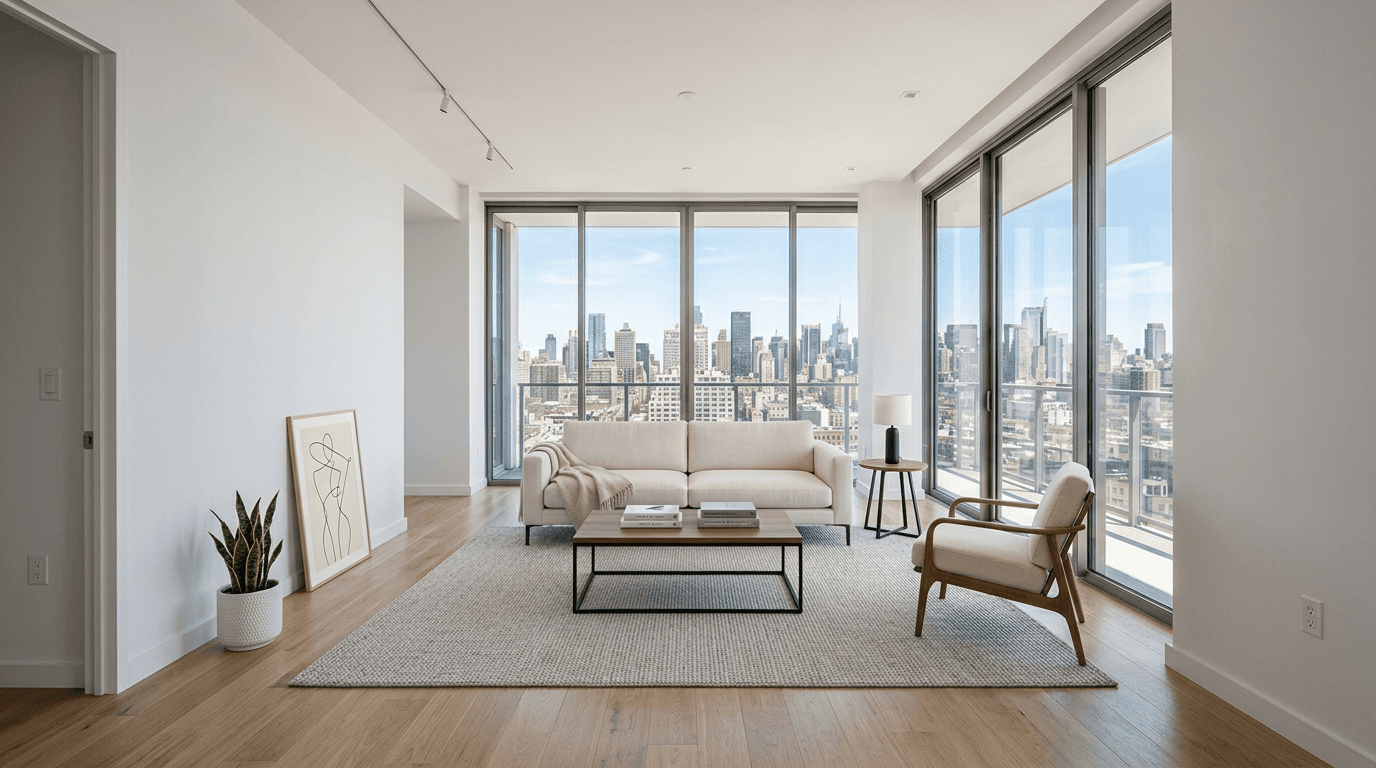
For luxury home builder spec suite merchandisers, vacant inventory is rarely just an aesthetic problem; it is a sales velocity problem, a pricing perception problem, and ultimately a margin protection problem. In 2026, buyers begin forming opinions from images long before they schedule a showing, and when a premium spec home appears empty online, even extraordinary architecture can read as cold, oversized, and emotionally disconnected. Large great rooms lose their sense of intimacy, secondary spaces become ambiguous, and high-end details such as wide-plank flooring, bespoke millwork, designer lighting, stone selections, and indoor-outdoor transitions fail to receive the visual context they need to justify premium pricing. Meanwhile, every unsold day compounds carrying costs, increases pressure on sales teams, and weakens the merchandising story that should help buyers immediately understand how the home lives. Virtual staging, when executed strategically rather than decoratively, gives builders a scalable way to merchandise room purpose, reinforce the value of expensive finish packages, and create aspirational but believable imagery that helps prospects connect emotionally without misrepresenting the product. The guide below outlines a disciplined five-step process for using virtual staging to turn vacant luxury spec homes into persuasive visual assets that accelerate buyer confidence and support stronger market performance.
According to recent staging metrics by the National Association of Realtors (NAR), professionally staged properties can significantly increase sales speed and perceived value, accelerating the impact for your specific niche.
Step 1: Start with a merchandising strategy built around buyer psychology, not just attractive furniture
The most successful virtual staging campaigns for luxury builder inventory begin long before a rendering artist places a sofa in a great room. They begin with a clear merchandising strategy rooted in how your most likely buyer segment evaluates a premium spec home online and in person. For custom and semi-custom builders, the objective is not merely to make empty rooms look furnished; it is to direct attention toward the lifestyle promise of the home while clarifying room function and amplifying the perceived value of the finishes already installed. That means identifying the likely buyer profile for the property, whether that is an executive relocating for work, a move-up family seeking turnkey luxury, an active adult downsizing without compromising quality, or a multigenerational household needing flexibility. Each audience responds to different visual cues. A vacant flex room creates uncertainty, but a well-merchandised private study, media lounge, or guest retreat eliminates hesitation and makes the floor plan feel intentional. Equally important, you need to decide which premium architectural moments deserve visual reinforcement, such as a dramatic ceiling treatment, a chef’s kitchen with integrated appliances, a spa-like primary suite, or a covered outdoor living area. Virtual staging should frame these assets, not compete with them. By building a room-by-room narrative before any images are edited, spec suite merchandisers can ensure that the staging serves sales objectives, supports pricing, and helps buyers envision the home as complete rather than unfinished.
Action Step
Create a room-by-room merchandising brief that defines the likely buyer, the intended function of each space, and the premium finishes or architectural features each virtual stage must highlight.
Step 2: Capture photography that preserves scale, light, and finish accuracy before any staging is added
Virtual staging can only perform as well as the underlying photography, and this is where many builder marketing teams undermine otherwise excellent homes. Luxury properties depend on visual credibility, so the source images must communicate scale, natural light quality, craftsmanship, and material authenticity with precision. If the photos are poorly composed, too dark, overly wide, or inconsistent in color balance, the staged result will feel synthetic and will fail to persuade discerning buyers who expect polish. Begin with professional photography planned specifically for staging, not generic vacant-home coverage. The photographer should shoot from angles that allow furniture placement to define the room without obscuring focal points such as fireplaces, window walls, coffered ceilings, statement islands, or custom built-ins. Vertical lines should remain true so the architecture reads premium rather than distorted. Exposure should preserve both shadow detail and bright window areas so flooring, paint tones, stone surfaces, and millwork appear accurate. This matters especially in luxury inventory, where finish packages are often key differentiators and buyers compare listings closely. It is also wise to capture multiple vantages for major spaces, because some images will function better for website galleries while others are ideal for social ads, print brochures, paid campaigns, or listing syndication. Exterior-adjacent spaces deserve equal attention, since outdoor rooms, glass sliders, and sightlines to pools or landscaping often help justify the home’s price point. When photography is intentionally produced for virtual staging, the final visuals look seamless, uphold trust, and let buyers appreciate both spatial volume and the refinement of the installed product.
Action Step
Schedule a professional photo shoot tailored for virtual staging, with image angles and lighting designed to showcase scale, preserve finish accuracy, and leave clean sightlines for digital furniture placement.
Step 3: Choose a staging style that matches the home’s architecture, finish level, and target market expectations
One of the biggest mistakes in virtual staging luxury spec homes is selecting furniture and decor based on trendiness rather than architectural compatibility. In premium builder marketing, mismatched styling can diminish the perceived sophistication of the home and distract from the investment you have already made in design selections. A transitional residence with warm wood tones, natural stone, and tailored millwork requires a different visual language than a contemporary home with minimalist detailing, oversized glazing, and dramatic contrast palettes. Your virtual staging should feel like an extension of the builder’s design intent, not an unrelated interior package dropped into the room. To accomplish this, the merchandising team should align furnishings, rug scales, lighting accents, artwork, and accessory restraint with the home’s architecture, ceiling heights, color temperature, and material palette. In luxury marketing, subtlety often performs better than excess. Buyers need enough furnishing to understand proportion, flow, and use, but they should still be able to notice the width of the planks, the profile of the trim, the veining in the quartzite, and the quality of the cabinetry finish. The same principle applies to room programming. A dining area should reflect how the target buyer entertains, a primary bedroom should communicate comfort and retreat without overcrowding, and a loft or bonus room should be staged in a way that resolves uncertainty about purpose. When the staging style is congruent with the property, it elevates credibility, reinforces brand standards, and helps the home feel complete, aspirational, and worth its asking price.
Action Step
Approve a property-specific style guide that aligns virtual furniture, decor scale, color palette, and room function with the home’s architecture, finish package, and target buyer profile.
Step 4: Use virtual staging to tell a sales story across channels, not just to decorate listing photos
For luxury home builders, the true return on virtual staging comes when the images are deployed as part of a coordinated sales narrative rather than treated as isolated gallery enhancements. Every staged image should answer a buyer question, reduce friction in the decision process, or strengthen the emotional logic for scheduling a tour. On the listing page, the first few images should establish warmth, scale, and immediate lifestyle appeal so the home does not feel vacant or unfinished. On community websites and builder landing pages, staged images should support the broader merchandising message by showing how premium features integrate into daily living, such as how an oversized island supports entertaining, how a flex room can become an executive office, or how a covered outdoor area extends the usable footprint of the home. In email campaigns and retargeting ads, a staged visual can spotlight a specific benefit that raw vacant photos often fail to communicate, especially when paired with concise copy about designer-selected finishes or move-in-ready convenience. On-site, sales counselors can use side-by-side displays of vacant and staged versions to help prospects understand scale and intention before walking through the property. This is especially effective in oversized rooms where buyers often underestimate how comfortably furnishings will fit. A disciplined cross-channel approach ensures the staging does more than beautify; it actively improves buyer comprehension, supports your pricing conversation, and keeps the home’s strongest visual assets consistent from first impression to final appointment.
Action Step
Map each staged image to a specific marketing use, such as MLS, builder website, social advertising, email nurture, and in-person sales presentations, so every visual supports a defined sales objective.
Step 5: Measure performance, refine your staging decisions, and build a repeatable inventory merchandising system
Virtual staging should be managed as a performance tool, not a one-off creative service, especially for builders carrying multiple inventory homes across communities and price points. Once a spec home is launched with staged imagery, the merchandising team should monitor how those visuals influence engagement and sales activity compared with vacant photo sets used previously. Useful indicators include online click-through rates, gallery view depth, time on listing pages, inquiry volume, showing requests, and how quickly prospects demonstrate understanding of room purpose during tours. Sales counselors and online specialists should also report the recurring questions buyers ask, because those questions often reveal which spaces still need better visual explanation. For example, if prospects continue to ask whether a room is a formal dining area, office, or lounge, that is a sign the merchandising narrative remains incomplete. Over time, these observations allow builders to identify which staging styles, room priorities, image angles, and lifestyle cues produce the strongest response for different buyer segments and home types. This transforms virtual staging from a tactical expense into a scalable system for reducing time on market and improving how premium upgrades are perceived. By documenting best practices, approved vendors, revision standards, launch timelines, and channel-specific image requirements, spec suite merchandisers can create a repeatable playbook that shortens production cycles and increases consistency across all inventory marketing. In an environment where every unsold month erodes profitability, that operational discipline becomes a genuine competitive advantage.
Action Step
Track engagement, inquiries, showing feedback, and days on market for staged listings, then document what works so your team can build a repeatable virtual staging playbook for future spec homes.
Explore More Resources
Conclusion
Virtual staging is most powerful for luxury home builder spec suite merchandisers when it is treated as a strategic merchandising discipline rather than a cosmetic afterthought. Vacant inventory homes often undersell their own quality because buyers cannot intuit room purpose, appreciate scale, or emotionally connect with expensive finishes shown without context. By starting with buyer psychology, investing in photography designed for staging, matching furnishings to the home’s architecture, distributing staged visuals across every marketing touchpoint, and measuring performance with rigor, builders can transform empty spaces into persuasive sales assets. The result is stronger first impressions, clearer communication of premium value, more confident buyers, and a better chance of moving unsold inventory before carrying costs continue to accumulate.
Ready to Stage Your First Room?
Join thousands of top real estate professionals who use AI Virtual Staging to instantly transform vacant photos into fully-furnished masterpieces in under 20 seconds.
Start Staging For FreeFrequently Asked Questions
Is virtual staging appropriate for luxury spec homes, or do high-end buyers prefer completely unstaged photography?
Virtual staging is highly appropriate for luxury spec homes when it is executed with architectural sensitivity and finish accuracy. High-end buyers are not opposed to staged visuals; they are opposed to visuals that feel misleading, generic, or stylistically disconnected from the property. In fact, luxury buyers often benefit more than other segments from strong merchandising because large rooms, premium upgrades, and flexible spaces can be difficult to interpret when photographed empty. The key is using refined, believable furnishings that support the home’s design intent and making sure the marketing clearly reflects the actual built product.
Which rooms should builders prioritize when virtually staging an unsold inventory home?
Builders should prioritize the spaces that most influence emotional response and buyer comprehension, typically the great room, kitchen-adjacent living areas, dining space, primary bedroom, home office or flex room, and outdoor living areas if they are a major selling feature. These rooms usually carry the greatest weight in online engagement and help clarify how the home functions. If the budget is limited, focus first on the images that appear earliest in the listing gallery and on any spaces that tend to confuse buyers when vacant.
Can virtual staging help premium finishes stand out instead of covering them up?
Yes, when done correctly, virtual staging should enhance rather than obscure premium finishes. The most effective staging uses restraint, appropriate scale, and complementary palettes so that architectural details and upgrade selections remain visible. Furniture placement can actually direct the eye toward a fireplace wall, statement ceiling, oversized windows, designer lighting, or a luxury kitchen layout. The goal is to provide context for how the space lives while still allowing materials and craftsmanship to remain central to the visual story.
How can builders avoid virtual staging that looks fake or damages buyer trust?
Builders can avoid artificial-looking results by starting with professional photography, choosing staging styles that genuinely match the architecture, maintaining accurate perspective and lighting, and working with experienced providers who understand luxury residential marketing. It is also important not to overcrowd rooms or use furniture that is unrealistic for the room’s size and circulation. Transparency matters as well; marketing teams should represent staged images honestly as visual merchandising while ensuring the final visuals still reflect the actual layout, window placement, finishes, and proportions of the home.
What is the business case for virtual staging compared with leaving a spec home vacant in marketing materials?
The business case is rooted in faster buyer comprehension, stronger perceived value, and reduced carrying risk. Vacant homes often photograph as colder, larger, and less finished than they feel in person, which can reduce click-through rates, slow showing activity, and make premium upgrades harder to justify. Virtual staging helps buyers understand scale, identify room purpose, and imagine themselves living in the home, all without the logistical cost and timeline of physical installation. For builders carrying unsold inventory, even modest improvements in engagement and time on market can translate into meaningful financial benefits.
Explore More Guides
Continue building your real estate expertise.
The Step-by-Step Guide to Virtual Staging for Master-Planned Community Homebuilder Marketing Teams
An authoritative 2026 step-by-step guide for master-planned community homebuilder marketing teams using virtual staging to scale listings, model promotions, and quick move-in home marketing across multiple floorplans, elevations, and phases.
The Step-by-Step Guide to Virtual Staging for Equine Property Brokers
An authoritative 2026 step-by-step guide for equine property brokers on using virtual staging to market horse farms, equestrian estates, training facilities, and ranch properties with interiors that support premium rural lifestyle positioning and equestrian identity.
The Step-by-Step Guide to Virtual Staging for Student Housing Property Managers
An authoritative step-by-step guide for student housing property managers on using virtual staging to lease faster, refresh repetitive floor plans, and market effectively to both students and parents in 2026.
The Step-by-Step Guide to Virtual Staging for Self-Storage Facility Conversion Developers
An authoritative 2026 step-by-step guide for self-storage facility conversion developers on using virtual staging to visualize adaptive reuse projects, win approvals, secure investors and lenders, and lease ancillary office or retail frontage.
The Step-by-Step Guide to Virtual Staging for Mid-Century Modern E-Designers
An authoritative 2026 step-by-step guide for mid-century modern e-designers on using virtual staging to create visually precise client presentations, communicate design intent remotely, and win more residential projects with compelling imagery.
The Step-by-Step Guide to Virtual Staging for Fraternity and Sorority House Property Owners
An authoritative 2026 step-by-step guide for fraternity and sorority house property owners on using virtual staging to improve recruitment, leasing, and marketing results with polished, realistic visuals.