
The Step-by-Step Guide to Virtual Staging for Urban Micro-Apartment Developers
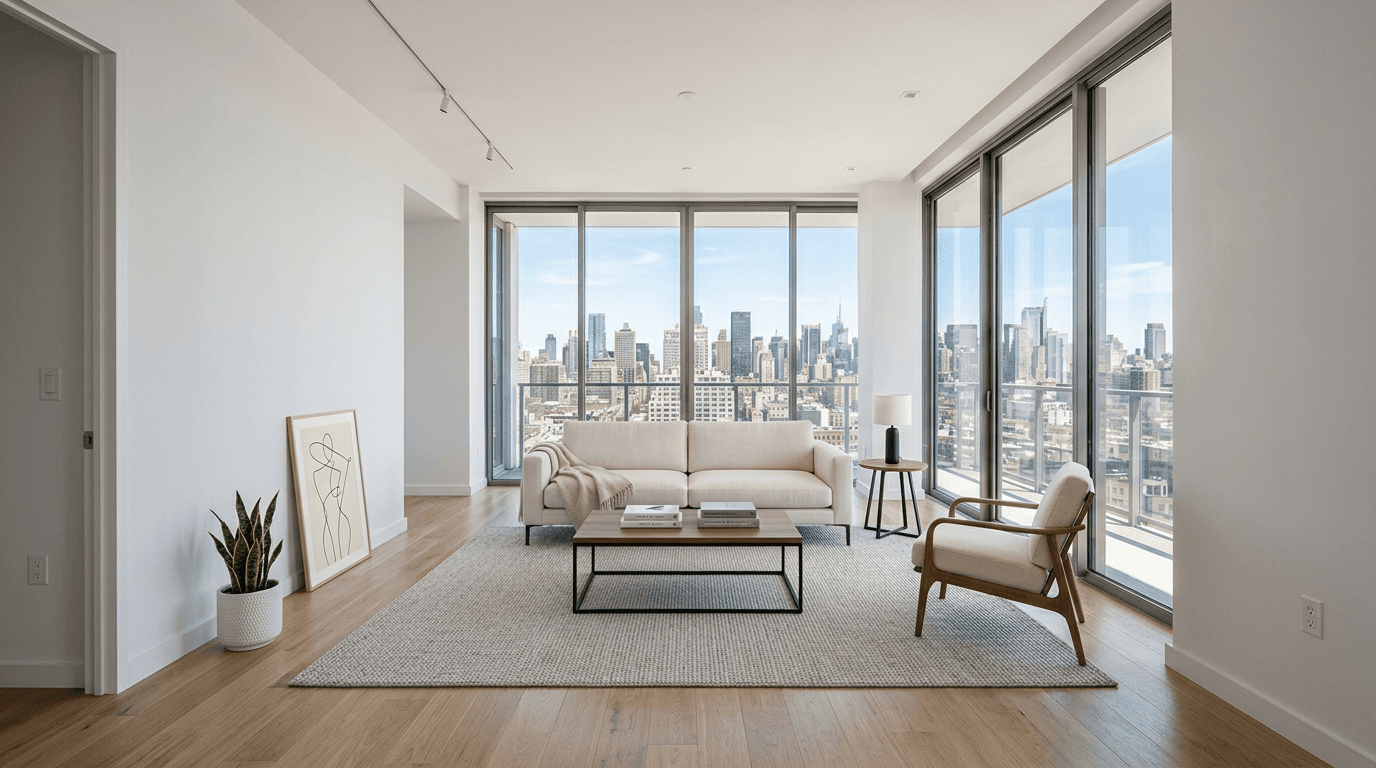
Virtual staging has become one of the most important marketing tools available to urban micro-apartment developers in 2026 because compact units live or die by perception long before a prospect ever tours the building. When square footage is limited, every photo must do far more than show finishes; it must prove that the apartment supports real daily routines, offers believable storage, and feels efficient rather than cramped. Developers and leasing teams targeting workforce renters and young professionals face a recurring challenge: empty micro-units tend to photograph as smaller, colder, and less functional than they feel in person, yet poorly executed staging can make a space look dishonest, overcrowded, or impractical. The result is hesitation at exactly the point where prospects are deciding whether to click, inquire, schedule, or move on. A strong virtual staging strategy solves this by translating compact architecture into a clear visual story about sleeping, working, dining, storing, and relaxing within the same footprint. This guide explains how to use virtual staging as a high-credibility leasing tool for dense urban markets, showing you how to define the unit’s purpose, stage for utility without visual clutter, align imagery with renter expectations, maintain trust, and deploy final assets across your leasing funnel so that your smallest homes generate the strongest confidence.
According to recent staging metrics by the National Association of Realtors (NAR), professionally staged properties can significantly increase sales speed and perceived value, accelerating the impact for your specific niche.
Step 1: Start with a functionality-first staging strategy before any rendering begins
The biggest mistake micro-apartment developers make with virtual staging is treating it as decoration instead of evidence. In compact urban rentals, prospects are not simply asking whether a unit looks stylish; they are evaluating whether their life can actually fit inside it. That means your staging plan must begin with operational clarity about how the apartment is intended to function for the target renter profile. Before a designer adds a single digital chair, table, bed, or shelving system, your team should define the primary resident use case with precision. Is this unit meant for a solo commuter who works hybrid and needs a compact laptop setup? Is it optimized for a workforce renter who prioritizes storage and transit convenience over entertaining space? Is it designed for a young professional who wants a visually clean studio that still accommodates dining, sleeping, and self-care routines? Once you know the exact use case, build the virtual staging narrative around how the resident moves through the apartment from morning to night. In a micro-unit, every furniture decision signals livability. A bed that is too large undermines circulation. A dining setup that ignores real walking paths creates distrust. A lack of visible storage reinforces the fear that the apartment is attractive but unusable. Instead, your staging should illustrate zone efficiency: sleeping space that feels intentional, a work surface that does not dominate the room, compact seating that preserves openness, and storage cues that reassure without cluttering. Developers should also evaluate architectural strengths and weaknesses before rendering. If the unit has tall ceilings, large windows, built-in millwork, under-bed storage potential, or an alcove that can carry dual purpose, those features should anchor the concept. If the layout has awkward corners or narrow passages, staging must solve those issues honestly rather than conceal them. The goal is to create a visual argument that the design has already anticipated small-space living. When done correctly, virtual staging becomes an extension of product strategy, not just marketing polish, and that distinction is what makes renters believe the unit was built for real urban life rather than for a listing photo.
Action Step
Define one primary renter persona per floor plan and create a written staging brief showing how sleeping, working, dining, storage, and circulation will function within the actual unit layout.
Step 2: Use scale, layout, and furniture selection to prove livability without misleading prospects
In virtual staging for micro-apartments, scale is everything because renters in dense urban markets have developed a strong instinct for spotting visuals that exaggerate space. If the furniture is undersized, too airy, or unrealistically sparse, prospects may feel manipulated even if they cannot immediately explain why. If it is oversized or stylistically heavy, the room can feel compressed and unusable. The most effective staging therefore uses dimensions and placement to communicate a believable, comfortable lifestyle within the true limits of the floor plan. Start by choosing furniture that reflects what actual urban renters would use in 2026: apartment-scale pieces with slim profiles, exposed legs, flexible forms, and integrated storage where appropriate. Think platform beds, narrow loveseats, round pedestal dining tables, wall-mounted desks, compact benches, and media units that do not visually weigh down the room. The objective is not to cram a wishlist into the image, but to show that the apartment supports essential functions while preserving breathing room. Equally important is maintaining authentic circulation. Prospects need to see clear pathways around the bed, to the windows, into the kitchen, and toward closets or bathrooms. When an image implies that a tenant must squeeze sideways past furniture, it amplifies concerns about daily frustration. At the same time, avoid the opposite extreme of leaving too much empty floor area, which can make the unit feel unfinished or suggest the apartment only works if the resident owns very little. High-performing virtual staging finds the middle ground by demonstrating complete but efficient living. This is especially important for developers marketing workforce and young professional renters, who need confidence that the apartment can hold both practical necessities and a sense of personal comfort. Include subtle cues of lived usability such as a nightstand that actually fits, a small dining surface suitable for one or two people, and storage accessories that imply organization without mess. The most credible images answer the renter’s unspoken question: can I live normally here? When your staging respects scale and function, the answer becomes yes, and that response directly improves click-throughs, inquiry quality, and lease conversion.
Action Step
Audit each rendering for realistic furniture dimensions, visible circulation paths, and complete daily-use zones so the unit looks functional, not manipulated or overcrowded.
Step 3: Highlight storage, flexibility, and daily routines so prospects can imagine real small-space living
For urban micro-apartment developers, one of the most powerful uses of virtual staging is addressing the emotional objections that stop prospects from booking a tour. In small units, the central fear is rarely aesthetics alone; it is whether the apartment can support the routines, belongings, and transitions of daily life without becoming chaotic. This is why your virtual staging should actively visualize flexibility and storage rather than hoping prospects infer those benefits from the architecture. A beautifully rendered room can still fail if it does not answer practical questions such as where clothes go, where a resident places groceries, how they eat, how they work, and whether the apartment can stay visually calm after a long week. The strongest staging for micro-units uses composition to reassure. Show under-bed clearance or a bed frame style that implies storage efficiency. Use a wardrobe, shelving niche, entry console, or vertical wall storage concept where appropriate to reinforce the sense that belongings have a place. If the design includes built-ins, compact closets, overhead shelving, or multifunctional cabinetry, make sure the staging directs attention toward those assets rather than burying them behind decorative styling. Flexibility matters just as much. In 2026, many young professionals and workforce renters still blend home life with remote or hybrid work, fitness habits, content consumption, and occasional hosting. Your images should suggest how one room supports multiple modes without looking like a transformer showroom. A streamlined desk vignette, a small table that can serve for dining or work, and seating that feels social but proportionate all help the viewer understand that the apartment adapts to real urban routines. This does not mean overexplaining with props. In fact, restraint is critical. A laptop, neatly placed books, a compact lamp, or a folded throw can imply use without clutter. The image should feel intentional and edited, not sterile and not overly aspirational. When prospects can quickly identify where their routines would happen and where their belongings would go, the unit becomes less of an abstract small box and more of a workable home. That shift in perception is often the difference between curiosity and conversion.
Action Step
Revise your staging concepts to visibly communicate at least three practical lifestyle assurances in every key image: storage, flexible use, and one clear daily routine such as sleeping, working, or dining.
Step 4: Preserve trust with transparent, market-accurate visuals that set the right leasing expectations
Trust is the deciding factor in virtual staging performance, especially for compact apartments where renters already worry that listing photography may hide limitations. Urban prospects are fast-moving, comparison-driven, and often skeptical of anything that feels overly produced, and that skepticism becomes stronger when they arrive for a tour and discover that the space feels materially different from the images. For developers, the cost of that disconnect is not merely disappointment; it is wasted tours, lower lead quality, reduced leasing efficiency, and possible reputational damage across listing platforms and reviews. That is why effective virtual staging for micro-apartments must be persuasive without becoming speculative. Begin with highly accurate photography of the real unit, using correct lens discipline, clean vertical lines, and lighting that reflects the actual interior rather than creating artificial spaciousness. Then ensure the staging is anchored to what physically fits in the room and what a renter could reasonably replicate. If a murphy bed is not included, do not imply one unless your marketing clearly labels it as a conceptual furnishing option. If built-in storage is limited, do not digitally invent cabinetry that does not exist. If a unit receives moderate natural light, present it attractively but honestly rather than transforming it into a sun-drenched loft. Clear disclosure is equally important in 2026 marketing standards. Leasing pages, brochures, and listing captions should identify images as virtually staged where applicable, and your team should be prepared to pair those images with unstaged photos, floor plans, or dimension callouts so prospects can evaluate the apartment with confidence. This transparency does not weaken the marketing message; it strengthens it. In fact, virtual staging performs best when prospects feel guided rather than sold to. Market accuracy also means styling to the renter segment. Workforce and young professional audiences respond to clean, efficient, attainable interiors more than ultra-luxury fantasy scenes that feel disconnected from actual rent levels. The final result should be aspirational enough to inspire action, but grounded enough to survive the tour experience. When prospects believe your visuals, they arrive more qualified, more confident, and more emotionally prepared to say yes.
Action Step
Create a trust checklist for every listing that includes realistic photography, accurate furnishings, clear virtual-staging disclosure, and supporting assets such as floor plans or unstaged photos.
Step 5: Deploy virtual staging across the full leasing funnel and measure what actually improves conversion
Virtual staging creates the most value when developers treat it as a leasing system rather than a single image enhancement. Too often, teams invest in polished renderings for a listing gallery but fail to integrate those visuals into the broader renter journey, which means the staged imagery generates attention without fully converting that attention into qualified tours and signed leases. For urban micro-apartment projects, every stage of the funnel should reinforce the same message: this compact unit is intelligently designed, visibly functional, and well matched to city living. Start at the top of funnel by using your strongest hero image in listing platforms, paid social, search campaigns, and email outreach. That first image should immediately answer the concern that small equals cramped. Then use secondary staged images to tell a more complete story, showing distinct lifestyle zones such as sleeping, working, and dining, especially for studio and co-sized layouts where prospects need help mentally organizing the space. On the property website, pair staged imagery with clear floor plans, dimension notes, and concise copy that explains the logic of the layout. In tour scheduling flows, include one or two highly informative visuals that set expectations before the visit, reducing no-shows and improving lead quality. During leasing presentations, train agents to use staged images as explanatory tools, not just promotional ones, walking prospects through how the apartment can be furnished effectively. Post-tour follow-up can also benefit from virtual staging by reminding prospects of the specific layout advantages they saw and helping them visualize move-in readiness. Most importantly, measure performance rigorously. Compare inquiry rates, tour bookings, lead-to-tour conversion, and lease velocity between units with and without optimized virtual staging. Track whether certain image sequences perform better for studios versus micro one-bedrooms, and assess whether storage-led visuals outperform purely aesthetic ones. In 2026, the winning developers are not simply producing more content; they are using data to refine the exact visual proof points that overcome small-space objections. When virtual staging is deployed strategically across channels and tied to measurable outcomes, it becomes a repeatable leasing advantage rather than a one-off creative expense.
Action Step
Map your staged images to every leasing touchpoint and start tracking which visuals increase click-throughs, tour bookings, and signed leases for each micro-unit type.
Explore More Resources
Conclusion
Virtual staging is not just a cosmetic upgrade for urban micro-apartment marketing; it is a decision-shaping tool that helps renters understand how compact homes can work in real life. For developers and leasing teams in dense urban markets, the most effective approach begins with a functionality-first strategy, continues through realistic scale and storage-conscious design, and succeeds only when transparency and performance measurement are built into the process. When your visuals prove livability instead of merely suggesting style, prospects become more confident, tours become more productive, and your smallest units become easier to lease at the right pace and price. In 2026, the developers who win with micro-apartments are the ones who use virtual staging to tell an honest, highly practical story about efficient urban living.
Ready to Stage Your First Room?
Join thousands of top real estate professionals who use AI Virtual Staging to instantly transform vacant photos into fully-furnished masterpieces in under 20 seconds.
Start Staging For FreeFrequently Asked Questions
Why is virtual staging especially important for micro-apartments compared with larger units?
Micro-apartments rely heavily on visual interpretation because empty small spaces often photograph as colder, tighter, and less functional than they feel in person. Prospects need help understanding how sleeping, working, dining, and storage can coexist within a compact footprint. Virtual staging provides that context, making the unit’s livability easier to grasp and reducing hesitation caused by uncertainty.
How can developers avoid making virtually staged micro-units look misleading?
Use furniture that fits the actual dimensions of the room, preserve realistic circulation paths, avoid digitally adding features that are not included, and clearly disclose that images are virtually staged. Pair staged photos with floor plans, unstaged images, or dimensions so prospects can compare inspiration with reality and build trust before touring.
What furniture styles work best in virtually staged urban micro-apartments?
Apartment-scale furniture with slim silhouettes, lighter visual weight, multifunctional value, and practical storage cues tends to perform best. Examples include platform beds, narrow seating, compact dining tables, wall-mounted or minimal desks, and shelving solutions that feel believable for urban renters. The goal is to show complete living without making the apartment feel cluttered.
Should virtual staging focus more on aesthetics or functionality for workforce and young professional renters?
Functionality should lead, with aesthetics supporting it. This audience wants a home that looks attractive, but they primarily need confidence that the space will work for everyday routines and belongings. The most effective images combine clean, contemporary styling with visible evidence of storage, circulation, flexibility, and practical use zones.
How should leasing teams measure whether virtual staging is working?
Track performance at multiple points in the leasing funnel, including listing click-through rates, inquiry volume, tour bookings, lead-to-tour conversion, tour-to-lease conversion, and lease-up velocity by unit type. Comparing results across different image styles can reveal whether functional staging, storage-focused visuals, or certain room compositions are producing stronger leasing outcomes.
Explore More Guides
Continue building your real estate expertise.
The Step-by-Step Guide to Virtual Staging for Downtown Office-to-Residential Conversion Developers
An authoritative 2026 step-by-step guide for downtown office-to-residential conversion developers on using virtual staging to overcome buyer skepticism, visualize residential layouts, accelerate pre-sales, and market adaptive reuse projects effectively.
The Step-by-Step Guide to Virtual Staging for Surplus Religious Housing Conversion Developers
An authoritative 2026 step-by-step guide for developers using virtual staging to market converted convents, rectories, monasteries, and church-owned housing, helping buyers visualize modern livability while preserving historic character.
The Step-by-Step Guide to Virtual Staging for Lease-to-Own Home Program Operators
An authoritative 2026 step-by-step guide for lease-to-own and rent-to-own home program operators on using virtual staging to market vacant inventory, increase engagement, and help aspiring buyers envision long-term ownership from day one.
The Step-by-Step Guide to Virtual Staging for Military Housing Privatization Marketing Teams
An authoritative 2026 step-by-step guide for military housing privatization marketing teams on using virtual staging to reduce vacancy, build trust with military families, differentiate standardized units, and improve leasing performance for on-base and near-base housing.
The Step-by-Step Guide to Virtual Staging for Group Home Real Estate Acquisition Firms
An authoritative 2026 step-by-step guide for group home real estate acquisition firms on using virtual staging to present specialized residential properties, win stakeholder confidence, and accelerate leasing and acquisition decisions.
The Step-by-Step Guide to Virtual Staging for Urban Brownstone Restoration Brokerages
An authoritative 2026 step-by-step guide for urban brownstone restoration brokerages on using virtual staging to market restored brownstones, rowhouses, and historic townhomes while honoring period details, renovation potential, and buyer expectations.