
The Step-by-Step Guide to Virtual Staging for Infill Bungalow Court Developers
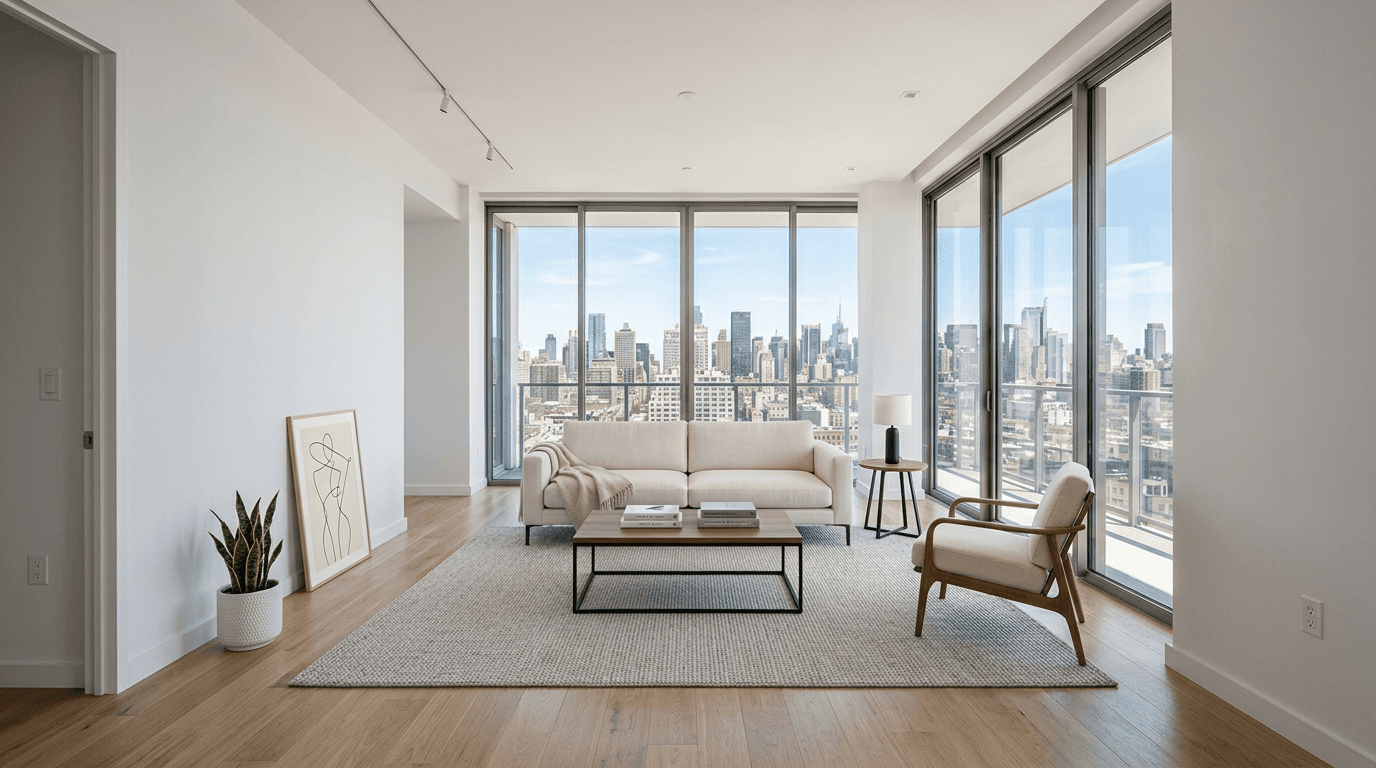
Virtual staging is no longer a cosmetic add-on for infill bungalow court developers; in 2026, it is a strategic sales and positioning tool that directly addresses the three hardest challenges in this niche product type: helping buyers understand an unfamiliar housing format, making smaller homes feel intentional rather than limited, and proving that shared outdoor space is a luxury amenity rather than a compromise. Because bungalow courts sit at the intersection of design, density, community, and lifestyle, conventional listing photography often fails to communicate their full value. Empty interiors can make efficient floor plans seem undersized, while unstaged exterior imagery may reduce a carefully designed courtyard to “just open space” instead of the social and aesthetic heart of the project. An effective virtual staging strategy solves this by translating architectural intent into an emotionally legible story buyers can immediately grasp. For developers revitalizing historic bungalow courts or building new small-scale cottage clusters on urban and suburban infill sites, the goal is not simply to make images prettier. The goal is to educate the market, justify price per square foot, reduce buyer hesitation, and frame the entire community as a premium, human-scaled alternative to conventional multifamily or detached suburban product. This guide walks you step by step through how to use virtual staging with the precision, discipline, and market awareness required to sell bungalow court living successfully.
According to recent staging metrics by the National Association of Realtors (NAR), professionally staged properties can significantly increase sales speed and perceived value, accelerating the impact for your specific niche.
Step 1: Start with a buyer-education strategy before you stage a single image
The most successful virtual staging campaigns for infill bungalow court developments begin long before furniture is placed into a rendering or photo. They begin with a clear educational strategy rooted in the reality that many buyers, and even many agents, do not immediately understand what a bungalow court is, why it is valuable, or how to compare it against condominiums, townhomes, accessory dwelling products, and conventional single-family housing. If you stage first without clarifying the buyer’s questions, you risk producing attractive but strategically weak visuals that fail to move the sale forward. Developers should identify the specific misconceptions they need their imagery to overcome. For example, some prospects may assume a smaller detached home means inferior livability, when in reality the appeal lies in efficient design, privacy, lower maintenance, and stronger indoor-outdoor connection. Others may assume shared courtyards reduce exclusivity, when in fact thoughtfully designed communal landscapes often create the project’s strongest premium value proposition. Your staging plan should therefore map every image to an educational purpose: one visual explains how a compact living room still supports entertaining, another shows how a bedroom can feel serene and spacious, and another demonstrates how the courtyard functions as an extension of each home’s usable living area. This is especially important in infill contexts where site constraints, zoning-driven massing, parking tradeoffs, and lot geometry create a product that differs from mainstream buyer expectations. By treating virtual staging as a narrative framework rather than decorative enhancement, you create assets that answer objections before a prospect voices them. The result is not merely better-looking marketing, but a more efficient sales process in which the images themselves teach the market how to value your bungalow court correctly.
Action Step
Define the top 3 buyer misconceptions about your bungalow court and assign one planned staged image to address each one.
Step 2: Stage compact interiors to communicate livability, proportion, and design intelligence
For bungalow court developers, interior virtual staging must do far more than fill empty rooms with fashionable furniture. Its primary purpose is to prove that a smaller footprint can deliver high-functioning, emotionally appealing living without feeling cramped, compromised, or temporary. This requires careful control of scale, layout, furniture selection, circulation, and sightlines. In compact homes, buyers scrutinize every inch, and poor staging choices can unintentionally make rooms appear tighter, less practical, or oddly proportioned. Oversized sectionals, excessive décor, or unrealistic furniture arrangements undermine credibility immediately. Instead, your staging should demonstrate disciplined space planning that reflects how real residents will live. A living room scene should show comfortable seating while preserving visible walking paths and maintaining open visual connection to the kitchen or outdoor area. Dining spaces should reinforce versatility, perhaps suggesting a smaller table that comfortably hosts daily meals while still supporting occasional guests. Bedrooms should feel calm and efficient, with furnishings sized to the architecture rather than copied from suburban production-home marketing. Kitchens, work nooks, and storage-adjacent areas should highlight the intelligence of the plan, making buyers feel that the home has been edited by design professionals who understand modern urban or suburban infill lifestyles. The strongest virtual staging for bungalow courts also reinforces materiality and architectural identity. If your project leans into Spanish revival, craftsman, Scandinavian minimalism, warm contemporary, or updated vernacular language, the interiors must visually align with that character. Buyers need to sense coherence between exterior architecture, neighborhood context, and interior lifestyle. When done well, virtual staging reframes compactness as refinement. It tells buyers that every room has been intentionally composed, every function has a place, and the home’s smaller footprint supports a more elegant, lower-maintenance, and design-forward way of living. That message is essential when you are asking the market to pay attention to quality of experience rather than just raw square footage.
Action Step
Review each planned interior image and remove any furniture or décor that does not clearly improve perceived function, scale, or architectural coherence.
Step 3: Make the communal courtyard the emotional centerpiece of the entire marketing story
In a bungalow court community, the courtyard is not leftover land between units; it is the defining lifestyle asset that separates the development from ordinary detached infill product and from anonymous multifamily housing. Yet many developers market it passively, relying on static landscaping photos that fail to communicate why shared open space can be both intimate and premium. Virtual staging gives you the opportunity to transform the courtyard from a site-plan concept into a lived social experience that buyers can immediately imagine themselves joining. To do this effectively, you must stage the courtyard with enough life to suggest use, comfort, and desirability, while avoiding clutter or scenes that feel exaggerated. The objective is to show the courtyard functioning as an outdoor living room for the entire community: a place for morning coffee, neighborly interaction, quiet reading, casual dining, pet-friendly routines, and visually calming retreat from surrounding urban intensity. This is particularly important in infill settings, where the contrast between the public street and the semi-private internal courtyard often represents the project’s deepest emotional value. Your images should emphasize sightlines from front porches, doors, and pathways into the shared green, helping buyers understand that this space contributes to safety, beauty, belonging, and everyday enjoyment. If your target audience includes downsizers, first-time buyers, professionals, or empty nesters, your staging should reflect the level of activity and sophistication that matches their aspirations rather than defaulting to generic family-park imagery. Courtyard furniture groupings, lighting ambiance, planters, fire features, café seating, and restrained human context can all help convey that this is curated community living, not unmanaged common area. Most importantly, the courtyard staging should support your pricing logic by proving that buyers are not giving up yard space; they are gaining access to a more beautiful, usable, and socially meaningful outdoor environment than many conventional lots provide. When your virtual staging positions the courtyard as the heart of daily life, you stop selling a collection of small homes and start selling a distinctive neighborhood experience.
Action Step
Create at least one hero image that shows the courtyard as an active, premium shared amenity rather than simply landscaped open space.
Step 4: Build a cohesive visual story across listings, website pages, sales decks, and entitlement-era marketing
One of the most overlooked advantages of virtual staging for infill bungalow court developers is its ability to create consistency across every phase of marketing, from early preleasing or presales outreach to full listing launch and community brand positioning. Too often, developers treat virtual staging as a last-minute listing enhancement, producing isolated images that look attractive on a portal but do not connect to the broader sales narrative. In reality, bungalow court communities benefit most when every visual asset works together to explain a coherent point of view: this is a scarce, design-led, human-scale housing option with premium lifestyle benefits. That consistency matters because buyers may encounter your project in multiple contexts before ever stepping on site. They may first see a social media ad, then a neighborhood newsletter feature, then a broker email, then your website, then a unit-specific listing. If the visual language shifts dramatically from one touchpoint to another, trust erodes and the project feels less resolved. Your virtual staging should therefore be governed by a defined creative framework that specifies furniture style, color palette, target buyer cues, level of minimalism, landscaping mood, and lifestyle messaging. This is especially valuable during earlier development phases, when photography may be limited or the project is still under construction. Strategically staged visuals can bridge the gap between plans, renderings, and future reality, helping stakeholders understand not only what the homes will look like but how they will feel. They can also support entitlement-era community engagement by illustrating that a proposed bungalow court is not a dense threat to neighborhood character, but a thoughtful residential environment with careful scale, beauty, and livability. For infill developers competing against larger builders or more familiar housing types, consistency becomes a competitive advantage. It makes the project appear intentional, mature, and professionally branded. When all visuals speak the same language, prospects are more likely to perceive the development as a complete concept rather than an experiment. That perception can improve lead quality, shorten explanation time during tours, and strengthen confidence in the value proposition long before final purchase decisions are made.
Action Step
Create a visual staging brief that standardizes style, audience cues, and lifestyle messaging across every marketing channel for the project.
Step 5: Use virtual staging to support pricing, absorption, and buyer confidence with complete honesty
The final step is to treat virtual staging as a disciplined sales tool that supports financial performance without crossing into misrepresentation. For bungalow court developers, this is crucial because the product often depends on nuanced value drivers such as detached privacy, architectural charm, efficient design, and shared outdoor amenities rather than sheer size. Virtual staging can strengthen all of those value signals, but only when it remains faithful to the actual unit dimensions, window locations, views, finish level, and intended use of space. In 2026, buyers are increasingly sophisticated, and trust is fragile. If they arrive expecting generous room scale, impossible furniture fits, or courtyard conditions that do not resemble reality, the staging will damage conversion rather than improve it. The best developers use virtual staging not to create fantasy but to remove uncertainty. They help buyers see how to furnish the home, how to use the porch, how the courtyard connects to daily life, and how the architecture supports a premium small-home lifestyle. This confidence can materially improve absorption because prospects spend less time mentally solving the home and more time emotionally connecting to it. It can also support stronger pricing by making intangible design benefits visible and easier to compare against competing properties. However, every staged asset should be paired with operational discipline: disclose that images are virtually staged, maintain consistency with built conditions, coordinate with brokers so they can speak accurately about depicted uses, and update imagery if finishes or landscaping evolve during delivery. You should also track which staged scenes produce more inquiries, longer website engagement, better tour-to-offer ratios, or higher broker responsiveness, because virtual staging is most powerful when measured as part of a broader marketing system. For infill bungalow court developers, the ultimate objective is not simply more clicks. It is better-qualified buyers, fewer misunderstandings, stronger emotional alignment, and a market position that reflects the true quality of the community you have created. Honest, strategically executed virtual staging helps you achieve all four.
Action Step
Audit all staged images for realism, disclosure, and alignment with built conditions, then track which visuals most directly influence lead quality and conversion.
Explore More Resources
Conclusion
Virtual staging is exceptionally powerful for infill bungalow court developers because it solves both a marketing problem and a product-definition problem at the same time. It helps buyers understand a housing type that is still unfamiliar in many markets, demonstrates how compact homes can live beautifully, and elevates the communal courtyard into the premium lifestyle feature it was designed to be. When approached strategically, staged imagery does more than decorate vacant rooms or unfinished landscapes. It educates, reassures, differentiates, and supports pricing by making your project’s design intelligence visible. The most effective developers begin with buyer objections, stage interiors with disciplined realism, center the courtyard in the emotional story, maintain consistency across all channels, and use imagery transparently to build confidence rather than inflate expectations. In a niche category where perception can determine absorption, a thoughtful virtual staging strategy is one of the clearest ways to translate architectural vision into buyer demand.
Ready to Stage Your First Room?
Join thousands of top real estate professionals who use AI Virtual Staging to instantly transform vacant photos into fully-furnished masterpieces in under 20 seconds.
Start Staging For FreeFrequently Asked Questions
Why is virtual staging especially important for bungalow court developments compared with standard home listings?
Because bungalow courts are a niche housing form, buyers often need help understanding both the homes and the community model. Virtual staging can show how compact detached homes function, how porches and pathways relate to the courtyard, and why the shared outdoor space adds premium value rather than signaling a compromise.
Can virtual staging really make small bungalow homes feel more valuable without misleading buyers?
Yes, if it is done accurately. Effective staging uses realistic furniture scale, clear circulation paths, and design-appropriate layouts to show how the home actually lives. It should clarify function and lifestyle potential, not exaggerate room size or create impossible arrangements.
What images should an infill bungalow court developer prioritize first?
Start with one hero courtyard image, one strong living area image, one bedroom image, and at least one view that shows the relationship between the individual home and the shared outdoor space. These visuals usually do the most work in educating buyers and establishing the project’s identity.
How should developers use virtual staging during preconstruction or lease-up phases?
During preconstruction or early marketing, virtual staging can bridge the gap between plans and lived reality. Developers can use it on websites, offering materials, broker presentations, community outreach assets, and digital ads to help prospects envision the completed lifestyle before final photography is available.
What are the biggest mistakes developers make with virtual staging for bungalow courts?
The most common mistakes are using generic staging styles that ignore the project’s architecture, overcrowding small rooms, underemphasizing the courtyard, failing to maintain consistency across marketing channels, and presenting images that do not align with actual dimensions or delivered finishes.
Explore More Guides
Continue building your real estate expertise.
The Step-by-Step Guide to Virtual Staging for Master-Planned Community Homebuilder Marketing Teams
An authoritative 2026 step-by-step guide for master-planned community homebuilder marketing teams using virtual staging to scale listings, model promotions, and quick move-in home marketing across multiple floorplans, elevations, and phases.
The Step-by-Step Guide to Virtual Staging for Equine Property Brokers
An authoritative 2026 step-by-step guide for equine property brokers on using virtual staging to market horse farms, equestrian estates, training facilities, and ranch properties with interiors that support premium rural lifestyle positioning and equestrian identity.
The Step-by-Step Guide to Virtual Staging for Student Housing Property Managers
An authoritative step-by-step guide for student housing property managers on using virtual staging to lease faster, refresh repetitive floor plans, and market effectively to both students and parents in 2026.
The Step-by-Step Guide to Virtual Staging for Self-Storage Facility Conversion Developers
An authoritative 2026 step-by-step guide for self-storage facility conversion developers on using virtual staging to visualize adaptive reuse projects, win approvals, secure investors and lenders, and lease ancillary office or retail frontage.
The Step-by-Step Guide to Virtual Staging for Mid-Century Modern E-Designers
An authoritative 2026 step-by-step guide for mid-century modern e-designers on using virtual staging to create visually precise client presentations, communicate design intent remotely, and win more residential projects with compelling imagery.
The Step-by-Step Guide to Virtual Staging for Fraternity and Sorority House Property Owners
An authoritative 2026 step-by-step guide for fraternity and sorority house property owners on using virtual staging to improve recruitment, leasing, and marketing results with polished, realistic visuals.