
The Step-by-Step Guide to Virtual Staging for Retirement Destination Second-Home Brokerages
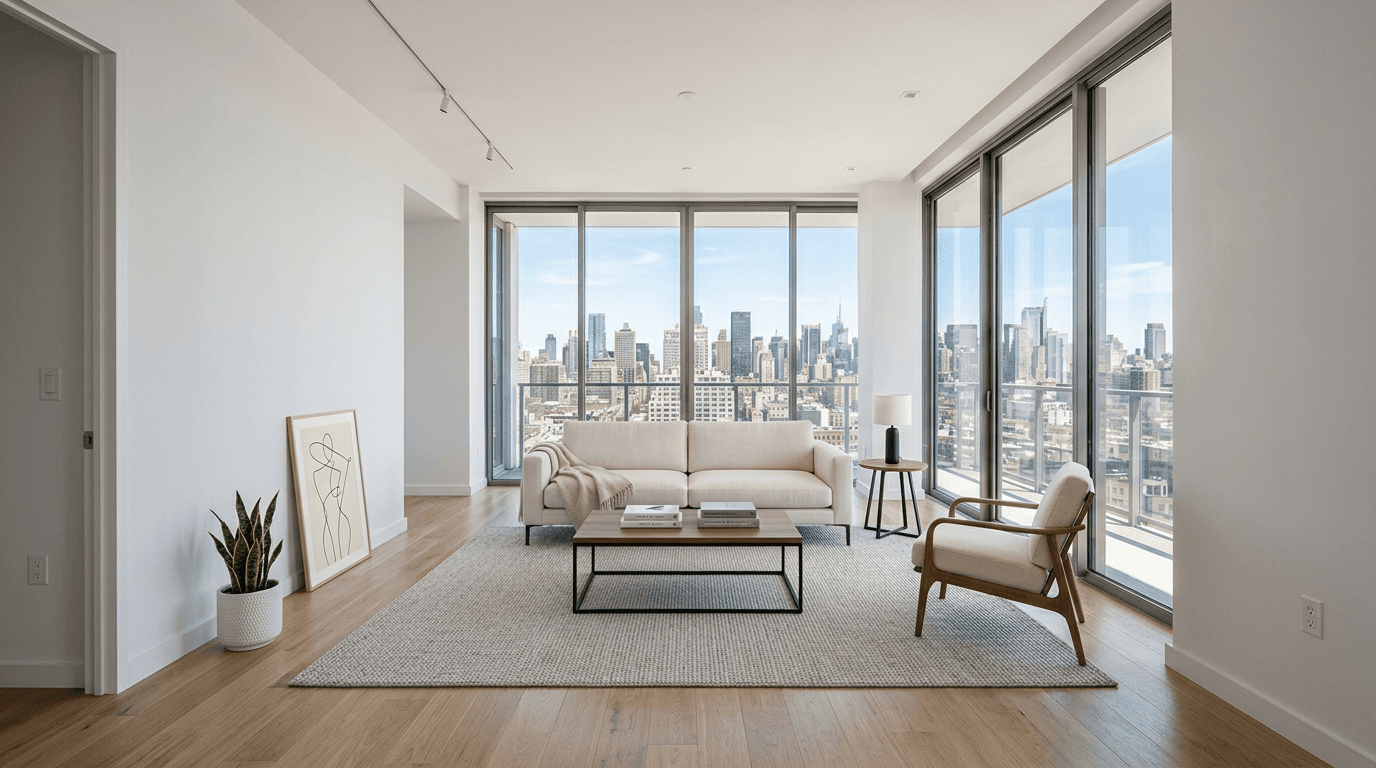
For retirement destination second-home brokerages, virtual staging is no longer a cosmetic marketing add-on; in 2026, it is a core sales tool for translating an empty property into a believable retirement lifestyle that remote buyers can emotionally step into before they ever book a flight. Brokerages marketing lock-and-leave condos, villas, and low-maintenance homes face a distinct challenge: many listings come online vacant during seasonal turnover, many prospects begin and often narrow their search from hundreds or thousands of miles away, and unfurnished rooms rarely communicate the comfort, ease, and aspirational simplicity that retirement-age second-home buyers are actually purchasing. These buyers are not just evaluating square footage or finishes. They are asking whether a home feels effortless to maintain, welcoming for grandchildren and guests, easy to move through, relaxing for extended seasonal stays, and aligned with the freedom-focused lifestyle they have worked decades to enjoy. The right virtual staging strategy helps brokerages answer all of those emotional and practical questions visually, while also reducing days on market, improving listing engagement, and creating consistency across digital channels. This guide explains exactly how retirement destination second-home brokerages should use virtual staging step by step, from buyer positioning and room planning to vendor standards, compliance, and conversion-focused deployment.
According to recent staging metrics by the National Association of Realtors (NAR), professionally staged properties can significantly increase sales speed and perceived value, accelerating the impact for your specific niche.
Step 1: Define the retirement second-home buyer profile before you stage a single room
The most effective virtual staging for retirement destination second-home brokerages begins long before furniture is digitally placed inside a photo, because the highest-performing visuals are built around a precise understanding of who the likely buyer is, how they plan to use the property, and what emotional reassurance they need from the listing experience. Retirement-age second-home buyers shopping in destination markets are often balancing aspiration with practicality in a way that differs from younger investors, primary-home relocators, or short-term rental purchasers. They may be downsizing from a larger family home while still wanting a gracious space for visiting children and grandchildren. They may prioritize ease of ownership, minimal upkeep, proximity to healthcare and recreation, security during periods of vacancy, and interiors that feel comfortable rather than trendy or stark. If your brokerage stages every property with generic luxury furniture, ultra-contemporary styling, or youthful urban aesthetics, you risk creating a disconnect between the imagery and the lived experience buyers are seeking. Instead, begin by identifying the exact micro-segment the listing is likely to attract, such as active couples seeking a winter condo, affluent retirees wanting a golf villa, or semi-retired owners looking for an easy seasonal base near the coast. Then map their priorities room by room: walkable layouts, inviting seating, readable scale, calm color palettes, uncluttered pathways, practical dining areas, comfortable guest accommodations, and subtle lifestyle cues that communicate relaxation without exaggeration. When this buyer-positioning work is done first, virtual staging stops being decorative and becomes strategic storytelling that helps remote prospects instantly recognize the home as a realistic fit for their next chapter.
Action Step
Create a one-page buyer profile for each listing that defines likely retiree segments, their lifestyle goals, practical needs, and the emotional tone your staging should communicate.
Step 2: Choose staging concepts that visually sell ease, comfort, and lock-and-leave living
Once the buyer profile is clear, the next step is to develop a virtual staging concept that reflects how retirement-age second-home buyers actually imagine using the property, rather than simply making rooms look fuller or more expensive. In destination markets, the strongest listing imagery does not just display furniture placement; it presents a low-friction way of life. That means every staged room should answer a silent buyer question. The living room should show whether the home feels serene enough for long seasonal stays and comfortable enough to host evening conversation without appearing formal or high maintenance. The dining area should suggest easy entertaining for another couple, adult children, or visiting grandchildren, not oversized banquet-style drama that overwhelms a condo footprint. Bedrooms should feel restful, navigable, and elegantly simple. Home offices or flex spaces should reflect modern retirement realities, where many buyers still manage investments, consulting work, or family logistics part-time and want a purposeful but uncluttered area. Outdoor spaces are especially important in destination markets, because terraces, lanais, patios, and balconies often carry outsized emotional value for second-home shoppers; staging them to imply morning coffee, sunset reading, or casual al fresco dining can elevate perceived lifestyle fit significantly. The guiding principle is not excess but reassurance. Avoid dense furniture layouts, highly stylized décor, and trend-driven choices that may age poorly or alienate older buyers. Instead, prioritize open circulation, supportive-looking seating, soft textures, natural light enhancement, and tasteful accessories that feel aspirational yet attainable. When buyers can look at the images and immediately think, “I can see myself enjoying this without work or complication,” the staging has done its job.
Action Step
Develop a room-by-room staging brief that defines how each space should communicate comfort, simplicity, usability, and destination lifestyle appeal to retirement-age second-home buyers.
Step 3: Use photography and virtual staging production standards that build trust with remote buyers
For retirement destination second-home brokerages, trust is the foundation of conversion, and that means virtual staging must be executed with a production standard high enough to persuade remote buyers without creating disappointment when they arrive in person. Many second-home shoppers first encounter listings on portals, brokerage websites, email alerts, and social media while sitting in another state or country, so the images often do the work that an in-person first showing would otherwise accomplish. If photography is poorly lit, distorted, inconsistently edited, or staged with unrealistic proportions, buyers may either dismiss the home immediately or, worse, develop false expectations that erode confidence in the brokerage later. Start with professional photography that captures clean, bright, accurately framed images of every major room and any outdoor spaces with retirement-lifestyle value. Then ensure the virtual staging provider uses furniture scaled correctly to room dimensions, maintains believable shadows and lighting direction, and reflects the architectural style and price point of the property. A compact lock-and-leave condo should not be staged like a sprawling estate, and a coastal villa should not receive generic furniture that ignores its regional character. Equally important, the brokerage must preserve image integrity by disclosing that images are virtually staged wherever required and by pairing staged photos with enough unstaged or context-supporting visuals that buyers understand the actual condition, layout, and finishes of the home. This is especially critical with older buyers who value clarity, professionalism, and honest representation. The best virtual staging does not attempt to hide flaws or overpromise renovations; it helps buyers interpret scale, function, and atmosphere in a vacant home. When your visual standards are rigorous, the listing feels polished, credible, and worth pursuing, which directly improves inquiry quality and showing readiness.
Action Step
Establish a brokerage-wide virtual staging checklist covering photography quality, realistic furniture scale, style alignment, image disclosure, and review approval before listing publication.
Step 4: Stage for digital conversion across listing portals, website pages, email, and social media
A retirement destination second-home brokerage gets the most value from virtual staging when it is deployed as part of a full-funnel digital marketing strategy rather than treated as a single listing upload task. Because your buyers are frequently remote and may spend weeks or months researching a market before they ever request a tour, virtual staging should be structured to capture attention at discovery, deepen interest during comparison, and support confidence during inquiry. On listing portals, the lead image and early photo sequence should prioritize spaces that most strongly communicate warmth, ease, and destination-lifestyle relevance, because those first few images determine whether a buyer clicks or scrolls past. On your brokerage website, staged imagery should be paired with copy that interprets the home through a retirement-oriented lens, explaining features such as low-maintenance finishes, elevator access, single-level convenience, lock-and-leave security, community amenities, outdoor living, and guest-ready comfort. In email marketing, staged photos can be segmented by buyer type, with one campaign emphasizing winter retreat living and another highlighting multi-generational visits or simplified seasonal ownership. On social media, before-and-after comparisons often perform particularly well because they demonstrate the brokerage’s market sophistication while helping buyers understand how an empty room can function. The key is consistency: the staging style, captions, property descriptions, and follow-up messaging should all reinforce the same narrative of comfortable, attainable retirement living. High-performing brokerages also use staged images inside digital brochures, relocation packets, retargeting ads, and virtual tour landing pages so prospects continue encountering a coherent visual story wherever they engage. This integrated approach turns staged photography from a passive asset into an active conversion engine that keeps the listing memorable across a longer, more research-driven buyer journey.
Action Step
Repurpose each virtually staged listing into a cross-channel marketing package for portals, your website, email campaigns, social media, brochures, and retargeting ads.
Step 5: Measure results, refine your staging playbook, and build a repeatable brokerage system
The final step is to treat virtual staging not as a one-off creative service but as a measurable brokerage operating system that can be refined over time for stronger listing performance, better client presentations, and more predictable marketing outcomes. Retirement destination second-home brokerages often handle recurring inventory types such as seasonal condos, golf villas, resort residences, and low-maintenance patio homes, which makes them especially well positioned to learn what visual strategies produce the best response from retirement-age buyers. Start by tracking performance indicators on staged versus unstaged listings, including click-through rate from listing portals, time spent on property pages, saved listings, showing requests, virtual tour engagement, inquiry volume, and days on market. Go deeper by noting whether certain room types drive stronger response, whether outdoor living shots improve engagement in your market, and whether specific styling directions resonate more with your typical buyer profile. It is also valuable to gather feedback from agents conducting showings, from buyers during consultations, and from sellers during listing presentations. Over time, these insights allow you to standardize what works: which homes should always be staged, which rooms are essential, what aesthetic palette best fits your market, how many images to lead with, and how disclosures should be presented. This data-backed playbook makes your brokerage more efficient and more persuasive when competing for listings, because you can show sellers a proven system for transforming vacant, seasonal properties into emotionally compelling digital experiences. In 2026, the brokerages that win are not merely using virtual staging occasionally; they are operationalizing it as part of a repeatable, evidence-driven marketing model tailored to how retirement second-home buyers actually shop.
Action Step
Track staged listing performance metrics for at least one quarter and turn your findings into a standardized virtual staging playbook for future listings.
Explore More Resources
Conclusion
Virtual staging is especially powerful for retirement destination second-home brokerages because it bridges the gap between a vacant property and the lifestyle promise buyers are truly evaluating from afar. When executed strategically, it helps remote, retirement-age prospects understand not just what a home looks like, but how comfortably and effortlessly they could live in it during the next chapter of life. By defining the right buyer profile, staging for ease and aspiration, maintaining strict production standards, deploying images across every digital touchpoint, and measuring performance over time, brokerages can turn empty seasonal inventory into more compelling, trustworthy, and conversion-ready listings. In a market where warmth, clarity, and lifestyle resonance drive attention, virtual staging is no longer optional decoration; it is a disciplined marketing advantage.
Ready to Stage Your First Room?
Join thousands of top real estate professionals who use AI Virtual Staging to instantly transform vacant photos into fully-furnished masterpieces in under 20 seconds.
Start Staging For FreeFrequently Asked Questions
Is virtual staging effective for retirement-age second-home buyers who prefer in-person showings?
Yes. Even when retirement-age buyers eventually want to see a property in person, their short list is usually formed online first, especially in destination markets. Virtual staging helps them understand layout, comfort, and potential before they travel, making them more likely to book a showing on homes that already feel aligned with their lifestyle goals.
Which rooms should retirement destination brokerages prioritize for virtual staging?
Start with the living room, primary bedroom, dining area, and any outdoor living space such as a patio, lanai, or balcony. If the property includes a flexible den or office, that room is also valuable because many second-home buyers want a practical space for reading, planning travel, managing finances, or part-time remote work.
How do we make sure virtual staging feels aspirational without misleading buyers?
Use realistic furniture scale, style selections appropriate to the property and market, and clear disclosure that images are virtually staged. Avoid hiding defects, changing permanent finishes, or depicting renovations that do not exist. The goal is to illustrate livability and atmosphere, not to misrepresent the home.
Is virtual staging better than physical staging for seasonal or vacant second-home listings?
For many destination-market listings, yes. Virtual staging is typically faster, more cost-effective, and easier to deploy across multiple seasonal vacancies, especially when sellers are absent or properties are not occupied full-time. Physical staging still has value in some luxury situations, but virtual staging often delivers stronger efficiency for remote-first marketing.
How can brokerages explain the value of virtual staging to sellers in retirement destination markets?
Frame it as a strategic investment in digital presentation rather than a design expense. Sellers need to understand that most buyers will first evaluate the home online, and vacant rooms often appear smaller, colder, and less memorable. Virtual staging helps buyers emotionally connect with the property, improves listing engagement, and can shorten the time needed to generate serious interest.
Explore More Guides
Continue building your real estate expertise.
The Step-by-Step Guide to Virtual Staging for Equine Property Brokers
An authoritative 2026 step-by-step guide for equine property brokers on using virtual staging to market horse farms, equestrian estates, training facilities, and ranch properties with interiors that support premium rural lifestyle positioning and equestrian identity.
The Step-by-Step Guide to Virtual Staging for Student Housing Property Managers
An authoritative step-by-step guide for student housing property managers on using virtual staging to lease faster, refresh repetitive floor plans, and market effectively to both students and parents in 2026.
The Step-by-Step Guide to Virtual Staging for Self-Storage Facility Conversion Developers
An authoritative 2026 step-by-step guide for self-storage facility conversion developers on using virtual staging to visualize adaptive reuse projects, win approvals, secure investors and lenders, and lease ancillary office or retail frontage.
The Step-by-Step Guide to Virtual Staging for Mid-Century Modern E-Designers
An authoritative 2026 step-by-step guide for mid-century modern e-designers on using virtual staging to create visually precise client presentations, communicate design intent remotely, and win more residential projects with compelling imagery.
The Step-by-Step Guide to Virtual Staging for Fraternity and Sorority House Property Owners
An authoritative 2026 step-by-step guide for fraternity and sorority house property owners on using virtual staging to improve recruitment, leasing, and marketing results with polished, realistic visuals.
The Step-by-Step Guide to Virtual Staging for Green Home Certification-Focused Realtors
An authoritative 2026 step-by-step guide for green home certification-focused realtors on using virtual staging to market LEED, Passive House, net-zero, and energy-efficient homes with visuals that make sustainability feel tangible, aspirational, and buyer-friendly.