
The Step-by-Step Guide to Virtual Staging for Luxury Accessible Home Builders
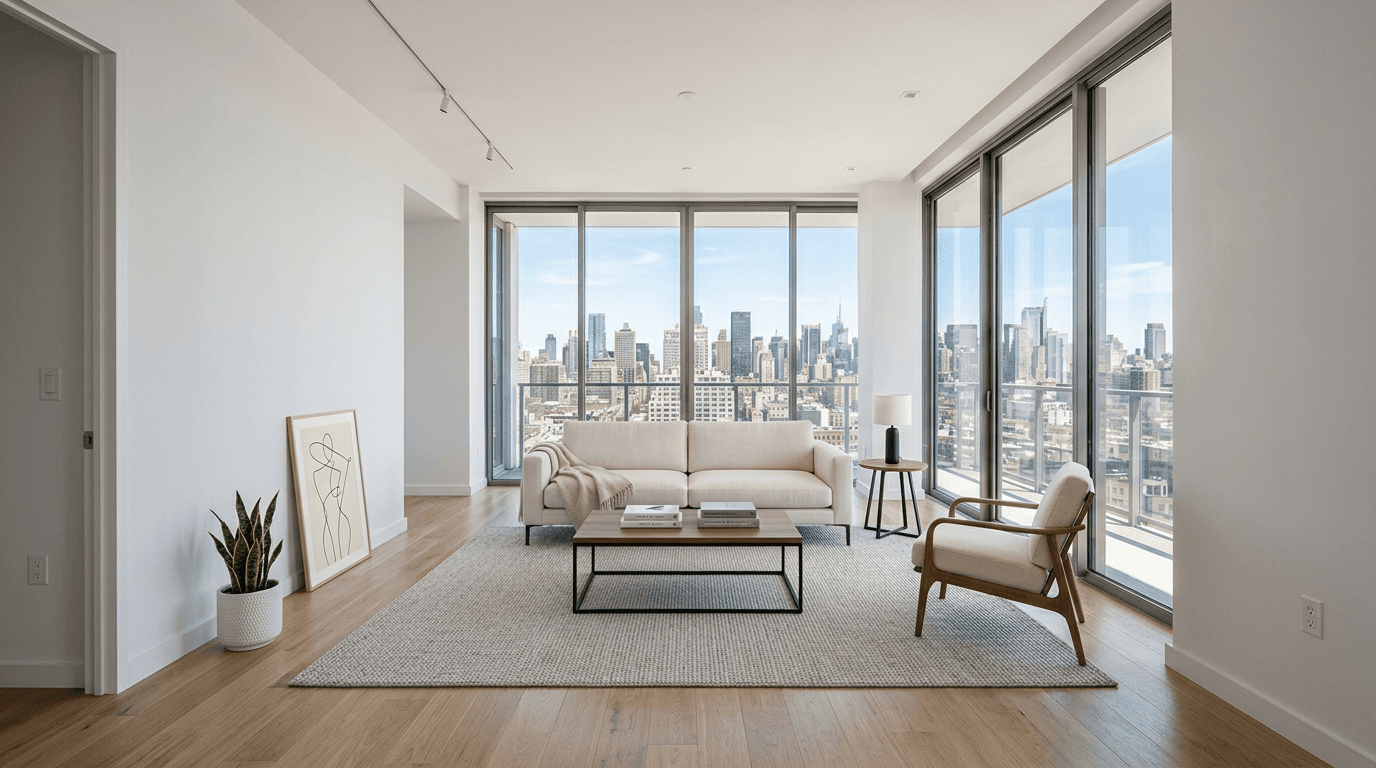
In 2026, luxury accessible home builders face a highly specific marketing challenge that standard real estate visuals rarely solve: you are not simply selling square footage, premium finishes, or custom craftsmanship, but a refined way of living in which accessibility is seamlessly integrated into a sophisticated architectural experience. Affluent buyers, multigenerational families, aging-in-place homeowners, and caregivers often struggle to visualize how wide circulation paths, curbless showers, discreet lift options, adapted kitchens, and mobility-first layouts can feel elevated rather than institutional. That is precisely where virtual staging becomes a strategic advantage. When executed correctly, it allows builders to present universal design as aspirational, intentional, and luxurious, while educating buyers about spatial usability without resorting to sterile or clinical imagery. This guide is designed specifically for custom builders in the luxury accessible housing niche who need to position specialized layouts as premium design assets, reduce buyer hesitation, and communicate both function and prestige through imagery that feels editorial, polished, and emotionally persuasive.
According to recent staging metrics by the National Association of Realtors (NAR), professionally staged properties can significantly increase sales speed and perceived value, accelerating the impact for your specific niche.
Step 1: Define the luxury-accessibility story before you stage a single room
The most successful virtual staging campaigns for luxury accessible home builders begin long before furniture is digitally placed into a rendering or listing photo. They begin with a clear narrative strategy that identifies exactly how accessibility supports a premium lifestyle rather than appearing as a retrofit or medical accommodation. In the luxury segment, buyers are not merely evaluating whether a home can work for mobility needs; they are evaluating whether the home reflects status, beauty, privacy, ease, and long-term livability. That means your staging plan must be built around a positioning statement for the property itself. Is this home a resort-level aging-in-place estate, a multigenerational family compound, a design-forward wheelchair-friendly custom residence, or a future-ready executive retreat with elegant universal design features? Once that identity is clear, every staged image should reinforce it. Instead of treating accessibility features as technical specifications, frame them as contributors to comfort, flow, and elevated daily experience. Wider hallways become gracious circulation. A zero-threshold shower becomes spa architecture. Lowered or dual-height counters become bespoke culinary design. Reachable storage becomes convenience and intuitive ergonomics. This strategic reframing is essential because affluent buyers are strongly influenced by emotional coherence; they want to see a home that feels curated, not compromised. A thoughtful pre-staging story also helps educate adult children, spouses, and caregivers who may be involved in purchasing decisions, because it visually demonstrates that accessibility can coexist with prestige. By defining the architectural mood, target buyer profile, and lifestyle message before producing imagery, you ensure the staging supports sales psychology rather than simply decorating empty rooms.
Action Step
Write a one-paragraph positioning statement for the home that explains how its accessibility features create a luxurious lifestyle experience.
Step 2: Select rooms and camera angles that prove usability while preserving aspiration
For luxury accessible homes, room selection and perspective are just as important as the virtual furnishings themselves, because the wrong angle can make a sophisticated floor plan feel empty, overbuilt, or unintentionally clinical. Builders often make the mistake of showcasing only feature close-ups or broad vacant shots, which may document accessibility but fail to communicate how the space lives. Instead, your image plan should prioritize the rooms where design excellence and functional accessibility intersect most visibly: the primary suite, spa bathroom, kitchen, great room, entry sequence, elevator or lift-adjacent circulation, and any specialty wellness spaces. Within each of these areas, the camera angle should reveal a lifestyle benefit tied to mobility and elegance. In a kitchen, for example, a strong angle can display generous turning radius, integrated seating, layered lighting, premium appliances, and custom cabinetry in one composition, showing that accessibility enhances usability without sacrificing craftsmanship. In a bathroom, the ideal perspective should capture the openness of a curbless shower, beautiful slab work, luxury fixtures, and supportive design details in a way that feels like a five-star retreat. Wide framing is especially valuable in accessible properties because it helps buyers understand movement, clearances, and transitions between spaces. At the same time, the visual composition must remain emotionally rich, balanced, and upscale. This is where intentional staging planning matters: each angle should answer a buyer’s unspoken question, such as whether a wheelchair user could navigate comfortably, whether a caregiver could assist discreetly, or whether the home still feels grand enough for luxury expectations. When done well, your visual sequence functions almost like an architectural proof of concept, helping prospects immediately grasp that the home is both highly functional and beautifully resolved.
Action Step
Create a shot list of the 6 to 8 most important rooms and note the exact camera angle that best shows both accessibility and luxury appeal.
Step 3: Virtually stage with upscale, human-centered design that normalizes accessibility
The core purpose of virtual staging in this niche is not to hide accessibility, but to contextualize it inside an elegant, emotionally resonant environment that feels completely natural for affluent living. This requires a design vocabulary that is high-end, layered, and intentionally residential rather than sparse, overly minimalist, or vaguely medical. Furnishings should reinforce scale and circulation, not obstruct it. In accessible homes, every item placed into a room has marketing significance: a dining table should demonstrate comfortable approach and seating flexibility; a bedroom layout should imply easy transfer space while still feeling serene and luxurious; a living room should showcase conversation, comfort, and open movement patterns. Materials and styling choices also matter tremendously. Rich textures, sculptural lighting, tailored upholstery, natural stone accents, warm woods, and refined art direction can soften assumptions that accessibility must look utilitarian. Likewise, subtle cues of real life can help normalize specialized design. A reading chair placed near a broad passageway, elegant towels in a curbless bath, or a beautifully styled coffee table in a spacious great room all signal that the home supports daily rituals with ease and beauty. At the same time, it is critical not to digitally fill space so aggressively that circulation paths disappear or turn radiuses become unclear. Luxury accessible staging works best when it communicates abundance through restraint, showing that the home has room to breathe. Builders should also think carefully about whether to include certain assistive cues. In some cases, discreetly visible accessibility elements can build trust and educate buyers; in others, emphasizing the underlying architectural readiness may be more strategic. The goal is to make accessibility feel integrated, desirable, and effortless, so buyers perceive the home as superior design rather than niche compromise.
Action Step
Approve a staging style guide that specifies furniture scale, material palette, decor tone, and minimum clear-floor-space rules for every staged room.
Step 4: Use staged visuals to educate buyers, families, and referral partners through every marketing channel
Virtual staging becomes exponentially more valuable when it is treated not as a cosmetic listing enhancement but as a teaching tool embedded across your entire marketing ecosystem. Luxury accessible home builders often need to communicate with multiple decision-makers at once, including buyers, spouses, adult children, care-minded relatives, architects, interior designers, real estate agents, and healthcare-adjacent referral partners. Each audience may understand accessibility differently, and many will not immediately recognize why certain layouts, dimensions, or product selections are so valuable. High-quality staged visuals solve this communication gap by making sophisticated universal design instantly legible. On your website, pair staged images with concise captions that explain the hidden advantages behind what viewers are seeing, such as smoother wheelchair navigation, reduced fall risk, better caregiver support, or enhanced long-term independence. In listing presentations, use before-and-after comparisons of empty rooms and staged rooms to demonstrate how the same architecture transforms from technical to aspirational once furnished appropriately. In social media, create short educational sequences that show how luxury design and mobility-first planning coexist in kitchens, bathrooms, and primary suites. In brochures and email campaigns, include staged imagery that supports specific buyer narratives, such as aging in place without sacrificing elegance or creating a home where a family member with mobility needs is fully included in daily life. Referral partners also benefit from this clarity; when occupational therapists, senior living advisors, relocation specialists, or luxury agents can visually understand the home’s value, they are better equipped to recommend your projects. The key is consistency. If your staged imagery, captions, sales language, and brand identity all reinforce the message that accessibility is a premium design advantage, your marketing will feel more credible, more differentiated, and more persuasive to high-intent prospects.
Action Step
Repurpose each staged image into at least three assets: a listing visual, an educational website section, and a social or email marketing feature.
Step 5: Measure performance and refine your virtual staging strategy for future luxury accessible projects
A mature virtual staging strategy for luxury accessible home builders does not end once a property goes live; it evolves through performance analysis, buyer feedback, and strategic iteration across future builds. Because this niche serves a specialized audience with high expectations, even small adjustments in imagery can influence how quickly buyers understand the value of the home and whether they perceive the property as truly premium. Start by tracking practical engagement signals such as click-through rates on listings, time spent on galleries, inquiry rates, showing requests, and which images are most often used by agents or shared by prospects. Then gather qualitative insight. Ask buyers, family members, and referral partners which visuals helped them understand the home best, which rooms felt most aspirational, and whether any features remained confusing. You may discover, for example, that a staged primary bathroom image consistently generates strong emotional response because it reframes accessibility as spa-like indulgence, or that a kitchen image performs better when the angle more clearly shows circulation around the island. This feedback loop is particularly powerful for custom builders because it can inform future design decisions as well as marketing execution. If multiple prospects respond positively to certain visual cues, such as layered residential styling, warm contemporary palettes, or explicit educational captions, those patterns can become part of your brand standard. Conversely, if some staged rooms feel too generic or fail to clarify how accessibility functions, you can refine your process before the next project launches. Over time, your staging library becomes a strategic asset that supports not just individual listings, but your reputation as a leader in luxury universal design. The builders who win in this category are the ones who treat visual presentation as a tested, data-informed system for conveying trust, sophistication, and specialized expertise.
Action Step
Set up a post-launch review process to track image performance, collect buyer feedback, and document what staging choices should be repeated or improved.
Explore More Resources
Conclusion
Virtual staging is one of the most powerful marketing tools available to luxury accessible home builders because it solves a problem that empty rooms and standard photography rarely can: it helps buyers see that accessibility is not a limitation, but a hallmark of thoughtful, premium design. When you define a clear brand narrative, choose strategic viewpoints, stage with elegant restraint, educate through every channel, and measure results over time, you create visuals that do far more than beautify a property. You turn specialized layouts into desirable lifestyle experiences, reduce misunderstanding among buyers and caregivers, and position your firm as an authority in high-end universal design. In a market where trust, aspiration, and clarity drive purchasing decisions, a disciplined virtual staging strategy can elevate both the individual home and the long-term strength of your brand.
Ready to Stage Your First Room?
Join thousands of top real estate professionals who use AI Virtual Staging to instantly transform vacant photos into fully-furnished masterpieces in under 20 seconds.
Start Staging For FreeFrequently Asked Questions
Why is virtual staging especially effective for luxury accessible homes?
It helps buyers visualize how universal design, wheelchair-friendly layouts, and mobility-focused features can feel elegant, spacious, and high-end rather than clinical. That emotional reframing is crucial in the luxury market.
Should accessibility features be hidden in virtual staging?
No. The goal is not to hide accessibility, but to present it in a refined and integrated way so buyers understand its functional value within an aspirational design context.
Which rooms should luxury accessible home builders prioritize for virtual staging?
Focus first on the primary suite, accessible bathroom, kitchen, main living areas, and key circulation zones, because these spaces best demonstrate how luxury and usability work together.
Can virtual staging help educate caregivers and family decision-makers too?
Yes. Well-planned staged visuals make specialized layouts easier to understand for spouses, adult children, caregivers, and referral partners who may influence the purchase decision.
How can builders tell if their virtual staging is working?
Track listing engagement, inquiry quality, showing requests, and buyer feedback on which images clarified the home’s value most effectively. Use that data to refine future staging decisions.
Explore More Guides
Continue building your real estate expertise.
The Step-by-Step Guide to Virtual Staging for Conversion of Motels to Micro-Apartments Developers
An authoritative 2026 step-by-step guide for developers using virtual staging to reposition converted motels as desirable micro-apartments, workforce housing, and compact rental communities that lease faster and overcome layout stigma.
The Step-by-Step Guide to Virtual Staging for Home Organization Franchise Marketing Teams
An authoritative 2026 step-by-step guide for home organization franchise marketing teams using virtual staging to create aspirational, branded visuals that drive leads across closet, pantry, garage, and storage transformation markets.
The Step-by-Step Guide to Virtual Staging for Mountain Modern Custom Home Builders
An authoritative 2026 step-by-step guide for mountain modern custom home builders on using virtual staging to market vacant new builds, reduce carrying costs, and help buyers connect alpine architecture to an aspirational lifestyle.
The Step-by-Step Guide to Virtual Staging for Marina Slip Liveaboard Community Developers
An authoritative step-by-step guide for marina slip liveaboard community developers on using virtual staging to market floating homes, residential slips, and boater-centric living with stronger buyer visualization, education, and conversion.
The Step-by-Step Guide to Virtual Staging for Surplus School Conversion Developers
An authoritative 2026 step-by-step guide for surplus school conversion developers on using virtual staging to market former schools as lofts, apartments, and mixed residential communities, helping buyers understand unusual layouts, preserve historic character, and visualize finished living spaces.
The Step-by-Step Guide to Virtual Staging for Furnished Rental Franchise Resale Brokers
An authoritative 2026 step-by-step guide for furnished rental franchise resale brokers on using virtual staging to standardize branding, elevate listing quality, attract remote buyers, and accelerate resale decisions across serviced residential and corporate lodging portfolios.