
The Step-by-Step Guide to Virtual Staging for Marina Slip Liveaboard Community Developers
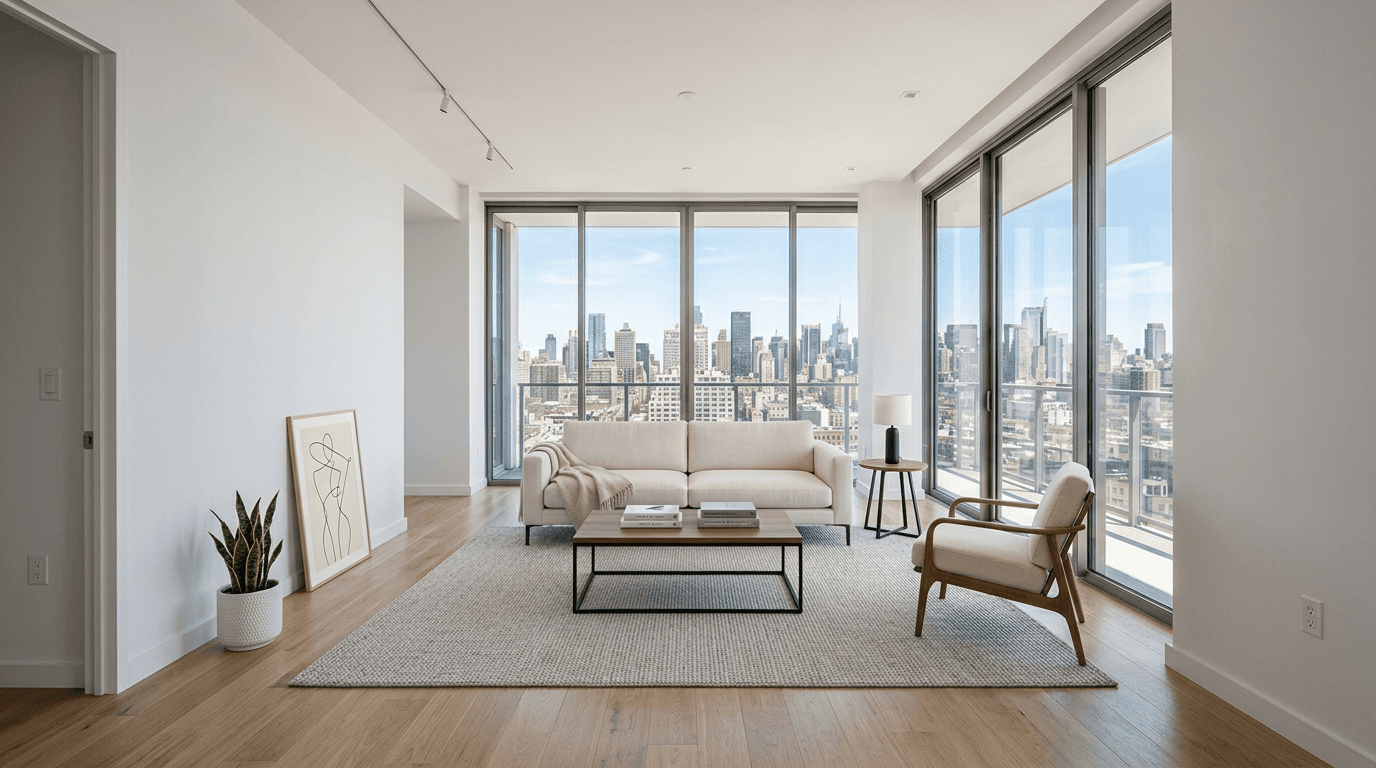
Virtual staging has become one of the most powerful sales tools available to marina slip liveaboard community developers because your product is not just a unit, a dock, or a floating residence, but an entire way of life that many buyers have never experienced firsthand. Unlike conventional real estate, where prospects already understand the rhythms of suburban or urban living, liveaboard communities require developers to sell a hybrid concept that blends residential comfort, marine infrastructure, waterfront leisure, and identity-driven lifestyle appeal. That makes empty slips, unfinished floating homes, and minimally furnished amenity spaces especially difficult to market, because buyers cannot easily visualize how morning coffee on deck, shore-power-equipped workdays, sunset socializing on promenades, and boat-to-home convenience actually feel in everyday life. Virtual staging solves this problem by translating technical inventory into emotionally persuasive, lifestyle-centered imagery that educates niche buyers while increasing desire and reducing hesitation. For developers and marketers in 2026, the goal is no longer to simply show available space, but to strategically stage scenes that clarify use, demonstrate livability, reinforce premium positioning, and answer unspoken questions about comfort, practicality, and community experience before a sales conversation even begins. This guide explains exactly how to deploy virtual staging step by step so your marina development is presented not as empty marine infrastructure, but as an aspirational, believable, and highly marketable liveaboard destination.
According to recent staging metrics by the National Association of Realtors (NAR), professionally staged properties can significantly increase sales speed and perceived value, accelerating the impact for your specific niche.
Step 1: Define the buyer personas and the exact liveaboard lifestyle stories your visuals must communicate
Before any rendering is commissioned or any dockside image is enhanced, marina slip liveaboard community developers need to determine precisely who the visual campaign is intended to persuade and what emotional narrative each image must carry. Virtual staging fails when it is treated as simple decoration layered onto empty space, because your audience is not merely evaluating square footage or berth dimensions; they are trying to assess whether this unusual residential format can support their identity, habits, comfort expectations, and long-term lifestyle goals. In the context of liveaboard communities, buyer segments often vary widely, including active retirees seeking a low-maintenance waterfront life, remote professionals wanting a distinctive work-from-marina setup, seasonal residents desiring lock-and-leave convenience, and boating enthusiasts who want direct integration between vessel ownership and daily living. Each group interprets the same visual differently. A retiree may want to see calm seating areas, accessible deck circulation, and cozy interiors that signal ease and security, while a younger buyer may respond to staged scenes showing laptop-ready dining nooks, paddleboard storage, social dock gatherings, and polished contemporary finishes. Developers should map every inventory type and amenity to a buyer story, deciding whether an image is meant to educate, reassure, inspire, or overcome a specific objection. This also means identifying the misconceptions buyers bring to the category, such as fears about cramped living, uncertainty about privacy, confusion about utility integration, or assumptions that life at a marina is purely recreational rather than truly residential. When virtual staging is guided by persona-based strategy, each image becomes a sales argument rather than a pretty picture, helping prospects immediately understand how slip-side living works in real life. The result is more than visual appeal; it is a deliberate positioning framework that turns niche marine real estate into a legible and desirable product for qualified buyers.
Action Step
Define 3 to 5 core buyer personas and assign a specific lifestyle narrative and objection-handling purpose to every space you plan to virtually stage.
Step 2: Select and prioritize the spaces that most need staging to explain livability and value
The most effective virtual staging programs begin with ruthless prioritization, because not every image in a marina liveaboard development needs the same level of enhancement, and not every space carries equal weight in the buyer decision process. Developers should first identify where prospects are most likely to stall mentally when reviewing marketing materials. In liveaboard communities, this often occurs in spaces that are highly functional but visually ambiguous when empty, such as residential slips, floating home interiors, rooftop or deck areas, waterfront promenades, community clubhouses, bath and laundry facilities, co-working lounges, and transition zones between land-based amenities and marina infrastructure. A vacant slip may look like a technical berth assignment to a newcomer rather than a home base for a refined waterfront life, while an unfurnished floating residence can feel smaller, colder, or less practical than it truly is. Strategic staging helps these spaces communicate scale, use, comfort, and premium value instantly. Developers should evaluate every high-traffic listing image, brochure spread, landing page section, and sales gallery panel by asking whether the raw visual already conveys its purpose or whether the buyer needs interpretive help. In many cases, the highest-return scenes are not the obvious hero shots, but the educational visuals that bridge imagination gaps: a staged aft deck showing dining for two, a salon area configured for remote work and entertaining, a boardwalk scene suggesting neighborly interaction, or a marina-edge fire pit illustrating four-season appeal. Prioritization should also be tied to sales objectives, including pre-construction absorption, premium slip differentiation, pricing support, and brand positioning against competing waterfront products such as condominiums, resort residences, or conventional marina memberships. When developers choose staging targets based on decision friction rather than aesthetics alone, they create an image set that actively moves buyers toward confidence. This approach ensures resources are spent where they influence perception most, helping prospects see not just what exists physically, but why it is valuable, usable, and worth acting on now.
Action Step
Audit your current marketing visuals and rank the top spaces where buyers need the most help understanding livability, scale, and premium value.
Step 3: Build staging concepts that balance aspiration, realism, marine practicality, and brand consistency
Once the right spaces have been selected, the next step is to create staging concepts that feel aspirational enough to elevate the development while remaining realistic enough to earn buyer trust, which is especially important in a niche category where prospects already have questions about functionality. Marina slip liveaboard community developers should avoid the common mistake of importing generic luxury real estate styling into a waterfront marine environment without considering how people actually live in these spaces. Effective virtual staging for this segment should reflect the realities of compact-yet-elegant layouts, moisture-aware materials, durable furnishings, smart storage, indoor-outdoor flow, and the visual language of authentic boating culture. That does not mean leaning into clichés such as excessive nautical decor or novelty styling; rather, it means showing sophisticated, believable use of space that aligns with both the buyer’s aspirations and the community’s practical design constraints. For example, a staged floating home interior should demonstrate circulation clearance, comfortable seating proportions, and a plausible mix of built-in storage and decorative restraint, while an exterior deck scene should account for wind exposure, vessel adjacency, and the kind of furnishings residents would realistically maintain. Just as important, every staged scene should reinforce a coherent brand identity. A development positioned as a modern, design-forward marina village should feature clean lines, understated materials, and polished hospitality-inspired details, whereas a community marketed around relaxed coastal sociability may call for softer textures, convivial outdoor gathering setups, and family-oriented waterfront moments. Developers also need to stage for seasonality and regional context, considering whether buyers need to see all-weather utility, shade solutions, heating elements, storm-conscious layouts, or shoulder-season ambience. In 2026, sophisticated buyers can detect imagery that feels over-rendered, dimensionally inconsistent, or detached from the built reality, and that kind of mismatch damages confidence quickly. The strongest staging concepts therefore act as a visual translation layer between architectural intent and everyday use, helping prospects believe not only that the community is beautiful, but that life there would be comfortable, practical, and aligned with the promises of the brand.
Action Step
Create a staging brief for each priority space that specifies the buyer persona, intended emotional response, realistic furnishings, marine-use considerations, and brand style direction.
Step 4: Produce marketing-ready virtual staging assets optimized for every sales channel and buyer touchpoint
Virtual staging delivers its full value only when developers treat it as a multi-channel sales asset system rather than a one-off enhancement for listing photos. After concepts are approved, the imagery should be produced in a format that supports the entire buyer journey, from first impression through final reservation decision. Marina liveaboard developments typically attract interest through a blend of project websites, investor decks, digital ads, social media, broker outreach, email nurturing, onsite sales centers, PDF brochures, and in some cases luxury portal listings or interactive presentations shown at boat shows and waterfront events. Because of this, developers need staging assets that can work at multiple crops, resolutions, and storytelling depths. A wide hero rendering may be ideal for a homepage banner, but conversion often depends on companion visuals that zoom into specific use cases, such as a staged galley showing compact efficiency, a community pier social scene signaling belonging, or a marina-view work nook supporting remote-living credibility. Captions and contextual copy should accompany these assets strategically so they educate as well as inspire, clarifying features like utility hookups, access control, floating infrastructure, nearby services, or the distinction between residential slips and recreational moorage. It is also wise to sequence images intentionally across channels: broad lifestyle aspiration at the top of the funnel, practical livability proof in mid-funnel materials, and highly specific staged inventory visuals closer to the sales decision. Developers should require technical consistency in lighting, perspective, furnishings, and water conditions across all staged visuals so the overall campaign feels coherent and premium. Moreover, every image should be transparently compliant with local advertising rules and labeled appropriately where required, preserving trust while still maximizing impact. When staging is deployed as an integrated content ecosystem instead of isolated imagery, it educates niche buyers at scale, shortens explanation cycles for sales teams, strengthens perceived professionalism, and increases the likelihood that prospects will move from curiosity about a novel waterfront concept to genuine purchase intent.
Action Step
Package your staged visuals into a channel-specific asset library for website, ads, brochures, email, broker kits, and onsite presentations with consistent copy and compliance labeling.
Step 5: Measure performance, refine visuals, and align staging with sales objections and absorption goals
The final step is to treat virtual staging as an iterative performance tool that should be measured, improved, and directly tied to sales outcomes rather than as a static creative deliverable. Marina slip liveaboard community developers often operate in emerging or highly specialized market segments, which means messaging assumptions need to be tested against actual buyer behavior. Once staged assets are deployed, teams should monitor how prospects interact with them across every channel. This includes website engagement metrics such as click-through rates on gallery images, time spent on pages featuring staged visuals, lead form completion rates, and inquiry patterns connected to specific inventory types. Sales teams should also collect qualitative feedback during calls, tours, discovery meetings, and follow-up emails, noting which images prompt questions, which scenes create excitement, and which objections still persist despite the staging. For example, if prospects continue asking whether a floating residence can support full-time living, the issue may not be lack of interest but inadequate visual proof of storage, utility, workspace, or privacy. If premium slips are drawing views but not conversions, staged imagery may need stronger cues around exclusivity, convenience, or daily-use integration. Refinement can involve changing furniture scale, adjusting lifestyle scenes, clarifying seasonal comfort, or creating alternate staged versions for different personas. Developers should also compare the performance of staged versus unstaged assets in campaigns to quantify lift in lead quality, appointment rates, reservation velocity, and pricing resilience. In a category where education is inseparable from marketing, the best-performing visuals are those that reduce uncertainty while amplifying desire. By building a feedback loop between marketing analytics, broker input, and sales objections, developers can continuously sharpen how the community is visually presented. This turns virtual staging into a strategic absorption lever that supports faster market understanding, stronger emotional connection, and more confident purchasing decisions throughout the lifecycle of the project.
Action Step
Track performance and buyer feedback on every staged asset, then revise underperforming visuals to better answer objections and support lead conversion.
Explore More Resources
Conclusion
Virtual staging is uniquely valuable for marina slip liveaboard community developers because it bridges the gap between unfamiliar infrastructure and highly desirable lifestyle, helping buyers understand not just what they are purchasing, but how they will actually live. When you begin with clear buyer personas, prioritize the spaces that create the most decision friction, stage them with realistic and brand-aligned concepts, deploy the imagery across every marketing channel, and continually refine based on sales performance, virtual staging becomes far more than a cosmetic upgrade. It becomes a practical education tool, a positioning device, and a conversion asset that makes floating homes, residential slips, and waterfront amenities emotionally resonant and commercially legible. In a niche market where imagination gaps can slow absorption, the developers who present believable, polished, and lifestyle-rich visuals will consistently outperform those who rely on empty spaces and technical descriptions alone.
Ready to Stage Your First Room?
Join thousands of top real estate professionals who use AI Virtual Staging to instantly transform vacant photos into fully-furnished masterpieces in under 20 seconds.
Start Staging For FreeFrequently Asked Questions
Why is virtual staging especially important for liveaboard marina developments compared with traditional real estate?
Because liveaboard marina communities sell a lifestyle many buyers have never personally experienced, prospects often need more visual education than they would for a condo, house, or apartment. Virtual staging helps translate empty slips, floating homes, and waterfront amenities into understandable, emotionally appealing living environments.
What spaces should marina developers stage first?
Start with the spaces where buyers struggle most to interpret function and value, including residential slips, floating home interiors, decks, waterfront gathering areas, clubhouses, promenades, and any amenity that supports the idea of full-time or seasonal liveaboard living.
How realistic should virtual staging be for a marina community?
It should be aspirational but highly believable. The best results show elegant yet practical furnishings, authentic marine-use considerations, accurate scale, and realistic lifestyle scenarios that reflect how residents would actually live in a waterfront boating-oriented community.
Can virtual staging help pre-sell marina liveaboard inventory before completion?
Yes. In pre-construction or partially completed developments, virtual staging can be critical for helping prospects understand finished lifestyle potential, differentiate product tiers, justify pricing, and build confidence before the physical environment is fully realized.
How do developers know whether their virtual staging is working?
They should evaluate both quantitative and qualitative signals, including engagement with staged imagery, lead quality, inquiry volume, appointment rates, broker feedback, recurring buyer objections, reservation pace, and overall conversion performance compared with unstaged marketing assets.
Explore More Guides
Continue building your real estate expertise.
The Step-by-Step Guide to Virtual Staging for Urban Micro-Apartment Developers
An authoritative 2026 step-by-step guide for urban micro-apartment developers on using virtual staging to market compact rentals, prove livability, highlight storage, and increase leasing confidence without misleading prospects.
The Step-by-Step Guide to Virtual Staging for Dental Practice Brokers
An authoritative 2026 step-by-step guide for dental practice brokers on using virtual staging to modernize dated operator-owned offices, improve buyer perception, and market treatment rooms, reception areas, and leasehold opportunities ethically and effectively.
The Step-by-Step Guide to Virtual Staging for Mobile Home Park Investors
An authoritative 2026 step-by-step guide for mobile home park investors on using virtual staging to improve listings, lease and sell homes faster, reduce vacancy drag, and create low-cost marketing assets across manufactured housing communities.
The Step-by-Step Guide to Virtual Staging for Urban Loft Condo Conversion Developers
An authoritative 2026 step-by-step guide for urban loft condo conversion developers using virtual staging to market adaptive reuse units, overcome irregular layouts, showcase industrial character, and accelerate downtown condo sales.
The Step-by-Step Guide to Virtual Staging for Manufactured Home Community Sales Teams
An authoritative 2026 step-by-step guide for manufactured home community sales teams using virtual staging to market homes and vacant pads at scale, improve listing quality, reduce buyer hesitation, and support faster community sales.
The Step-by-Step Guide to Virtual Staging for New Construction Infill Townhome Marketers
An authoritative 2026 step-by-step guide for developers, sales teams, and agencies using virtual staging to market new construction infill townhomes, helping buyers visualize layout, scale, and modern urban living before completion.