
The Step-by-Step Guide to Virtual Staging for Conversion of Motels to Micro-Apartments Developers
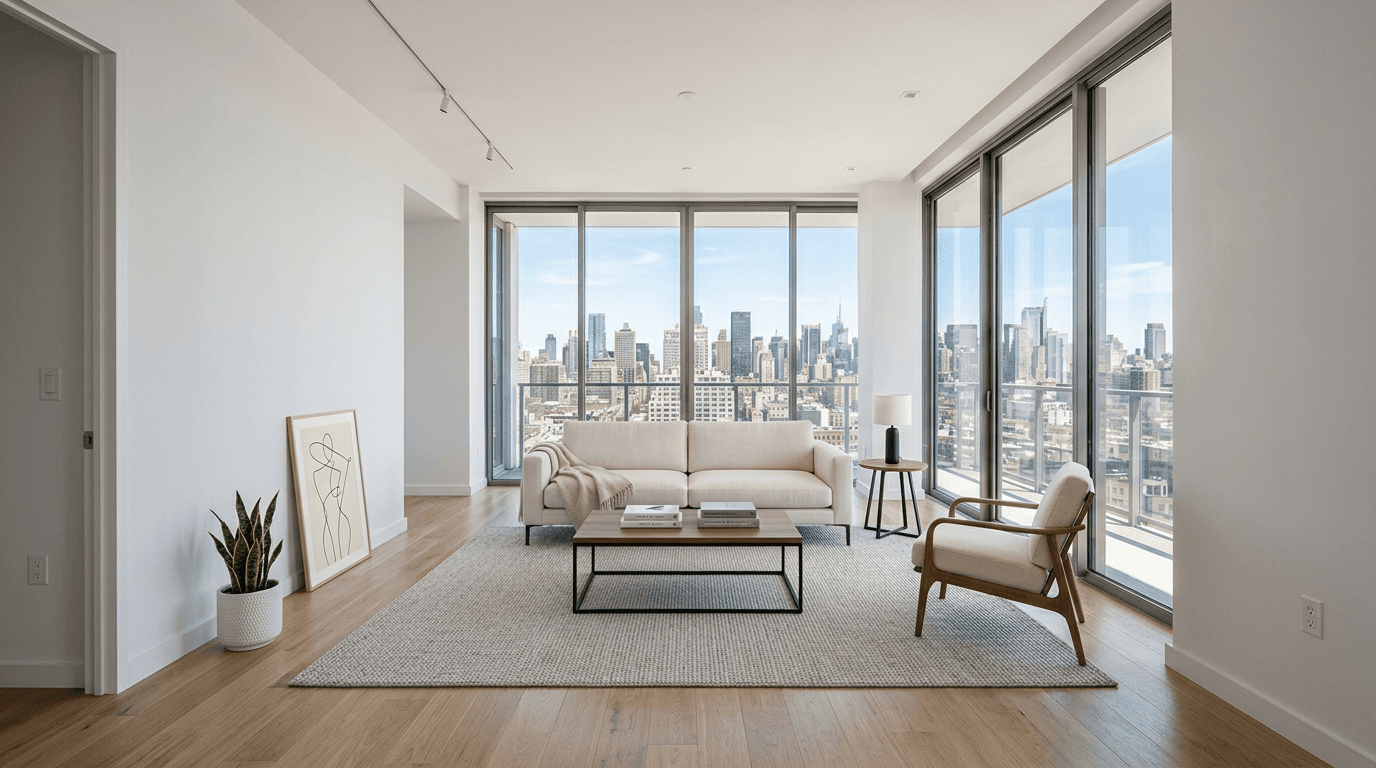
Virtual staging is no longer a cosmetic marketing add-on for motel conversion projects; in 2026, it is a core lease-up, repositioning, and investor-communication tool for developers turning outdated hospitality assets into micro-apartments, workforce housing, and compact rental communities. Older motels carry visual and emotional baggage: residents may associate them with nightly stays, transient occupancy, poor design quality, or distressed locations, while empty converted units often photograph as smaller, colder, and less livable than they truly are. That combination can suppress inquiry volume, reduce perceived value, and slow absorption even when the underlying redevelopment is smart and financially compelling. The strategic purpose of virtual staging in this niche is not simply to make rooms look attractive, but to reframe the asset category entirely, demonstrate realistic livability inside tight footprints, and help prospective renters, municipal stakeholders, lenders, and partners understand how a legacy motel can become a functional residential product. When used correctly, virtual staging helps developers communicate layout logic, storage solutions, work-from-home utility, community identity, and attainable lifestyle value before the first resident ever tours a finished space. This guide explains, step by step, how to use virtual staging to neutralize motel stigma, present tiny units with clarity and honesty, and support faster, more confident lease-up outcomes.
According to recent staging metrics by the National Association of Realtors (NAR), professionally staged properties can significantly increase sales speed and perceived value, accelerating the impact for your specific niche.
Step 1: Define the resident persona and the new story your converted property must tell
Before any rendering begins, the most important decision is not what sofa style to place in the room, but what residential identity the project must project in order to succeed. Converted motels fail in marketing when developers treat virtual staging as decoration rather than as narrative strategy. A former motel has to overcome inherited assumptions about safety, quality, permanence, and livability, especially when the finished product consists of compact units that require intelligent space planning to feel viable. That means every staged image should be built around a specific resident profile and a clearly articulated promise: for example, attainable urban living for workforce tenants, efficient private housing for traveling professionals on longer stays, or minimalist studio living for renters prioritizing location and budget. Once that positioning is clear, virtual staging can show not just a furnished room, but a believable lifestyle that matches your target renter’s daily routine. A micro-apartment aimed at healthcare workers should communicate calm, durability, and order, while a project targeting young professionals may emphasize flexible dining-work surfaces, integrated storage, and clean modern finishes that make compact living feel intentional rather than compromised. This strategic framing also determines color palette, furniture scale, décor restraint, amenity emphasis, and even camera angle selection. If you skip this step, staged images may look polished but generic, and generic imagery does not overcome the psychological leap required to persuade prospects that an old motel is now a legitimate residential choice. Effective virtual staging starts by translating your redevelopment thesis into visual proof that the product serves a real resident better than the property’s past identity suggests.
Action Step
Write a one-page positioning brief identifying your target renter, the project’s core lifestyle promise, and the emotional shift your images must create from “old motel” to “desirable small-home community.”
Step 2: Capture the property in a way that makes small units feel functional, honest, and architecturally coherent
The quality of your virtual staging output will never exceed the quality of the raw visual inputs and the spatial logic behind them, which is especially critical in micro-apartment conversions where every inch matters. Developers often make the mistake of photographing converted motel units too early, too quickly, or without a plan for how staging will communicate flow, function, and dimensions. Because motel rooms tend to have unusual proportions, shallow depths, exterior-entry orientation, or remnants of hospitality-era layouts, your photography and base imagery must be designed to clarify rather than obscure the new residential use. Start by selecting angles that reveal how sleeping, lounging, eating, working, and storage functions coexist in one compact footprint without visual confusion. Wide shots should show the relationship between kitchenette, bed zone, seating, and windows, while detail views should support the credibility of the overall concept by highlighting upgraded finishes, integrated millwork, durable flooring, lighting improvements, and any architectural interventions that distinguish the asset from its motel past. Accuracy is essential here: if dimensions are distorted or if virtual furniture later appears implausibly scaled, prospects will feel misled when they tour in person, and the project’s credibility will suffer. This is why unit plans, rough dimensions, window heights, outlet locations, and fixed features should be documented before staging is commissioned. In many successful lease-up campaigns, the most effective images are not the most dramatic ones but the most legible, because they help renters answer a practical question: can I actually live here comfortably? For former motels, the answer must be visualized through disciplined composition that shows a coherent home, not a disguised hotel room. When raw images are captured with this objective in mind, virtual staging becomes a precise explanatory tool instead of a superficial overlay.
Action Step
Create a shot list for each unit type that prioritizes livability, includes accurate dimensions and floor plans, and captures angles that clearly explain how daily life functions in the space.
Step 3: Use virtual staging to prove livability in compact layouts without exaggerating the space
The most valuable role of virtual staging in motel-to-micro-apartment redevelopment is to solve the perception gap between empty square footage and usable square footage. Empty small units frequently look harsher and smaller than they feel in person because viewers cannot intuit where the bed goes, how circulation works, whether there is room to dine, or how possessions are stored. In a converted motel, that ambiguity is even more damaging because prospects may subconsciously revert to the property’s prior hospitality use and assume the room is only suitable for temporary occupancy. Strong virtual staging counters that by demonstrating a complete and believable residential program within the exact dimensions of the unit. This requires furniture selection at the proper scale, restrained accessory use, and a disciplined commitment to layouts that a real resident could maintain. A platform bed with under-bed storage, a wall-mounted desk or fold-down table, slim-profile seating, open shelving, and compact dining solutions can all visually communicate that the unit has been designed for modern living rather than merely furnished for a photo. At the same time, developers must resist the temptation to over-style with oversized windowscapes, luxury-level décor, or impossible furniture arrangements that inflate the perceived value at the cost of trust. The goal is not to create fantasy; it is to remove uncertainty. That distinction matters enormously for workforce housing and attainable rental communities, where prospective renters are evaluating utility, comfort, privacy, and dignity. The best staged images allow viewers to imagine a normal weekday morning, a work-from-home hour, meal prep, clothing storage, and evening relaxation within the space. When that mental simulation becomes easy, conversion rates improve because the unit stops being an abstract former motel room and starts reading as a compact but viable home. Honest aspirational staging, grounded in realistic use patterns, is what transforms visual skepticism into leasing momentum.
Action Step
Approve staging concepts only if every furniture layout is dimensionally realistic, supports actual daily routines, and helps a renter immediately understand how the unit can be lived in comfortably.
Step 4: Build a full visual leasing package that reframes the property as a community, not just a row of renovated rooms
One of the biggest strategic errors in this asset class is focusing exclusively on staged unit interiors while neglecting the broader community narrative that makes the redevelopment feel stable, intentional, and residential. A former motel does not fully escape its legacy through unit images alone; it must be repositioned as a place where people live, belong, and build routine. For that reason, developers should think of virtual staging as part of an integrated visual leasing package that includes exterior repositioning, common-area imagery, amenity storytelling, and site-wide brand consistency. If the property includes a converted courtyard, grilling area, laundry lounge, bike storage, package lockers, coworking nooks, pet space, or controlled-access improvements, these should be visualized with the same rigor as the units themselves. Prospects evaluating micro-apartments often accept smaller private footprints when the larger community experience compensates with convenience, order, and lifestyle support. This is especially true for workforce renters, who may prioritize commute efficiency, affordability, and safety over raw unit size, but still want visual proof that the property has been professionally reimagined rather than cosmetically refreshed. Exterior staged scenes can help signal landscaping upgrades, cleaner circulation, lighting improvements, signage changes, and more welcoming resident arrival sequences, all of which distance the site from the visual language of roadside lodging. Consistency matters: the design vocabulary in every image should reinforce the same message about the property’s identity, price point, and resident experience. When unit interiors, outdoor spaces, and shared amenities all tell a coherent story, leasing teams gain a much stronger toolkit for websites, brochures, listing syndication, investor updates, and municipal presentations. In effect, you are not merely staging rooms; you are staging credibility. That credibility is what reassures prospects that the project is a legitimate residential community worthy of consideration and application.
Action Step
Develop a complete visual asset package that includes staged interiors, exterior repositioning images, and amenity visuals so the property is marketed as a cohesive residential community rather than an upgraded motel.
Step 5: Deploy, test, and optimize staged visuals to improve inquiries, tours, applications, and lease-up speed
Virtual staging delivers the greatest return when it is treated as an operational performance asset rather than a one-time creative deliverable. Once your images are complete, the next step is to deploy them strategically across every channel that influences perception and conversion, then measure which visuals actually move prospects deeper into the leasing funnel. Developers should align staged image sets to specific uses: hero images for the property website and listing portals, unit-type galleries for floor plan pages, exterior transformation visuals for investor and city communications, and social media or email campaign assets that highlight livability, affordability, and neighborhood convenience. Because converted motels often face skepticism at the top of the funnel, your first image selection matters enormously; the opening visual should quickly communicate modern residential legitimacy, not merely interior decoration. Beyond placement, optimization is essential. Compare lead volume, click-through rates, tour requests, time on page, and application conversion across different unit-type galleries or lifestyle narratives. You may find that prospects respond more strongly to images showing a work desk and storage solution than to a more aesthetically ambitious but less practical composition. Similarly, if one renter segment is highly price sensitive, visuals that emphasize efficiency and quality may outperform luxury-coded imagery. Leasing teams should also use staged images proactively during calls, text follow-ups, and self-guided tour confirmations to pre-answer concerns about size and livability. In 2026, this kind of iterative visual strategy is not optional for adaptive reuse developers competing in crowded rental markets; it is part of modern revenue management and brand control. The purpose of optimization is simple: reduce uncertainty, increase qualified interest, and compress lease-up timelines by ensuring that every image works as hard as the asset itself. The developers who win with motel conversions are the ones who treat visual merchandising as a measurable discipline tied directly to occupancy outcomes.
Action Step
Launch your staged visuals across all leasing channels, track engagement and conversion metrics by image set, and refine the creative based on which visuals generate the most qualified tours and applications.
Explore More Resources
Conclusion
For developers converting older motels into micro-apartments, workforce housing, or compact rental communities, virtual staging is one of the most effective tools available for overcoming legacy stigma and making small spaces feel understandable, desirable, and rentable. Its real value lies in strategic repositioning: defining the right resident story, capturing units accurately, proving livability through realistic layouts, presenting the property as a complete community, and continuously optimizing imagery for leasing performance. When executed with honesty, precision, and market awareness, virtual staging does more than beautify a room; it helps prospects mentally cross the bridge from skepticism to confidence. In a niche where perception can accelerate or delay absorption, that shift is commercially significant. Developers who use virtual staging as part of a disciplined leasing and branding system will be far better positioned to translate adaptive reuse vision into faster inquiries, stronger applications, and a more successful lease-up.
Ready to Stage Your First Room?
Join thousands of top real estate professionals who use AI Virtual Staging to instantly transform vacant photos into fully-furnished masterpieces in under 20 seconds.
Start Staging For FreeFrequently Asked Questions
Why is virtual staging especially important for motel-to-micro-apartment conversions?
Because these projects must overcome both small-unit skepticism and the inherited stigma of the motel format. Empty compact spaces tend to photograph poorly, and former motel properties often trigger assumptions about temporary occupancy or lower quality. Virtual staging helps developers present the new residential identity clearly, show realistic furniture placement, and communicate how the space supports everyday living.
Can virtual staging make very small units look larger than they really are?
It can, but that is precisely what developers should avoid. The best results come from accurate, dimensionally realistic staging that demonstrates efficient use of space rather than artificially inflating it. Honest staging builds trust, improves tour-to-application conversion, and reduces disappointment during in-person visits.
What kinds of unit features should be emphasized in staged images for workforce housing or micro-apartments?
Focus on features that prove practical livability, such as smart furniture scale, under-bed storage, compact dining or work surfaces, kitchenette functionality, durable finishes, natural light, and clear circulation paths. Prospects need to see how daily routines fit into the unit, not just that the space looks stylish.
Should developers stage only interiors, or also exterior and common areas?
They should stage both whenever possible. Interiors help renters understand the unit, but exterior and amenity visuals are essential for repositioning the property as a real residential community. Courtyards, laundry areas, coworking nooks, lighting upgrades, landscaping, and arrival sequences all contribute to changing perception from motel to apartment living.
How do developers measure whether virtual staging is actually improving lease-up performance?
Track metrics across the funnel, including listing click-through rates, website engagement, lead volume, tour requests, application rates, and time to lease by unit type. Comparing performance across different image sets and messaging angles can reveal which visuals are most effectively reducing uncertainty and generating qualified renter interest.
Explore More Guides
Continue building your real estate expertise.
The Step-by-Step Guide to Virtual Staging for Short-Term Rehab Housing Providers
Learn how short-term rehab housing providers can use virtual staging in 2026 to present temporary recovery rentals as comfortable, accessible, clean, and referral-ready. This step-by-step guide covers room selection, recovery-focused design, compliance-minded visuals, photo preparation, and marketing deployment.
The Step-by-Step Guide to Virtual Staging for Luxury Desert Retreat Villa Marketing Teams
An authoritative 2026 step-by-step guide for luxury desert retreat villa marketing teams on using virtual staging to overcome harsh desert light, showcase indoor-outdoor living, and create premium visuals that support top-tier pricing.
The Step-by-Step Guide to Virtual Staging for Senior Apartment Lease-Up Marketing Teams
An authoritative step-by-step guide for senior apartment lease-up marketing teams on using virtual staging to accelerate pre-leasing, help 55+ prospects visualize downsized living, and differentiate online listings in 2026.
The Step-by-Step Guide to Virtual Staging for Senior Cohousing Community Developers
An authoritative 2026 step-by-step guide for senior cohousing community developers on using virtual staging to pre-sell cohousing, communicate shared amenities and private residences, reduce buyer skepticism, and differentiate from traditional 55+ communities.
The Step-by-Step Guide to Virtual Staging for Yacht Club Residence Developers
An authoritative 2026 step-by-step guide for yacht club residence developers using virtual staging to market marina-adjacent homes, elevate waterfront branding, and convert affluent lifestyle buyers.
The Step-by-Step Guide to Virtual Staging for Married Student Housing Operators
An authoritative 2026 step-by-step guide for married student housing operators on using virtual staging to market graduate and family-oriented units, communicate comfort and practicality, and improve leasing performance.