
The Step-by-Step Guide to Virtual Staging for Mountain Modern Custom Home Builders
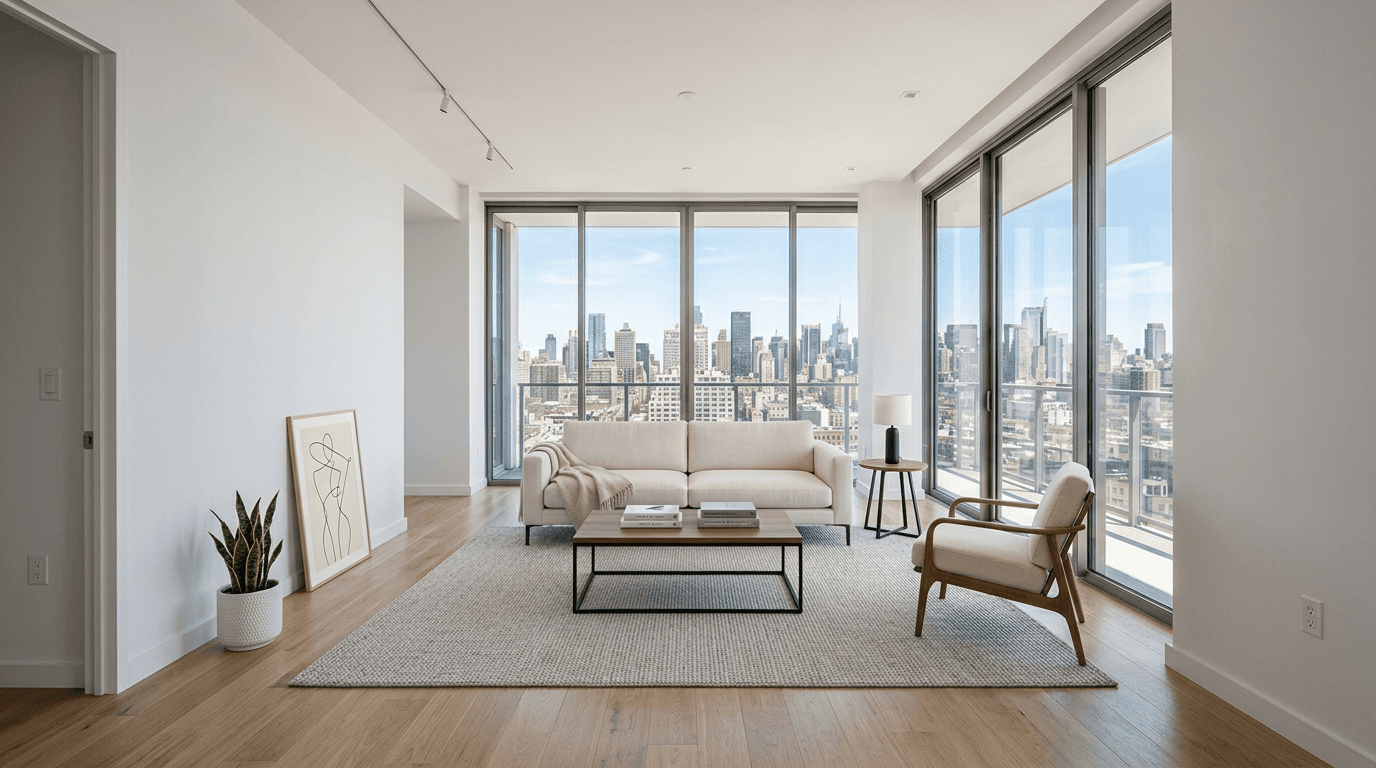
For mountain modern custom home builders, selling a vacant new build is rarely just a visibility problem; it is a visualization problem. In alpine and high-elevation markets, your homes often feature dramatic scale, soaring glass, exposed timber, sculptural fireplaces, steel detailing, and panoramic views that are breathtaking in person but can feel cold, oversized, or unfinished in listing photos when the rooms are empty. That disconnect becomes expensive fast. Every extra week on market compounds seasonal carrying costs, compresses pricing leverage, and increases the risk that buyers admire the architecture intellectually without emotionally committing to the lifestyle your build was designed to deliver. In 2026, virtual staging has evolved into a serious sales tool for luxury new construction, especially for mountain modern product where the goal is not to hide flaws but to interpret space, proportion, and lifestyle with precision. When used strategically, it helps buyers understand how a double-height great room lives on a snowy weekend, how a wall of windows frames a furnished conversation area, and how a clean contemporary interior can still feel warm, elevated, and regionally appropriate. This guide walks mountain modern builders through a practical, high-conviction process for using virtual staging to shorten the imagination gap, strengthen online presentation, and position vacant custom homes as compelling turnkey aspirations rather than beautiful but emotionally distant structures.
According to recent staging metrics by the National Association of Realtors (NAR), professionally staged properties can significantly increase sales speed and perceived value, accelerating the impact for your specific niche.
Step 1: Start with the buyer story before you stage a single room
The most effective virtual staging for mountain modern custom homes does not begin with furniture selection, software, or rendering style; it begins with a disciplined understanding of the buyer you are trying to move from admiration to action. Builders often make the mistake of treating staging as a decorative overlay when, in reality, it is a narrative tool that must interpret architecture through the lens of a likely end user. In alpine luxury markets, buyers are not simply evaluating square footage and finish levels. They are buying a version of life: winter weekends around a linear fireplace after skiing, multigenerational gatherings in a vaulted great room, quiet mornings facing snow-covered ridgelines, and seamless indoor-outdoor entertaining during the short but vibrant summer season. Your virtual staging strategy should therefore map each major space to a lifestyle moment that fits the home’s architecture, location, and price point. A sleek ridge-top spec may call for refined contemporary furnishings with organic textures, understated performance fabrics, sculptural lighting, and a restrained palette that supports the view, while a more timber-forward custom build may benefit from a warmer interpretation with layered wool, boucle, leather, and stone-accented styling that softens scale without feeling rustic or dated. This step is especially important for large vacant great rooms, which can look cavernous online if there is no visual cue explaining where conversation, dining, and circulation naturally occur. By defining who the likely buyer is, what emotional outcome they seek, and how each room supports that outcome, you ensure every staged image has strategic intent. That clarity also prevents common mistakes such as overfurnishing, using generic urban-contemporary pieces that clash with the setting, or creating scenes that are beautiful but disconnected from how mountain-luxury buyers actually want to live.
Action Step
Write a one-page buyer and lifestyle brief for the home, defining the target purchaser, their likely use of the property, and the emotional purpose of each room before any staging begins.
Step 2: Choose photography and viewpoints that let virtual staging sell scale, warmth, and view
Virtual staging is only as persuasive as the underlying photography, and this is where many mountain modern builders unintentionally undermine the result. Because these homes rely so heavily on spatial drama, natural light, and their relationship to the landscape, the source images must be composed to communicate depth, proportion, and focal hierarchy before furnishings are ever added. Wide shots are necessary, but they should not be careless. If the camera is too far back, too distorted, or positioned without regard to architectural lines, the final staged image can feel exaggerated, confusing, or inauthentic. The goal is to capture views that allow furniture placement to clarify how the room lives while preserving the home’s strongest features: the fireplace wall, the glazing, the ceiling treatment, the kitchen-to-great-room connection, and the transition to decks or terraces. In large vacant spaces, especially double-height great rooms, strong angles help establish usable zones and prevent buyers from perceiving the room as a beautiful but impractical void. Lighting matters just as much. Snow-reflected brightness, mixed interior temperatures, and high-contrast glazing can flatten detail or wash out materials if not properly managed, so professional real estate photography calibrated for luxury architecture is essential. Exterior conditions should also support the story you want to tell. Depending on seasonality, a winter image can underscore coziness and ski access, while shoulder-season imagery may better showcase architecture and site lines. Builders should think beyond hero shots and plan for a sequence of views that will support both listing flow and marketing assets: the great room, kitchen, dining area, primary suite, office or bunk room, outdoor living zone, and any specialty features like a mudroom or wellness space. When photography is captured with virtual staging in mind, the resulting images feel grounded, proportionate, and believable, which is exactly what luxury buyers need in order to trust what they are seeing online.
Action Step
Schedule professional architectural photography with a shot list specifically designed for virtual staging, prioritizing angles that showcase the great room, view corridors, and natural furniture zones.
Step 3: Stage for mountain modern authenticity, not generic luxury
Once your strategy and imagery are in place, the central challenge becomes stylistic accuracy. Mountain modern is not a catchall phrase for expensive furniture in a house with views. It is a distinct design language that balances contemporary restraint with material warmth, and your virtual staging must honor that balance if it is going to strengthen credibility rather than erode it. Buyers in alpine luxury markets are often design-literate; they notice when interiors feel too urban, too coastal, too farmhouse, or too heavily rustic for the architecture. The best virtual staging for these homes uses furnishings and decor to reinforce the builder’s design intent rather than compete with it. That means scaled seating that makes a soaring great room feel inviting without crowding circulation, textural layers that soften glass-and-steel volumes, dining settings that communicate entertaining capacity, and bedroom compositions that suggest retreat and recovery after outdoor recreation. Color palettes should usually draw from the site and materials already present in the home: charcoal, warm whites, taupe, mineral gray, cognac leather, oak, walnut, matte black, and muted greens or blues that echo forest, stone, and sky. Accessories should be selective and editorial, not cluttered. A few well-chosen objects, art pieces, books, or throws can imply sophistication and livability, but visual noise weakens the calm confidence that mountain modern architecture depends on. This is also the stage where builders should think carefully about room function. An oversized loft should not be staged ambiguously if it could clearly read as a media lounge or executive home office. A secondary bedroom in a resort market may benefit from a bunk-room concept if that aligns with buyer expectations. Every scene should answer an unspoken question for the buyer: how would I actually use this space? When virtual staging achieves architectural harmony and functional clarity at the same time, it transforms vacant rooms from abstract volume into emotionally legible living environments.
Action Step
Approve a staging style guide that specifies furnishings, materials, palette, scale, and room use so every rendered scene aligns with true mountain modern architecture and your likely buyer.
Step 4: Use virtual staging across the full sales funnel, not just on the MLS
A common mistake among custom home builders is treating virtual staging as a listing-photo enhancement rather than a coordinated sales asset that should influence every stage of buyer engagement. In reality, its value compounds when it appears consistently across the full marketing funnel, from first impression to final walkthrough. The staged hero images should absolutely improve MLS and portal performance by helping buyers stop scrolling and engage with a vacant property that might otherwise feel emotionally inaccessible. But the same assets should then be repurposed for builder websites, landing pages, digital ad campaigns, email marketing, social media reels, printed brochures, presentation decks for brokers, and follow-up materials used by sales teams after a showing. In luxury mountain markets, where buyers may be second-home purchasers, relocation clients, or out-of-state prospects making preliminary decisions remotely, staged imagery often carries a disproportionate amount of influence before anyone ever steps on site. It can help sales teams explain layout logic, justify premium pricing, and frame a home as move-in aspirational rather than merely complete. This is especially powerful when paired with unstaged reference images and transparent labeling, because it demonstrates both vision and honesty. Builders can also use staged visuals to support conversations about optional furnishing packages, design service referrals, or how specific rooms can flex for family, work, wellness, or guest capacity. Internally, virtual staging can improve alignment between marketing staff, project managers, and outside brokers by giving everyone the same language to describe the lifestyle promise of the home. Instead of saying the great room is expansive, you can show exactly how the conversation area, dining zone, and sightline to the terrace create an experience. When staging is embedded across channels rather than isolated inside a listing gallery, it becomes a strategic communication tool that shortens buyer hesitation and increases the perceived completeness of the offering.
Action Step
Build a distribution plan for your staged images so they are used consistently across MLS, website, ads, email, social, brochures, and broker materials instead of only in the listing gallery.
Step 5: Measure performance, refine by season, and create a repeatable builder marketing system
The builders who get the highest return from virtual staging do not treat it as a one-off visual fix; they build it into a repeatable marketing system informed by actual sales performance. In mountain and high-elevation markets, this matters even more because seasonality changes buyer psychology, property access, visual mood, and urgency. A home marketed heading into ski season may benefit from staged scenes emphasizing warmth, gathering, and après-ski relaxation, while the same home in summer may need imagery that highlights indoor-outdoor flow, wellness, and long-view entertaining. By reviewing engagement data, inquiry quality, showing volume, time on market, and agent feedback, builders can learn which staged rooms create the strongest response and where buyer confusion still exists. You may find that the great room hero image drives clicks, but a staged dining area or primary suite image improves tour conversion because it helps buyers understand the home’s livability beyond its dramatic architecture. You may also learn that certain design directions resonate more with your market segment, such as cleaner contemporary compositions for ultra-luxury buyers or slightly warmer, family-oriented scenes for destination second-home purchasers. Over time, these insights should be documented into a standardized process: when photography is ordered, which rooms are always staged, what style parameters define your brand, how assets are labeled, where they are deployed, and how results are reviewed after launch. That operational discipline not only improves marketing efficiency across multiple builds, but also strengthens brand consistency and broker confidence. In 2026, builders competing in premium alpine markets need more than beautiful homes; they need systems that help buyers immediately understand value, lifestyle, and emotional fit. Virtual staging becomes most powerful when it is measured, refined, and institutionalized as part of how your company brings every vacant mountain modern home to market.
Action Step
Create a post-launch review process that tracks performance of staged assets by season, room, and channel so you can refine future campaigns and standardize what works across every new build.
Explore More Resources
Conclusion
For mountain modern custom home builders, virtual staging works best when it is approached as a strategic interpretation of architecture, not a cosmetic add-on. Vacant luxury homes in alpine markets often lose emotional momentum online because buyers can appreciate scale and craftsmanship without fully understanding how the home will feel to inhabit. By defining the buyer story first, capturing photography that supports spatial clarity, staging with authentic mountain modern sensibility, deploying the assets across the entire sales funnel, and measuring what performs over time, builders can turn empty rooms into persuasive visual narratives. The result is stronger engagement, clearer lifestyle positioning, better support for premium pricing, and a practical path to reducing the carrying-cost pressure that comes with unsold inventory in seasonal markets.
Ready to Stage Your First Room?
Join thousands of top real estate professionals who use AI Virtual Staging to instantly transform vacant photos into fully-furnished masterpieces in under 20 seconds.
Start Staging For FreeFrequently Asked Questions
Is virtual staging appropriate for luxury mountain modern homes, or do high-end buyers prefer empty spaces?
Luxury buyers may appreciate architecture, but most still respond more strongly when scale and function are made legible. In large vacant mountain modern homes, especially those with expansive great rooms and high ceilings, emptiness can make rooms feel colder and less intuitive online. Well-executed virtual staging helps buyers understand proportion, conversation zones, and lifestyle without altering the underlying architecture.
How many rooms should a mountain modern builder virtually stage in a vacant new build?
In most cases, builders should prioritize the spaces that carry the emotional and financial weight of the sale: the great room, kitchen/dining relationship, primary suite, a key flexible space such as an office or bunk room, and one meaningful outdoor living area if applicable. The goal is not to stage every room, but to clarify the story of how the home lives.
Will virtual staging mislead buyers or create trust issues?
Not when it is used transparently and professionally. Staged images should be clearly labeled as virtual staging, and the furnishings should be realistic in scale, style, and placement. In luxury new construction, the purpose is to help buyers visualize function and atmosphere, not to conceal defects or misrepresent finishes. Honest presentation often increases trust because it shows both the home’s current condition and its potential.
What design style works best for staging mountain modern custom homes in 2026?
The strongest approach is typically a restrained, warm contemporary look that supports the architecture and view rather than overpowering them. Think clean-lined furnishings, organic textures, natural woods, muted mineral tones, matte black accents, and carefully edited accessories. The exact mix should reflect the home’s materials, elevation, market tier, and likely buyer profile.
Can virtual staging actually help reduce carrying costs for custom home builders?
Yes, if it improves engagement and shortens time on market. In seasonal mountain markets, every additional month of ownership can mean ongoing financing, utilities, maintenance, snow management, and missed opportunity costs. Virtual staging helps buyers connect emotionally faster, which can improve inquiry quality, tour conversion, and overall sales velocity when paired with strong photography and distribution.
Explore More Guides
Continue building your real estate expertise.
The Step-by-Step Guide to Virtual Staging for Church Property Redevelopment Consultants
An authoritative 2026 step-by-step guide for church property redevelopment consultants on using virtual staging to visualize adaptive reuse, build stakeholder support, attract investors, and strengthen approvals for housing, school, office, and mixed-use conversions.
The Step-by-Step Guide to Virtual Staging for Senior Move Management Companies
Learn how senior move management companies can use virtual staging to transform dated, overfurnished homes into safer, cleaner, more marketable listings in 2026. This guide covers planning, photography, compliance, family communication, and listing optimization.
The Step-by-Step Guide to Virtual Staging for Luxury High-Rise Condo Listing Agents
An authoritative 2026 step-by-step guide for luxury high-rise condo listing agents on using virtual staging to elevate vacant units, attract premium buyers, justify higher commissions, and market urban high-rise listings with polished, conversion-focused visuals.
The Step-by-Step Guide to Virtual Staging for Golf Course Community Home Builders
Learn how golf course community home builders can use virtual staging to market spec homes and inventory models more effectively, connect with retirees and affluent buyers, and increase conversions in 2026.
The Step-by-Step Guide to Virtual Staging for Urban Micro-Apartment Developers
An authoritative 2026 step-by-step guide for urban micro-apartment developers on using virtual staging to market compact rentals, prove livability, highlight storage, and increase leasing confidence without misleading prospects.
The Step-by-Step Guide to Virtual Staging for Dental Practice Brokers
An authoritative 2026 step-by-step guide for dental practice brokers on using virtual staging to modernize dated operator-owned offices, improve buyer perception, and market treatment rooms, reception areas, and leasehold opportunities ethically and effectively.