
The Step-by-Step Guide to Virtual Staging for Surplus School Conversion Developers
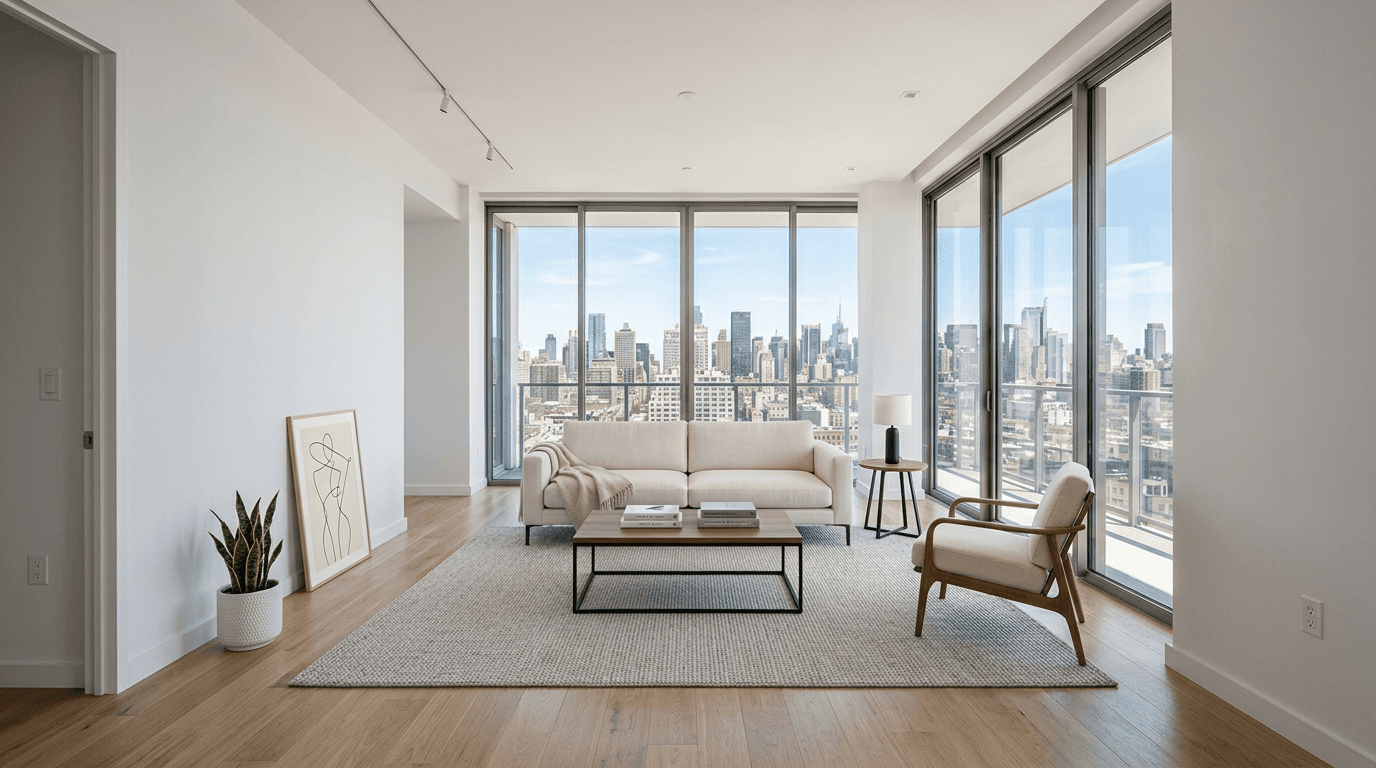
Virtual staging has become one of the most important marketing tools available to surplus school conversion developers because former schools rarely sell themselves through empty photography alone. In 2026, buyers, leasing prospects, investors, and municipal stakeholders all expect to understand not just what a building was, but what it is becoming, and that is exactly where many adaptive reuse projects fail in their presentation. Long corridors, oversized classrooms, double-loaded hallways, original stairwells, gymnasiums, auditoriums, and unconventional window placements can make a vacant school feel confusing rather than full of opportunity. At the same time, the very historical details that give these properties pricing power and emotional appeal, such as terrazzo floors, tall ceilings, chalkboards, masonry, industrial windows, and period millwork, often disappear in stark, uncontextualized images. Virtual staging solves this gap by translating architectural complexity into immediate livability, showing how large former classrooms become elegant lofts, how awkward circulation becomes functional residential flow, and how preserved heritage features can anchor premium design. For developers, this is not a decorative afterthought; it is a strategic tool for shortening the time between entitlement, pre-sales, leasing, and final disposition. The most effective campaigns do more than make rooms look furnished. They tell a coherent development story, align visuals with target buyer segments, and prove that a distinctive former institution can become a compelling place to live. This guide walks through the exact process for doing that well, step by step, so your virtual staging supports absorption, pricing, and brand credibility rather than creating generic imagery that undermines the project’s unique value.
According to recent staging metrics by the National Association of Realtors (NAR), professionally staged properties can significantly increase sales speed and perceived value, accelerating the impact for your specific niche.
Step 1: Start with a conversion-specific marketing strategy before you stage a single image
The biggest mistake surplus school conversion developers make with virtual staging is treating it as a cosmetic service instead of a strategic translation tool. Before any furniture style, rendering direction, or room scene is selected, you need a clear marketing framework that defines who the property is for, which unit types are hardest to explain, and which historic features will carry the emotional and financial story of the redevelopment. A former school is not marketed like a garden apartment complex because its value proposition depends on interpretation. Buyers and renters are being asked to understand a before-and-after transformation, and that means your staging plan must begin with the project narrative: is this an industrial-chic loft conversion for design-conscious urban professionals, a family-oriented adaptive reuse community with generous ceiling heights and oversized windows, or a mixed residential development where heritage identity is a core branding asset? Once that positioning is established, map the pain points that empty photos fail to solve, such as oversized classrooms that read as cavernous, corridors that feel institutional, or unusual unit footprints that make furniture placement difficult to imagine. Then identify the exact visuals required to answer those concerns. In many school conversions, the highest-value virtual staging targets are not necessarily the prettiest rooms, but the spaces most likely to create hesitation, including corner units with asymmetrical walls, former administrative offices transformed into compact studios, or amenity zones built from libraries and cafeterias. A disciplined strategy also ensures consistency between your staged imagery, floor plans, website copy, broker materials, and investor decks. When every visual reinforces the same buyer promise, your project feels intentional and credible. When staging is done ad hoc, prospects sense uncertainty. In adaptive reuse, confidence sells. Strategic virtual staging should therefore begin as a development marketing decision, not an afterthought delegated at the end of the photo process.
Action Step
Define your target buyer segments, list the 5 to 10 most confusing or highest-value spaces in the conversion, and create a staging brief that explains the project story each image must communicate.
Step 2: Capture photography and source files that preserve scale, architecture, and historic identity
Exceptional virtual staging for former school conversions depends on exceptional source material, and this is where many otherwise sophisticated developments undermine themselves. If your original photography does not accurately capture ceiling heights, window proportions, corridor depth, masonry texture, floor condition, and preserved architectural elements, the final staged images will either feel artificial or fail to showcase the very features that justify the project’s premium positioning. Adaptive reuse properties require more disciplined image planning than conventional residential assets because scale is one of the main selling points, yet scale is also one of the easiest qualities to distort. Wide-angle photography may help fit a large classroom-turned-loft into frame, but overuse can make walls bow, furnishings appear undersized, and room relationships feel misleading. Instead, your photographer should work from a shot list built specifically for conversion marketing, balancing broad perspective views with tighter compositions that highlight original windows, transoms, stair details, exposed structure, old classroom doors, and other retained character elements. You should also capture transitional spaces, not only finished units, because buyers often need help understanding how institutional circulation has been humanized into residential experience. In addition to high-resolution photos, provide floor plans, reflected ceiling plans when relevant, finish schedules, and any design intent documents that help the staging team understand what is structurally fixed versus visually flexible. If amenity areas are still under construction, reference images and material boards become even more important for realism. The goal is not simply to create attractive pictures, but to maintain architectural truth while making the future lifestyle legible. This matters because school conversions attract scrutiny. Prospects tend to look closely at proportions, natural light, privacy, and window placement precisely because the layout is unusual. The more accurate your inputs, the more persuasive and defensible your virtual staging becomes, reducing the gap between expectation and reality when people arrive for tours.
Action Step
Commission a conversion-focused photo shoot with a precise shot list and send your staging team high-resolution images, floor plans, finish schedules, and preserved-feature references before any rendering begins.
Step 3: Design staged interiors that make unusual layouts feel livable without erasing the building’s past
The most effective virtual staging for surplus school conversions solves a delicate design challenge: it must make unconventional spaces feel immediately functional while preserving the heritage cues that differentiate the property from generic new-build inventory. Too many developers default to fashionable but context-free interiors that could belong in any apartment listing, which sacrifices one of the redevelopment’s strongest commercial advantages. A former classroom with 12-foot ceilings, oversized windows, and original casework should not be staged as if it were a standard suburban box. Instead, the staged design needs to show exactly how a resident would inhabit the room at its true scale. That means using furniture layouts that clarify circulation, define zones, and demonstrate proportional fit, especially in large open plans where buyers struggle to understand how living, dining, sleeping, and work areas coexist. In a lofted classroom conversion, for example, a thoughtful arrangement can visually explain where a sectional belongs, how a dining table relates to the kitchen, and where a reading nook or home office can sit beneath original windows without making the space feel crowded. At the same time, heritage features should be framed as assets, not background noise. If a chalkboard wall has been retained as an art feature, if maple flooring has been restored, or if original doors and trim remain, your staging should complement those elements through material palette, scale, and styling choices rather than burying them beneath trend-driven décor. The design should also align with the target audience. A boutique urban loft buyer may respond to restrained, architectural furnishings and layered texture, while a family-oriented repositioning may require warmer, more practical scenes that show bedroom flexibility and dining capacity. The key is disciplined realism. Every staged image should answer the silent buyer question, “How would I actually live here?” while reinforcing the emotional truth that this is not just recycled square footage, but a distinctive home with a story. When virtual staging achieves both clarity and character, it elevates the perceived value of the entire conversion.
Action Step
Review each target image and choose staging concepts that clarify furniture placement, functional zoning, and resident lifestyle while intentionally highlighting the school’s preserved architectural details.
Step 4: Use virtual staging to explain the full residential journey, not just isolated rooms
For school conversion developers, virtual staging works best when it is deployed as a narrative system across the project rather than as a handful of attractive hero shots. Buyers and renters do not evaluate adaptive reuse properties room by room in isolation; they evaluate whether the entire living experience makes sense, from arrival and circulation to private space, amenities, and community identity. This is especially important in former schools because a vacant image set can unintentionally emphasize institutional remnants such as long corridors, repetitive doors, and oversized common areas without showing how those elements have been transformed into a desirable residential environment. Your staged visual sequence should therefore guide prospects through a coherent story. Begin with exterior and entry imagery that establishes architectural credibility and signals the repositioning, then move into common spaces that humanize the former institutional layout, followed by staged units that demonstrate a range of use cases across different floor plans. If the project includes a converted library lounge, gymnasium amenity area, rooftop addition, coworking space, or repurposed auditorium event room, these spaces should be staged to communicate both functionality and identity because they help prospects understand the development as a place, not just a product. Just as important, you should use staging to address friction points proactively. If a unit has an unusually deep footprint, stage it to show lighting layers and zone definition. If a bedroom borrows light or sits in a nontraditional location, show how privacy, storage, and furniture scale still work. If a corridor is architecturally dramatic but potentially intimidating, stage adjacent moments that soften and contextualize it. This approach improves more than listing appeal; it supports your website, broker email campaigns, social media, offering memoranda, pre-leasing decks, and sales center displays with a unified visual logic. In adaptive reuse, prospects need a guided interpretation of space. When your virtual staging maps the full resident journey, you reduce confusion, strengthen emotional connection, and make an unusual building feel comprehensible, aspirational, and market-ready.
Action Step
Build a staged image sequence that tells the prospect’s full experience from exterior arrival to amenities to unit interiors, with each image answering a specific buyer question about livability or identity.
Step 5: Validate accuracy, deploy across channels, and measure whether staging improves absorption and pricing power
Virtual staging only creates real value for surplus school conversion developers when it is accurate, compliant, and tied to measurable marketing outcomes. Because adaptive reuse properties often involve scrutiny from preservation-minded buyers, municipal stakeholders, and detail-oriented prospects, the final images must reflect the as-built reality closely enough to build trust rather than invite disappointment. Before publishing, review every staged image against current plans, actual finishes, window locations, ceiling conditions, appliance specifications, and any preservation commitments made in approvals or marketing materials. Confirm that room dimensions are respected, furniture scale feels plausible, and no visual elements imply features that will not exist at delivery. Depending on your market and channel, include clear disclosures that images are virtually staged representations, particularly for pre-completion or partially completed areas. Accuracy is not merely a legal safeguard; it is a conversion tool. The closer your visuals are to the real product, the smoother the transition from online interest to in-person confidence. Once approved, deploy the imagery systematically. Use different staged scenes for listing portals, project websites, paid social campaigns, email nurturing, brochure spreads, leasing presentations, and investor communications, tailoring the image order to the audience while preserving a consistent project story. Then track performance rigorously. Compare engagement rates on staged versus unstaged images, monitor time on page for unit galleries, evaluate lead quality by unit type, and assess whether staged layouts reduce repetitive sales questions or improve tour-to-reservation conversion. For projects with multiple phases, test alternative staging styles to see which buyer segments respond more strongly. School conversions are too specialized to market by instinct alone. The best developers treat virtual staging as a data-informed sales asset that can support faster absorption, stronger pricing resilience, and clearer market understanding over the life of the redevelopment. When measured properly, staging becomes part of your development intelligence, not just your presentation package.
Action Step
Audit every staged image for accuracy, publish them with appropriate disclosures, and track lead engagement, tour conversion, and pricing response to prove the staging strategy is working.
Explore More Resources
Conclusion
Virtual staging is uniquely powerful for surplus school conversion developers because it solves the exact challenges that make adaptive reuse both valuable and difficult to market: unusual layouts, emotionally important historic character, and a buyer’s need to visualize future living rather than past institutional use. When approached strategically, supported by accurate photography and plans, designed to clarify livability, structured into a full project narrative, and measured against real sales and leasing outcomes, virtual staging does far more than beautify empty rooms. It translates complexity into confidence. For former schools being repositioned as lofts, apartments, or mixed residential communities, that translation is often the difference between intrigue and hesitation, between a memorable heritage asset and a misunderstood listing. Developers who use virtual staging with discipline can preserve the story of the building while making its next chapter immediately legible to the market.
Ready to Stage Your First Room?
Join thousands of top real estate professionals who use AI Virtual Staging to instantly transform vacant photos into fully-furnished masterpieces in under 20 seconds.
Start Staging For FreeFrequently Asked Questions
Why is virtual staging especially important for former school conversion projects?
Former schools typically have layouts that are unfamiliar to residential buyers, including oversized rooms, long corridors, unconventional window patterns, and repurposed institutional spaces. Empty photos often make these features feel confusing or cold. Virtual staging helps prospects understand scale, circulation, furniture placement, and everyday livability while also preserving the visual importance of historic elements that support premium pricing.
Can virtual staging help market units before construction is fully complete?
Yes. In fact, it is particularly valuable during pre-leasing and pre-sales phases when buyers need to understand the finished vision before all spaces are physically ready. With accurate source photography, plans, finish schedules, and design direction, developers can create realistic staged images that communicate the intended residential experience while still using appropriate disclosures about what is complete versus representative.
How do we avoid making a historic school conversion look too generic in staged images?
The key is to stage around the building’s preserved character rather than covering it up with trend-driven décor. Use layouts, materials, and styling that highlight original windows, ceiling heights, millwork, masonry, flooring, chalkboards, or other retained features. The most effective staged images make those elements feel central to the lifestyle story so the property stands apart from standard apartment inventory.
Which spaces should developers prioritize for virtual staging first?
Start with the spaces that create the most buyer uncertainty or deliver the most marketing leverage. That usually includes model unit types with unusual footprints, large former classrooms converted into open-plan residences, key amenity areas such as libraries or gyms, and any common spaces where the shift from institutional to residential identity needs clarification. Prioritize images that answer the biggest sales questions, not just the most photogenic rooms.
How can developers measure whether virtual staging is actually improving results?
Track both engagement and conversion metrics. Compare staged and unstaged image performance in listings and ad campaigns, monitor time on page and click-through behavior on galleries, review lead quality by unit type, and measure whether staged visuals reduce objections during tours. Most importantly, connect the imagery to business outcomes such as faster absorption, stronger inquiry-to-tour conversion, improved reservation rates, and better pricing confidence for harder-to-explain units.
Explore More Guides
Continue building your real estate expertise.
The Step-by-Step Guide to Virtual Staging for Luxury Lakehouse Portfolio Brokerages
An authoritative 2026 step-by-step guide for luxury lakehouse portfolio brokerages on using virtual staging to overcome seasonality, elevate vacant listings, and help buyers visualize entertaining, remote work, and multigenerational living across upscale lakefront homes.
The Step-by-Step Guide to Virtual Staging for 55+ Active Adult Resale Specialists
Learn how 55+ active adult resale specialists can use virtual staging to transform personalized or outdated listings into move-in-ready, buyer-friendly marketing that attracts downsizers and drives stronger engagement in 2026.
The Step-by-Step Guide to Virtual Staging for Tiny Home Village Developers
An authoritative 2026 step-by-step guide for tiny home village developers on using virtual staging to market small-footprint homes, prove livability, showcase community lifestyle, and improve sales, leasing, and mixed-use resort-residential conversions.
The Step-by-Step Guide to Virtual Staging for Agrihood Homebuilder Marketing Teams
An authoritative step-by-step guide for agrihood homebuilder marketing teams on using virtual staging to communicate farm-centered lifestyle value, warm up vacant homes, and differentiate residential communities with agricultural amenities in 2026.
The Step-by-Step Guide to Virtual Staging for Private Island Lodge and Estate Brokers
An authoritative 2026 step-by-step guide for private island lodge and estate brokers on using virtual staging to market remote luxury properties, contextualize interiors, and help buyers visualize hospitality, family, and retreat lifestyles.
The Step-by-Step Guide to Virtual Staging for Luxury Amenitized Rent-by-Bedroom Operators
An authoritative 2026 step-by-step guide to using virtual staging for luxury amenitized rent-by-bedroom operators, covering portfolio strategy, room-by-room positioning, amenity storytelling, quality control, and conversion optimization for upscale shared homes.