
The Step-by-Step Guide to Virtual Staging for Lease-to-Own Home Program Operators
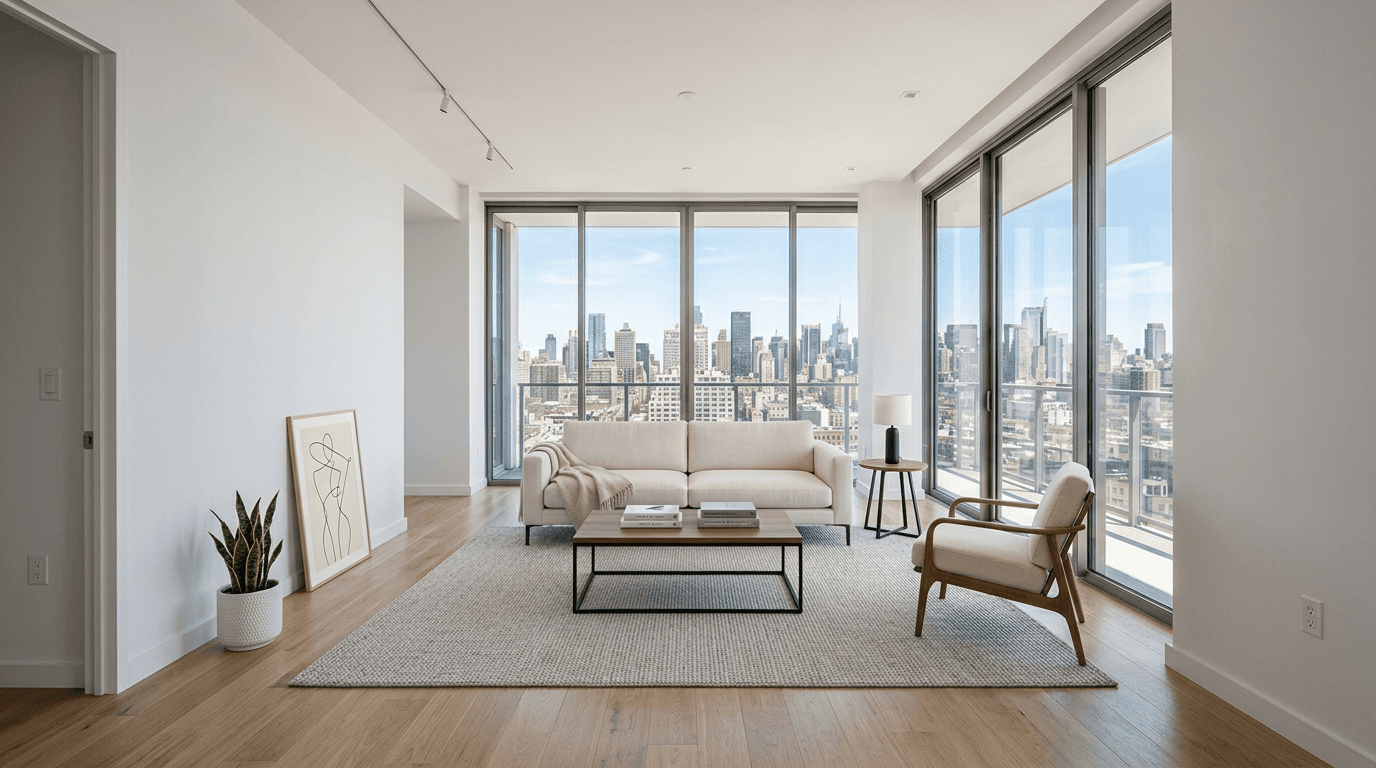
For lease-to-own home program operators, virtual staging is no longer a cosmetic marketing upgrade; in 2026, it is a strategic conversion tool that directly influences lead quality, viewing rates, and buyer confidence. Vacant homes routinely underperform because they ask prospects to do too much imaginative work on their own, and that is especially risky in rent-to-own and lease-purchase marketing where your audience is not merely evaluating a rental for the next 12 months, but picturing a pathway into ownership, stability, and pride over several years. The challenge is nuanced: your homes must feel aspirational enough to inspire commitment, yet attainable enough that prospects can realistically see themselves growing into the space without feeling alienated by luxury cues that do not match the program. Virtual staging solves this by giving structure to possibility. It helps operators present empty inventory as lived-in, functional, and emotionally resonant while controlling costs, accelerating campaign launch timelines, and tailoring imagery to the exact story the program needs to tell. When executed correctly, virtual staging does more than make listings prettier; it helps prospects understand how they would live in the home now, how they would care for it over time, and why entering your program is a credible step toward ownership. This guide explains exactly how to use virtual staging as a disciplined, step-by-step system to position your inventory more effectively and convert intent into applications.
According to recent staging metrics by the National Association of Realtors (NAR), professionally staged properties can significantly increase sales speed and perceived value, accelerating the impact for your specific niche.
Step 1: Define the ownership narrative before you stage a single room
The most effective virtual staging for lease-to-own homes begins well before a designer places a digital sofa in the living room, because your first real job is not decorating the property but clarifying the ownership story the property needs to communicate. Traditional home sellers often stage to maximize broad appeal, but lease-to-own operators need something more precise: imagery that supports a transition from renter mindset to owner mindset. That means every staged room should reinforce stability, practicality, and personal progress rather than simply appearing trendy or expensive. Start by identifying the target resident-buyer profile for the specific home, including likely household size, lifestyle patterns, budget sensitivity, and emotional aspirations. A starter single-family property in a workforce suburb should not be staged like a luxury executive listing, and a family-oriented three-bedroom home should signal livability, routine, and future-making rather than sterile minimalism. Consider what your prospects need to believe when they view the listing: that the home is manageable, worthy of care, suitable for everyday life, and aligned with their path toward ownership. This messaging should shape room prioritization, furniture style, color palette, and even accessory choices. A breakfast nook can imply family routines and consistency, a modest home office can support financial ambition and hybrid work, and a clean, welcoming primary bedroom can signal permanence and pride without overreaching. Operators who skip this narrative exercise often end up with generic staging that looks visually fine but fails to advance trust or emotional commitment. By contrast, when the staging concept is built around how aspiring buyers actually think, evaluate, and self-identify, the visuals work harder across the full funnel, from listing click to inquiry to tour to program application.
Action Step
Create a one-page staging brief for each property that defines the target resident-buyer, desired emotional response, room priorities, and the ownership story your images must communicate.
Step 2: Capture property visuals with accuracy, transparency, and marketing intent
Once the ownership narrative is clear, the next step is producing source photography that is technically strong enough to support believable virtual staging and strategically framed to improve marketing outcomes. This is where many operators cut corners, but poor input always limits the credibility of the final output. Virtual staging cannot rescue weak photography that is dark, distorted, inconsistently exposed, or composed without regard to how prospects assess space. In lease-purchase marketing, credibility matters immensely because your audience is already evaluating a more complex proposition than a standard rental or resale; if images feel deceptive, exaggerated, or visually sloppy, trust can erode before a conversation even begins. Photograph the home when it is fully cleaned, repair obvious defects that will distract attention, and capture wide but realistic angles that show proportion without making rooms look artificially oversized. Prioritize key spaces that most strongly support ownership imagination, including the living room, kitchen, primary bedroom, dining area, and any bonus space that can represent family growth, productivity, or future personalization. Exterior shots matter as well, because the emotional promise of lease-to-own extends beyond the interior and into neighborhood belonging, curb appeal, and visible pride of place. At this stage, operators should also decide how the staged images will be deployed across listing portals, landing pages, paid social ads, email nurture campaigns, and agent materials, because the cropping, orientation, and shot sequence should support those channels. Importantly, transparency should be baked into the process from the start: use accurate room representation, avoid adding features the home does not have, and disclose that images are virtually staged wherever appropriate. Well-executed virtual staging should elevate reality, not falsify it. When your source imagery is clean, honest, and captured with conversion intent, the final listing feels polished without crossing into misrepresentation, which is critical for maintaining trust throughout the lease-to-own journey.
Action Step
Schedule professional photography for each vacant home using a shot list focused on realistic room proportions, high-impact ownership spaces, and channel-ready images for listings, ads, and landing pages.
Step 3: Stage for aspirational realism, not fantasy, so prospects can picture ownership credibly
The central discipline in virtual staging for lease-to-own inventory is achieving aspirational realism, a balance that separates high-converting marketing from visually attractive but strategically ineffective imagery. Your prospects want to feel uplifted by the possibility of living in the home, yet they also need cues that the lifestyle on display is within reach. If the staging appears too sparse, the home feels cold, unfinished, and hard to interpret; if it appears too luxurious, prospects may admire the image without recognizing themselves in it. The right approach is to design rooms that look well-kept, modern, and emotionally warm while remaining grounded in how an attainable future homeowner would actually furnish and use the space. Choose furnishings that are proportional to the home’s likely price point, local market norms, and target household profile. Neutral foundations with selective warmth usually perform better than highly stylized aesthetics because they widen appeal while still making the home feel alive. Add visual moments that suggest ownership behaviors rather than temporary occupancy: organized entryways, practical dining areas, tasteful but not extravagant decor, and layouts that make maintenance and daily living feel manageable. For family-oriented homes, subtle signs of routine and comfort help buyers picture stability; for smaller homes, space planning should emphasize efficiency and control rather than trying to force oversized design statements into modest rooms. This is also the point where operators should tailor variants when appropriate, such as different hero images for first-time buyer audiences, downsizers, or remote-working households, provided the staging remains true to the property. The goal is not to create a magazine spread; it is to remove uncertainty and invite identification. Strong virtual staging answers the unspoken question prospects are asking: can I genuinely see myself starting here and becoming an owner here? When your visual design says yes without feeling staged in the artificial sense, conversion improves because the home begins to feel both desirable and attainable at the same time.
Action Step
Approve virtual staging concepts that use market-appropriate furniture, warm neutral styling, and realistic ownership cues that match the home’s size, condition, and target applicant profile.
Step 4: Integrate virtual staging into a full-funnel lease-to-own marketing system
Virtual staging delivers the greatest return when it is treated as a conversion asset across the entire marketing funnel rather than as a single listing enhancement. Lease-to-own operators often focus on getting better photos online, but the deeper opportunity is to make staged visuals the backbone of a cohesive campaign that educates, reassures, and motivates prospects from first impression through application. Start with listing platforms, where the primary staged image should immediately communicate warmth, functionality, and the possibility of long-term belonging. Then extend those same visuals to property-specific landing pages that explain how the program works, because prospects need more than aesthetic appeal; they need context around monthly structure, future purchase pathways, qualification expectations, and next steps. Well-placed staged imagery can reduce friction here by helping readers emotionally stay engaged while they process program details. In paid social and display campaigns, use staged room images to interrupt scrolling, but pair them with copy that frames the home as a realistic path toward ownership rather than a generic rental. Email nurture sequences should also include staged visuals to reactivate interest, especially when guiding leads from curiosity to application readiness. Sales teams and acquisition agents can use the same images in digital brochures, text follow-ups, and tour confirmations so that the prospect experience remains visually consistent. Critically, virtual staging should support in-person or self-guided tours instead of replacing them; prospects should arrive with expectations that align closely with reality. To accomplish that, every campaign should coordinate staged images with clear disclosures, accurate property facts, and messaging that reinforces attainable progress, not empty aspiration. When staging is embedded into your funnel this way, it becomes more than decoration. It becomes a trust-building communication system that helps prospects understand the home, understand the program, and understand themselves as future owners within it.
Action Step
Map each virtually staged image to a funnel stage by assigning it to listing portals, property landing pages, paid ads, email follow-up, and tour communications with consistent messaging and disclosure.
Step 5: Measure performance, refine your staging playbook, and scale what converts
The final step is building an operational feedback loop so virtual staging becomes a repeatable performance advantage rather than a one-off creative exercise. Too many operators judge staging subjectively, relying on whether internal teams think the photos look better, when the smarter approach is to evaluate whether the images improve measurable business outcomes. In a lease-to-own context, the most useful metrics extend beyond click-through rates and should include inquiry volume, lead quality, scheduled tours, application starts, application completions, days on market, and even downstream indicators such as conversion to signed agreements. Compare staged versus non-staged listings where possible, but also compare different staging styles, room priorities, and hero-image selections to identify which visual narratives resonate most strongly with your target segments. You may find, for example, that homes staged with modest family-oriented dining areas outperform more design-forward concepts, or that showing a flex room as a home office attracts stronger applicants in markets with high remote-work participation. Gather qualitative feedback as well by asking prospects what they remembered from the listing, whether the home felt aligned with the images during the tour, and which rooms helped them picture ownership most clearly. Over time, use these insights to create a formal staging playbook with approved styles, disclosure standards, shot lists, room hierarchies, vendor requirements, and compliance checkpoints. This allows your team to launch inventory faster while maintaining consistency and credibility across markets. In 2026, the operators who win are not the ones using virtual staging occasionally; they are the ones systematizing it as part of an evidence-based marketing engine. When you measure rigorously and refine continuously, each staged listing teaches you how to make the next one even more persuasive, efficient, and trustworthy.
Action Step
Set up a monthly reporting framework that tracks staged listing performance, compares visual approaches, collects prospect feedback, and updates your internal staging playbook based on real conversion data.
Explore More Resources
Conclusion
Virtual staging is uniquely powerful for lease-to-own home program operators because it helps vacant properties communicate both emotional promise and practical livability at the exact moment prospects are deciding whether to believe in a path toward ownership. When you begin with a clear ownership narrative, capture accurate source imagery, stage for aspirational realism, deploy the visuals throughout the full marketing funnel, and measure what actually converts, you transform staging from a visual add-on into a disciplined acquisition and conversion strategy. In a category where trust, imagination, and affordability must coexist, the right virtual staging approach helps prospects see more than a house they can rent today; it helps them see a home they can grow into, care for, and eventually call their own.
Ready to Stage Your First Room?
Join thousands of top real estate professionals who use AI Virtual Staging to instantly transform vacant photos into fully-furnished masterpieces in under 20 seconds.
Start Staging For FreeFrequently Asked Questions
Why is virtual staging especially effective for lease-to-own and rent-to-own homes?
Virtual staging is particularly effective in lease-to-own marketing because your audience is making a hybrid decision that blends immediate housing needs with long-term ownership aspirations. Empty rooms make that leap harder because prospects must imagine not only where furniture goes, but also what their life could look like as future owners. Virtual staging reduces that mental friction by making the home feel livable, stable, and emotionally attainable while preserving marketing speed and cost efficiency.
Should lease-to-own operators disclose that listing photos are virtually staged?
Yes. Clear disclosure is a best practice and an important trust signal. Your images should accurately represent the room dimensions, layout, and existing finishes, while the staging should only illustrate possible use of the space. Transparent labeling helps prevent disappointment during tours and reinforces that your program is credible, professional, and respectful of prospects making a major life decision.
What rooms should be virtually staged first for the best results?
Most operators should prioritize the living room, kitchen-adjacent dining area, primary bedroom, and one additional space that reflects the likely buyer profile, such as a child’s bedroom, home office, or flex room. These areas do the most work in helping prospects picture everyday life and long-term ownership. Exterior images should also be strong, since curb appeal and neighborhood belonging are central to the emotional value of the home.
Can virtual staging make an affordable home look too expensive or unrealistic?
Yes, and that is a common mistake. If the furniture style, decor level, or overall design language feels too luxurious relative to the home, neighborhood, or program positioning, prospects may subconsciously feel the home is not meant for them. The goal is aspirational realism: polished, warm, and appealing visuals that still feel achievable for the intended resident-buyer.
How can operators tell whether virtual staging is improving conversions?
Operators should track metrics across the full funnel, including listing engagement, inquiry rates, tour bookings, application starts, completed applications, and signed agreements. It is also helpful to compare performance between staged and unstaged listings or between different staging styles. Qualitative feedback from prospects and leasing teams can add insight into whether the images built trust, clarified room use, and aligned with the in-person experience.
Explore More Guides
Continue building your real estate expertise.
The Step-by-Step Guide to Virtual Staging for Estate Sale Realtors for Heir-Occupied Homes
An authoritative 2026 step-by-step guide for estate sale realtors using virtual staging to market heir-occupied inherited homes filled with furniture, personal items, and decades of clutter. Learn how to prepare photos, manage family expectations, choose the right rooms, use compliant listing language, and help buyers see value without requiring costly physical staging.
The Step-by-Step Guide to Virtual Staging for Small-Format Boutique Apartment Developers
An authoritative step-by-step guide for small-format boutique apartment developers on using virtual staging to accelerate lease-up, elevate perceived value, and market compact units effectively in 2026 without institutional-level budgets.
The Step-by-Step Guide to Virtual Staging for Residential Treatment Campus Marketing Teams
An authoritative 2026 step-by-step guide for residential treatment campus marketing teams on using virtual staging to present behavioral health, recovery, and therapeutic environments with warmth, credibility, and sensitivity.
The Step-by-Step Guide to Virtual Staging for Urban Infill Duplex Sellout Marketing Teams
An authoritative 2026 step-by-step guide for urban infill duplex sellout marketing teams on using virtual staging to differentiate near-identical units, make compact floor plans feel purposeful, communicate neighborhood lifestyle, and improve online merchandising for faster absorption.
The Step-by-Step Guide to Virtual Staging for Senior Relocation Condo Liquidation Firms
An authoritative 2026 step-by-step guide for senior relocation condo liquidation firms on using virtual staging to market dated condos and townhomes faster, reduce family stress, modernize online presentation, and attract younger buyers without physically moving furniture.
The Step-by-Step Guide to Virtual Staging for Suburban Empty-Nester Townhome Brokerages
An authoritative 2026 step-by-step guide to using virtual staging for suburban empty-nester townhome brokerages, helping agents present comfort, practicality, lifestyle flexibility, and sophisticated low-maintenance living to move-down buyers.