
The Step-by-Step Guide to Virtual Staging for Attainable Housing Developers
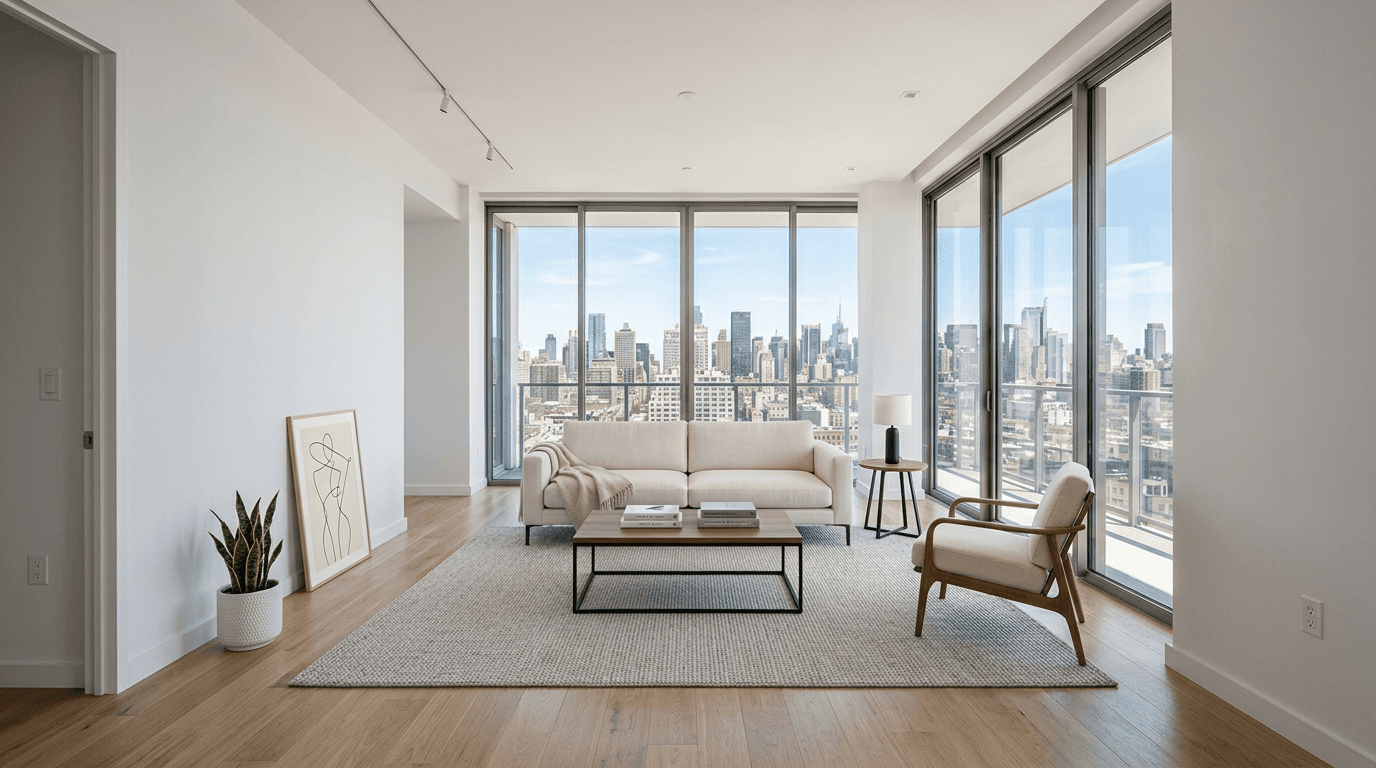
Virtual staging has become one of the most practical and strategically important marketing tools available to attainable housing developers in 2026, especially for teams that must prove design quality, resident dignity, and neighborhood value without crossing into imagery that feels unrealistic, exclusionary, or budget-inconsistent. Developers working in workforce and middle-income housing occupy a uniquely demanding position: they are expected to communicate aspiration and stability to residents, lenders, municipal stakeholders, community partners, and investors, yet they must do so within tightly managed development budgets and under intense scrutiny around authenticity. That makes generic luxury marketing not just ineffective, but potentially damaging. The strongest attainable housing visual strategy does not imitate high-end condominium branding; it translates efficiency, durability, comfort, and pride of place into believable interiors and community scenes that reflect how residents actually want to live. When used correctly, virtual staging helps teams transform empty units, pre-leasing campaigns, funding presentations, public approvals, and partnership communications into a coherent visual story that says this housing is well-designed, thoughtfully planned, and worthy of the people it serves. The guide below walks through how attainable housing developers can use virtual staging step by step to support absorption, stakeholder confidence, and mission-aligned market positioning while staying grounded in realism and cost discipline.
According to recent staging metrics by the National Association of Realtors (NAR), professionally staged properties can significantly increase sales speed and perceived value, accelerating the impact for your specific niche.
Step 1: Define the resident promise before you stage a single image
The most successful virtual staging programs for attainable housing developments begin long before furniture, lighting, or decor decisions are made. They begin with a sharply defined resident promise: a clear statement of who the community serves, what daily life should feel like there, and how the project balances affordability with quality. For attainable housing developers, this step is essential because the central marketing risk is not under-styling a unit, but misrepresenting the product through visuals that suggest luxury finishes, oversized lifestyles, or demographic targeting that does not align with the actual community. Before commissioning any staging, gather your development, leasing, design, and partnership teams to align on the resident profile, whether that includes teachers, healthcare workers, municipal employees, young families, or middle-income professionals priced out of nearby neighborhoods. Then identify the emotional and functional attributes your visuals must communicate, such as efficient layouts, natural light, durable finishes, flexible work-from-home space, welcoming common areas, and family-friendly storage solutions. This strategic foundation allows virtual staging to reinforce the true value proposition of the property instead of becoming superficial decoration. It also helps avoid one of the most common errors in workforce housing marketing: visuals that feel generic, overly polished, or disconnected from the lived experience of target residents. When your staging choices emerge from the actual development program, rent structure, amenity package, and local market realities, the resulting imagery builds trust. Prospective residents see a home they can imagine inhabiting, public-sector partners see a development that treats attainable housing with dignity, and capital partners see a disciplined team that understands positioning rather than relying on visual hype.
Action Step
Write a one-page resident promise that defines your target household, the lifestyle your community supports, and three to five design qualities every staged image must consistently communicate.
Step 2: Select spaces and scenes that prove value, functionality, and dignity
Once the resident promise is defined, the next step is deciding which spaces should be virtually staged and what each image needs to prove. Attainable housing developers should resist the temptation to stage every room the same way or to focus only on the most visually dramatic angles. Instead, staging should be deployed strategically to answer real leasing and stakeholder questions. For example, prospects often want immediate reassurance that a compact floor plan can still feel comfortable, organized, and bright. Public partners may want evidence that the project supports modern household routines without wasteful excess. Lenders and investors may respond positively to visual materials that make unit efficiency feel intentional rather than compromised. This means your shot list should center on rooms that validate the project’s design intelligence: a living room that demonstrates circulation and scale, a kitchen-dining area that shows practical everyday use, a primary bedroom that feels calm but appropriately sized, a secondary bedroom or flex space that can support children, roommates, or remote work, and shared amenities that reinforce community life without implying expensive overprogramming. Even within these spaces, the scenes should be carefully calibrated. Furniture should fit the room honestly. Decor should suggest warmth, stability, and taste, not extravagance. Family composition, age range, and lifestyle cues should reflect your actual target audience and fair housing-conscious inclusivity. For attainable housing communities, the strongest images communicate that residents are not settling; they are accessing thoughtfully planned homes that respect their budgets and their aspirations. Every staged image should therefore have a job: making efficient space legible, humanizing clean architecture, and demonstrating how design choices support everyday routines with dignity and realism.
Action Step
Create a staging shot list of your five to eight highest-impact spaces, and assign each image a specific marketing purpose such as proving layout efficiency, family functionality, or community appeal.
Step 3: Build a visual style that feels aspirational, credible, and budget-aligned
Virtual staging succeeds in attainable housing when it occupies the narrow but powerful space between underwhelming emptiness and luxury misrepresentation. To reach that balance, developers need a deliberate visual style guide that governs furniture selection, color palettes, decor intensity, and lifestyle cues across all marketing materials. The goal is not to make units look cheap, sparse, or purely utilitarian; that can unintentionally reinforce stigma and diminish the real strengths of the development. At the same time, it is equally dangerous to import high-end staging tropes such as oversized designer seating, exaggerated penthouse aesthetics, ultra-premium artwork, or lifestyle props that signal a consumer profile far above the community’s intended market. A strong attainable housing style guide should prioritize contemporary, clean-lined furniture scaled appropriately to room dimensions; neutral but warm palettes that enhance natural light; decor that adds personality without clutter; and functional touches such as dining setups, workspace solutions, storage pieces, and family-friendly layouts. Material cues matter as well. If the actual project includes durable mid-market finishes, the staging should celebrate those finishes through thoughtful coordination rather than visually disguising them. This is where credibility becomes a competitive advantage. When prospects visit after seeing staged images, the home should feel consistent with expectations, ideally better because the visual story accurately highlighted the project’s strengths. Developers should also ensure that visual staging supports a broader brand message around resilience, livability, and neighborhood contribution. In other words, the image should not just say this room looks nice; it should say this development was designed responsibly for real people building stable lives. That is the kind of aspiration that resonates with middle-income residents and mission-oriented stakeholders alike.
Action Step
Develop a simple visual style guide covering furniture type, room density, color palette, decor rules, and prohibited luxury cues so every staged image stays realistic and brand-consistent.
Step 4: Use virtual staging across leasing, approvals, fundraising, and community storytelling
For attainable housing developers, virtual staging delivers the greatest return when it is treated as a cross-functional communication asset rather than a narrow leasing tactic. Too often, teams commission staged images only for listing syndication or a temporary pre-leasing website, when those same visuals could strengthen multiple phases of the development cycle. In early marketing, staged units help prospective residents understand floor plans that may otherwise read as abstract on paper, especially in projects where compact design efficiency is one of the main selling points. During municipal presentations and neighborhood outreach, well-executed staging can humanize the project by showing homes that look welcoming, practical, and aligned with community expectations, reducing resistance rooted in misconceptions about attainable housing quality. In nonprofit-private partnership settings, these visuals can support fundraising decks, board presentations, and grant narratives by making the development’s impact tangible and emotionally legible. Investors and lenders also benefit from imagery that clarifies unit appeal and brand positioning, particularly when the project must demonstrate disciplined market fit rather than speculative luxury demand. Internally, virtual staging can align development, property management, and marketing teams around the same story of resident experience. To maximize this value, developers should map each staged image to a distribution plan: website galleries, leasing brochures, social campaigns, email nurture sequences, digital ads, community meeting boards, and capital presentation materials. The copy that accompanies these images should reinforce attainable value, not mimic luxury language. Phrases should emphasize smart layouts, comfort, daylight, practical finishes, connected community life, and quality that supports long-term residency. When the visuals and messaging work together, virtual staging becomes more than cosmetic enhancement; it becomes evidence that the project has been conceived and communicated with rigor, empathy, and market intelligence.
Action Step
Build an image deployment plan showing where each staged visual will be used across leasing, public approvals, partner communications, fundraising, and investor materials.
Step 5: Measure performance and refine staging based on trust, conversion, and alignment
The final step is to treat virtual staging as a performance-driven system that should be tested, measured, and refined over time. For attainable housing developers, success is not simply whether an image looks attractive to the internal team; it is whether the image increases trust, improves understanding of the product, supports resident conversion, and remains faithful to the actual community experience. Start by establishing key metrics tied to your business objectives and stakeholder environment. On the marketing side, track engagement on listing pages, website time on unit pages, inquiry rates, ad click-through performance, email response patterns, and scheduled tours for units presented with different staged visuals. On the leasing side, ask prospects which images helped them understand unit livability and whether the in-person visit matched what they expected. On the stakeholder side, note whether public agencies, neighborhood groups, or funding partners respond more positively when visual materials clearly communicate dignity and functionality rather than generic architectural emptiness. Qualitative feedback is especially valuable in attainable housing because misalignment often appears as subtle trust erosion: prospects may not say an image felt too luxurious or inauthentic, but they may disengage if they sense exaggeration. Comparing staged concepts can reveal what resonates best, such as family-oriented layouts versus minimalist scenes, or work-from-home functionality versus decor-led styling. Developers should also revisit staging after lease-up or early occupancy to ensure lessons from actual resident behavior inform future campaigns. If residents consistently use den spaces as children’s rooms, dining areas as workstations, or community lounges as practical gathering areas, then future visual stories should reflect those realities. In 2026, the most credible development brands will be the ones that use virtual staging not to inflate perception, but to continuously sharpen how they present real value.
Action Step
Set quarterly review metrics for your staged images, gather leasing and stakeholder feedback, and update visuals based on which scenes most accurately build trust and drive inquiries.
Explore More Resources
Conclusion
Virtual staging is most effective for attainable housing developers when it is grounded in strategy, realism, and respect for the households the community is built to serve. By defining the resident promise first, selecting spaces that prove real functionality, building a style system that feels aspirational without drifting into luxury distortion, deploying images across every critical communication channel, and measuring performance with discipline, development teams can turn empty units and abstract plans into persuasive evidence of quality and dignity. In a market where middle-income residents and public-private partners are both evaluating whether a project truly delivers on its mission, believable visual storytelling is not a cosmetic extra. It is a practical tool for accelerating lease-up, strengthening approvals, supporting fundraising, and reinforcing trust. The developers who use virtual staging best in 2026 will be those who understand that the goal is not to sell fantasy, but to make thoughtful attainable housing feel visible, credible, and deeply livable.
Ready to Stage Your First Room?
Join thousands of top real estate professionals who use AI Virtual Staging to instantly transform vacant photos into fully-furnished masterpieces in under 20 seconds.
Start Staging For FreeFrequently Asked Questions
How is virtual staging different for attainable housing developers compared with luxury multifamily marketing?
The main difference is strategic intent. Luxury marketing often uses visual excess to create aspiration through exclusivity, premium finishes, and status cues. Attainable housing developers need aspiration through credibility, comfort, and smart design. Virtual staging should therefore emphasize efficient layouts, warmth, livability, and durable quality rather than high-end styling that may misrepresent the product or alienate target residents. The best attainable housing visuals communicate dignity and design intelligence without implying a lifestyle that the actual rents, finishes, or amenity package do not support.
Can virtual staging still work if our units are compact and our amenities are limited?
Yes, and in many cases that is exactly where virtual staging creates the most value. Compact units often need help demonstrating how furniture fits, how circulation works, and how residents can comfortably use multipurpose spaces. Limited amenities can also be framed effectively by focusing on what matters most to residents: clean design, natural light, practical community areas, and everyday convenience. Virtual staging helps developers present efficiency as intentional and well-planned rather than constrained or lacking.
What should attainable housing developers avoid when commissioning virtual staging?
Avoid anything that creates a mismatch between the visual story and the real product. Common mistakes include oversized furniture that makes rooms appear larger than they are, luxury decor that signals an unrealistic resident profile, staging that hides actual finishes, and imagery that feels generic or socially exclusionary. Developers should also avoid relying on staging without message discipline; if the imagery says one thing but the copy uses luxury-centric language or the on-site experience feels notably different, trust can erode quickly.
Which images usually matter most for leasing and stakeholder communications?
The highest-value images are typically the ones that make design functionality immediately understandable. Living rooms, kitchen-dining spaces, primary bedrooms, secondary bedrooms or flex rooms, and selected community spaces tend to deliver the strongest results because they help viewers picture real daily life. For stakeholder communications, visuals that show family functionality, efficient use of space, and welcoming common areas are especially powerful because they demonstrate that the project creates quality housing without unnecessary excess.
Is virtual staging appropriate for nonprofit-private partnership developments that are highly mission-driven?
Absolutely. In fact, mission-driven developments often benefit from virtual staging because they must communicate impact and quality to multiple audiences at once, including residents, funders, public agencies, and community stakeholders. When done well, virtual staging helps translate mission into something visible and concrete. It shows that affordability and dignity are not competing ideas, and that thoughtful design can support stability, pride, and long-term community value. The key is to ensure the staging remains faithful to the real development and reflects the mission honestly.
Explore More Guides
Continue building your real estate expertise.
The Step-by-Step Guide to Virtual Staging for Farm and Ranch Auction Marketing Firms
Learn how farm and ranch auction marketing firms can use virtual staging to elevate rural property presentation, accelerate pre-auction marketing, and inspire higher bidder confidence for agricultural estates, ranch houses, hunting lodges, and rural residential compounds in 2026.
The Step-by-Step Guide to Virtual Staging for Mixed-Use Retail Residential Lease-Up Teams
An authoritative 2026 step-by-step guide for mixed-use retail residential lease-up teams on using virtual staging to lease apartments, condos, and street-level commercial space faster by selling lifestyle, placemaking, and neighborhood vibrancy before full tenancy is in place.
The Step-by-Step Guide to Virtual Staging for Build-to-Rent Community Developers
An authoritative step-by-step guide for build-to-rent community developers on using virtual staging to market single-family rental neighborhoods before completion, differentiate home plans, accelerate lease-up, and showcase a lifestyle-driven resident experience in 2026.
The Step-by-Step Guide to Virtual Staging for Church Property Redevelopment Consultants
An authoritative 2026 step-by-step guide for church property redevelopment consultants on using virtual staging to visualize adaptive reuse, build stakeholder support, attract investors, and strengthen approvals for housing, school, office, and mixed-use conversions.
The Step-by-Step Guide to Virtual Staging for Senior Move Management Companies
Learn how senior move management companies can use virtual staging to transform dated, overfurnished homes into safer, cleaner, more marketable listings in 2026. This guide covers planning, photography, compliance, family communication, and listing optimization.
The Step-by-Step Guide to Virtual Staging for Luxury High-Rise Condo Listing Agents
An authoritative 2026 step-by-step guide for luxury high-rise condo listing agents on using virtual staging to elevate vacant units, attract premium buyers, justify higher commissions, and market urban high-rise listings with polished, conversion-focused visuals.